
Table of Contents
Healthy Snacks for Kids (and Adults) That Fuel Family Adventures Better Than Junk
Packing for a family hike? You grab trail maps, sunscreen, and water bottles. But what about snacks?
The stuff you toss in that backpack matters more than you think. Chips, cookies, and juice boxes are easy, but they’re also why your kids crash hard at mile two, whining about tired legs and empty stomachs. Energy spikes, then plummets. You know the drill.
Better food fixes that. No fancy ingredients needed. No hours in the kitchen either.
Start with this: protein, fiber, and healthy fats. All three. Mix them up and kids get quick energy plus staying power for the long haul. Making healthy food alternatives part of how you pack means fuller bellies, happier moods, and fewer battles on the trail.
These swaps work whether you’re camping for the weekend or hitting the park after school.
If you have any comments/questions, please leave them below.
Nutritionist Tip: What Kids Really Need on the Trail
Outdoor family adventures are as much about fueling your kids’ bodies as they are about exploring new trails. Whether you’re hiking, biking, or camping, what your children eat before and during these activities can have a major impact on their energy levels, focus, and overall experience. This section explains what balanced nutrition looks like for active kids and why these principles matter when choosing healthy snacks for kids on the go.
Understanding Energy Needs for Active Kids
When children are physically active outdoors, they burn more calories than during typical daily activities. Their bodies rely on three key nutrients for sustained energy and endurance:
- Carbohydrates – These provide quick energy but should come from whole sources like fruits, vegetables, and whole grains rather than refined sugars.
- Protein – Essential for repairing muscles and maintaining steady energy. Found in nuts, seeds, yogurt, cheese, and lean meats.
- Healthy fats – Crucial for longer-lasting fuel. Found in foods like nut butter, avocado, olive oil, and seeds.
A balanced combination of these nutrients keeps blood sugar stable and prevents the energy crashes that often occur after eating processed snacks or sugary drinks. According to the National Institutes of Health, combining macronutrients helps improve satiety and maintain consistent physical performance, particularly during sustained activity.
What to Include in Trail-Friendly Snacks
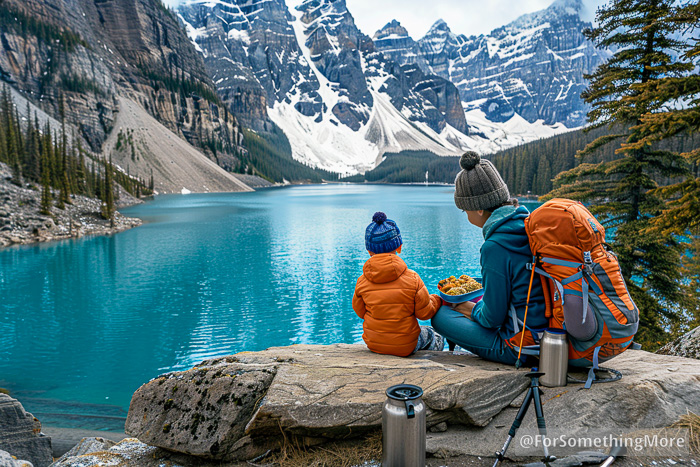
Healthy snacks for kids should check three boxes: portable, nutritious, and appealing. When selecting or preparing foods for outdoor days, aim for combinations that deliver both immediate energy and slow-burning fuel.
Here are a few well-balanced examples:
- Apple slices with nut butter – A mix of natural sugar and healthy fat that keeps kids full longer.
- Whole-grain crackers with cheese or turkey slices – Adds protein and complex carbs for sustained energy.
- Roasted chickpeas or edamame – High in plant-based protein and fiber.
- DIY trail mix – Blend nuts, seeds, and dried fruit to balance quick energy and healthy fats.
- Banana oat bites or homemade muffins – Contain complex carbs and fiber, ideal for mid-morning boosts.
These pairings prevent spikes in blood sugar and extend energy levels throughout the day.
Portion and Timing Tips
When it comes to fueling for outdoor activity, timing matters. Kids’ smaller stomachs mean they need to eat more frequently than adults. Here are a few practical guidelines:
- Offer a balanced snack 30–45 minutes before starting a hike or activity.
- During longer outings, provide small snacks every 1.5 to 2 hours to maintain stamina.
- Encourage hydration alongside food, ideally with water or naturally flavored drinks like coconut water.
- Limit processed energy bars or high-sugar drinks that may cause digestive discomfort or energy crashes.
Helping Kids Build Healthy Habits
Healthy eating habits start early, and outdoor adventures create the perfect environment to teach them. Encourage kids to think of snacks as fuel for exploration. When children understand that what they eat affects their strength and endurance, they naturally become more invested in making smart food choices.
Healthy snacks for kids should not only nourish but also empower them to connect how food impacts how they feel and perform. With consistency, these nutrition lessons extend far beyond the trail, shaping lifelong habits that support active, balanced living.
Quick Healthy Snack Swaps at a Glance
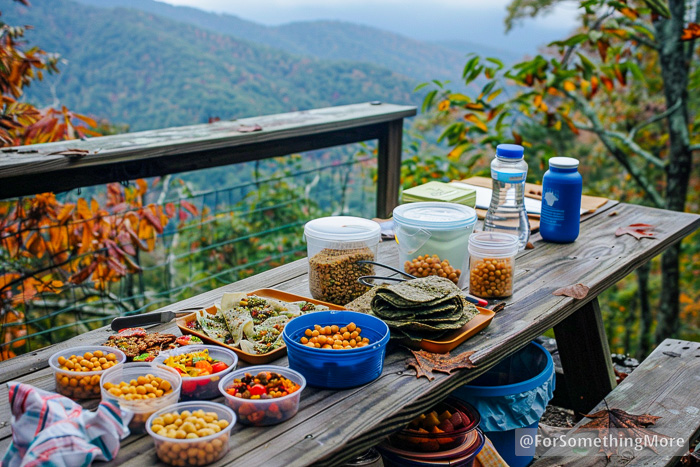
When you’re packing for an outdoor family adventure, time matters—and so does nutrition. Instead of scanning endless labels or trying to plan from scratch, use this quick reference chart to make smarter, healthier choices for your family. These simple swaps focus on nutrient-dense foods that provide long-lasting energy and reduce mid-hike sugar crashes.
This guide is built around the principle that healthy snacks for kids should combine balanced macronutrients—protein, fiber, and healthy fats—while being easy to carry, minimally processed, and appealing to young eaters.
Why Smart Snack Swaps Matter
When children are active outdoors—whether hiking, biking, or exploring a park—their energy demands increase significantly. Refined carbohydrates and added sugars offer short-term boosts but lead to fatigue, irritability, and dehydration later. Swapping out highly processed snacks for whole-food alternatives helps maintain steady blood sugar levels and sustained energy.
According to the Harvard T.H. Chan School of Public Health, foods high in refined carbohydrates can cause rapid spikes and drops in blood glucose, leading to lower endurance and reduced concentration. In contrast, snacks rich in fiber, protein, and unsaturated fats provide more consistent fuel.
Quick Reference Snack Swap Chart
This chart offers practical, ready-to-use substitutions for typical convenience foods. Each swap is chosen for portability, nutritional value, and kid-friendly taste.
| Instead of This | Try This | Why It’s Better |
|---|---|---|
| Granola bars | DIY trail mix (raw almonds, pumpkin seeds, dried cranberries, dark chocolate chips) | Higher in protein and healthy fats, lower in added sugars |
| Chips | Roasted chickpeas | Crunchy texture with added fiber and plant-based protein |
| Juice boxes | Coconut water | Natural electrolytes and hydration without the sugar spike |
| Cookies | Banana oat bites | Whole grains and fruit-based sweetness for slow energy release |
| White bread sandwiches | Whole-grain wraps or pita pockets | More fiber and nutrients for steady energy levels |
| Hard candy or gummies | Dried fruit such as mango, apricot, or apple slices | Provides natural sweetness plus vitamins and minerals |
| Store-bought lunch kits | Homemade snack packs with whole-grain crackers, cheese, turkey, and vegetables | Balanced nutrition and control over ingredients |
How to Use This Chart When Packing
- Start by choosing one swap from each category to ensure variety—something crunchy, something sweet, and something hydrating.
- Prepare and portion snacks into reusable containers or silicone bags the night before your trip.
- Involve your children in the process by letting them select combinations. Kids are more likely to eat healthy snacks when they help pack them.
- Keep perishables in a small cooler with ice packs, and store dry snacks in lightweight pouches that fit easily into backpacks.
The Takeaway
Healthy snacks for kids don’t have to be complicated or expensive. By making simple swaps like roasted chickpeas instead of chips or banana oat bites instead of packaged cookies, you can support sustained energy and better moods throughout the day. These quick substitutions will help you avoid the sugar highs and lows that often derail outdoor adventures, turning every hike or park visit into a smoother, more enjoyable experience for the entire family.
Skip the Granola Bars, Pack DIY Trail Mix
Granola bars? Most have more sugar than candy bars.
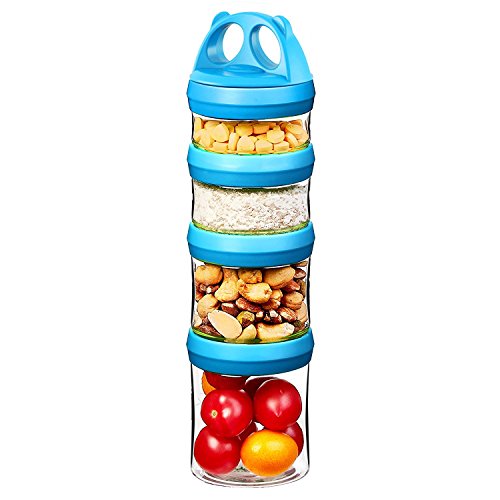
Make trail mix instead. Use raw almonds, pumpkin seeds, dried cranberries, and dark chocolate chips. Portion them before you leave using small containers or reusable bags. Let kids build their own mix the night before your trip. They’ll actually eat what they helped make.
Nuts and seeds bring protein and healthy fats. Dried fruit adds sweetness without the processed sugar crash.
Ditch the Juice Boxes, Choose Coconut Water
Juice boxes seem hydrating, but they’re mostly sugar water.
Coconut water gives you real electrolytes like potassium and magnesium. Kids sweat during active play, and those minerals need replacing. According to the National Institutes of Health, sodium, potassium, magnesium, and calcium help regulate fluid balance and muscle function during physical activity.
Find brands without added sugar or artificial flavoring. If your kids resist the taste, freeze it into popsicles. Problem solved.
Hydration Hacks for Little Adventurers
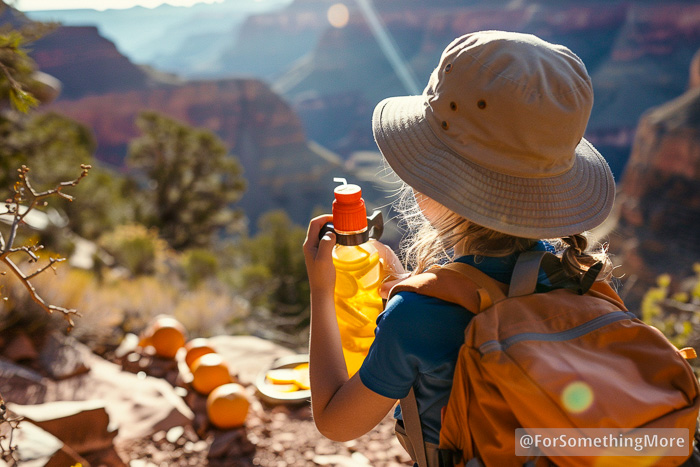
When your family is spending hours outdoors—hiking, biking, or exploring—hydration matters just as much as food. Even mild dehydration can affect mood, energy, and concentration, especially in children. Pairing healthy snacks for kids with the right hydration strategies helps keep their bodies fueled and balanced throughout the day.
Understanding Why Hydration Matters
Children lose fluids more quickly than adults because they have a higher surface-area-to-body-mass ratio and tend to be more active during outdoor play. When fluids aren’t replaced, their bodies struggle to regulate temperature, leading to fatigue, headaches, or irritability.
According to the Centers for Disease Control and Prevention, water is the best choice for hydration in most situations. It replenishes fluids without added sugars or unnecessary calories. However, during longer or more strenuous adventures, drinks containing electrolytes—such as coconut water—help restore sodium, potassium, and magnesium lost through sweat.
How Much Water Do Kids Need?
Fluid needs vary by age, weather, and activity level, but a few general guidelines can help you plan ahead.
- Ages 4–8: 5 cups (about 1.2 liters) per day
- Ages 9–13: 7–8 cups (about 1.6–1.9 liters) per day
- Ages 14–18: 8–11 cups (about 1.9–2.6 liters) per day
On hot or high-activity days, children may need even more. Encourage small, frequent sips rather than waiting for them to feel thirsty—a reliable signal that mild dehydration has already set in.
Smart Hydration Strategies for Outdoor Families
Hydration can be easy to overlook when excitement builds on the trail or at the playground. These practical tips make staying hydrated simple and consistent:
- Start early. Have kids drink water before leaving home rather than waiting until you reach the trail.
- Pack refillable bottles. Choose lightweight, BPA-free bottles or hydration packs so kids can sip hands-free.
- Offer fluids regularly. Set reminders to take water breaks every 20–30 minutes, especially in warm weather.
- Pair drinks with snacks. Encourage sipping water while eating healthy snacks for kids like trail mix or fruit to aid digestion and absorption.
- Model good habits. When children see you drinking water regularly, they naturally follow suit.
Electrolytes and Natural Alternatives
For longer or hotter outdoor days, water alone might not fully replace lost electrolytes. Rather than relying on commercial sports drinks—which often contain excess sugar and artificial dyes—opt for natural sources.
- Coconut water: A naturally hydrating beverage rich in potassium and magnesium.
- Diluted fruit juice: Mix one part 100% juice with two parts water for flavor without excess sugar.
- Homemade electrolyte drinks: Combine water with a pinch of salt, a drizzle of honey, and a squeeze of citrus juice.
- Electrolyte-rich snacks: Bananas, oranges, and roasted pumpkin seeds offer minerals that support fluid balance.
Making Hydration Fun for Kids
Children are more likely to drink enough fluids if the experience feels enjoyable. Try these creative ways to make hydration part of the adventure:
- Freeze coconut water or diluted juice into popsicles before your trip.
- Add fruit slices like strawberries, lemon, or cucumber to make infused water.
- Let kids pick their own reusable bottles or hydration packs in bright colors.
- Use a friendly competition: who can finish their bottle by the next trail marker?
Signs of Dehydration to Watch For
Even with the best planning, dehydration can happen. Recognizing early signs helps you respond quickly. Keep an eye out for:
- Dry lips or tongue
- Unusual fatigue or irritability
- Headache or dizziness
- Dark-colored urine or infrequent urination
If symptoms persist, find shade, rest, and rehydrate gradually.
The Connection Between Food and Hydration
Healthy snacks for kids play a key role in hydration, too. Foods with high water content—such as oranges, cucumbers, strawberries, and watermelon—contribute to total fluid intake. Pairing these snacks with a steady supply of water ensures your children have both the energy and hydration they need to keep exploring comfortably.
Keeping your family hydrated isn’t just about avoiding thirst—it’s about supporting endurance, focus, and enjoyment. With thoughtful preparation and simple strategies, you can keep every outdoor adventure fueled, refreshed, and worry-free.
Replace Chips with Roasted Chickpeas
Crunchy, salty, and satisfying without the grease.
Roasted chickpeas hit all the right notes. Grab a can, rinse them off, toss with olive oil and your favorite seasonings. Garlic powder and paprika are classics. Cinnamon sugar is a fun twist for kids. Roast until crispy.
They pack serious protein and fiber. Way more than chips. Kids stay full longer, which means less snack begging every twenty minutes. Store them in small containers and they’ll keep their crunch for days.
Swap White Bread Sandwiches for Whole Grain Wraps
White bread burns fast. Blood sugar spikes, then drops hard. That’s why kids get hungry again thirty minutes after eating.
Whole grain wraps or pita pockets slow that down. More fiber means steadier energy. Fill them with turkey, cheese, hummus, and whatever vegetables your kids will actually eat. Roll tight and slice into pinwheels for little ones.
They pack flat in coolers and don’t turn soggy like regular sandwiches.
Trade Store-Bought Cookies for Banana Oat Bites
Packaged cookies are mostly refined flour, sugar, and preservatives.
Banana oat bites take ten minutes to make. Mash ripe bananas with oats, add a spoonful of nut butter and mini chocolate chips. Roll into balls and refrigerate.
They travel great, won’t melt in the sun, and give kids the sweet treat they want plus whole grains and fruit. No baking required.
Make-Ahead and Storage Tips for Travel Days
Outdoor family adventures often start early and run long, so preparation makes all the difference. Packing healthy snacks for kids that stay fresh, safe, and appealing throughout the day requires a bit of strategy—but it doesn’t have to be complicated. With a few simple make-ahead methods and smart storage practices, you can ensure your family always has nutritious options on hand, no matter where your adventures lead.
Preparing Snacks in Advance
When you prepare snacks ahead of time, you save valuable hours on travel days and prevent the need for last-minute convenience foods. Set aside an hour before your trip for basic prep work. Wash produce, portion dry snacks, and organize containers so that everything is ready to grab and go.
Here’s a practical approach to getting started:
- Batch prepare dry mixes – Make larger quantities of trail mix, roasted chickpeas, or banana oat bites and store them in airtight containers.
- Pre-portion servings – Use small reusable silicone bags or snack boxes to prevent overeating and to keep portions even for each child.
- Prep fruits and veggies – Slice apples, cucumbers, and carrots in advance. Store them in the refrigerator in airtight containers with a damp paper towel to keep them crisp.
- Cook and cool protein-based snacks – Hard-boil eggs, prepare turkey or hummus wraps, or bake muffins the day before travel.
- Label and layer – Write the snack name and date on each container. Keep heavy items like fruit at the bottom of the cooler and delicate ones like wraps or oat bites on top.
Keeping Snacks Fresh and Safe
Temperature control is one of the most important parts of storing healthy snacks for kids. Foods that spoil easily, such as dairy, meat, or eggs, should be kept below 40°F (4°C). Here are a few simple methods to maintain freshness:
- Use insulated bags or small coolers – Choose lightweight models that fit easily in backpacks or under car seats.
- Add frozen water bottles or reusable ice packs – They keep food cool while serving as extra hydration later in the day.
- Separate perishable and dry items – Keep nuts, dried fruit, and crackers in sealed containers away from moisture.
- Store snacks in shade or inside the car – Avoid leaving them in direct sunlight, especially on hot days.
For longer trips, consider packing non-perishable options such as roasted chickpeas, whole-grain crackers, or dried fruit. These choices resist heat and maintain their texture for several days.
Preventing Soggy or Stale Snacks
Moisture and air exposure can quickly turn crunchy snacks soft or make wraps soggy. The following tips help you maintain texture and taste:
- Wrap sandwiches or pinwheels tightly in parchment paper instead of plastic wrap to reduce condensation.
- Pack condiments like hummus or nut butter in small containers and let kids add them right before eating.
- Place paper towels in storage containers with fruits or veggies to absorb excess moisture.
- Avoid overpacking containers—allow some airflow to prevent humidity buildup.
Time-Saving Tools for Families on the Move
Using a few reusable tools can make snack prep faster and more efficient:
- Silicone snack cups – Flexible, easy to clean, and great for separating foods inside lunch boxes.
- Stainless steel containers – Durable, temperature-resistant, and ideal for outdoor use.
- Stackable bento boxes – Keep multiple snacks neatly organized for each child.
- Portable cooler backpacks – Leave your hands free while maintaining temperature control.
The Benefit of a Make-Ahead Mindset
When you consistently prepare snacks in advance, healthy eating becomes automatic. Instead of scrambling to find something quick, you’ll have balanced, ready-to-eat options that support your children’s energy and mood. This approach aligns perfectly with family outdoor travel—minimal stress, maximum freedom.
By incorporating these make-ahead and storage strategies, you ensure that healthy snacks for kids remain fresh, convenient, and satisfying from trailhead to summit and beyond.
Leave the Candy, Bring Dried Fruit
Hard candy and gummy snacks stick to teeth and add nothing but sugar.
Dried mango, apricots, or apple slices give kids that chewy texture they love plus vitamins and fiber. Go for unsweetened versions to skip extra sugar.
Pair dried fruit with cheese cubes or nuts. The protein balances out the natural sugars for longer-lasting energy.
Rethink Lunchables with Homemade Snack Packs
Pre-packaged lunch kits are filled with processed meat, refined crackers, and artificial ingredients.
Build your own instead. Use whole grain crackers, sliced cheese, deli turkey or ham, cherry tomatoes, or cucumber slices. Pack everything in a divided container so kids can assemble their own combinations. They love that part.
You control quality. They get the fun, hands-on experience. Everybody wins.
Adventure Day Snack Packing Checklist
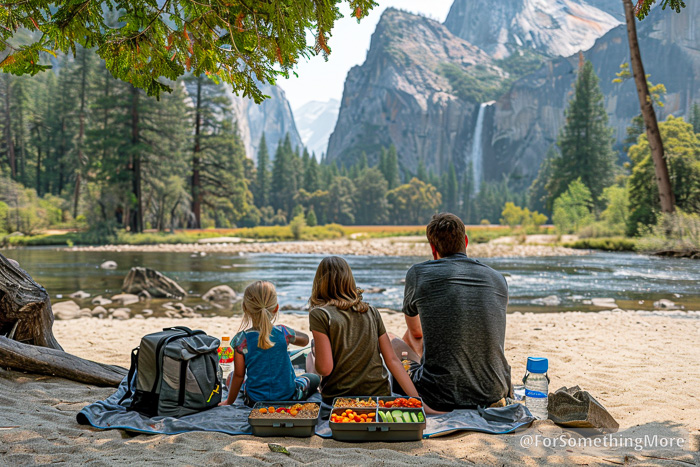
A well-organized snack plan can turn a long day outdoors into an enjoyable, stress-free experience for everyone. Whether your family is hiking, camping, or spending the day at the beach, this practical checklist ensures you pack healthy snacks for kids that stay fresh, balanced, and easy to grab on the go. Thoughtful preparation not only keeps energy levels high but also helps avoid unnecessary stops or hunger-related meltdowns.
Why Packing Matters
Outdoor adventures can be unpredictable. A trail might take longer than expected, or a picnic spot may not have the shade or food options you anticipated. When you pack strategically, you’re prepared for every scenario. You’ll have nutritious snacks that travel well, resist heat, and appeal to even the pickiest eaters.
Healthy snacks for kids are most effective when they provide a balance of carbohydrates, protein, and healthy fats. Combining these nutrients helps sustain energy and prevent crashes, which is especially important during physically demanding activities.
The Essential Snack Packing Checklist
This list covers everything you need for a full day outdoors with kids. Use it as a printable reference or save it digitally before each trip.
Core Snacks
- DIY trail mix (nuts, seeds, dried fruit, dark chocolate chips)
- Roasted chickpeas or edamame
- Whole-grain crackers or pita chips
- Banana oat bites or mini muffins
- Fresh fruit such as apples, grapes, or oranges
- Sliced vegetables like cucumbers, carrots, and bell peppers
- Cheese sticks or sliced cheese
- Turkey or hummus wraps in whole-grain tortillas


Hydration Essentials
- Water bottles or hydration packs (one per person)
- Coconut water or homemade electrolyte drinks
- Frozen water bottles for both cooling and drinking later
- Reusable straws or spill-proof cups for younger kids


Smart Containers and Tools
- Reusable silicone snack bags or bento boxes
- Insulated cooler or soft-sided lunch bag with ice packs
- Small napkins or reusable wipes for sticky hands
- Trash bag or compostable waste bag for wrappers and cores