
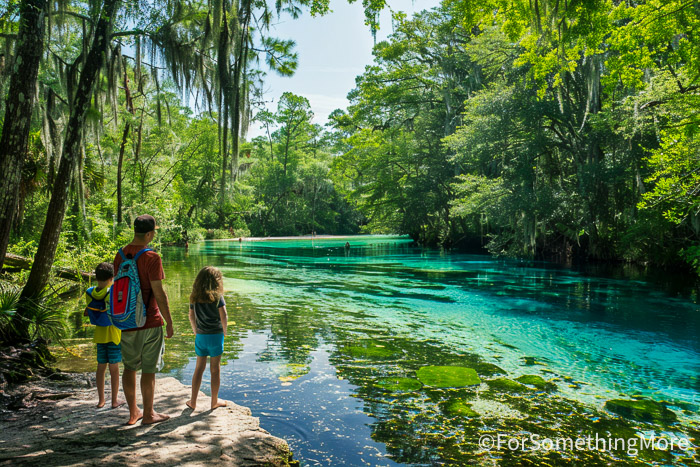
If you’re planning Florida with kids and want the trip to focus more on nature than major attractions, this guide is for families who enjoy active days, outdoor settings, and enough flexibility to adjust plans as conditions change. Florida can work especially well for families who want a mix of water, wildlife, coastal scenery, and parks without turning every day into a tightly scheduled experience.
The best Florida family vacations of this kind usually have a slower pace than the map suggests. Heat, humidity, sun, and repeated time in the water can make even simple outdoor activities feel more demanding than expected.
With the right preparation, an outdoor-focused Florida trip is very manageable. The key is choosing the right region, setting realistic expectations, and building in enough variety that your family can stay active without feeling rushed.
If you have any comments/questions, please leave them below.
Table of Contents
Is Florida Worth Visiting With Kids Beyond the Theme Parks?
Florida is absolutely worth visiting with kids beyond the theme parks because the state offers springs, beaches, wildlife, paddling, state parks, and road-trip-friendly outdoor adventures that can fill an entire family vacation on their own.
The key is to think of Florida as a collection of very different outdoor regions rather than one giant destination. North-Central Florida feels completely different from the Keys, the Everglades, or the Gulf Coast, and families usually have a better trip when they choose a region based on the experiences they actually want.
What Kind of Florida Trip Is This Guide For?
This guide is for families who want an active Florida trip built around outdoor experiences rather than spending most of the vacation inside major attractions.
That might mean planning around:
- Swimming
- Snorkeling
- Kayaking
- Wildlife watching
- Beaches
- Short hikes
- Freshwater springs
- State and national parks
- Scenic road trips
You do not need to avoid theme parks entirely for this kind of trip. The goal is simply to show that Florida with kids can include much more than Orlando.
A family might spend several days visiting springs and paddling rivers, add a beach or wildlife day, and still have enough variety that the trip never feels repetitive.
What Makes Florida Different From Other Outdoor Family Destinations?
Florida stands out because families can experience freshwater, saltwater, wetlands, forests, wildlife, and beaches within the same state.
The range of landscapes is unusually broad.
Depending on where you go, you can explore:
- Clear freshwater springs
- Mangrove forests
- Barrier islands
- Coastal dunes
- Cypress swamps
- Rivers
- Coral reefs
- Hardwood hammocks
- Wetlands
That variety is especially useful with children because not every day needs to involve the same type of activity.
A child who is tired of swimming may be happy wildlife watching the next morning. A family that spends one day kayaking can follow it with an easier beach or boardwalk day.
Which Parts of Florida Are Best for Outdoor Families?
The best region depends on whether your family prioritizes springs, wildlife, beaches, paddling, or island-style travel.
A simple starting point is:
| If your family wants… | Consider… |
|---|---|
| Springs and swimming | North-Central Florida |
| Wildlife and wetlands | Everglades and South Florida |
| Paddling | Springs, rivers, mangroves, and the Keys |
| Beaches | Gulf Coast or Atlantic Coast |
| Marine adventure | Florida Keys |
| Quieter nature | State parks and national seashores |
North-Central Florida is especially strong for springs and river-based adventures.
South Florida gives families access to the Everglades, mangroves, wildlife, and coastal environments.
The Florida Keys are better for families who want snorkeling, boating, marine wildlife, and a slower island-style trip.
The Gulf and Atlantic coasts both offer beach time, but they feel different enough that the choice should depend on what kind of water and coastal experience your family wants.
What Do Families Underestimate About Outdoor Travel in Florida?
Families often underestimate how much heat, humidity, sun, and water exposure can affect children even when the activity itself does not look demanding.
A two-hour paddle, short hike, or beach morning can feel much harder in Florida than the same amount of activity in cooler conditions.
Common planning issues include:
- Midday heat
- High humidity
- Strong sun
- Afternoon thunderstorms
- Mosquitoes and other insects
- Long driving distances
- Water-related fatigue
With younger kids, repeated water days can be more tiring than parents expect. Swimming, snorkeling, paddling, and sun exposure all add up even if the children are having fun.
It is usually better to plan one main outdoor experience per day and leave the rest of the schedule flexible.
Is Florida Easy to Explore as a Family Road Trip?
Florida can be very manageable by car, but families should avoid trying to cover too much of the state in one trip.
Driving distances are larger than they may appear on a map.
A trip that combines North Florida springs, Orlando, the Everglades, and the Keys can quickly become dominated by transportation.
A better approach is to choose one region or combine two nearby regions.
For example:
- Springs + Gulf Coast
- Orlando area + Central Florida springs
- Everglades + Florida Keys
- Atlantic Coast + nearby state parks
Fewer bases generally mean less packing, less driving, and more time actually exploring.
How Should Families Think About Wildlife Safety?
Florida is an excellent wildlife destination, but families should treat animals as wild rather than as part of an attraction.
Depending on the region, you may encounter:
- Alligators
- Crocodiles
- Manatees
- Dolphins
- Sea turtles
- Wading birds
- Snakes
- Numerous fish and marine species
The most important rules are simple:
- Keep an appropriate distance
- Never feed wildlife
- Follow posted warnings
- Keep children close near water
- Do not assume an animal is harmless because it appears calm
This is particularly important around freshwater shorelines and wetlands.
How Should Families Plan Around Florida Weather?
Families should build outdoor days around conditions rather than expecting every activity to happen at a fixed time.
Earlier mornings are often more comfortable for paddling, hiking, or wildlife viewing.
Afternoons can bring stronger heat and thunderstorms, especially during warmer months.
That does not mean outdoor plans need to be complicated. It means leaving enough flexibility to move an activity, shorten it, or choose something easier if conditions change.
Florida State Parks manages more than 170 parks and historic sites across the state, and its official planning resources are a useful starting point for checking activities, facilities, closures, and current conditions before visiting.
Planning Takeaway
Florida works best when families stop thinking of it as one destination and start choosing a specific outdoor region based on the experiences they want most.
If your kids love swimming, springs may be the priority. If wildlife is the main goal, South Florida and the Everglades make more sense. If snorkeling and marine life are more appealing, the Keys may be a better fit.
The strongest Florida family vacations usually come from choosing fewer places, planning one meaningful outdoor activity per day, and leaving enough room for heat, weather, and changing energy levels.
Where Should Families Stay for an Outdoor Florida Adventure?
Families should choose where to stay in Florida based on the outdoor experiences they want to prioritize, because a well-positioned home base can significantly reduce driving and make active days with kids easier to manage.
Florida is large enough that trying to reach springs, beaches, the Everglades, and the Keys from one location usually creates more time in the car than most families expect. For an outdoor-focused trip, it is generally better to choose one region or use two or three carefully selected bases.
Should Families Use One Base or Move Around Florida?
One base works well for a regional Florida trip, while two or three bases usually make more sense if you want to combine different parts of the state.
For example:
- Central Florida can work well for springs and other inland outdoor experiences.
- The Gulf Coast provides access to beaches, barrier islands, and coastal paddling.
- South Florida is the logical base for Everglades adventures.
- The Florida Keys work best when marine activities, snorkeling, and island exploration are priorities.
The goal is not to eliminate driving entirely. It is to avoid repeatedly crossing large sections of the state just to reach the day’s activity.
With younger kids, an extra hour of driving each way can have a bigger effect on the day than parents expect, particularly after swimming, paddling, or several hours outside in the heat.
Why Can a Vacation Rental Work Well for Active Families?
Vacation rentals can be especially practical for families because they provide more space for meals, laundry, wet clothing, outdoor equipment, and downtime between activities.
Useful features may include:
- A kitchen
- Washer and dryer
- Separate sleeping areas
- Parking
- Space for beach or paddling gear
- Outdoor areas
- A pool
- Proximity to grocery stores
Families seeking out the best vacation rentals in Florida can make the search more useful by choosing their priority outdoor experiences first and then looking for a property that reduces driving to springs, beaches, parks, or paddling areas.
Location is usually more important than having every possible amenity. A slightly simpler property 15 minutes from your main activities may serve an active family better than a larger rental that requires an hour of driving each morning and afternoon.
What Should Families Look for When Choosing a Home Base?
The best home base should make everyday logistics easier, not simply provide a place to sleep.
Consider:
- Driving time to your priority activities
- Grocery and restaurant access
- Laundry facilities
- Parking
- Space to dry wet clothing
- Storage for outdoor equipment
- Pool or nearby swimming
- Access to quieter activities for rest days
If you plan several water-based days, laundry and places to dry swimsuits, towels, rash guards, and water shoes become surprisingly useful.
Families also tend to underestimate how often they will appreciate an easy meal at the accommodation after a full day outside.
Is Orlando a Good Base for an Outdoor Florida Trip?
The broader Central Florida area can be useful for families interested in springs and inland adventures, but it should not be treated as a convenient base for the entire state.
Central Florida provides reasonable access to a number of freshwater springs and parks, making it possible to build an outdoor itinerary without centering the trip on theme parks.
However, destinations in South Florida, the Keys, and many Gulf Coast areas are far enough away that they generally deserve their own base.
If your trip includes Orlando alongside outdoor adventures, grouping nearby activities together will keep the itinerary much more manageable.
When Should Families Change Accommodations?
Families should change bases when doing so saves enough driving to justify the inconvenience of packing and relocating.
Moving every night or two generally creates unnecessary friction with kids.
A better approach is often:
- Stay several nights in one region.
- Complete the major outdoor experiences nearby.
- Move once.
- Establish another base for the next part of the trip.
This lets families experience different parts of Florida without turning the vacation into a constant series of checkouts and car rides.
For a week-long trip, one or two bases may be enough. Longer road trips can justify three when the regions are genuinely different.
How Close Should Families Stay to Their Main Activities?
For activities that require early starts or several hours outdoors, staying within roughly 30 minutes can make the day noticeably easier.
This is particularly useful for:
- Paddling trips
- Wildlife excursions
- Popular springs
- National parks
- Beach days
- Boat trips
Some destinations also have limited parking or become busier later in the day, making a nearby base useful for getting started earlier.
The National Park Service provides official information about camping and lodging considerations near federally managed destinations such as Everglades National Park and other protected areas, along with current visitor information that can help families understand access before choosing accommodation.
Planning Takeaway
Choose the region first and the accommodation second.
A well-located rental or hotel can reduce driving, simplify meals and gear management, and make it easier to adjust the day when kids are tired or weather changes. For most families exploring Florida with kids, staying longer in fewer places will create a more manageable outdoor trip than trying to use one central base for destinations spread across the state.
Can Families Combine a Florida Outdoor Trip With a Caribbean Cruise?
Yes, Florida can work very well as the land-based portion of a larger family vacation because several major cruise ports make it easy to combine outdoor exploration with time in the Caribbean.
The key is to treat the Florida portion as a real part of the trip rather than a rushed overnight before embarkation. A few well-planned days can give kids time outdoors before or after the more structured rhythm of a cruise.
Which Florida Cruise Ports Work Best for This?
Miami, Fort Lauderdale, Port Canaveral, and Tampa are the most practical starting points for families who want to combine a cruise with outdoor time in Florida.
Each port gives you access to a different part of the state:
- Miami works well with South Florida and the Everglades
- Fort Lauderdale can also pair easily with Everglades and coastal activities
- Port Canaveral fits naturally with Central Florida and the Atlantic Coast
- Tampa works well with Gulf Coast beaches and nearby outdoor areas
You do not need to add a long road trip before the cruise. In most cases, staying within the same region keeps the trip easier to manage.
Why Add Outdoor Days Before or After a Cruise?
Adding two or three outdoor days can make the overall trip feel more balanced without adding much complexity.
Before a cruise, families may appreciate time to recover from flights, adjust to the climate, and avoid the stress of arriving on embarkation day.
After a cruise, outdoor time can provide a change of pace from ship-based travel.
Depending on the port, families can use those extra days for:
- Beaches
- Wildlife viewing
- Paddling
- Springs
- National parks
- Short coastal walks
With younger kids, this works best when the Florida portion stays simple. One main outdoor activity per day is usually enough.
How Should Families Choose the Cruise Portion?
Families should choose the cruise based on departure port, trip length, and the Caribbean destinations they actually want to visit.
For families searching for a luxury Caribbean cruise, comparing itineraries by port can make the Florida planning much easier because the cruise departure point can determine which part of the state makes the most sense to explore before or after sailing.
This keeps the trip geographically logical.
For example, a cruise leaving from Miami can pair naturally with a short South Florida or Everglades stay, while a Port Canaveral departure may fit better with Central Florida or Atlantic Coast activities.
How Many Florida Days Should Families Add?
Two or three days is enough for a focused regional add-on, while a longer stay works better if Florida is meant to be a substantial part of the vacation.
A short pre- or post-cruise stay might look like:
- Day 1: Arrival and easy outdoor time
- Day 2: Main wildlife, beach, or paddling activity
- Day 3: Relaxed morning before embarkation or departure
If you have five or more days, you can begin treating Florida as a separate outdoor trip rather than simply a cruise extension.
The important thing is to avoid trying to fit several distant regions into a very short stay.
Should Families Explore Florida Before or After the Cruise?
Either can work, but arriving before the cruise usually gives families more buffer for flight delays and travel fatigue.
A pre-cruise stay can also make embarkation day easier because everyone is already in the region.
A post-cruise stay may be better if you prefer to finish the trip with beaches, wildlife, or a slower outdoor pace.
The better choice depends on your family’s travel style, but the same principle applies: avoid making the transition day too ambitious.
How Should Families Handle Cruise-Day Logistics?
Keep embarkation and disembarkation days light.
Do not plan a major hike, paddle, or long drive on the same day you need to board the ship.
Families often underestimate how much time can disappear into:
- Hotel checkout
- Driving
- Parking or transfers
- Luggage handling
- Port security
- Waiting to board
Leaving extra time reduces pressure and makes the transition between the two parts of the trip much easier.
Planning Takeaway
Florida and a Caribbean cruise can complement each other well when the itinerary stays geographically simple.
Choose the cruise port first, then build the Florida portion around nearby outdoor experiences rather than trying to cross the state. A few well-paced days in one region will usually add more value than a rushed checklist of distant stops.
Which Florida Springs Are Best for Families?
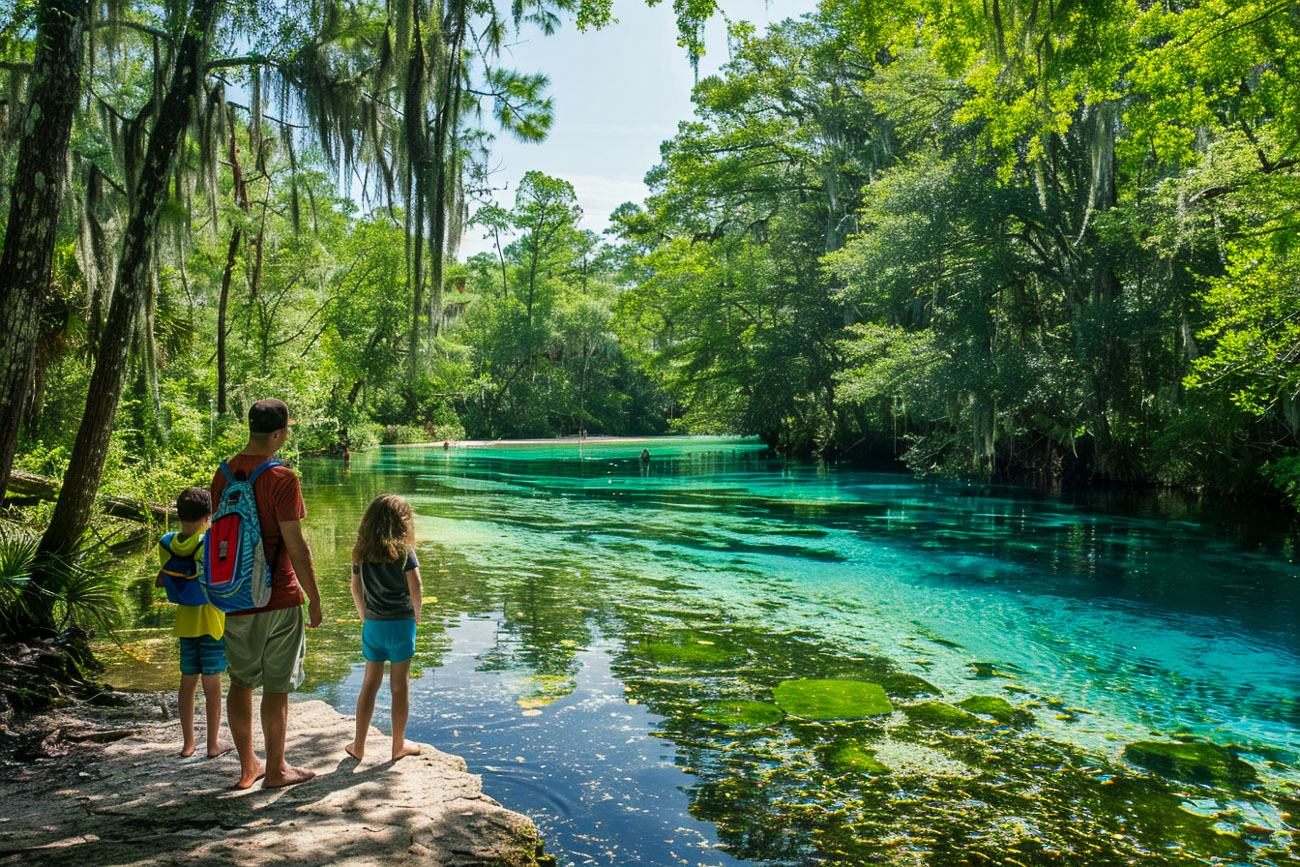
Florida’s freshwater springs are some of the most distinctive outdoor experiences for families because they combine clear water, swimming, paddling, snorkeling, wildlife, and easy access to state parks.
The best spring depends on what your family wants to do. Some are better for swimming, others for tubing or paddling, and a few are especially good for wildlife viewing.
Which Florida Springs Are Best With Kids?
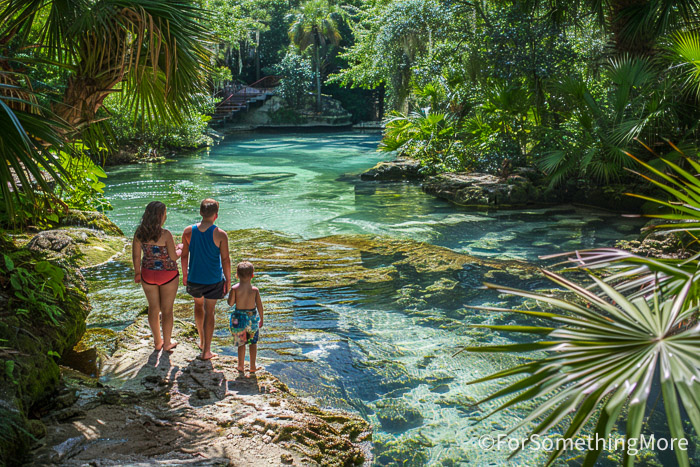
Silver Springs, Rainbow Springs, Ichetucknee Springs, Blue Spring, and Weeki Wachee are all strong options, but they offer very different experiences.
A simple way to think about them:
- Silver Springs State Park: glass-bottom boats, paddling, wildlife
- Rainbow Springs State Park: swimming, waterfalls, paddling
- Ichetucknee Springs State Park: tubing and river floating
- Blue Spring State Park: swimming in warmer months and manatee viewing during cooler periods
- Weeki Wachee Springs State Park: paddling and spring-fed river scenery
Families do not need to visit several springs in one trip. Choosing one or two that match your priorities usually works better than turning the trip into a checklist.
What Can Kids Actually Do at Florida Springs?
Kids can swim, snorkel, paddle, tube, take boat tours, and watch wildlife depending on the spring and current conditions.
The main activities vary by location, so it helps to decide what your family actually wants before choosing the park.
If swimming is the priority, look for designated swimming areas and easy shoreline access.
If paddling is more important, focus on springs with established river routes and rental or launch options.
For younger kids, boat tours and short paddles may be easier than a full tubing or snorkeling day.
Are Florida Springs Good for Younger Children?
Yes, many springs work well for younger children when families choose developed areas with easy access and age-appropriate activities.
The most useful features for younger kids include:
- Designated swimming areas
- Short walks
- Restrooms and picnic areas
- Easy water access
- Short boat rides
- Calm paddling routes
Parents should still consider swimming ability, water temperature, and how long children will be in the water.
With younger kids, a spring visit often works best as a half-day activity rather than an all-day water session.
How Cold Is the Water in Florida Springs?
Florida spring water stays relatively cool year-round, so families should expect it to feel much colder than a heated pool even on a hot day.
That can be refreshing for adults, but kids may tire faster than expected.
A child who is happy swimming for an hour in warm water may want frequent breaks in a cooler spring.
Helpful items can include:
- Rash guards
- Quick-drying towels
- Water shoes
- Dry clothes
- Sun protection
- Warm layer for after swimming
The main planning point is simple: do not judge the water experience by the air temperature alone.
Where Can Families See Manatees?
Blue Spring State Park is one of Florida’s best-known places for seasonal manatee viewing, especially during cooler periods when manatees seek warmer spring water.
Families should not assume manatees will be present at every spring or on every visit.
Wildlife viewing depends on season, water conditions, and animal behavior.
If manatees are a priority, check current park information before planning the day.
Families should also observe from a respectful distance and follow all posted wildlife rules.
Should Families Swim, Paddle, or Tube?
The best activity depends on your children’s ages, swimming ability, and how much structure your family wants.
Swimming works well for families who want a simple, flexible visit.
Paddling is better for families who enjoy exploring and can handle a longer outing.
Tubing can be fun for older kids, but it is less flexible once you are committed to a river route.
Before choosing, consider:
- Water temperature
- Trip duration
- Current
- Exit points
- Minimum ages
- Swimming ability
- Whether gear is available on site
Most families underestimate how tiring repeated water activities can be. One major spring activity is usually enough for the day.
What Should Families Know About Wildlife Around Springs?
Florida springs support a wide range of wildlife, and families should treat the water and shoreline as natural habitats rather than controlled recreation areas.
Depending on the location, you may see:
- Manatees
- Turtles
- Fish
- Birds
- Alligators
- Other freshwater wildlife
Keep children close near shorelines and follow park instructions.
Never feed wildlife, and do not assume an animal is safe to approach because it appears calm.
How Should Families Plan a Spring Day?
A spring day works best when families arrive early, choose one primary activity, and leave enough time for breaks.
A simple rhythm might be:
- Arrive in the morning
- Swim, paddle, tube, or take a boat tour
- Eat lunch or take a substantial break
- Add one shorter activity if everyone still has energy
Popular springs can reach capacity during busy periods, so early arrival can also reduce stress.
Florida State Parks provides official information on swimming, paddling, wildlife, hours, closures, and capacity limits at individual spring parks, making it the best place to check current conditions before visiting.
Planning Takeaway
Choose a Florida spring based on the experience your family actually wants.
Pick Silver Springs for boat tours and wildlife, Rainbow Springs for swimming, Ichetucknee for tubing, Blue Spring for seasonal manatee viewing, or Weeki Wachee for paddling.
The best spring visit is usually one that stays simple: one main activity, plenty of breaks, and enough flexibility to adjust if the water feels colder or the kids tire faster than expected.
Where Can Families Paddle and See Wildlife in Florida?
Florida is one of the best places for families to combine paddling with wildlife viewing because springs, rivers, mangrove tunnels, estuaries, and wetlands offer a wide range of calm and more adventurous routes.
The right paddle depends on your children’s age, swimming ability, and experience. Some routes are easy introductions to kayaking, while others involve tides, open water, or more remote conditions that are better suited to experienced families or guided trips.
Where Are the Best Family Paddling Areas?
Florida offers strong family paddling in both freshwater and coastal environments.
Good options include:
- Weeki Wachee River
- Ichetucknee River
- Silver River
- Everglades National Park
- Ten Thousand Islands
- Florida Keys mangroves
Spring-fed rivers are often the easiest starting point for families because the water can be calmer and the routes more straightforward.
Mangrove and wetland paddles can feel more adventurous, but they may require better navigation, tide awareness, and comfort around wildlife.
Should Families Kayak Independently or Use a Guide?
Independent paddling can work well on established routes, while guided trips are often the better choice when wildlife, tides, or navigation make the route more complicated.
A guide is especially useful when:
- You are unfamiliar with the area
- Tides affect the route
- Mangrove channels are confusing
- Wildlife is a major reason for the trip
- Your kids are new to paddling
- The route is more remote
With younger kids, tandem kayaks or canoes can make the outing easier because an adult can control most of the paddling.
A shorter guided trip is usually a better first experience than committing children to a long route they cannot easily leave.
What Wildlife Might Families See?
Families may encounter a wide range of wildlife while paddling, but sightings should never be treated as guaranteed.
Depending on the region, you may see:
- Manatees
- Dolphins
- Alligators
- American crocodiles
- Turtles
- Wading birds
- Fish
- Rays
- Other marine wildlife
The environment itself is often just as important as the wildlife.
A quiet paddle through a mangrove tunnel or cypress-lined river can be worthwhile even if the most hoped-for animal never appears.
How Should Families Handle Alligator and Crocodile Safety?
Families should give alligators and crocodiles plenty of space, follow local guidance, and never attempt to approach or feed them.
The basic rules are straightforward:
- Keep children close near shorelines
- Never feed wildlife
- Do not paddle directly toward animals
- Respect posted closures and warnings
- Follow guide instructions
- Avoid allowing children to trail hands or feet in the water unnecessarily
Florida wildlife is accustomed to people in many popular areas, but that does not make it tame.
Parents should also avoid creating unnecessary fear. The goal is to teach children to observe wildlife calmly and respectfully from a distance.
Are the Everglades Good for Family Paddling?
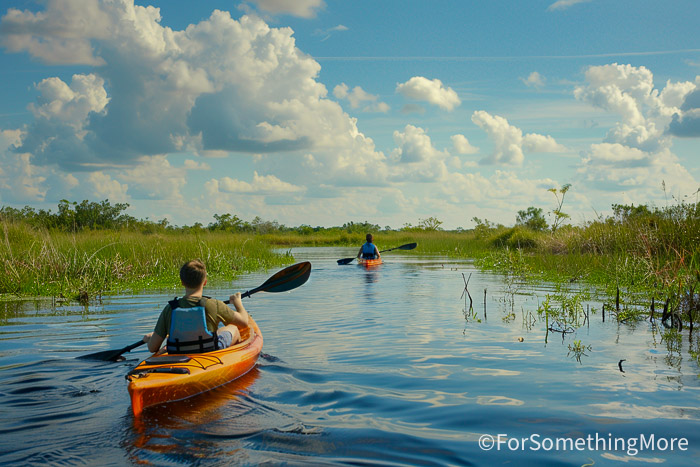
Yes, the Everglades can be an excellent family paddling destination when families choose routes suited to their experience and current conditions.
The Everglades are different from Florida’s spring rivers.
Depending on the route, families may deal with:
- Tides
- Mangroves
- Wind
- Heat
- Mosquitoes
- Limited shade
- More remote conditions
For first-time visitors, a guided paddle can make the experience easier and more informative.
Everglades National Park provides official information on paddling routes, wildlife, weather, and visitor safety that families should review before heading onto the water.
What Should Families Bring for a Florida Paddle?
Families should prepare for sun, heat, water exposure, and changing weather even on relatively short outings.
Useful items include:
- Properly fitted PFDs
- Drinking water
- Sun protection
- Hats
- Quick-drying clothing
- Water shoes
- Dry bag
- Snacks
- Insect repellent where appropriate
- Lightweight rain protection
Heat can become the limiting factor long before the paddling itself does.
Most families underestimate how tiring direct sun and humidity can become when children are sitting low over reflective water.
How Long Should a Family Paddle Be?
For younger or inexperienced kids, one to two hours is often enough for a first paddling experience.
Older children who already enjoy kayaking may be comfortable with longer outings.
Before choosing a route, consider:
- Total distance
- Current
- Wind
- Tide
- Number of rest opportunities
- Shade
- Exit points
A route that looks short on a map can take considerably longer if children are paddling slowly or conditions change.
Planning Takeaway
Florida’s best family paddling trips match the water conditions to the family’s actual experience.
Spring-fed rivers such as Weeki Wachee and Ichetucknee can provide a gentler introduction, while the Everglades, Ten Thousand Islands, and Florida Keys offer more complex wildlife and mangrove experiences.
Start with the simplest route that still feels interesting. If the kids finish wanting to paddle farther next time, the outing was probably the right length.
Which Florida Beaches and Coastal Areas Are Best for Outdoor Families?
Florida’s best beaches for active families are the ones that offer more than sand and swimming, with opportunities for paddling, wildlife watching, snorkeling, shelling, and short coastal walks.
The right coast depends on what your family wants from the water. Gulf Coast destinations often have calmer conditions and barrier-island scenery, while Atlantic beaches can offer more wave action, surfing, and long stretches of open shoreline.
Gulf Coast or Atlantic Coast: Which Is Better With Kids?
The Gulf Coast generally works well for families looking for calmer water and easier beach days, while the Atlantic Coast is better for families who enjoy waves, surfing, and a more energetic ocean environment.
A simple comparison:
| Coast | Best For |
|---|---|
| Gulf Coast | Calmer water, barrier islands, shelling, paddling |
| Atlantic Coast | Waves, surfing, long beaches, coastal exploration |
That does not mean every Gulf beach is calm or every Atlantic beach is rough. Wind, storms, tides, and local geography can change conditions quickly.
With younger kids, calmer water may make swimming days easier to manage, but families should still pay attention to currents and posted warnings.
Which Coastal Areas Are Worth Considering?
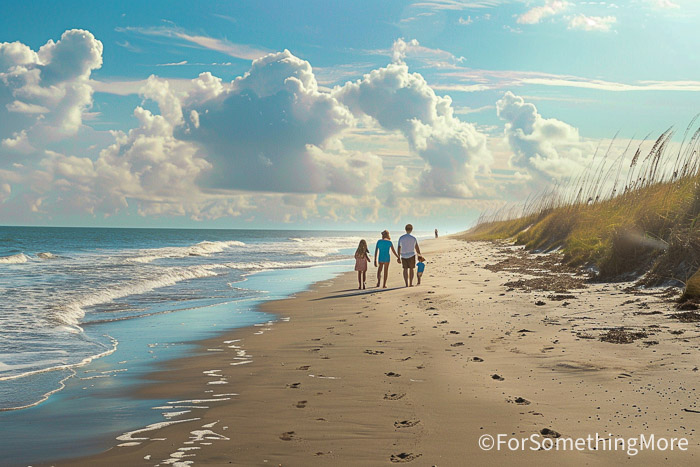
Sanibel and Captiva, Anna Maria Island, Canaveral National Seashore, Gulf Islands National Seashore, and the Florida Keys all offer strong outdoor experiences for families.
Each works differently.
Sanibel and Captiva are especially well known for:
- Shelling
- Wildlife
- Quiet beaches
- Cycling
- Paddling
Anna Maria Island works well for families who want easy beach access with a slower coastal feel.
Canaveral National Seashore offers a more undeveloped Atlantic Coast experience with beaches, wildlife, and protected coastal habitat.
Gulf Islands National Seashore provides long stretches of sand, dunes, and coastal ecosystems along the Gulf.
The Florida Keys are the strongest option when snorkeling, boating, and marine wildlife matter more than traditional beach time.
What Can Kids Do Beyond Sitting on the Beach?
Florida’s coastal areas can support full outdoor days without requiring families to spend hours simply sitting in the sand.
Depending on the destination, kids can:
- Swim
- Snorkel
- Kayak
- Paddleboard
- Look for shells
- Watch shorebirds
- Explore tide lines
- Take short nature walks
- Fish where permitted
- Look for dolphins or other marine wildlife
For younger kids, beach exploration itself can be enough. Shells, driftwood, shallow water, and wildlife can hold attention longer than parents expect.
Older kids may enjoy adding snorkeling, kayaking, or fishing to make the day feel more active.
Are Florida Beaches Good for Snorkeling?
Some Florida coastal areas are much better for snorkeling than others.
The Florida Keys stand out because clear water and marine ecosystems make snorkeling a meaningful part of the trip rather than an occasional beach activity.
In other coastal areas, visibility may be lower and snorkeling may be more dependent on conditions.
Families should choose snorkeling destinations based on actual water clarity, entry conditions, and local marine features rather than assuming every Florida beach offers the same experience.
With children, shore-entry snorkeling can be easier than boat-based snorkeling, but swimming ability and water conditions still matter.
What Should Families Know About Heat and Sun?
A beach morning can be a substantial outdoor activity once swimming, direct sun, humidity, and reflective sand are combined.
Families should plan beach days with the same attention to energy and hydration as they would a hike or paddle.
Useful items include:
- Shade
- Hats
- Sunscreen
- Rash guards
- Drinking water
- Snacks
- Dry clothing
- Water shoes where needed
Most families underestimate how tiring repeated swimming can be when combined with strong sun and heat.
An early start followed by a shaded break or slower afternoon often works better than trying to stay on the beach from morning until late afternoon.
How Should Families Think About Water Safety?
Families should check local beach conditions rather than assuming a familiar-looking shoreline is safe for swimming.
Pay attention to:
- Rip current warnings
- Surf conditions
- Tides
- Jellyfish or marine-life advisories
- Thunderstorms
- Lifeguard availability
- Posted beach flags
Children who swim confidently in pools may still struggle with waves, currents, and uneven footing.
Parents should also keep younger kids within close reach around surf even when the water appears shallow.
Can Coastal Areas Work as Rest Days?
Yes, beach and coastal days can work well as lower-intensity days, but they are not always true rest days.
Swimming, sun, walking in sand, and paddling all require energy.
If the goal is recovery between more active adventures, keep the day flexible and avoid automatically adding multiple water activities.
A simple beach morning followed by lunch and a quiet afternoon may provide more recovery than a full day of swimming, snorkeling, and kayaking.
Which Protected Coastal Areas Are Best for Nature-Focused Families?
National seashores and other protected coastal areas are especially useful for families who want less-developed beaches and more emphasis on natural landscapes.
Canaveral National Seashore and Gulf Islands National Seashore both offer long stretches of protected coastline where beaches, dunes, wildlife, and coastal habitats are central to the experience.
The National Park Service provides current information on access, beach conditions, wildlife, closures, and visitor safety for protected coastal areas such as Canaveral National Seashore and Gulf Islands National Seashore.
Planning Takeaway
Choose Florida’s coast based on the kind of outdoor day your family wants.
The Gulf Coast is a strong choice for calmer water, shelling, and barrier-island exploration. The Atlantic Coast works well for waves, long beaches, and surf-oriented activities. The Florida Keys are better for snorkeling and marine adventures, while national seashores suit families who prefer quieter, less-developed coastal environments.
The best beach day with kids usually includes one main activity, plenty of shade and water, and enough flexibility to stop before everyone is exhausted.
Which Lesser-Known Florida Parks Are Worth Visiting With Kids?
Florida’s lesser-known parks are worth adding to a family trip because they offer forests, rivers, caves, wetlands, wildlife, and quieter trails without the crowds associated with the state’s biggest attractions.
These parks also help balance a water-heavy Florida itinerary. After several days of swimming, paddling, or beach time, a boardwalk, short hike, bike ride, or cave tour can give kids a completely different kind of outdoor experience.
Which Florida Parks Offer Something Different?
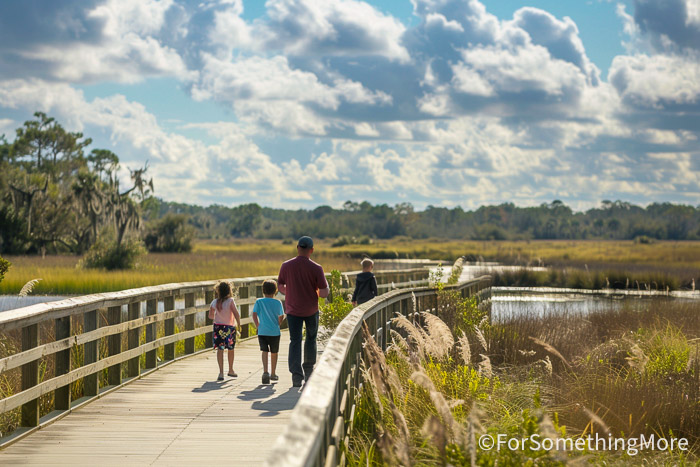
Myakka River, Highlands Hammock, Paynes Prairie Preserve, Jonathan Dickinson, and Florida Caverns are all strong options because each shows families a different side of Florida.
Consider:
- Myakka River State Park for wetlands, wildlife, paddling, and trails
- Highlands Hammock State Park for old-growth hammock forest and boardwalk-style exploration
- Paynes Prairie Preserve State Park for open prairie, wildlife, and observation areas
- Jonathan Dickinson State Park for hiking, paddling, cycling, and diverse South Florida habitats
- Florida Caverns State Park for cave tours and a landscape that feels very different from coastal Florida
Rather than trying to visit several, choose the park that best complements the rest of your itinerary.
Is Hiking in Florida Worth Doing With Kids?
Yes, hiking in Florida is worthwhile when families approach it as ecosystem exploration rather than expecting mountain scenery or significant elevation.
Florida trails can take families through:
- Cypress wetlands
- Pine flatwoods
- Hammocks
- Prairie
- Coastal environments
- River corridors
Short trails often work particularly well with children because wildlife and changing vegetation provide frequent things to stop and investigate.
The terrain may look easy on paper, but environmental conditions can change how difficult it feels.
What Can Kids Do Besides Hike?
Many Florida parks offer enough variety that hiking does not need to be the only reason to visit.
Depending on the park, families may be able to:
- Paddle
- Cycle
- Camp
- Watch wildlife
- Explore boardwalks
- Take cave tours
- Fish where permitted
- Picnic
- Visit observation areas
This flexibility can be useful with mixed-age families.
One child may be happy hiking for several miles while another is much more interested in paddling or looking for wildlife. Parks with several activity options make it easier to keep everyone engaged without changing destinations.
Which Park Is Best for Wildlife?
Myakka River State Park and Paynes Prairie Preserve State Park are especially strong choices for families interested in wildlife.
Possible sightings can include:
- Alligators
- Deer
- Turtles
- Wading birds
- Raptors
- Other native wildlife
At Paynes Prairie, families may also have opportunities to see larger grazing animals, although wildlife sightings should never be treated as guaranteed.
The best approach is to treat seeing specific animals as a bonus rather than the sole purpose of the visit.
Early mornings and quieter parts of the day can sometimes provide better wildlife-viewing conditions than the hottest afternoon hours.
Is Florida Caverns State Park Good With Kids?
Florida Caverns State Park is a particularly unusual option because families can experience underground limestone formations rather than another beach, spring, or wetland.
Guided cave tours can provide a useful change of pace during a Florida road trip.
Before visiting, families should check:
- Current tour availability
- Age considerations
- Walking surfaces
- Stairs
- Cave temperatures
- Tour duration
- Appropriate footwear
Younger children who are uncomfortable in dark or enclosed spaces may prefer the park’s outdoor areas instead.
What Should Families Know About Heat and Bugs?
Heat, humidity, and insects can make an otherwise easy Florida trail considerably more demanding.
A flat three-mile hike may require more effort than expected when there is limited shade and high humidity.
Useful preparation includes:
- Plenty of water
- Sun protection
- Lightweight clothing
- Insect repellent where appropriate
- Comfortable closed-toe shoes
- Earlier start times
Mosquitoes can vary significantly by season, location, and recent weather.
Families should also check trail conditions after heavy rain, particularly in wetland environments where sections can become muddy or flooded.
How Long Should Families Spend at a Florida State Park?
A half day is enough for many family park visits, while parks offering several activities can easily fill a full day.
A practical visit might include:
- One short or moderate trail
- Wildlife viewing
- Picnic or lunch break
- One additional activity such as paddling, cycling, or a cave tour
There is rarely a need to complete every trail.
With younger kids, stopping while everyone is still enjoying the park generally works better than extending the visit simply because more trails are available.
Florida State Parks provides park-specific information about trails, facilities, wildlife, closures, and current conditions, making it a useful official resource to check before visiting any state park.
Planning Takeaway
Florida’s lesser-known parks are best used to add variety and quieter outdoor experiences to a trip built around springs, beaches, and paddling.
Choose Myakka River or Paynes Prairie for wildlife, Highlands Hammock for forests and shorter exploration, Jonathan Dickinson for a mix of outdoor activities, or Florida Caverns for something completely different.
You do not need to visit many parks for them to improve the trip. One well-chosen state park can show your kids a side of Florida that is easy to miss when the vacation is focused entirely on beaches and major attractions.
What Does a Realistic 7-Day Florida Outdoor Family Trip Look Like?
A realistic seven-day Florida outdoor trip should focus on one or two regions, with one main outdoor experience per day and enough flexibility for heat, storms, and changing energy levels.
Trying to cover springs, the Everglades, the Keys, and both coasts in one week usually creates too much driving. Families generally get more from choosing a tighter geographic area and slowing the pace.
What Does a Central or North Florida Itinerary Look Like?
A Central or North Florida trip works well for families who want springs, paddling, state parks, and a mix of inland and coastal experiences.
A simple seven-day framework could look like:
- Day 1: Arrival and easy outdoor exploration
- Day 2: Freshwater spring
- Day 3: Paddling or wildlife experience
- Day 4: Flexible or rest day
- Day 5: State park or second spring
- Day 6: Beach or coastal adventure
- Day 7: Departure or onward travel
The goal is not to fill every day from morning to evening.
A spring day can already include swimming, walking, wildlife, and several hours in the sun, so adding a second major activity may create more fatigue than the schedule suggests.
What Does a South Florida Itinerary Look Like?
A South Florida itinerary works best when families combine the Everglades, the Keys, and nearby coastal experiences without repeatedly backtracking.
A practical structure might be:
- Day 1: Arrival in South Florida
- Day 2: Everglades wildlife experience
- Day 3: Short paddle or boardwalk day
- Day 4: Transfer toward the Florida Keys
- Day 5: Snorkeling or marine activity
- Day 6: Beach, paddling, or easier island exploration
- Day 7: Departure
With younger kids, the transfer day should stay light.
It is usually better to arrive, settle in, and take a short walk or swim than to immediately schedule another major excursion.
How Many Major Activities Should Families Plan Each Day?
One substantial outdoor experience per day is usually enough when swimming, paddling, heat, or long drives are involved.
A realistic day could include:
- One primary activity
- Lunch or a substantial break
- A shorter secondary activity if everyone still has energy
- Flexible downtime
Most families underestimate cumulative fatigue in Florida because many activities look easy on paper.
A two-hour paddle, a beach morning, or several hours at a spring can be physically demanding once sun, humidity, swimming, and travel time are included.
Should Families Road-Trip Across Florida?
A Florida road trip works best when destinations are clustered geographically rather than spread across the entire state.
Good combinations include:
- Central Florida + nearby springs
- North-Central Florida + Gulf Coast
- Everglades + Florida Keys
- Atlantic Coast + nearby state parks
This approach reduces:
- Long driving days
- Frequent hotel changes
- Repeated packing
- Pressure to rush outdoor experiences
For a one-week trip, one or two bases is usually enough.
Families with more time can add another region, but the extra stop should provide a genuinely different experience rather than simply adding mileage.
How Should Families Plan Around Weather?
Families should build flexibility into the schedule because heat, thunderstorms, and water conditions can change outdoor plans quickly.
Earlier mornings often work best for:
- Paddling
- Wildlife viewing
- Hiking
- Beach time
- Springs
Afternoons can be better suited to:
- Swimming
- Relaxed meals
- Shorter activities
- Indoor breaks
- Travel between bases
A flexible day is especially useful.
If weather cancels a major paddle or wildlife excursion, you can move it without disrupting the rest of the trip.
How Should Families Balance Water and Land Activities?
Alternating water days with land-based experiences usually creates better pacing than scheduling several water-heavy days in a row.
For example:
- Spring day
- State park day
- Paddle day
- Flexible day
- Beach day
This gives children time to recover from repeated swimming, sun exposure, and wet gear.
It also helps keep the trip varied.
What Should Families Do If Kids Get Tired Earlier Than Expected?
Shorten the day rather than trying to complete the original plan.
The best Florida family itineraries are built around optionality.
If the kids are tired, you can:
- Skip the second activity
- Leave the beach earlier
- Choose a shorter trail
- Swap a paddle for a boat tour
- Move a major activity to the flexible day
That is not a failed itinerary.
It is good family pacing.
Planning Takeaway
A seven-day Florida outdoor trip works best when families choose one or two regions, plan one meaningful outdoor activity per day, and leave room to adjust for heat, weather, and energy.
Florida with kids is easiest when the itinerary stays geographically simple. Pick a few strong experiences, avoid unnecessary backtracking, and give the family enough time to actually enjoy springs, wildlife, paddling, beaches, and parks rather than rushing between them.
Final Thoughts – Florida with kids
Florida with kids is very achievable when you choose a region that matches your family’s interests and build the trip around a manageable mix of springs, wildlife, paddling, beaches, and parks. This guide is best suited to families who want an active Florida vacation but still value flexibility, shorter driving days, and enough variety to adjust the pace when needed.
Outdoor days in Florida can feel more tiring than the itinerary suggests because heat, humidity, sun, and repeated water activities all add to the effort. With realistic expectations and a simple regional plan, you can create a Florida family adventure that feels varied, practical, and easy to navigate without trying to see everything at once.
FAQs – Outdoor Things to do in Florida with Kids
- Q: What are the best outdoor things to do in Florida with kids? A: Some of the best outdoor experiences include swimming in freshwater springs, kayaking, wildlife viewing, snorkeling, visiting state parks, exploring beaches, and taking short nature hikes.
- Q: Is Florida with kids worth visiting without going to theme parks? A: Yes. Florida offers enough springs, beaches, wildlife areas, paddling routes, and parks to build an entire family vacation without relying on theme parks.
- Q: What part of Florida is best for an outdoor family vacation? A: The best region depends on your priorities. North-Central Florida is strong for springs, South Florida for the Everglades and wildlife, the Gulf Coast for beaches and paddling, and the Florida Keys for snorkeling and marine adventures.
- Q: What are the best Florida springs for families? A: Silver Springs, Rainbow Springs, Ichetucknee Springs, Blue Spring, and Weeki Wachee are all strong choices, but they are best for different activities such as swimming, tubing, paddling, boat tours, or seasonal manatee viewing.
- Q: Can kids kayak in Florida? A: Yes. Many Florida rivers, springs, and coastal areas offer family-friendly paddling, although route length, current, tides, heat, and wildlife should all be considered when choosing where to go.
- Q: Is the Everglades good to visit with kids? A: Yes. The Everglades can be a very rewarding family destination for wildlife viewing, boardwalks, boat trips, and paddling, especially when families choose age-appropriate activities and plan around heat and weather.
- Q: Are Florida beaches good for active families? A: Yes. Many beaches also offer snorkeling, kayaking, shelling, wildlife watching, fishing, and short coastal walks, making them useful for families who want more than a traditional beach day.
- Q: Which coast of Florida is better with kids? A: The Gulf Coast often appeals to families looking for calmer water, barrier islands, and shelling, while the Atlantic Coast is a better fit for waves, surfing, and long open beaches.
- Q: Is the Florida Keys a good destination with kids? A: Yes. The Florida Keys are especially good for families interested in snorkeling, boating, marine wildlife, kayaking, and a slower island-style outdoor vacation.
- Q: What are some lesser-known Florida parks to visit with kids? A: Myakka River State Park, Highlands Hammock State Park, Paynes Prairie Preserve State Park, Jonathan Dickinson State Park, and Florida Caverns State Park all offer distinctive outdoor experiences.
- Q: How many activities should families plan each day in Florida? A: One main outdoor activity per day is usually enough, especially when swimming, paddling, heat, humidity, and driving are involved.
- Q: Is Florida easy to road trip with kids? A: Yes, but families should cluster destinations geographically. One or two well-chosen bases usually work better than trying to cross large parts of the state repeatedly.
- Q: What is the best time of day for outdoor activities in Florida? A: Earlier mornings are often best for hiking, paddling, wildlife viewing, and beaches because temperatures can be cooler and afternoon storms are common during warmer months.
- Q: How should families prepare for Florida heat and humidity? A: Plan shorter activities, carry plenty of water, use sun protection, take shade breaks, start earlier in the day, and leave room to shorten plans if children tire faster than expected.
- Q: Can families combine a Florida trip with a Caribbean cruise? A: Yes. Ports such as Miami, Fort Lauderdale, Port Canaveral, and Tampa make it relatively easy to add a few outdoor days in Florida before or after a Caribbean cruise.
+++BEFORE using this information, please read our Legal Disclaimer+++