

Table of Contents
The Alm System Explained
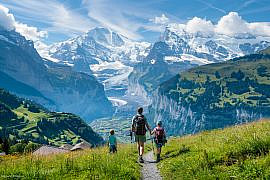
High in the Austrian Alps, hiking trails and working farms exist side by side in a landscape shaped as much by human care as by geology and climate. The open meadows, flower-filled slopes, and sweeping views that draw families into the mountains are not accidental. They are the result of generations of Austrian farming, practiced at altitude through a seasonal system that balances food production, land stewardship, and access to the high country.
As you hike through alpine pastures, pass grazing cattle, or stop at a mountain hut for fresh cheese, you are moving through a living agricultural system that continues to define alpine life. Understanding how alpine dairy farming works—and how closely it is connected to the trails you follow—adds depth to every walk and helps you move through these landscapes with confidence and respect. This guide explores how Austrian farming, hiking, and conservation come together in the Alps, offering practical insight for families who want their outdoor adventures to be both meaningful and responsible.
Austrian mountain farmers practice a seasonal migration system called “almwirtschaft.” Each spring, typically in June, cattle move from valley farms to high alpine pastures, or alms. They remain there through summer, returning to valley farms in September. This system allows farmers to preserve valley grass for winter hay while cattle graze the high meadows during the growing season.

Each alm operates as a self-contained dairy facility. Farmers or hired alm workers live on-site in simple buildings, milking cattle twice daily and processing milk into cheese and butter. These products traditionally sustained mountain workers through the summer, with surplus sold to valley markets. Modern alms continue these practices, though many now focus on producing premium cheese that commands higher prices.
The alm buildings themselves range from basic shelters to more developed facilities with electricity from solar panels or small hydroelectric systems. Most include living quarters, a milk processing room, and storage areas. Some have expanded to include small restaurants serving hikers, diversifying income beyond pure agriculture.
If you have any comments/questions, please leave them below.
Trail Access and Agricultural Operations

Hiking trails frequently cross active alpine pastures, creating interactions between recreationists and working farms. Most Austrian hiking routes use historic paths that connected alms to valleys, originally maintained for moving cattle and transporting dairy products. These trails now serve primarily recreational purposes while still functioning for agricultural access.
Trail routing through pastures follows certain conventions. Paths typically skirt the edges of grazing areas rather than crossing directly through prime grazing land. Gates and fences allow passage while containing cattle. Standard trail etiquette requires hikers to close gates behind them and maintain distance from livestock.
The presence of grazing cattle keeps alpine meadows open and prevents forest encroachment. Without regular grazing, many classic alpine views would gradually fill with shrubs and trees. Hiking tours in Austria benefit directly from this agricultural activity, as the maintained pastures create the distinctive landscape hikers seek.
Practical Guide: How You Can Respect Austrian Farming While Hiking
Hiking in the Alps often means moving directly through landscapes shaped and actively maintained by Austrian farming. Alpine pastures are not open wilderness; they are working agricultural spaces where cattle grazing, dairy production, and land stewardship continue throughout the hiking season. Understanding how to move responsibly through these areas protects your safety, supports farmers, and helps preserve access to trails for future visitors.
Why Hiking Etiquette Matters in Austrian Farming Landscapes
Most alpine trails exist because of farming. Routes connecting valleys to high pastures were built for livestock movement and dairy transport long before recreational hiking became popular. Today, hikers benefit from this infrastructure, but access depends on mutual respect.
Poor behavior around livestock, gates, or farm buildings creates real costs for farmers and increases pressure to restrict access. Responsible hiking supports the long-term coexistence of tourism and Austrian farming in the Alps.
How to Move Safely Around Grazing Cattle
Cattle grazing on alpine pastures are generally accustomed to people, but they are still large animals with protective instincts, particularly when calves are present.
Follow these practical guidelines:
- Keep a calm, steady pace and avoid sudden movements
- Maintain a wide berth when passing cattle, especially mothers with calves
- Do not attempt to pet, feed, or photograph animals at close range
- Step off the trail briefly if necessary rather than forcing your way through a herd
If cattle block the trail:
- Pause and assess whether an alternate path around the edge of the pasture is visible
- Walk slowly and confidently without making eye contact with animals
- Give the herd time to move on their own rather than pushing through
These practices are essential for safe hiking through alpine pastures and are widely recommended by Austrian alpine safety organizations.
Gates, Fences, and Trail Infrastructure
Gates and fences are essential tools in alpine pasture management. They allow farmers to control grazing patterns while still permitting public trail access.
You should always:
- Close gates immediately after passing through
- Avoid leaning on fences or damaging wire
- Use stiles or designated pass-throughs where provided
Leaving a gate open can result in cattle escaping into forests or onto roads, creating safety hazards and economic losses for farmers. Responsible gate use is one of the most basic but critical ways hikers can support Austrian farming.
Dogs and Alpine Pastures
Dogs present one of the most common sources of conflict between hikers and farmers. Even well-trained dogs can trigger defensive behavior in cattle.
Best practices include:
- Keep dogs leashed at all times on alpine pastures
- Choose alternate routes if your dog reacts strongly to livestock
- If cattle approach aggressively, release the leash so your dog can move away independently, then calmly retreat yourself
These guidelines are consistent with official recommendations from alpine safety authorities and are particularly important during peak grazing season from early summer through early autumn.
Staying on Trails and Protecting Grazing Land
Marked hiking trails are designed to minimize disruption to grazing areas. Leaving the trail may seem harmless, but repeated off-trail travel damages fragile alpine vegetation and reduces available forage.
To minimize impact:
- Stay on marked routes whenever possible
- Avoid shortcutting switchbacks across meadows
- Rest only in durable areas such as rocky outcrops or near trail junctions
By staying on established paths, you help preserve both biodiversity and the economic viability of alpine pasture farming.
Understanding Signage on Working Alms
Signs encountered on alpine pastures often communicate practical agricultural needs rather than restrictions aimed at hikers.
Common signage may indicate:
- Active grazing zones
- Temporary trail diversions
- Private farm buildings not open to visitors
- Requests related to gate use or dog control
These notices reflect daily operational realities of Austrian farming at high altitude. Respecting them helps maintain the trust that allows hikers continued access through working landscapes.
Where to Learn More About Responsible Alpine Access
For detailed, region-wide guidance on hiking safety and land access in Austria, consult the Austrian Alpine Club, which provides up-to-date recommendations on trail use, livestock interactions, and alpine safety.
This guidance aligns closely with how alpine farmers, conservation groups, and trail managers work together to balance recreation and agriculture.
Moving responsibly through alpine pastures is not just good etiquette; it is a practical contribution to sustaining Austrian farming traditions that keep these landscapes open, accessible, and worth exploring.
What You Should Know About Austrian Farming Laws and Land Access
When you hike in the Alps, you are often traveling through privately managed agricultural land that remains accessible because of long-standing legal frameworks and mutual trust between farmers and the public. Understanding how land access works in Austria helps you move confidently through alpine areas while respecting the legal realities that underpin Austrian farming.
Public Access Rights in the Austrian Alps
Austria follows a relatively open access model for mountain areas, but this access is not unlimited or unconditional. Hiking is generally permitted on marked trails, even when those trails cross privately owned alpine pastures used for dairy farming and livestock grazing.
Key principles you should understand:
- Access is typically allowed only on designated trails and paths
- The right to pass through does not extend to unrestricted use of land
- Agricultural activity always takes priority over recreation
This balance allows Austrian farming to continue while still supporting one of Europe’s most extensive hiking networks.
Private Land, Public Trails, and Shared Responsibility
Most alpine pastures are privately owned or managed by farming families, cooperatives, or local agricultural associations. Trails crossing these areas exist because landowners permit access, often without compensation.
As a hiker, this means:
- You are a guest on working farmland
- Trail access depends on continued responsible use
- Misuse can result in temporary or permanent trail closures
Farmers maintain paths, gates, and signage largely at their own expense. Respectful behavior directly affects whether access remains available.
Seasonal Restrictions and Grazing Cycles
Austrian farming in the Alps follows strict seasonal rhythms. Grazing typically occurs from late spring through early autumn, and trail conditions change accordingly.
During active grazing season:
- Livestock may occupy areas immediately adjacent to trails
- Temporary fencing or rerouted paths may be installed
- Certain sections may close briefly during cattle movement
You should always follow posted notices and be prepared for short detours. These adjustments reflect real-time agricultural needs rather than permanent access changes.
Liability and Safety Considerations
A common concern among hikers is liability when moving through areas with livestock. Austrian law generally places responsibility on individuals to assess risk when entering natural and agricultural environments.
In practical terms:
- Farmers are not automatically liable for injuries caused by livestock behaving normally
- Hikers are expected to act with reasonable caution
- Ignoring posted warnings may limit legal recourse
This framework supports Austrian farming by reducing legal exposure while encouraging hikers to make informed decisions.
Buildings, Equipment, and Farm Infrastructure
Farm buildings, milking rooms, storage sheds, and equipment areas are part of active agricultural operations. Even when located near trails, these spaces are not public facilities unless explicitly marked as such.
You should:
- Avoid entering buildings unless clearly designated for visitors
- Keep children from climbing on equipment or stacked materials
- Respect signs indicating private or restricted areas
Clear boundaries allow farmers to work efficiently while still welcoming hikers where appropriate.
Camping, Picnicking, and Overnight Stays
Wild camping is generally restricted in Austria and often prohibited on alpine pastures used for farming. Picnicking is typically tolerated near trails, provided it does not interfere with livestock or agricultural work.
Important considerations:
- Overnight stays are usually allowed only at designated huts or guest alms
- Fires are strictly regulated and often prohibited
- Leaving no trace is essential in grazing areas
When alms offer food or accommodation, these services operate under specific permits tied to farming operations and tourism regulations.
Authoritative Guidance on Alpine Access
For current, regionally accurate information on land access, liability, and trail use, consult the Austrian Alpine Club, which works closely with landowners and farming associations.
Their guidance reflects nationally recognized standards for balancing recreation with Austrian farming and land management.
Understanding how land access laws intersect with alpine agriculture allows you to hike responsibly, reduce conflict, and support the systems that keep Austria’s mountain landscapes open and productive.
Cheese Production at High Altitude

Traditional alm cheese production follows time-tested methods adapted to mountain conditions. Fresh milk, still warm from milking, goes directly into large copper kettles. Heating over wood fires and adding rennet begins the transformation. The process requires skill—judging temperatures without thermometers, knowing when curds reach proper consistency, and managing variables that shift with weather and fodder quality.
Different regions produce distinct cheese varieties. Vorarlberg alms often make Alpkäse, a hard mountain cheese that ages for months. Tyrolean operations might produce Graukäse, a sour milk cheese with virtually no fat content. Salzburg’s alms are known for Almkäse, featuring a robust flavor from high-altitude herbs in the cattle’s diet.
The cheeses develop unique characteristics from their production environment. Bacteria and yeasts present in mountain air influence fermentation. The specific mix of grasses and wildflowers cattle eat affects milk composition and flavor. Cellars carved into hillsides provide consistent cool temperatures for aging.
Economic Pressures on Mountain Agriculture
Maintaining alm operations faces increasing economic challenges. The work is physically demanding, requiring long hours with minimal amenities. Finding workers willing to spend summers isolated at high elevations has become difficult. Many young people from farming families pursue other careers, leaving aging farmers without succession plans.
Cost structures often favor valley-based dairy operations. Transportation expenses for getting products to market and supplies to remote locations cut into margins. Lower production volumes compared to industrial dairies mean higher per-unit costs. Support from tourism provides crucial supplemental income for many alm operations.
Government programs recognize the cultural and environmental value of maintaining alpine farming. Subsidies help cover operational costs and provide incentives for following traditional practices. These payments acknowledge that alm farming preserves landscapes and biodiversity beyond pure agricultural output.
Hiker Services and Farm Income
Many alms have adapted by offering services to hikers. Simple meals—typically bread, cheese, and cured meats from the farm—provide refreshment and generate income. Some alms maintain guest rooms, allowing overnight stays in working farm environments. These tourism activities help make alm operations financially viable.
The hospitality side requires balancing agricultural work with visitor services. Morning and evening milking times remain non-negotiable, but between these tasks, farmers can serve meals and interact with guests. Many hikers specifically seek out alm experiences, valuing the authentic connection to mountain farming traditions.
Product sales directly to hikers bypass distribution costs and allow premium pricing. A wheel of cheese sold at the alm generates more profit than the same product sold through valley shops. This direct-to-consumer model has become an important revenue stream, encouraged by tourism marketing that promotes authentic alpine products.
Buying Cheese and Farm Products Directly From Alms: What to Expect
Purchasing food directly from alpine farms is one of the most tangible ways you can support Austrian farming while hiking in the Alps. Many alms sell products produced on-site or nearby, offering both practical trail food and a direct connection to mountain agriculture. Knowing what to expect helps you plan appropriately and avoid common misunderstandings.
What Products Are Commonly Available on Alms
Availability varies by region, size of the alm, and daily workload, but certain products are consistently offered across alpine pastures.
You can commonly expect:
- Alpine cheeses produced on-site or within the same valley
- Fresh or cultured dairy products depending on daily production schedules
- Bread, cured meats, or simple prepared meals made from local ingredients
- Non-alcoholic drinks and occasionally house-made syrups or juices
Cheese selection often reflects the stage of the season. Early summer cheeses may be younger and milder, while late-season offerings tend to be firmer and more developed.
Understanding Labels and Terminology
Product names on alms are tied closely to Austrian farming traditions and regional practices. Knowing a few key terms helps you understand what you are buying.
Common terms include:
- Almkäse, cheese produced during the summer grazing season on alpine pastures
- Alpkäse, typically a hard, aged mountain cheese from higher elevations
- Bergkäse, a broader term for mountain cheese that may be aged longer and produced year-round
These labels indicate production context rather than strict quality grades, but they reflect meaningful differences in farming practices and milk composition.
Pricing and Payment Realities
Prices on alms are often higher than in valley shops, reflecting the cost of high-altitude production and limited volume. In return, you are buying directly from the source without intermediaries.
Practical considerations include:
- Cash is often preferred or required
- Card payment may be unavailable due to limited connectivity
- Pricing reflects seasonal availability rather than standardized retail rates
Purchasing directly at the alm allows farmers to retain a greater share of the product’s value, supporting the economic sustainability of alpine dairy farming.
Storage and Transport for Hikers
If you plan to buy cheese or dairy products while hiking, preparation matters. Alpine products are generally robust but still require basic care.
Helpful tips include:
- Bring a small cloth or breathable bag rather than plastic
- Keep cheese out of direct sunlight
- Consume fresh products within the same day when possible
Hard alpine cheeses travel particularly well and are well-suited for multi-day hikes.
Buying With Respect for Farm Operations
Alms are working farms first and retail spaces second. Sales often happen alongside milking, cheese production, and livestock care.
To be considerate:
- Be patient during busy farming periods
- Follow posted signs regarding service times
- Avoid entering production areas unless invited
These courtesies allow farmers to balance visitor interaction with the demands of Austrian farming at altitude.
Why Direct Purchases Matter
Direct sales reduce transportation costs, limit waste, and provide farmers with immediate income. This model has become increasingly important as traditional dairy operations face economic pressure.
When you buy directly from an alm, you support:
- Continued use of alpine pastures
- Preservation of traditional cheese-making knowledge
- Viability of small-scale mountain farms
Learning More About Alpine Food Products
For authoritative information on Austrian regional food labeling and agricultural products, the Austrian Federal Ministry of Agriculture provides guidance on traditional food production and origin standards.
Buying farm products directly from alms transforms a simple food purchase into meaningful support for Austrian farming, while giving you a deeper understanding of how these landscapes are lived in and sustained.
Environmental and Conservation Aspects
Alpine pastures support biodiversity that differs from both lower elevation farmland and unmanaged mountain areas. The grazing patterns and intensity create habitat mosaics—closely cropped areas near water sources, lightly grazed zones farther out, and ungrazed rocky sections. This variety supports diverse plant and insect communities.
Certain rare plant species thrive specifically in grazed alpine meadows. These plants evolved with grazing pressure from wild ungulates and persist under managed cattle grazing, but disappear if grazing stops. Conservation organizations increasingly recognize that maintaining traditional alm farming preserves these species.
Manure from grazing cattle fertilizes alpine soils, supporting plant productivity. The nutrient cycling differs from unmanaged systems, creating distinctive vegetation communities. Researchers study these ecosystems to understand the long-term ecological effects of centuries of alpine pastoralism.
How Austrian Farming Shapes the Alpine Landscape You Experience as a Hiker
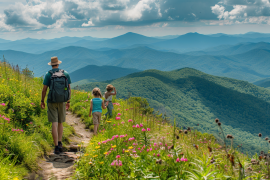
The open meadows, sweeping views, and flower-filled slopes you associate with hiking in the Alps are not purely natural landscapes. They are the result of centuries of Austrian farming practices that continue to shape how the mountains look, function, and feel today. Understanding this relationship helps you interpret the scenery around you and explains why farming remains essential to the hiking experience.
Alpine Meadows Are Maintained, Not Accidental
Without active grazing, much of the terrain you hike through would look very different. Alpine pastures exist because livestock regularly consume grasses and shrubs that would otherwise allow forests to reclaim these slopes.
Austrian farming maintains:
- Open grasslands at elevations where trees would naturally return
- Clear sightlines across valleys and ridgelines
- Stable soil structure on steep terrain
When grazing stops, shrubs and young trees begin to dominate within a few decades. Over time, this reduces visibility, alters trail conditions, and fundamentally changes the character of alpine hikes.
Why Grazing Prevents Forest Encroachment
Cattle grazing plays a specific ecological role in high-altitude environments. Unlike mowing or mechanical clearing, grazing creates uneven patterns of vegetation use that shape plant communities.
These effects include:
- Suppressing fast-growing woody plants
- Encouraging low-growing grasses and herbs
- Creating patchwork habitats across slopes
This mosaic landscape supports a wide range of plant and insect species while preserving the open terrain hikers expect. Austrian farming effectively acts as long-term landscape management rather than simple food production.
The Connection Between Pastures and Classic Alpine Views
Many iconic alpine viewpoints exist because grazing keeps slopes open well below the tree line. These expansive views are not guaranteed in unmanaged mountain environments.
As a hiker, you benefit from:
- Broad panoramas across valleys
- Visible trail routes across open terrain
- Reduced need for extensive trail clearing
These visual and practical advantages are direct outcomes of continued alpine pasture farming.
Wildflowers, Biodiversity, and Grazed Landscapes
Some of the most diverse plant communities in the Alps are found on actively grazed pastures. Moderate grazing pressure prevents dominant species from taking over, allowing a wide range of flowers and grasses to coexist.
Grazed alpine meadows often support:
- High densities of flowering plants during summer
- Specialized species adapted to nutrient-poor soils
- Insect populations tied to open grassland habitats
Many rare alpine plants decline when grazing stops, making Austrian farming an important tool for biodiversity conservation rather than a threat to it.
Trail Quality and Agricultural Land Management
Trail conditions are closely linked to how surrounding land is managed. Grazing keeps vegetation low near paths, improves visibility, and reduces the need for intensive trail maintenance.
From a practical perspective:
- Trails through pastures are easier to follow
- Vegetation encroachment is slower
- Seasonal maintenance costs are lower
This synergy allows extensive trail networks to exist across rugged terrain without constant mechanical intervention.
Long-Term Landscape Stewardship
Austrian farming in alpine regions represents one of Europe’s longest-running examples of human-managed mountain landscapes. The consistency of grazing over centuries has created stable ecosystems adapted to this pressure.
Researchers studying alpine environments increasingly recognize that:
- Removing grazing can destabilize existing ecosystems
- Cultural landscapes support distinct ecological communities
- Sustainable farming practices align with conservation goals
This understanding reinforces why maintaining alpine agriculture is central to preserving the landscapes hikers come to experience.
Further Reading on Alpine Cultural Landscapes
For a deeper, research-based overview of how traditional agriculture shapes mountain environments, the Austrian Federal Ministry of Agriculture, Forestry, Regions and Water Management provides extensive resources on alpine land use and conservation.
Recognizing the role of Austrian farming allows you to see alpine landscapes not as untouched wilderness, but as carefully maintained environments where agriculture, ecology, and recreation are inseparably linked.
The Alm Drive Tradition

Each autumn, the cattle drive down from alpine pastures has become a tourist attraction. Communities celebrate Almabtrieb with festivals featuring decorated cows, traditional music, and local food. These events draw substantial crowds and media attention, raising awareness of alpine farming’s cultural significance.
The decorated cattle wear elaborate headdresses of flowers and ribbons, with the most productive cow leading the herd. This tradition honors the animals and celebrates a successful summer season. Farmers take pride in their herds’ appearance, spending hours on decorations.
These festivals generate economic activity in mountain communities—hotel bookings, restaurant business, and sale of local products. They’ve become important cultural marketing, reinforcing the connection between Alpine identity and mountain farming traditions.
Future Prospects
The relationship between hiking tourism and alpine agriculture continues evolving. Both industries face pressures—hiking from overtourism concerns, farming from economic viability issues. Finding sustainable balance becomes increasingly important as both activities depend on preserving the mountain landscape’s character and accessibility.
Final Thoughts – Austrian Farming and Hiking Trails
The Austrian Alps are not just a destination for scenic hikes; they are a working landscape sustained by centuries of alpine farming. From the seasonal movement of cattle to high pastures, to the cheeses produced on remote alms, Austrian farming continues to shape the views, trails, and ecosystems that hikers experience today. These traditions persist not as relics of the past, but as active systems adapting to modern challenges.
When you hike with an understanding of how alpine agriculture functions, your experience becomes richer. Closing gates, respecting livestock, staying on trails, and supporting local farms are small actions that help preserve access to the mountains and the livelihoods that depend on them. For families exploring the Alps, this awareness fosters a deeper connection to place—one rooted in respect, curiosity, and shared responsibility.
By recognizing the role Austrian farming plays in maintaining alpine landscapes, you contribute to the balance between recreation and stewardship. The result is an outdoor experience that goes beyond scenery, offering a meaningful encounter with the cultural and environmental systems that make the Alps such a compelling place to explore.
FAQs – Austrian Farming and Hiking Trails
- Q: What is Austrian farming in the Alps, and how is it different from valley farming?
A: Austrian farming in the Alps is centered on seasonal high-altitude pasture use, known as almwirtschaft. Cattle are moved from permanent valley farms to alpine pastures during summer, where milk is processed directly into cheese and other dairy products. This system differs from valley farming because it relies on short growing seasons, remote locations, and on-site production rather than year-round mechanized agriculture. - Q: Are alpine pastures in Austria private property or public land?
A: Most alpine pastures are privately owned or managed by farming families or cooperatives, even when hiking trails cross them. Public access is generally permitted on marked trails, but hikers are guests on working agricultural land, and farming activities always take priority. - Q: Is it safe to hike through areas with grazing cattle in Austria?
A: Yes, hiking through grazing areas is common in the Austrian Alps, but it requires caution. You should keep your distance from cattle, avoid calves, move calmly, and follow posted guidance. These precautions reduce risk and help prevent conflicts between hikers and livestock. - Q: Why do hikers need to close gates on alpine trails?
A: Gates are essential tools in Austrian farming that control grazing patterns and keep cattle within designated areas. Leaving gates open can lead to escaped livestock, safety hazards, and financial losses for farmers. Closing gates is one of the simplest and most important responsibilities hikers have on alpine pastures. - Q: Can you buy cheese directly from alpine farms while hiking?
A: Yes, many alms sell cheese and other farm products directly to hikers. These products are often made on-site using milk from grazing cattle. Buying directly from the alm supports Austrian farming by providing farmers with higher returns than selling through valley retailers. - Q: Why does alpine cheese taste different from valley or industrial cheese?
A: Alpine cheese reflects the specific grasses, herbs, and wildflowers cattle consume at high elevations, as well as traditional production methods and aging conditions. Microclimates, natural bacteria, and seasonal milk composition all contribute to flavors unique to Austrian alpine dairy farming. - Q: Does Austrian farming help maintain hiking landscapes?
A: Yes, grazing plays a key role in keeping alpine meadows open. Without active farming, shrubs and trees would gradually reclaim these areas, reducing views, altering trails, and changing biodiversity. Many of the classic alpine landscapes hikers enjoy exist because of ongoing agricultural management. - Q: Are dogs allowed on alpine pastures in Austria?
A: Dogs are generally allowed but must be leashed on alpine pastures. Even calm dogs can provoke defensive behavior in cattle. During peak grazing season, strict leash control is essential for safety and to protect farming operations. - Q: What is Almabtrieb, and why is it important to Austrian farming culture?
A: Almabtrieb is the traditional autumn cattle drive when herds return from alpine pastures to valley farms. It marks the end of the grazing season and is celebrated with festivals, decorated cattle, and local food. These events highlight the cultural, economic, and social importance of alpine farming in Austria.
+++BEFORE using this information, please read our Legal Disclaimer+++