

Table of Contents
A Practical Family Guide to Denmark’s Baltic Sea Cycle Route
Planning a family cycling trip can feel like a logistical puzzle, especially if you’re aiming for a route that’s safe, scenic, and genuinely engaging for all ages. That’s where Denmark’s Baltic Sea Cycle Route comes in. Also known as National Route 8, this 820-kilometer coastal trail offers a uniquely accessible way to explore Denmark’s natural beauty, cultural heritage, and bike-friendly infrastructure—all at a pace that works for families.
This guide is designed to give you everything you need to confidently plan your own journey along the Baltic Sea Cycle Route, from gear recommendations and sample itineraries to outdoor adventures and budget tips. Whether you’re considering a three-day island-hopping loop or a multi-week coastal tour, you’ll find practical, detailed advice to help you create a cycling experience your family will remember for years to come.
If you have any comments/questions, please leave them below.
Why Choose the Baltic Sea Cycle Route for a Family Adventure?
If you’re looking for a safe, scenic, and culturally enriching cycling trip to enjoy with your children, the Baltic Sea Cycle Route in Denmark offers one of the most family-friendly bike touring experiences in Europe. This well-marked coastal route—also known as National Route 8—spans over 800 kilometers and connects a wide range of landscapes, heritage towns, and outdoor attractions. Whether you’re planning a short weekend ride or a longer multi-day adventure, the Baltic Sea Cycle Route provides the kind of infrastructure and variety that appeals to families seeking more than just a ride—it offers an immersive travel experience.
A Coastal Route Designed for All Ages
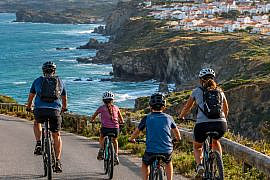
Unlike more rugged bikepacking routes, the Baltic Sea Cycle Route is relatively flat and follows a mix of paved paths and quiet country roads. It passes through Denmark’s southern islands and along the Jutland coast, making it ideal for children who are just beginning to bike long distances or for families towing younger kids in trailers or cargo bikes.
Most of the route runs close to the sea, meaning you’ll often have opportunities to stop at beaches, harbors, and nature reserves. The moderate terrain also means that you can choose to ride longer stretches if your family is up for it or break the journey into short segments without sacrificing the experience.
Safe and Supportive Infrastructure
Denmark is consistently ranked as one of the most bike-friendly countries in the world. Its cycling infrastructure includes:
- Clearly marked national cycling routes
- Dedicated bike lanes separated from traffic
- Frequent signage with distances and directions
- Roadside rest areas with picnic spots and toilets
- Easy access to trains and ferries that accommodate bicycles
In short, you’ll be navigating a route built with families in mind. If you’re new to international cycling trips, this infrastructure can significantly reduce the stress of planning and execution.
For an overview of how Denmark supports cycle tourism, you may want to consult VisitDenmark’s national cycling overview, which provides a helpful introduction to what you can expect.
History and Culture Around Every Corner
The Baltic Sea Cycle Route is not only about the ride—it also weaves through centuries of Danish history and culture. Along the way, you’ll find Viking museums, preserved medieval towns, historic manor houses, and maritime heritage sites. These provide meaningful opportunities for kids to connect with Denmark’s past in tangible, interactive ways.
Many small towns along the route have museums, open-air exhibits, and storyboards explaining the local significance of the area. You’ll also encounter local festivals during summer months, giving you the chance to experience Danish culture firsthand.
Flexibility for Different Travel Styles
You don’t have to commit to riding the full 800+ kilometers to enjoy this route. Many families choose to explore one section at a time, using public transportation to return to their starting point or move between sections. You can customize the route based on your family’s pace, available days, and interests.
If you prefer more logistical support, consider exploring Denmark bike tours that offer self-guided itineraries, luggage transfers, and rental equipment. These services are especially useful for first-timers or those with young children.
Who Is This Trip Right For?
The Baltic Sea Cycle Route is best suited for:
- Families with kids aged 5 and up who are comfortable riding for several kilometers a day
- Parents with bike trailers or cargo bikes for toddlers or preschoolers
- First-time international cycling families looking for a safe, well-supported route
- Those who want to blend outdoor activity with cultural exploration
If you’re looking to avoid car-heavy roads, explore scenic coastal landscapes, and enjoy a culturally rich family cycling experience, this route offers all that and more in a manageable, flexible package.
Final Thoughts
Choosing the Baltic Sea Cycle Route as your family’s next biking adventure means you’ll be traveling in a country that values cycling and supports families in doing it well. With its blend of safety, scenery, cultural experiences, and logistical flexibility, this route is a strong candidate for any family looking to pedal through history, coastlines, and charming Danish towns.
What to Expect on the Route: Terrain, Safety, and Scenery

The Baltic Sea Cycle Route—also known as National Route 8—is purpose-built to deliver a smooth and engaging cycling experience, particularly for families. From the terrain and infrastructure to the natural and cultural landmarks, this route provides a safe and enriching environment for cycling with children. Understanding what you’ll encounter along the way will help you plan effectively and confidently.
A Landscape Tailored for Family Cycling
The majority of the Baltic Sea Cycle Route follows Denmark’s southeastern coastline, linking together a series of islands, peninsulas, and coastal towns. The route runs through Jutland, Funen, Lolland, Falster, and Møn, offering riders constant proximity to the sea and a wide variety of landscapes.
Most of the route consists of:
- Paved bike paths and low-traffic rural roads
- Flat to gently rolling terrain, ideal for children or families using bike trailers
- Ferries that connect sections of the route across islands, adding novelty and rest time
- Occasional stretches of compact gravel or dirt paths (typically well-maintained)
While elevation gain is minimal, wind can be a factor, particularly along open stretches of coast. Planning shorter riding days and checking wind direction in advance can help families manage energy and expectations.
Safety First: Denmark’s Cycling-Friendly Culture
Denmark consistently ranks among the world’s safest countries for cyclists. The cycling culture is strong, and this is reflected in the infrastructure and the respectful behavior of drivers toward cyclists, even those towing trailers or riding slowly with children.
Key safety features you can expect:
- Clearly marked signage throughout the entire Baltic Sea Cycle Route, with distance markers and route confirmations
- Dedicated cycling lanes, including separated bike highways in urban areas
- Safe intersections with traffic lights and bike-only crossings in busy zones
- Regularly spaced rest areas, often with benches, picnic tables, water sources, and toilets
- Accessible bike repair stations in larger towns and near transport hubs
It’s important to teach your kids Danish traffic signals and rules before you go. While most of the route avoids heavy traffic, understanding how intersections work and where bikes should travel helps ensure everyone’s safety.
For a deeper look into Denmark’s biking infrastructure, visit the Cycling Embassy of Denmark, a hub of information on Denmark’s commitment to cycling mobility and safety.
Scenic Variety Along the Route
Scenery is one of the Baltic Sea Cycle Route’s main draws. You’ll pedal through some of Denmark’s most picturesque coastal areas, dotted with thatched-roof houses, working harbors, farmlands, and charming small towns. Natural diversity is a hallmark of the route.
Some highlights you may encounter include:
- Møns Klint – Towering white chalk cliffs on the island of Møn
- Wadden Sea National Park – A UNESCO-protected tidal flat ecosystem
- South Funen Archipelago – Quiet fishing villages and maritime scenery
- Ærøskøbing – A fairytale-like town with cobblestone streets and colorful homes
- Falster’s pine forests and wide beaches – Ideal for beachside picnics or a swim
The changing scenery helps keep kids engaged, offering frequent stopping points for rest, snacks, or spontaneous exploration.
Variable Conditions: Be Prepared
Though summer (June–August) is the most popular time to ride the Baltic Sea Cycle Route, Denmark’s maritime climate means you should be prepared for sudden weather changes. Rain jackets, warm layers, and waterproof panniers are essential, even on short rides.
Expect:
- Average summer temperatures between 17–22°C (63–72°F)
- Frequent light rain or drizzle, especially near the coast
- Long daylight hours in summer, giving you flexibility on riding time
- Cooler, windier conditions in spring and autumn
Checking the forecast each morning and staying flexible with your itinerary can help you navigate the route safely and enjoyably.
Train and Ferry Accessibility for Flexibility
One of the most family-friendly aspects of this route is its accessibility to public transport. If your children get tired or if you want to skip a section due to weather, you can often hop on a regional train or ferry.
- Bikes are allowed on most Danish trains with a reservation
- Ferries connect major route sections and are often a highlight for kids
- You can often mix riding days with public transport days to create a balanced itinerary
The combination of safe riding conditions, supportive infrastructure, and stunning scenery makes the Baltic Sea Cycle Route a uniquely accessible option for families looking to explore Denmark on two wheels.
Gear and Logistics: What You’ll Need to Bring or Rent

Preparing the right gear and understanding logistical considerations are essential to making your family adventure on the Baltic Sea Cycle Route enjoyable and stress-free. Whether you’re cycling with young children in trailers or older kids riding independently, choosing the right equipment—and knowing where and how to get it—will significantly impact your experience. This section will walk you through everything you need to pack, rent, and plan for before setting off.
Rent or Bring: What’s Best for Your Family?
Denmark is well equipped with bicycle rental shops, particularly in major cities and near popular starting points of the Baltic Sea Cycle Route. Many of these shops offer touring bikes, e-bikes, and family-specific options such as child seats, trailers, cargo bikes, and tandem setups.
Reasons to rent bikes locally:
- No airline fees or logistics of flying with bikes
- Opportunity to try equipment designed for Danish roads and paths
- Access to local support in case of mechanical issues
- Ability to rent accessories like panniers and helmets
Reasons to bring your own bikes:
- Familiarity with your setup and comfort
- Greater control over quality and fit, especially for children
- Savings if you already own quality gear for touring
If you choose to rent, reserve in advance, especially in summer. Shops in Copenhagen, Odense, and Sønderborg are common starting points for families and typically have the widest inventory.
For regional transportation planning and to ensure bike compatibility with trains, ferries, or buses, consult Rejseplanen.dk, Denmark’s national transport planner. It provides up-to-date information on routes and bike carriage rules.
Family-Friendly Bike Options
Depending on your children’s ages and comfort levels, there are a variety of suitable bike setups for the Baltic Sea Cycle Route.
For toddlers and preschoolers (0–4 years):
- Rear-mounted child seats
- Covered bike trailers (single or double)
- Cargo bikes (e.g., Christiania or Bullitt-style)
For young riders (5–8 years):
- Trailer bikes (tagalongs) that attach to adult bikes
- Small geared bicycles (with or without e-assist)
- Tandem bikes with child-specific seating
For older kids and teens (9+):
- Independent hybrid or touring bikes with 7+ gears
- Handlebar bags or small panniers for light loads
- E-bikes (check age restrictions and availability with rental shops)
Ensure your children have properly fitted helmets and reflective clothing, as these are often required or highly encouraged.
Essential Gear to Bring or Rent
Even if you’re renting bikes locally, there are a few items you’ll want to bring from home to make your family bike tour more efficient and enjoyable:
Bike accessories:
- Handlebar phone mount or GPS
- Front and rear lights (check battery life)
- Bell or horn (required by law in Denmark)
- Lock (most rentals include one, but bring your own if not)
For comfort and safety:
- Padded cycling shorts and gloves
- Lightweight rain gear for the whole family
- First aid kit
- Sunscreen and insect repellent
- Reusable water bottles and a small daypack
Navigation and apps:
- Offline maps via Komoot or Naviki
- Printed route overview as a backup
- Danish-English phrasebook for small towns
In towns along the Baltic Sea Cycle Route, bike shops are fairly frequent, so in most cases, you can access spare tubes, cables, or even bike mechanic services if needed. Still, carrying a compact repair kit is strongly advised.
Weather-Ready Clothing
Denmark’s coastal climate can change quickly, and even during summer, it’s wise to prepare for a mix of sunshine, wind, and rain. Choose a layering system that works for multiple conditions.
Recommended clothing:
- Moisture-wicking base layers
- Insulating mid-layers (fleece or merino)
- Waterproof outer shells
- Closed-toe shoes are suitable for walking and pedaling
- Lightweight hats and gloves (even in summer mornings)
Dry bags or waterproof panniers will protect your gear. Many families also carry a small tarp or emergency poncho for unplanned shelter during sudden rain showers.
Food and Supplies on the Route
The Baltic Sea Cycle Route passes through many small towns and villages, but not every stretch offers frequent grocery stores or cafés. It’s a good idea to pack snacks and plan for simple picnic meals.
Family-friendly snack ideas:
- Danish rye bread and cheese
- Apples, dried fruit, and nuts
- Crackers and spreads (like hummus or nut butter)
- Instant soup packets or pre-cooked pasta for campsite meals
Most towns have supermarkets (such as Netto, Fakta, or REMA 1000), and many also have bakeries offering fresh, affordable meals to go.
Luggage Transport Services
If your family prefers to ride without heavy panniers, several companies operating along the Baltic Sea Cycle Route offer luggage transfer services between accommodations. These services are especially useful if you’re staying in pre-booked hotels or guesthouses and want to travel light.
Be sure to confirm:
- Pickup and drop-off times
- Daily weight limits
- Whether they accommodate family-sized loads
Booking early ensures availability, particularly during high season.
Summary
Preparing for your family bike tour on the Baltic Sea Cycle Route doesn’t have to be overwhelming. Whether you rent or bring your own gear, having the right equipment and supplies—and knowing what to expect—makes the trip smoother and safer. Focus on packing light, choosing age-appropriate bikes, and dressing for changing weather, and you’ll be well on your way to a successful cycling adventure.
Sample Family-Friendly Itineraries Along the Baltic Sea Cycle Route

One of the most appealing aspects of the Baltic Sea Cycle Route is its flexibility. With over 800 kilometers of coastal paths, ferry crossings, and charming towns, you can shape your cycling adventure around your family’s energy levels, travel window, and interests. Whether you’re planning a short weekend trip or a more immersive ten-day journey, there’s a section of the route that will suit your family’s pace.
Below are three sample itineraries, designed with family needs in mind—moderate daily distances, engaging attractions, and accommodation options that offer comfort and convenience. You can follow them exactly or adapt them to your own schedule. For customizable routes and navigation tools, Naviki is a reliable app for planning and tracking cycling trips throughout Europe.
3-Day Mini-Adventure: Sønderborg to Ærøskøbing
Best for: Families with young children or first-time bike tourers
This gentle ride offers beautiful scenery, a ferry ride, and short daily distances, ideal for families looking to test the waters of multi-day cycling.
Day 1: Sønderborg to Fynshav (approx. 20 km)
- Coastal cycling path through meadows and small harbors
- Stop at Augustenborg Castle for a cultural break
- Overnight near the ferry terminal in Fynshav
Day 2: Fynshav to Ærøskøbing via ferry, then a short ride on Ærø (10–15 km)
- Morning ferry ride to Søby on Ærø
- Easy ride along the coast to Ærøskøbing, known for its cobblestone streets and colorful houses
- Enjoy the beach, ice cream shops, and the Maritime Museum
Day 3: Optional local exploration or return ferry + short cycle
- Explore more of Ærø by bike or relax in town
- Ferry back to Fynshav and cycle a short loop back to Sønderborg
Highlights: Ferry crossing, quiet island roads, family-friendly swimming areas
5-Day Mid-Length Tour: Nykøbing Falster to Stege (Island of Møn)
Best for: School-age children and families with a moderate fitness level
This route combines coastlines, farmland, forests, and the dramatic chalk cliffs of Møns Klint—one of Denmark’s top natural wonders.
Day 1: Nykøbing Falster to Marielyst (approx. 25 km)
- Ride through pine forests and farmland
- Enjoy the wide sandy beach at Marielyst and a stay at a beach cabin or family guesthouse
Day 2: Marielyst to Stubbekøbing (approx. 30 km)
- Stop at the tractor museum or small local farms
- Ferry to Bogø, then a short ride to Møn
- Overnight in Stege, a charming market town
Day 3: Rest day or optional loop around Stege Bugt
- Visit Stege’s local shops, harbor playground, and historic town center
- Optional family-friendly loop ride around the bay (15–20 km)
Day 4: Stege to Møns Klint and Camp Adventure (approx. 30 km)
- Stop at Geocenter Møns Klint for interactive educational exhibits
- Hike the stairs down to the beach or take in views from the cliff tops
Day 5: Return loop or bus/train transfer back
- Optional short ride toward Klintholm Harbor for a relaxed end
- Public transportation options are available for the return to Nykøbing Falster
Highlights: Møns Klint cliffs, family beaches, small-town charm, educational museums
10-Day Coastal Discovery Tour: Sønderborg to Nykøbing Falster
Best for: Families with older children, more time, or a desire for deeper exploration
This itinerary lets you cover a significant section of the Baltic Sea Cycle Route while still allowing rest days and sightseeing.
Days 1–3: Sønderborg to Fynshav to Ærø to Svendborg (via Ærøskøbing and ferry)
- Island-hopping experience, great variety of landscapes
- Spend a full day in Svendborg to explore the port town and its maritime culture
Days 4–6: Svendborg to Nyborg to Korsør (via Great Belt Bridge train transfer)
- Scenic riding along the South Funen Archipelago
- Use the train to cross the Great Belt Bridge, as cycling is not permitted
- Enjoy smaller towns like Skælskør or Kobæk Strand
Days 7–8: Ride from Korsør to Næstved to Vordingborg
- Quiet countryside riding and castle ruins in Vordingborg
- Overnight at rural inns or family farms
Days 9–10: Vordingborg to Nykøbing Falster
- Pass through forest reserves and across scenic bridges
- Rest and recover in Nykøbing Falster with its zoo, harbor, and museums
Highlights: Island-to-island journey, exposure to Danish heritage, ferry and train connections, cultural towns
Tips for Adapting Itineraries to Your Family’s Needs
- Adjust distances based on your child’s age and comfort with daily riding
- Use Denmark’s train system to skip tougher or longer segments
- Book accommodations in advance during July and early August
- Leave room for spontaneity, such as stopping at a local beach, a playground, or a roadside bakery
By choosing an itinerary that matches your family’s needs and interests, you’ll not only make the most of your time on the Baltic Sea Cycle Route—you’ll also reduce stress, avoid overexertion, and build positive memories with each pedal stroke.
Family-Friendly Places to Stay, Eat, and Explore Outdoors
One of the greatest advantages of cycling the Baltic Sea Cycle Route with your family is the opportunity to immerse yourselves in a wide variety of local experiences. From cozy seaside accommodations and fresh Danish meals to outdoor adventures that engage both adults and children, the route offers more than just a scenic ride—it’s a deep dive into Denmark’s family-friendly culture and nature.
Planning where to sleep, eat, and play along the way ensures that each day is not just about the distance traveled but about meaningful experiences shared together.
Where to Stay: Bike-Friendly and Family-Welcoming Options
Denmark offers an abundance of accommodations that cater to cyclists, many of which are certified “Bed+Bike” locations. These are ideal for families, offering secure bike storage, laundry facilities, packed lunch options, and flexible check-in hours.
Types of lodging along the Baltic Sea Cycle Route include:
1. Guesthouses and Family Hotels
- Comfortable rooms, often with family suites or bunk bed setups
- Breakfast is included, sometimes with local organic produce
- Located near town centers or scenic waterfronts
2. Holiday Cabins and Summer Houses
- Available at many campgrounds or private rentals
- Offer kitchen facilities for self-catering
- Space for kids to play safely outside
3. Campsites
- Well-equipped with restrooms, playgrounds, and cooking shelters
- Great option for adventurous families or those on a budget
- Some feature beach access or nearby hiking trails
4. Farm Stays (bondegårdsferie)
- Let kids meet animals, learn about rural life, and enjoy large open spaces
- Often located in quiet countryside areas just off the main route
You can find and filter these options using Denmark’s national tourism site, VisitDenmark.com, which lists accommodations with family amenities and cycling certifications.
Eating Along the Route: Local Food and Family Favorites
Danish cuisine is both accessible and appealing to kids, especially when you know what to look for. Meals are often simple, fresh, and locally sourced, with many cafés and bakeries offering takeaway options that work well for picnics.
Meals to try on the go:
- Smørrebrød – Open-faced sandwiches with meat, egg, or seafood
- Frikadeller – Danish-style meatballs, usually served with potatoes or bread
- Rugbrød – Dense rye bread, great for making filling sandwiches
- Soft ice with chocolate sprinkles – A favorite treat at seaside kiosks
Where to eat:
- Bageri (Bakeries): Good for morning pastries, coffee, and packed sandwiches
- Cafés: Typically open from lunch through early evening, with kid-friendly menus
- Harbor food stalls: Found in many fishing towns, offering fresh seafood and casual fare
- Supermarkets: Stock up on picnic supplies and snacks; common chains include Netto, Fakta, and REMA 1000
If you’re traveling in summer, outdoor dining is common, and many places provide high chairs and kids’ cutlery.
Outdoor Attractions That Add Adventure to Your Ride

Cycling is only one piece of the outdoor adventure your family can have along the Baltic Sea Cycle Route. The path brings you close to natural parks, interactive museums, beaches, and forests, many of which are free or low-cost to enter.
Top outdoor experiences to consider:
- Wadden Sea National Park: A UNESCO World Heritage Site known for birdwatching, tidal flats, and seal safaris
- Møns Klint: Dramatic white chalk cliffs with hiking trails and fossil-hunting beaches
- Knuthenborg Safari Park (on Lolland): Drive or cycle through enclosures with zebras, giraffes, and more
- Beaches like Marielyst and Hestehoved: Shallow waters, sandy stretches, and family-friendly swimming conditions
- Forest playgrounds and shelters: Found throughout Denmark, often with climbing structures and fire pits for cooking
Many of these destinations can be visited as side trips during rest days or included as stopovers along shorter segments.
For information on protected nature areas and trails, visit the Danish Nature Agency’s site, naturstyrelsen.dk (available in English) offers maps and details about outdoor recreation spots across the country.
Planning Tips for Meals and Overnights
- Book accommodations in advance during peak season (late June–August)
- Check kitchen access if you plan to cook some meals
- Pack a basic set of utensils, a cutting board, and lightweight cookware for picnics
- Plan for one café or restaurant meal per day, and supplement with grocery-store lunches or campsite cooking
- Use ferry or train transfer days as opportunities for leisurely meals or special outings
Summary
Where you stay, what you eat, and how you play between rides all shape the tone of your family’s cycling adventure. Fortunately, the Baltic Sea Cycle Route is packed with places that welcome families warmly, feed you well, and offer memorable outdoor experiences. With a bit of forethought, you can keep the journey fun, relaxing, and full of discovery for everyone in your family.
Budgeting and Planning Your Baltic Sea Cycling Adventure
Planning a family cycling trip along the Baltic Sea Cycle Route doesn’t have to be complicated or expensive. With a clear understanding of the costs involved, the types of transportation available, and the best timing for your trip, you’ll be able to create a realistic plan that balances comfort, adventure, and affordability. Whether you’re traveling on a tight budget or willing to spend a bit more for convenience, the route offers flexible options to suit most families.
This section provides detailed guidance on what to expect financially and logistically, so you can plan a smooth and enjoyable journey.
Estimating the Cost of a Family Bike Tour in Denmark
The cost of cycling the Baltic Sea Cycle Route varies depending on your travel style, the time of year, and how much support you opt for (e.g., self-guided vs. supported tour). Below is a general cost breakdown to help with budgeting.
Typical daily expenses per person:
- Accommodation:
- Campgrounds: €10–20
- Guesthouses/Hostels: €30–70
- Family hotels or B&Bs: €70–120
- Food:
- Self-catered (groceries): €10–15
- Mid-range restaurant meal: €15–30
- Coffee/snack stops: €3–7
- Bike rental:
- Adult touring bike: €20–30/day
- Child’s bike/trailer/cargo bike: €10–25/day
- Ferries and local transport:
- Ferries: €5–10 per adult with a bike
- Train tickets with bike supplement: €10–25 depending on distance
Estimated daily total for a family of four (self-guided):
€150–300/day depending on accommodation, dining choices, and activities
Traveling with your own bikes and camping can bring that total closer to €100/day, while opting for full lodging and bike rental will push it higher.
Budget-Friendly Travel Tips
- Travel in the shoulder season (May to mid-June or September) to avoid high prices and crowds
- Mix accommodation types, such as combining hotel nights with camping
- Use grocery stores for breakfast and picnic lunches
- Book rentals and ferries in advance to avoid last-minute price hikes
Getting To and From the Route
Accessing the Baltic Sea Cycle Route is straightforward thanks to Denmark’s integrated public transportation system. Copenhagen is the most common international entry point, and from there, trains connect to many towns along the route.
Train travel with bikes:
- Most regional trains allow bikes for a small supplement (around €4–7)
- You must purchase a separate bike ticket and sometimes reserve a spot, especially during summer
- Bikes are not allowed on some commuter trains during rush hours
Check timetables and bike policies at DSB – Danish State Railways, the official rail provider.
Ferry travel:
- Ferries are a major part of the route, connecting Denmark’s islands
- Most are quick, inexpensive, and accept bicycles without hassle
- No advance booking is required for many short-distance ferries, but summer lines can get busy
Common ferry routes along the Baltic Sea Cycle Route include:
- Fynshav to Søby (Ærø)
- Bogø to Stubbekøbing
- Spodsbjerg to Tårs
Booking Tips and Advance Planning
While Denmark is known for its organization and reliability, it’s still a good idea to plan ahead, especially when traveling with kids.
What to book in advance:
- Accommodations during peak months (late June through August)
- Bike rentals (especially family setups like trailers or cargo bikes)
- Luggage transport services, if desired
- Long-distance train connections with bikes
What can be more flexible:
- Ferry rides
- Day-to-day distances and routes for self-guided
- Picnic and rest stops—there are many excellent options all along the coast
Packing Essentials for Budget-Conscious Families
To save on costs and reduce logistical stress, make sure to pack strategically:
- Reusable utensils, bowls, and water bottles
- Lightweight picnic blanket
- Pocket knife or multi-tool
- Dry snacks and a few emergency meals (like dehydrated soups or pasta)
- Power banks for charging phones/GPS devices if camping
Having these items lets you cook occasionally, avoid overpriced convenience food, and stay flexible on where and when you eat.
Summary
Cycling the Baltic Sea Cycle Route as a family doesn’t require a luxury budget—just a bit of planning and adaptability. With Denmark’s supportive infrastructure, abundant transportation links, and wide range of accommodation and food options, you can craft a memorable and manageable adventure tailored to your family’s preferences. Whether you’re seeking an economical outdoor journey or a comfortable cycling vacation, this route is well-suited to meet your needs.
Realistic Tips for Cycling in Denmark with Kids
Cycling the Baltic Sea Cycle Route with your children can be one of the most rewarding ways to explore Denmark as a family. Still, it’s important to approach the experience with realistic expectations, practical preparation, and a flexible mindset. Whether your kids are seasoned cyclists or just starting to gain confidence on two wheels, a few thoughtful strategies can go a long way toward ensuring everyone has a safe, fun, and engaging time on the trail.
This section shares practical tips for pacing, motivation, daily routines, and staying safe, drawn from best practices in family bike touring and tailored specifically to the Danish context.
Start Small and Build Confidence Early
If your children are new to longer-distance riding, build up gradually in the weeks leading up to your trip. Start with short local rides and slowly increase distance and duration. Practice using the gear you plan to bring—trailers, panniers, or bike seats—to help your children (and you) get used to the experience.
Training ride suggestions:
- Weekend family rides on bike paths or quiet roads
- Practice getting on/off ferries or buses with bikes
- Introduce navigation tools like maps or GPS apps
The more confident your children feel before the trip, the smoother your journey will be.
Make the Journey Engaging, Not Just About the Destination
To keep kids motivated, build in regular breaks and mini-adventures along the route. Denmark is filled with natural play spaces, quirky attractions, and inviting rest stops that are perfect for spontaneous exploration.
Fun ideas to keep your kids engaged while riding:
- Create a cycling scavenger hunt (spotting lighthouses, animals, flags, etc.)
- Pack small toys or drawing materials for breaks
- Stop at local beaches, playgrounds, or bakeries midday
- Use geocaching apps to find hidden treasures along the way
Encourage your children to help choose stopovers or participate in planning. When kids feel involved in the trip, they’re more likely to stay engaged and excited.
Keep Daily Distances Reasonable
One of the most important factors in a successful family cycling trip is pacing. It’s better to ride a little less each day and arrive happy than to push for long distances and risk frustration or fatigue.
General daily distance guidelines:
- Ages 4–6 (in trailers or on tag-alongs): 15–30 km
- Ages 6–10 (riding independently): 20–40 km
- Ages 10+: Up to 50 km depending on experience and fitness
Aim for a mix of ride days and rest days, especially on longer trips. Incorporate shorter days around particularly scenic or culturally rich towns to allow for more exploration off the bike.
Prepare for Unpredictable Weather and Rest Needs
Even in summer, Denmark’s weather can shift quickly. Pack light waterproof layers, and check forecasts each morning. Plan for indoor alternatives in case of downpours, such as a museum visit, a cozy café stop, or even a local library.
Comfort management tips:
- Carry extra socks and a dry change of clothes
- Pack snacks that don’t melt or spoil easily
- Take extended midday breaks if riding in heat or rain
- Have a backup plan using nearby train or bus connections
A well-timed hot chocolate or surprise bakery stop can make all the difference in morale after a rainy stretch of trail.
Teach and Practice Danish Cycling Rules
Before riding in Denmark, take a few minutes to review the local cycling laws and etiquette with your children. The country has excellent infrastructure, but it’s important to ride responsibly.
Key rules to remember:
- Ride on the right side of the cycle path
- Always signal when turning
- Use bike lights when riding in low light (white front, red rear)
- Helmets are strongly encouraged (though not legally required)
- Bells are mandatory on all bikes
- Children under 6 should not ride alone in traffic
For additional safety tips and best practices, the European Cyclists’ Federation offers multilingual resources for families and cycle travelers across Europe.
Be Flexible and Prioritize Fun
Even with careful planning, there will be moments when plans change—whether due to a flat tire, an unexpected rainstorm, or simply a tired child. The most successful family cycling trips are the ones where flexibility takes priority over sticking to a rigid itinerary.
Allow yourself to:
- Shorten or skip a ride if needed
- Take extra rest days in places your family loves
- Use public transport to bypass uninteresting or overly long sections
- Celebrate the small wins—each completed day is an accomplishment
Keep the focus on shared experiences and joy rather than mileage or checklists.
Final Thoughts – Baltic Sea Cycle Route
Cycling the Baltic Sea Cycle Route with your family isn’t just a vacation—it’s a hands-on, immersive way to explore Denmark’s coastal towns, vibrant landscapes, and deep-rooted culture. With its combination of well-maintained paths, flexible public transportation, and family-friendly amenities, this route makes it entirely possible to turn a cycling dream into a real, rewarding experience for all ages.
Whether you choose to ride one short stretch or take on a longer adventure, the key is to stay flexible, plan thoughtfully, and embrace the journey. With the insights and resources in this guide, you’re well-equipped to start planning a meaningful, low-stress family biking trip that’s as rich in memories as it is in mileage.
FAQs – Baltic Sea Cycle Route
- Q: How long does it take to cycle the entire Baltic Sea Cycle Route with kids?
A: Cycling the full 820 km route with children typically takes 2 to 3 weeks, depending on daily distance, rest days, and weather. Many families opt to ride shorter sections instead, making the trip more manageable and enjoyable. - Q: Is the Baltic Sea Cycle Route suitable for beginner cyclists or young children?
A: Yes. The route features mostly flat terrain, well-marked signage, and low-traffic roads, making it accessible for families with young children, beginners, or those towing trailers. Shorter segments are especially ideal for first-time riders. - Q: Can I rent bikes and gear suitable for children along the route?
A: Yes. Many rental shops in Denmark offer family-specific gear, including children’s bikes, trailers, cargo bikes, and tandem setups. It’s best to reserve your equipment in advance, especially during summer. - Q: What’s the best time of year to cycle the Baltic Sea Cycle Route as a family?
A: The best time is late May through early September. July and August offer the warmest temperatures and longest daylight hours, but also see more crowds. June and early September offer good weather with fewer tourists. - Q: Are there campsites or family-friendly places to stay along the route?
A: Absolutely. The route passes many well-equipped campgrounds, guesthouses, and family-run hotels. Many accommodations are certified “Bed+Bike” and include bike storage, laundry, and amenities suited for children. - Q: Do we need to book accommodations in advance?
A: During peak season (late June–August), it’s wise to book accommodations in advance. Outside of those months, it’s often possible to find places day-of, but availability can be limited in smaller towns. - Q: Can we take bikes on ferries and trains during our trip?
A: Yes. Denmark’s public transportation system is very bike-friendly. Ferries along the route accept bikes, and most regional trains allow bicycles with a ticket supplement. Some longer-distance trains require a reservation for your bike. - Q: What if the weather turns bad or someone gets too tired to continue?
A: Denmark’s excellent public transport offers a safety net. You can use buses, trains, or ferries to skip sections or shorten your day. Many towns along the route also have bike shops or taxis that can help in a pinch. - Q: Is the Baltic Sea Cycle Route safe for cycling with kids?
A: Yes. Denmark is one of the safest countries in the world for cyclists. The Baltic Sea Cycle Route follows well-maintained paths and quiet roads, and drivers are generally respectful of cyclists, including families traveling at slower speeds.
+++BEFORE using this information, please read our Legal Disclaimer+++