

Table of Contents
Why the Buffalo National River Is One of America’s Best Family Adventure Destinations
Understanding the Significance of the Buffalo National River
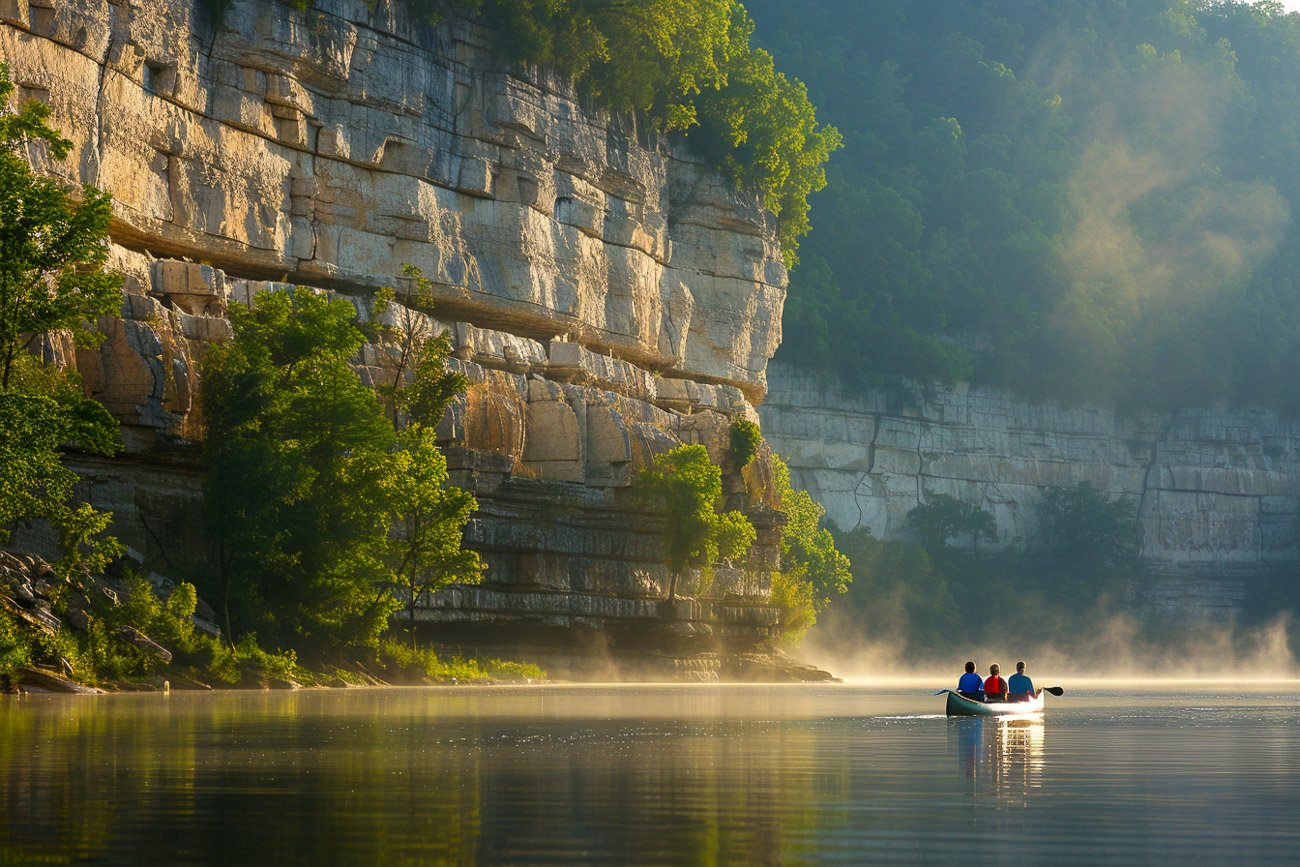
When you explore the Buffalo National River, you’re visiting one of the few remaining undammed, free-flowing rivers in the United States. This distinction means the river’s ecosystems, water levels, and seasonal patterns follow natural rhythms, offering a continually changing landscape for families who value outdoor adventure. The river travels more than 135 miles through the heart of the Ozark Mountains, where steep bluffs, hardwood forests, waterfalls, and narrow side canyons create an ideal environment for families who enjoy hiking, paddling, wildlife observation, and scenic exploration.
For families planning a trip to the Buffalo National River with kids, this protected corridor offers the type of nature-based experiences that support curiosity, hands-on learning, and safe exploration. Whether you are canoeing on calm stretches, walking into a cool sandstone canyon, or listening to elk bugle near Ponca, you have access to a type of outdoor adventure that is immersive without being inaccessible. For background and official park details, refer to the National Park Service.
If you have any comments/questions, please leave them below.
Why the Buffalo National River Works Well for Families
The Buffalo National River is especially suitable for families because the terrain offers variety without overwhelming younger or less experienced adventurers. Many trails are short but scenic, many river segments are approachable for beginners, and access points are generally well marked. When you combine this with multiple nature-based activities located close together—canoeing, short hikes, caves, gravel-bar picnics, and easy wildlife viewing—you gain flexibility in planning a trip that suits the needs of children across a range of ages.
Several factors make the Buffalo National River an appealing family destination:
- Numerous trail options that range from easy nature walks to more challenging overlooks
- River segments suited for beginners, with outfitters familiar with helping families
- Opportunities for structured exploration, such as ranger-led programs and visitor centers
- A mix of campgrounds and cabins that allow families to choose comfort levels
- Wildlife viewing that is accessible without long hikes or technical terrain
Seasonal Differences You Should Understand
Seasonality significantly shapes your experience at the Buffalo National River. Water levels, weather patterns, and trail conditions vary throughout the year, so it’s useful to understand how each season affects your options.
Spring: Higher water levels often mean more dynamic canoeing conditions, cooler temperatures, and strong waterfall flow.
Summer: Warmer weather supports swimming, gravel-bar lounging, and shorter hikes, though river levels may drop in some sections.
Fall: Milder temperatures and vibrant foliage create ideal conditions for hiking with kids.
Winter: Portions of the park remain open, though some services may be limited; trails are quieter but may be slippery or muddy.
Because conditions can change quickly, checking current water levels through the USGS data portal and monitoring weather forecasts will help you plan safe and enjoyable activities.
What Makes This River Region Different From Other Family Adventure Destinations
The Buffalo National River offers a combination of accessibility and wilderness character that is increasingly rare. You can drive to a trailhead, complete a short hike to a waterfall or canyon, and feel immersed in a landscape with minimal development nearby. Families who value solitude, outdoor learning, and natural beauty often find this destination particularly rewarding.
Beyond that, the region’s geology and hydrology play a central role in shaping the experience. The tall limestone bluffs that line portions of the river are among the most striking in the Ozarks. The karst topography creates caves, springs, sinkholes, and seasonal waterfalls that appeal to children interested in earth science, exploration, or hands-on learning about natural systems.
Essential Trip Planning Considerations
To experience the Buffalo National River with kids in a way that is both enjoyable and safe, you will want to plan around a few core considerations:
- Choose the right river section for your family’s paddling ability.
- Build in flexibility in case of weather fluctuations or changing river levels.
- Consider a mix of hiking, paddling, and cave experiences to keep younger kids engaged.
- Plan lodging that reduces long drive times between trailheads and access points.
- Prepare for limited cell service by downloading maps or using offline navigation tools.
By approaching your planning with these considerations in mind, you ensure that your time at the Buffalo National River is grounded in safety, enjoyment, and a sense of discovery that appeals to both kids and adults.
Planning a Trip to the Buffalo National River With Kids: Logistics, Transportation, Weather, and Safety Essentials
Getting to the Region and Navigating Local Roads
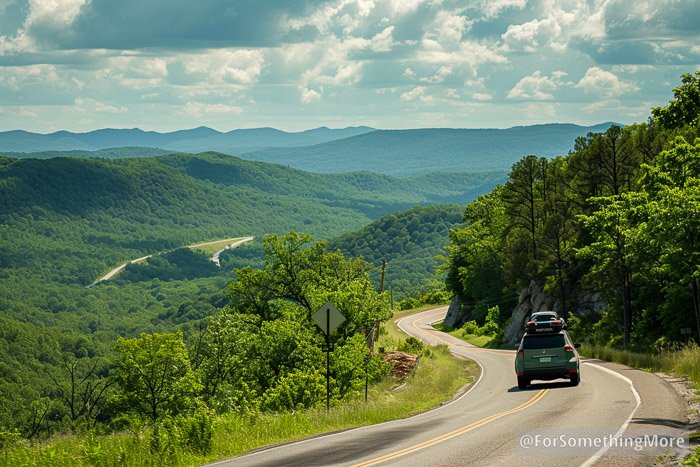
When you plan a trip to the Buffalo National River with kids, understanding how to reach the area and move between trailheads is essential. The region is rural, and driving will be your primary mode of transportation. The closest major airports include Northwest Arkansas National Airport near Fayetteville and Bill and Hillary Clinton National Airport in Little Rock. From either location, expect a scenic drive through the Ozark Mountains with winding roads and limited passing zones. These roads are safe but often slow, so plan extra time for each leg of your trip.
As you move between areas such as Ponca, Jasper, St. Joe, and Tyler Bend, you will notice that distances on the map can be misleading. Travel time often depends on elevation changes, gravel roads, and weather conditions, which can alter the road surface. Since cell service is limited in many places, downloading maps in advance or using an offline navigation app helps prevent delays.
For current water levels and backcountry conditions, refer to the USGS Buffalo River data page.
Understanding Weather Patterns and Seasonal Conditions
Weather and seasonal variations significantly influence how you experience the Buffalo National River with kids. Spring often brings rain and higher water levels, creating stronger paddling currents that may not be suitable for beginners. Summer introduces heat and humidity, making shorter hikes and water-based activities especially appealing. Fall typically offers the most comfortable temperatures for hiking, along with colorful foliage, while winter results in fewer services and potentially icy or muddy trails.
Before your trip, monitor the forecast closely and note how changes in water levels can affect canoe routes. Even mild rain in the upper watershed can raise river levels downstream, so checking real-time data is a valuable part of your planning process. Pack layers, sun protection, and rain gear regardless of the season, as mountain weather often shifts quickly.
Choosing Where to Stay: Campgrounds, Cabins, and Family-Friendly Basecamps
Finding the right place to stay plays a major role in creating a smooth and enjoyable trip. The Buffalo National River corridor includes a range of campgrounds managed by the National Park Service, most of which provide easy access to paddling put-ins and popular trailheads. These campgrounds typically offer basic amenities such as vault toilets, designated sites, and river access. Many do not have electricity, so families who prefer comfort or refrigeration may want to choose a nearby cabin.
Cabins in areas like Jasper, Ponca, or Mount Sherman offer reliable shelter, heating or air conditioning, and more space for storing gear. Staying close to the river minimizes driving time and allows you to adjust plans if weather or water conditions change. These accommodations often book quickly during school vacation weeks and fall foliage season, so early reservations are recommended.
Safety Essentials: River Conditions, Wildlife Awareness, and Communication
Safety planning is particularly important when exploring the Buffalo National River with kids. The river’s free-flowing nature means conditions vary widely from week to week, so always check updated water levels before choosing a float route. Many families opt for stretches of the Middle Buffalo or calmer areas near Tyler Bend because they tend to offer more predictable conditions.
Life jackets are required for all children on the water, regardless of swimming ability. River shoes with firm soles help prevent injuries from rocks or submerged debris. When hiking, remain aware of steep drop-offs near bluffs, which can be hazardous for younger children. Wildlife in the region includes elk, deer, turtles, and snakes. Most wildlife encounters are safe when viewed from a distance, but it is important to teach children not to approach animals or disturb their habitat.
Because cell service is inconsistent throughout the river corridor, carry at least one offline map and share your daily plans with another adult or your lodging host. During peak seasons, visitor centers can provide updated information and guidance on trail and river conditions.
Packing for a Multi-Activity Trip
A family trip to the Buffalo National River typically involves hiking, paddling, and possibly caving, so you will want to pack gear that supports each activity. Essential items include:
- Life jackets sized appropriately for each child
- Quick-drying clothing
- River shoes or sandals with secure straps
- Dry bags for storing snacks, phones, and extra layers
- Reusable water bottles or hydration packs
- Headlamps for caves or early morning activities
- Sun protection, including hats and sunscreen
- A compact first-aid kit
Having the right gear ensures you can adapt to changing conditions and keeps kids comfortable, which is key to maintaining enthusiasm for longer days outdoors.
Flights, Delays, and Travel Timing: What to Know Before Reaching Northern Arkansas
Planning Your Arrival Timeline
When visiting the Buffalo National River with kids, giving yourself adequate travel time before starting outdoor activities helps ensure a smoother experience. Flights into Northwest Arkansas National Airport near Fayetteville or Bill and Hillary Clinton National Airport in Little Rock occasionally experience delays, especially during seasonal storms or peak holiday periods. Building in a buffer day before planned river trips, hikes, or cave tours allows you to adjust without scrambling to revise reservations or safety plans.
If you are renting a car, factor in the time required to pick up your vehicle and drive into the Ozark Mountains. Many families find that arriving the afternoon before their first full day of activities helps children transition more comfortably after a flight.
What to Do if Flight Delays Disrupt Your Schedule
Delays are inconvenient under any circumstances, but they can be particularly disruptive when your itinerary includes timed activities such as canoe rentals, outfitter shuttles, or guided cave tours. If a delay causes you to miss a scheduled activity, consider contacting your lodging host or outfitter as soon as you receive updated flight information. Most local operators are familiar with weather-related travel disruptions and can often help you adjust plans when possible.
You may also be eligible for compensation for eligible delayed flights, which you can learn more about through AirHelp. While this will not resolve the logistical setback, it can help offset unexpected expenses such as rebooking fees or additional lodging.
Adjusting Your Itinerary When Plans Shift
If a delay forces you to reorganize your days, you still have many ways to enjoy the Buffalo National River with kids, even with a tighter schedule. Several activities work well on shorter notice and do not require set reservation times. Examples include shorter trails near Tyler Bend, elk viewing near Ponca, or simply exploring river access points for wading and wildlife watching. These alternatives can help maintain momentum for your trip while you wait for more structured activities such as canoe trips or cave tours.
It’s also helpful to stay flexible with activities that depend on river levels. If rainfall from earlier in the week increased water flow and made a planned canoe route unsuitable for beginners, shifting a paddling day to later in the trip—once conditions stabilize—may create a safer experience.
Useful Tools for Monitoring Travel and Weather
Keeping track of both flight conditions and local weather ensures you can make informed decisions during your travel window. Monitoring your flight status through your airline’s app, checking airport weather advisories, and reviewing forecasts for Ponca, Jasper, and St. Joe will help you prepare for any changes. If you want to see the operational status of airports nationwide, the FAA’s airport status map can be useful.
Using these tools as part of your planning helps minimize uncertainty, making it easier to begin your Buffalo National River adventure with kids feeling organized and ready for time outdoors together.
The Best Family-Friendly Canoe, Kayak, and Float Trips on the Buffalo National River
Understanding River Sections and Choosing the Right One for Your Family
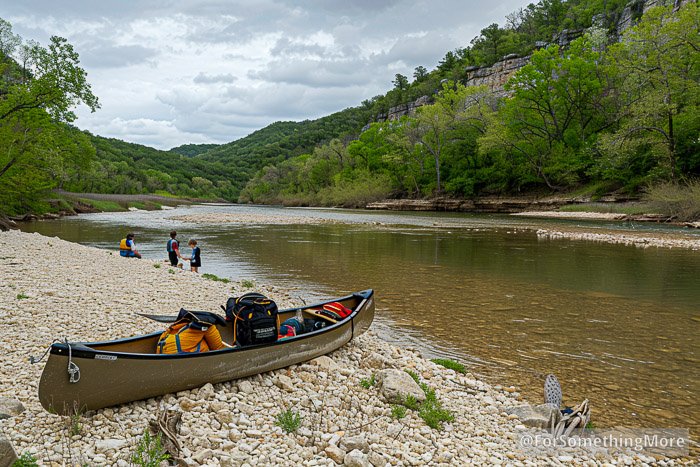
The Buffalo National River is divided into the Upper, Middle, and Lower sections, each offering different scenery, water conditions, and difficulty levels. When planning a trip to the Buffalo National River with kids, it is important to choose a segment that matches your family’s paddling experience and comfort level.
The Upper Buffalo, near Ponca and Steel Creek, is known for dramatic limestone bluffs and clear water. However, this section depends heavily on rainfall, so early spring tends to offer the most reliable flow. Families with limited paddling experience may prefer the Middle Buffalo, especially the stretch around Tyler Bend, where the water is generally calmer and more predictable in late spring through early fall. The Lower Buffalo widens and slows further downstream, making it a good fit for families seeking a relaxed float with long gravel bars suitable for breaks and picnics.
Selecting the right section ensures a safer and more enjoyable experience, particularly if you are introducing children to paddling or wanting to combine canoeing with swimming and short hikes.
For river safety guidance and community insights, the Arkansas Canoe Club provides helpful information.
Recommended Family-Friendly Float Routes
Certain float routes on the Buffalo National River consistently work well for families because they offer moderate distances, easy access points, and scenic views without technical challenges.
Popular beginner- and family-friendly options include:
- Ponca to Steel Creek: A short, scenic float with towering bluffs, best after adequate rainfall.
- Steel Creek to Kyle’s Landing: Slightly longer, offering gravel bars and opportunities for rest stops.
- Tyler Bend to Gilbert: Known for calmer water and dependable seasonal levels, ideal for young children.
- Grinder’s Ferry to Rush: A peaceful route on the Lower Buffalo with broad gravel bars suitable for picnicking.
These routes allow children to engage with the landscape while giving caregivers manageable distances and flexible stopping points.
Working With Local Outfitters
If you do not have your own canoe or kayak, local outfitters are a valuable resource. Many outfitters offer equipment rentals, safety briefings, and shuttle services that transport you between put-in and take-out points. When traveling the Buffalo National River with kids, this logistical support minimizes stress and allows you to focus on the experience.
When selecting an outfitter, you may want to consider:
- The availability of child-sized life jackets
- The type and condition of rental boats
- The clarity of the safety briefing
- Whether the shuttle route avoids long stretches on gravel roads
- Their familiarity with matching families to the appropriate river section
Talking through your family’s paddling experience with the outfitter can help ensure you are matched with the right route and conditions.
River Etiquette and Leave No Trace Principles
The Buffalo National River is a protected natural corridor, and following Leave No Trace principles helps preserve the environment for future families. Teaching children these principles encourages responsible exploration.
Key practices include:
- Packing out all trash, including food scraps
- Using gravel bars rather than vegetation for rest stops
- Avoiding loud noises that disrupt wildlife
- Being mindful of other paddlers on narrow bends
- Leaving natural features such as rocks, fossils, and driftwood undisturbed
These behaviors support a healthy river ecosystem and model respectful outdoor ethics for kids.
Wildlife Encounters Along the River
One of the joys of paddling the Buffalo National River with kids is the opportunity to observe wildlife. Elk are commonly seen near Ponca, particularly around dawn and dusk, while great blue herons, turtles, kingfishers, and swallows are frequently spotted along the water. Children often enjoy searching for animal tracks on gravel bars or noticing fish in the clear shallows.
Although wildlife sightings are unpredictable, maintaining a quiet presence and avoiding abrupt movements increases your chances of observing animals safely and respectfully. This type of wildlife engagement often becomes a highlight for families exploring the river.
Safety Considerations for Paddling With Children
Ensuring safety on the water is essential. All children must wear life jackets at all times, regardless of swimming ability. It is also helpful to rehearse simple paddling commands before launching, such as how to remain still in the boat, when to lean away from obstacles, and what to do if the canoe bumps a rock.
Other safety tips include:
- Bringing two waterproof bags: one for valuables, one for extra clothes
- Keeping snacks and water easily accessible
- Applying sunscreen before getting on the water
- Watching for strainers, especially near fallen trees
- Checking river levels the morning of your trip
With preparation and appropriate route choices, canoeing or kayaking the Buffalo National River with kids can become one of the most rewarding parts of your visit.
Hiking and Caving Adventures for Families: Trails, Caverns, Scenic Overlooks, and Backcountry Experiences
Why Hiking and Caving Work Well for Families at the Buffalo National River
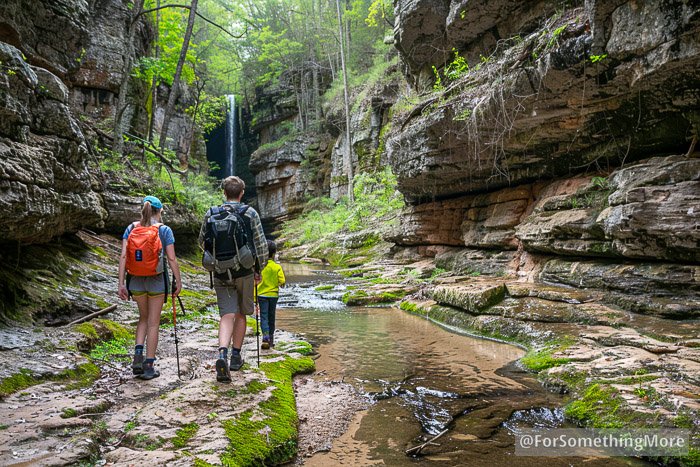
Exploring the Buffalo National River with kids offers a wide range of hiking and caving opportunities that encourage curiosity, movement, and hands-on outdoor learning. The landscape is defined by towering bluffs, narrow canyons, karst formations, waterfalls, and seasonal streams, all of which create a diverse environment suitable for families with mixed ages and abilities. Many of the trails are short enough to keep younger hikers engaged while still offering impressive scenery, and several caves and caverns in the region provide accessible introductory experiences for families who want to explore underground spaces safely.
For official details on guided cavern tours and seasonal operations, you can refer to Blanchard Springs Caverns through the U.S. Forest Service.
Family-Friendly Hikes That Showcase the Region
The Buffalo National River area includes some of the most scenic day hikes in the Ozark Mountains. Whether you want a short walk to a waterfall or a more challenging trail with a rewarding overlook, you will find options that work well for families.
Key hikes to consider include:
Lost Valley Trail
- Distance: About 2.4 miles round trip
- Features: Natural bridge, waterfalls (including Eden Falls), a narrow canyon, and a small cave at the top where headlamps are useful
- Why it works for families: Varied terrain keeps children engaged, and the trail offers several natural play areas such as creek beds and rock formations
Whitaker Point (Hawksbill Crag)
- Distance: Around 3 miles round trip
- Features: One of Arkansas’s most iconic overlooks, showcasing expansive views of the Ozark Mountains
- Considerations for families: The trail includes cliff edges at the overlook, so close supervision is essential; best for families with older children
Tyler Bend Trails
- Distance: Multiple interconnected loops
- Features: River views, hardwood forest, blufflines, and interpretive signs
- Why it works for families: Easy access, flexible distances, and opportunities to combine short loops into longer outings
These trails highlight why the Buffalo National River is such a strong fit for active families: they combine manageable distances with dramatic natural features.
Kid-Friendly Cave and Cavern Experiences
Caving in the Buffalo National River region introduces kids to karst landscapes and underground environments in a controlled and safe way. While some wild caves require specialized skills and gear, there are accessible options that allow families to explore without technical training.
Blanchard Springs Caverns is the most popular family-friendly option. This living cave system features well-lit walkways, guided tours, and impressive formations such as stalactites, stalagmites, flowstone, and soda straws. The temperature remains cool year-round, which can be refreshing after a day of hiking or paddling. Guided tours help children understand how the cave formed and why these environments are important to preserve. Because tours can fill during peak seasons, booking ahead is recommended.
Backcountry Experiences for Confident and Prepared Families
For families with older children and experience in wilderness travel, the Buffalo National River offers opportunities to explore more remote terrain. Backcountry routes may include multi-mile ridge walks, gravel-bar camping along certain stretches of the river, and longer trails that connect scenic overlooks with secluded forest areas.
Backcountry camping in the Buffalo National River corridor does not require a permit in most areas, but families should follow all National Park Service regulations, including camping at least 100 feet from water sources and pack-it-in, pack-it-out principles. Reliable navigation skills, water filtration, and understanding of weather patterns are essential for trips that go beyond established campgrounds or day hikes.
These experiences allow older children to build confidence and resilience while increasing their connection to natural landscapes.
Safety Considerations for Trails and Caves
Hiking and caving at the Buffalo National River with kids comes with important safety considerations. Trails may include uneven surfaces, stream crossings, and bluff edges. Wearing sturdy shoes, carrying adequate water, and monitoring weather forecasts help reduce risks. After rain, some trails can become slippery, especially near waterfalls and exposed rock surfaces.
Cave environments require additional precautions. Only explore caves that are open to the public and follow posted regulations designed to protect both visitors and delicate cave ecosystems. Bring headlamps for any low-light areas, avoid touching formations, and stay on designated pathways.
Encouraging Exploration and Learning Outdoors
One of the advantages of choosing the Buffalo National River with kids is the abundance of natural features that spark curiosity. Children can learn about geology by examining karst formations, gain a sense of local ecology by identifying trees and wildlife tracks, and experience awe through expansive views and canyon-like landscapes.
By blending accessible trails, safe caves, and opportunities for hands-on observation, this region allows families to create meaningful outdoor experiences grounded in both exploration and environmental stewardship.
Where to Stay Near the Buffalo National River: Campgrounds, Cabins, and Family Basecamps
Understanding Your Lodging Options
Choosing the right place to stay plays a major role in creating a smooth and enjoyable visit to the Buffalo National River with kids. Because the river corridor stretches more than 135 miles, selecting a lodging location that aligns with your planned activities reduces unnecessary driving and helps you maintain flexibility if weather or river levels change. The main types of lodging available include National Park Service campgrounds, private campgrounds, and family-friendly cabins in nearby communities such as Jasper, Ponca, Mount Sherman, St. Joe, and Gilbert.
The area does not have traditional hotels within the immediate river corridor, so cabins and campgrounds are the most convenient options for families. Staying close to your preferred river access point or trail system allows you to start early in the day, which can be especially helpful during hot summer months.
For campground availability and reservation options, you can use Recreation.gov.
National Park Service Campgrounds
National Park Service campgrounds along the Buffalo National River typically offer basic amenities such as designated sites, fire rings, vault toilets, and river access, but most do not provide electricity or showers. These campgrounds are suitable for families comfortable with rustic settings and who prefer staying directly within the national river corridor.
Popular campground areas include:
- Steel Creek: Scenic bluffs, proximity to trailheads, and easy access to the Upper Buffalo
- Kyles Landing: A peaceful wooded setting along a popular float route
- Tyler Bend: One of the most accessible campgrounds, with a visitor center and family-friendly trails
Reservations may be required during peak periods, and some sites operate on a first-come, first-served basis. Checking availability before arrival is important, especially during spring and fall weekends.
Private Campgrounds and Cabin Rentals
If you prefer more amenities or want a reliable option for refrigeration, heating, or air conditioning, renting a cabin near the Buffalo National River can simplify your trip. Cabins often offer private bedrooms, bathrooms, kitchen facilities, and outdoor space for drying wet gear after paddling or hiking. This can be especially useful when traveling with very young children or planning a trip during variable weather seasons.
Private campgrounds may also offer additional conveniences such as showers, small camp stores, or playgrounds. These amenities can help families maintain comfort while still remaining close to outdoor activities.
Choosing a Location Based on Your Activities
Because the Buffalo National River extends through multiple regions, it helps to choose a lodging area that aligns with the activities you are most interested in.
Ponca and Steel Creek Area
Best for families planning to explore dramatic bluffs, waterfalls, and wildlife viewing opportunities such as the Ponca elk herd. Also convenient for Upper Buffalo paddling when water levels are adequate.
Jasper and Mount Sherman
A central location for accessing scenic hikes such as Whitaker Point and Lost Valley Trail, as well as several river access points.
Tyler Bend and St. Joe
Ideal for families seeking calmer paddling conditions, easier hiking routes, and consistent water levels throughout more of the season.
Gilbert and Rush
A good choice for relaxed floats, historic sites, and quiet river segments with wide gravel bars suitable for picnics.
Selecting the right basecamp reduces overall travel time and supports smoother transitions between paddling, hiking, and resting.
Considerations When Traveling With Kids
When deciding where to stay along the Buffalo National River with kids, a few practical considerations help ensure comfort and safety:
- Proximity to trailheads and river access points reduces fatigue on long days
- Cabins with kitchens simplify meal preparation after outdoor activities
- Shaded campsites help keep tents cooler during summer
- Lodging with easy parking and gear storage helps organize paddling equipment
- Reliable heating or cooling can make shoulder-season camping or cabin stays more enjoyable
Families often find it helpful to balance convenience with access to nature, choosing locations that feel immersive without sacrificing practicality.
Flexibility When Weather Changes
Weather and river levels can shift quickly in the Ozarks, so staying at a centrally located basecamp gives you the flexibility to adjust your plans. For example, if high water temporarily limits paddling options near Ponca, you can often shift to a different river segment or substitute a scenic hike or cave tour.
Having a place to rest, reorganize gear, and regroup comfortably ensures that your trip to the Buffalo National River with kids remains enjoyable even when conditions require changes to your itinerary.
Sample Family Itineraries for Exploring the Buffalo National River
How to Use These Sample Itineraries
These sample itineraries provide practical frameworks you can adapt based on your family’s pace, the ages of your children, the season, and the river conditions during your visit. Because the Buffalo National River extends across the Upper, Middle, and Lower sections, each itinerary focuses on minimizing unnecessary driving while incorporating a balanced mix of hiking, paddling, wildlife viewing, and rest. These itineraries assume you are staying in or near Ponca, Jasper, Tyler Bend, or Gilbert, depending on the route.
For destination-wide visitor guidance and planning notes, the Arkansas Tourism site can be helpful.
Two-Day Itinerary for Families With Younger Children (Ages 4–10)
Day 1: Lost Valley Trail and Elk Viewing
- Begin your day at Lost Valley Trail, a family-friendly hike featuring waterfalls, a natural bridge, and a small cave where headlamps are useful.
- Enjoy a picnic at the trailhead or nearby shelter areas.
- In the late afternoon or early evening, drive to the Ponca elk viewing fields; dusk often provides the best chance of seeing elk.
Day 2: Easy Paddle or Gravel-Bar Exploration
- Choose a calm stretch such as Tyler Bend to Gilbert if water levels are suitable.
- If paddling is not possible due to river conditions, spend time exploring river access points where kids can wade, skip rocks, and look for wildlife tracks along the gravel bars.
- End with a short hike on the Tyler Bend trails if time and energy allow.
This itinerary works well for families who want shorter activity blocks and opportunities for spontaneous play.
Three-Day Itinerary Featuring Caves, Canoeing, and Scenic Trails
Day 1: Blanchard Springs Caverns and Tyler Bend Hikes
- Start with a guided tour at Blanchard Springs Caverns, where paved walkways and lighting make the experience accessible for kids.
- Visit the nearby springs and recreation area before traveling to Tyler Bend.
- Spend the late afternoon walking one of the shorter Tyler Bend loop trails with views of the river.
Day 2: Middle Buffalo Canoe or Kayak Trip
- Depending on water levels, paddle from Tyler Bend to Gilbert or another family-friendly stretch recommended by local outfitters.
- Pack a lunch and plan to stop on large gravel bars where kids can explore.
- Return to your lodging to rest and reorganize gear.
Day 3: Scenic Bluff Hike or Waterfall Walk
- If your family is comfortable with moderate terrain, consider a morning hike to Whitaker Point (Hawksbill Crag).
- If you prefer something shorter, choose an easy river-access hike or a second visit to Lost Valley if conditions have shifted since Day 1.
This itinerary offers the full spectrum of the region’s most accessible highlights without rushing between locations.
Five-Day Itinerary for Active and Experienced Families Seeking a Deeper Experience
Day 1: Arrival and Orientation
- Settle into your cabin or campsite and familiarize yourself with nearby access points and trailheads.
- Visit a local outfitter to confirm water levels and finalize your paddling plans for the week.
Day 2: Upper Buffalo Paddling (Water Levels Permitting)
- Complete a float such as Ponca to Steel Creek or Steel Creek to Kyles Landing.
- Spend the afternoon exploring riverbanks, taking photos of the bluffs, or visiting an overlook.
Day 3: Waterfalls and Caves
- Hike Lost Valley Trail and explore its waterfalls and karst features.
- Stop in Jasper or Ponca for local food or supplies before returning to your basecamp.
Day 4: Backcountry Exploration or Multi-Segment Paddle
- Choose a longer hike combining ridge views and forest walks, or complete a second paddle on a different section of the river.
- If you have older children and experience with primitive camping, consider an overnight gravel-bar camp (following all National Park Service guidelines).
Day 5: Relaxed Day of Swimming, Short Trails, and Wildlife Viewing
- Visit a river access point with calm waters suitable for wading and swimming.
- Enjoy an easy loop trail or a final wildlife viewing trip near Ponca.
This itinerary helps families experience the Buffalo National River with a greater sense of immersion, making room for both structured adventures and relaxed time outdoors.
Adjusting These Itineraries Based on Conditions
River levels, weather, and seasonal variation may require modifying your plans. Higher water levels may shift canoe trips to later days, while hot summer weather may push hikes to early morning. The flexibility built into these itineraries gives you room to adjust without sacrificing meaningful experiences.
These sample schedules serve as starting points you can expand or simplify depending on your family’s comfort level, interests, and timing.
Practical Tips for a Safe, Smooth, and Memorable Family Adventure
Preparing for Limited Services and Remote Conditions
Much of the Buffalo National River corridor is rural and lightly developed, which is part of its appeal but also requires thoughtful preparation. Cell service is intermittent throughout the region, especially near bluffs, deep hollows, and river access points. Before starting your day, download maps, confirm driving directions, and review your planned route. Visitor centers at Tyler Bend and Ponca can provide updates on conditions, trail status, and river levels when they are open.
Because grocery stores and fuel stations can be spaced far apart, stocking up before entering the river corridor helps you avoid unnecessary detours. Carry enough snacks, water, and basic provisions each day to support your family in case you decide to extend a hike or take advantage of a spontaneous wildlife viewing opportunity.
For guidance on responsible outdoor practices, refer to the Leave No Trace Center for Outdoor Ethics.
Essentials to Pack for Hiking, Paddling, and Caving
Preparing the right gear helps your family stay comfortable and safe during full days outside. The Buffalo National River with kids often includes a combination of activities, so packing versatile and durable items is important.
Helpful items to bring include:
- Quick-drying clothing and layers for temperature changes
- Sturdy shoes or hiking sandals with secure straps
- Dry bags for phones, snacks, and extra clothing during paddling trips
- Life jackets sized for each child
- Headlamps for any cave areas or low-light conditions
- Sunscreen, hats, and sunglasses
- Reusable water bottles or hydration packs
- A compact first-aid kit with blister care supplies
- Insect repellent suitable for wooded and riverside areas
Having these essentials ready ensures your family can shift from a morning hike to an afternoon paddle without needing to return to your lodging.
Understanding Weather Patterns and How They Affect Plans
Weather changes quickly in the Ozark Mountains, and small shifts in rainfall can meaningfully influence river conditions. Rain upstream may raise water levels downstream hours or even days later. By checking updated forecasts each morning and reviewing current water levels, you ensure that your planned paddle routes remain safe and suitable.
During summer, temperatures can rise quickly. Starting hikes early in the morning or choosing shaded trails can help prevent heat-related fatigue in children. In spring and fall, waterproof layers or insulating clothing may be necessary, especially if you plan to paddle or explore caves.
Encouraging kids to recognize signs of changing weather—such as shifting winds, darkening clouds, or rising humidity—helps build their awareness while keeping the experience educational and safe.
Staying Safe Around Bluffs, Caves, and Water
The Buffalo National River includes terrain that requires careful supervision, especially when traveling with children. Clifftop overlooks offer impressive views but often have steep drop-offs without railings. On these trails, set clear boundaries before beginning your hike, and maintain close supervision near exposed areas.
In cave settings, follow all posted rules designed to protect both visitors and sensitive cave ecosystems. Touching formations can damage them, and stray from designated paths can cause harm in fragile environments. When exploring low-light areas, always use headlamps and keep your group together.
On the water, life jackets are essential for everyone, regardless of swimming ability. Demonstrating simple paddling safety commands before launching helps younger children understand how to stay balanced in the boat, what to do when approaching obstacles, and how to remain calm if the canoe encounters a rock or shallow area.
Managing Energy Levels and Keeping Kids Engaged
Children often thrive on outdoor adventures when activities include variation, opportunities for exploration, and predictable rest breaks. The Buffalo National River offers plenty of natural features—gravel bars, creek beds, forest paths, and open meadows—that encourage free play and moments of discovery.
To help maintain energy and enthusiasm, consider:
- Alternating between high-energy activities and slower-paced experiences
- Offering frequent water and snack breaks
- Letting kids choose short stops along the trail or river where they want to explore
- Bringing simple nature-based activities, such as binoculars or field guides
Keeping expectations flexible allows your family to enjoy the spontaneity that often makes outdoor travel meaningful.
Emergency Preparedness and Situational Awareness
While the Buffalo National River is generally safe for families, it is important to prepare for unexpected situations. Carrying a basic first-aid kit, extra water, and a charged phone (even if service is limited) helps you respond to minor injuries or delays. Sharing your daily plans with a friend, family member, or lodge owner is also a helpful way to ensure others know where you intend to be.
Be aware of wildlife, including elk, deer, turtles, and snakes. Most encounters are harmless when observed from a distance, but teach children to maintain space and never attempt to touch or feed animals.
By combining preparation, situational awareness, and an adaptable mindset, you can create a Buffalo National River trip that is safe, rewarding, and full of lasting family memories.
Final Thoughts – Buffalo National River with Kids
A family trip to the Buffalo National River is more than a getaway—it’s an opportunity to slow down, reconnect, and experience the outdoors in a way that feels both grounding and energizing. Whether you spend your days paddling calm river stretches, exploring cool cavern passages, or wandering beneath the shade of towering bluffs, each moment invites your children to grow more confident and curious in the natural world.
With thoughtful planning, flexibility, and a spirit of exploration, the Buffalo National River becomes a place where adventure feels attainable and where even the simplest moments—watching elk at dusk, sharing a trailside snack, or listening to the river move around a bend—become memories your family will carry for years. Wherever your journey takes you along its waters and trails, you’ll find that this landscape has a way of inspiring deeper connection, both to nature and to one another.
FAQs – Buffalo National River
- Q: Is the Buffalo National River a good destination for families with young kids?
A: Yes, the Buffalo National River works very well for families, including those with young children. Many trails are short but scenic, several river sections are calm enough for beginner-friendly canoe trips, and access points are usually well marked. You can combine easy hikes, gravel-bar play, wildlife viewing, and short paddles so that kids are engaged without being pushed too far. - Q: What is the best time of year to visit the Buffalo National River with kids?
A: Spring, early summer, and fall are generally the most comfortable times to visit the Buffalo National River with kids. Spring often brings higher water levels and strong waterfall flow, but currents can be stronger. Summer is ideal for swimming and gravel-bar lounging, though heat and humidity mean you should plan earlier starts. Fall usually offers mild temperatures and colorful foliage, making it a very good season for family hiking and mixed-activity trips. - Q: Which section of the Buffalo National River is best for beginner paddlers and families?
A: Many families gravitate toward the Middle Buffalo, especially around Tyler Bend, because the water is often calmer and more predictable in-season. Depending on conditions, stretches like Tyler Bend to Gilbert can be a good fit for first-time paddlers and younger children. Upper Buffalo sections such as Ponca to Steel Creek are spectacular but rely more heavily on rainfall and can be better suited to families with some paddling experience. - Q: Do we need to bring our own canoe or kayak, or can we rent gear there?
A: You can choose either approach. Local outfitters along the Buffalo National River rent canoes, kayaks, and paddling gear, and they typically provide shuttles between put-in and take-out points. When traveling with kids, renting from an outfitter can simplify logistics, since they usually offer child-sized life jackets, route recommendations, and safety briefings tailored to your family’s experience level. - Q: What kind of lodging works best for a family trip to the Buffalo National River?
A: The most common family options are National Park Service campgrounds and nearby cabins. Campgrounds such as Steel Creek, Kyles Landing, and Tyler Bend offer basic amenities and direct river access, which appeal to families who enjoy rustic camping. Cabins in places like Jasper, Ponca, or Gilbert provide more comfort, including kitchens and climate control, and work well if you want to store gear easily and recover from long days outdoors. - Q: Are there family-friendly hikes and caves near the Buffalo National River?
A: Yes. Lost Valley Trail near Ponca is a popular family hike with waterfalls, a natural bridge, and a small cave where headlamps are useful. The Tyler Bend trail system offers shorter loops with river views that are manageable for younger kids. For cave and cavern experiences, Blanchard Springs Caverns provides guided tours on developed walkways, making it one of the most accessible underground options for families interested in karst landscapes. - Q: How many days should we plan for a Buffalo National River family trip?
A: A minimum of two to three days allows you to combine one paddling day with at least one hiking or cave day. If you want a deeper experience with flexibility for weather and river levels, four to five days is ideal. That length of stay gives you time for multiple float trips, several hikes, and slower-paced activities like elk viewing near Ponca or relaxed afternoons on the gravel bars. - Q: How reliable is cell service, and how should we navigate the area?
A: Cell service is limited and often unreliable along much of the Buffalo National River corridor, especially near bluffs, deep hollows, and some river access points. To navigate effectively, download maps in advance, carry at least one offline navigation tool, and review your route before leaving your cabin or campsite. It is also helpful to share your daily plans with a friend, family member, or lodging host in case of delays. - Q: What are the most important safety tips for exploring the Buffalo National River with kids?
A: Key safety tips include checking current river levels before paddling, ensuring every child wears a properly fitted life jacket, and supervising closely near cliffs and bluffs. On trails, sturdy footwear and adequate water are essential, especially in hot or wet conditions. In caves and low-light areas, stay on designated paths and use headlamps. Teach kids to observe wildlife—such as elk, deer, turtles, and birds—from a distance and to avoid touching or feeding animals. - Q: How can we keep kids engaged and happy during a multi-activity trip?
A: Variety, pacing, and choice are important. Alternate between higher-energy activities (like hiking or paddling) and slower segments (like gravel-bar play or wildlife watching). Plan frequent snack and water breaks, and give kids some say in choosing short stops along the river or trail. Simple tools like binoculars, field guides, or nature journals can turn the Buffalo National River into an outdoor classroom that keeps children curious and excited throughout the trip.
+++BEFORE using this information, please read our Legal Disclaimer+++