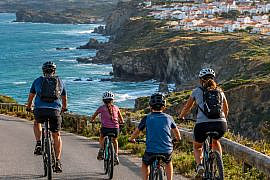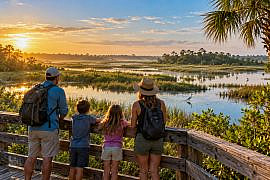


Colorado Springs with kids works well for families who want accessible mountain landscapes, short hikes, and outdoor adventures without committing to long backcountry travel. The city sits at the base of the Rocky Mountains, where foothill parks, canyon trails, and wildlife areas are all within short driving distance.
Families visiting Colorado Springs often find that many outdoor experiences can be completed in manageable activity windows. Short loop trails, scenic canyon stops, and nearby rafting rivers allow you to plan outdoor days that match children’s energy levels while still exploring dramatic landscapes.
This guide focuses on practical ways to explore Colorado Springs with kids through hiking areas, wildlife habitats, and regional river adventures. With clear planning and realistic pacing, the region offers a range of outdoor experiences that fit well into a short family trip.
If you have any comments/questions, please leave them below.
Table of Contents
Is Colorado Springs a Good Outdoor Adventure Base for Families?
Colorado Springs works well for families because many major hiking areas, wildlife habitats, and beginner-friendly mountain experiences are located within 10–40 minutes of the city.
Planning Snapshot
• Elevation: about 6,000 ft (plan a slower first day for adjustment)
• Typical activity length: 1–3 hours
• Driving distance to major parks: usually under 40 minutes
• Best for: families who prefer short adventure windows rather than full-day expeditions
Colorado Springs sits along the eastern edge of the Rocky Mountains, where foothill parks meet high mountain terrain. For families traveling with children, this geography makes it possible to reach well-known outdoor areas quickly without committing to long hikes or complicated logistics.
Many parents underestimate how helpful short driving distances can be when planning outdoor activities with children. Being able to reach multiple trailheads within a short radius makes it easier to adapt plans if weather changes or energy levels drop.
Several well-known outdoor areas illustrate how compact the region is.
Garden of the Gods sits about 15 minutes from downtown Colorado Springs and offers paved and dirt trails around large sandstone formations. The main Central Garden Trail is roughly one mile long and works well for younger hikers who need clear paths and frequent visual landmarks.
North Cheyenne Cañon Park lies roughly 20 minutes southwest of the city center and provides cooler canyon hiking conditions. Helen Hunt Falls is accessible via a short walk from the parking area, which makes it a useful stop for families adjusting to elevation or traveling with younger children.
Red Rock Canyon Open Space sits about 10 minutes west of downtown and offers quieter hiking alternatives to Garden of the Gods. Short loop trails and open terrain allow families to explore without committing to longer backcountry routes.
Quick Planning Comparison
Garden of the Gods
• easiest access from town
• short paved walking routes
• often busy midday
North Cheyenne Cañon Park
• cooler canyon environment
• waterfalls and shaded trails
• short scenic drives available
Red Rock Canyon Open Space
• fewer crowds than Garden of the Gods
• flexible trail loops
• good option for short afternoon hikes
When deciding where to start, consider both elevation adjustment and child energy levels. Families arriving from lower elevations often benefit from choosing shorter walks on their first day before attempting longer hikes in surrounding mountain areas.
The weather can also shift quickly in the foothills. Afternoon thunderstorms are common in summer, which makes morning activity windows the most reliable planning strategy.
The City of Colorado Springs Parks and Recreation Department maintains current information on park access, trail closures, and visitor guidelines. Checking this source helps families confirm trail conditions and seasonal restrictions before visiting major outdoor areas.
Planning Takeaway
If your priority is iconic scenery and easy walking paths, start with Garden of the Gods.
If you want shaded trails and waterfall stops that help children adjust to elevation, North Cheyenne Cañon Park is often a better first-day choice.
If you prefer quieter trails with flexible hiking loops close to town, Red Rock Canyon Open Space usually offers the most relaxed experience for families.
What Outdoor Adventures in Colorado Springs Work Best for Kids?
The outdoor activities that work best for kids in Colorado Springs usually combine short distances, visible landmarks, and flexible turnaround points.
Planning Snapshot
• Ideal hike length: 1–3 miles
• Typical activity duration: 60–120 minutes
• Best time of day: morning or early evening
• Main challenge: sun exposure and elevation fatigue
Families often enjoy outdoor activities more when routes include clear visual features such as rock formations, waterfalls, or wildlife habitats. These environments keep children engaged while allowing parents to adjust plans if energy levels drop.
Colorado Springs offers several parks where these conditions are common.
Short Scenic Hiking Areas
Garden of the Gods
Garden of the Gods provides one of the easiest outdoor hiking environments for families visiting Colorado Springs.
Planning considerations
• Central Garden Trail is about 1 mile
• paved sections suitable for strollers
• frequent viewpoints and rest stops
Why This Works Well for Kids
• large sandstone formations provide visual landmarks
• short loop trails allow easy turnarounds
• visitor center and restrooms nearby
Because trails are short and clearly marked, many families choose this park for their first outdoor activity after arriving in Colorado Springs.
North Cheyenne Cañon Park

North Cheyenne Cañon Park provides shaded canyon hiking and several short waterfall stops.
Planning considerations
• cooler temperatures than open foothill parks
• short hikes near parking areas
• scenic canyon drive through the park
Easy Stop for Families
Helen Hunt Falls is one of the easiest destinations in the canyon.
Families can reach the waterfall with a short walk from the parking area, making it a useful stop when traveling with younger children or when adjusting to elevation.
Red Rock Canyon Open Space
Red Rock Canyon Open Space offers quieter hiking trails and open terrain near the western edge of Colorado Springs.
Planning considerations
• several short loop trails
• open red rock formations similar to Garden of the Gods
• fewer crowds during most hours
Flexible Exploration
Children often enjoy this park because the open terrain allows short exploration breaks without committing to long hiking distances.
Wildlife Viewing Opportunities
Wildlife sightings often become one of the most memorable parts of outdoor trips for children.
Common animals in the foothill parks around Colorado Springs include:
• bighorn sheep
• mule deer
• hawks and other birds of prey
Wildlife activity usually improves when families:
• begin hikes early in the morning
• move slowly and quietly on trails
• avoid crowded midday periods
Mountain Railway Access to High Elevation
Families interested in reaching high mountain environments without hiking steep terrain sometimes choose the Pikes Peak Cog Railway.
The railway climbs to the summit of Pikes Peak, allowing families to reach alpine environments without a long climb.
Planning considerations
• summit elevation exceeds 14,000 feet
• temperatures are much colder at the summit
• weather can change quickly
Children can experience altitude effects at this elevation, so shorter summit visits and warm layers are usually helpful.
Quick Planning Comparison
Garden of the Gods
• easiest access from town
• short paved walking routes
• most recognizable rock formations
North Cheyenne Cañon Park
• shaded canyon hiking
• waterfalls and scenic drives
• cooler summer conditions
Red Rock Canyon Open Space
• quieter hiking environment
• flexible trail loops
• fewer crowds than the Garden of the Gods
Colorado Parks and Wildlife provides official information about wildlife habitats, park regulations, and outdoor safety guidance across the Colorado Springs region.
Planning Takeaway
If your priority is iconic scenery with short hiking distances, Garden of the Gods usually provides the easiest outdoor experience for families.
If cooler hiking conditions and waterfall stops matter more, North Cheyenne Cañon Park often offers a better environment for younger children.
If your family prefers quieter trails with flexible exploration space, Red Rock Canyon Open Space usually provides the most relaxed hiking experience.
Where Can Families Go White Water Rafting Near Colorado Springs?
Families looking for rafting near Colorado Springs typically travel to the Arkansas River corridor, where several river sections offer beginner-friendly rapids suitable for children.
Planning Snapshot
• Driving distance from Colorado Springs: about 1.5–2 hours
• Typical rafting duration: 2–4 hours on the river
• Minimum age: usually 6–8, depending on water levels
• Best season: May–August
Colorado Springs itself is not located directly on a major rafting river. Most rafting trips begin along the Arkansas River west of the city.
For families traveling with children, the most reliable rafting trips occur on river sections with moderate rapids and predictable water conditions. These trips balance excitement with safety and typically include calm stretches between rapids.
Families who want to add a river day to their itinerary should review the available options for white water rafting near Colorado Springs before choosing a section of the Arkansas River. This helps you compare trip length, typical rapid intensity, and which rafting stretches are usually the best fit for children and first-time family rafters.
Family-Friendly Rafting Sections
Bighorn Sheep Canyon

Bighorn Sheep Canyon is one of the most commonly recommended rafting sections for families.
Planning considerations
• rapids typically rated Class II–III
• canyon scenery with frequent wildlife sightings
• rafting distance typically 8–10 miles
Why Families Choose This Section
• shorter rafting trips compared with other river sections
• steady sequence of moderate rapids
• calmer stretches between rapids allow rest breaks
Wildlife sightings, particularly bighorn sheep along canyon walls, are common along this stretch of river.
Brown’s Canyon National Monument
Brown’s Canyon offers a scenic rafting route through a protected landscape with a mix of rapids and calm water.
Planning considerations
• rapids typically rated Class II–III
• longer scenic stretches between rapids
• suitable for families with older children
Landscape and River Conditions
Brown’s Canyon includes wide sections of river where boats drift through mountain scenery before entering moderate rapids.
The surrounding landscape is protected as a national monument, which limits development and preserves the natural river corridor.
Seasonal River Conditions
River conditions on the Arkansas River change significantly throughout the rafting season.
Spring Snowmelt (May–June)
Snowmelt from the Rocky Mountains produces the highest river flows.
Planning implications
• faster-moving water
• rapids may feel more intense
• outfitters sometimes increase minimum age requirements
Mid to Late Summer (July–August)
Water levels typically decline slightly as snowmelt subsides.
Planning implications
• more predictable rapids
• warmer air temperatures
• conditions often preferred for younger rafters
Quick Planning Comparison
Bighorn Sheep Canyon
• shorter rafting trips
• consistent Class II–III rapids
• frequently recommended for families
Brown’s Canyon National Monument
• longer scenic rafting sections
• moderate rapids mixed with calmer water
• suitable for families with older children
Lower Arkansas River sections
• calmer water later in the season
• warmer temperatures
• sometimes used for beginner rafting trips
The Bureau of Land Management manages Brown’s Canyon National Monument and provides official guidance about river access, safety considerations, and conservation rules for the Arkansas River corridor.
Planning Takeaway
If your priority is a shorter rafting trip with steady beginner-friendly rapids, Bighorn Sheep Canyon is often the easiest section for families.
If your family prefers longer scenic floats with a mix of calm water and moderate rapids, Brown’s Canyon typically offers the most balanced rafting experience.
If traveling later in the summer when river levels drop, some lower Arkansas River sections may provide calmer conditions for younger children.
Where Can Families See Wildlife Near Colorado Springs?
Several parks and open landscapes near Colorado Springs allow families to see wildlife with short walks, roadside stops, or brief hikes.
Planning Snapshot
• Best viewing times: early morning or dusk
• Typical effort: short walks under 1 mile
• Common animals: bighorn sheep, mule deer, raptors
• Main challenge: animals are less active midday
Wildlife viewing near Colorado Springs is most successful when families choose locations with open terrain and short trails. These environments allow children to stay engaged while still giving good visibility across meadows, cliffs, or canyon slopes.
Families often see more wildlife when they begin outdoor activities early in the day and move slowly through viewing areas.
Wildlife Viewing Areas Near Colorado Springs
Garden of the Gods
Garden of the Gods is one of the easiest places near the city to spot wildlife.
The park’s sandstone formations and open terrain create habitat for bighorn sheep and birds of prey.
Planning considerations
• Central Garden Trail provides wide viewing areas
• animals often appear near rock formations and ridgelines
• early morning visits improve viewing chances
Because trails are short and clearly defined, this park works well for families traveling with younger children.
Mueller State Park

Mueller State Park sits about 45 minutes west of Colorado Springs and offers one of the region’s most reliable wildlife environments.
The park includes forests, open meadows, and hillside habitats where larger animals often appear.
Planning considerations
• mule deer and elk are commonly seen
• several family-friendly loop trails
• meadow viewpoints provide long-distance visibility
Families often find wildlife in the early morning near meadow edges.
North Cheyenne Cañon Park
North Cheyenne Cañon Park provides a different wildlife environment within a shaded canyon landscape.
Planning considerations
• birds of prey frequently circle canyon walls
• mule deer occasionally appear near creek corridors
• scenic canyon drives create roadside viewing opportunities
This park works well for families combining short hikes with waterfall stops.
Wildlife Viewing Tips for Families
Timing
Animals are most active during cooler parts of the day.
Typical viewing windows
• early morning before crowds arrive
• dusk when temperatures begin to drop
Midday activity usually decreases, particularly during summer.
Movement and Noise
Wildlife encounters are more likely when families move slowly and keep noise levels low.
Helpful practices include
• pausing frequently to scan surrounding terrain
• watching rock ledges and meadow edges
• using quiet observation rather than approaching animals
Safety Considerations
Wildlife viewing requires maintaining distance from animals.
Families should:
• avoid approaching wildlife
• keep children close when animals are nearby
• never feed animals
Maintaining distance helps prevent dangerous encounters and protects wildlife behavior.
Quick Planning Comparison
Garden of the Gods
• closest wildlife viewing area to the city
• frequent bighorn sheep sightings
• short paved trails
Mueller State Park
• best location for mule deer and elk
• quieter environment
• meadow wildlife habitats
North Cheyenne Cañon Park
• canyon ecosystem with bird activity
• shaded trails and waterfall stops
• scenic wildlife viewing drives
Colorado Parks and Wildlife manages wildlife populations across the region and provides official guidance about safe wildlife viewing practices and seasonal animal activity patterns.
Planning Takeaway
If your priority is quick wildlife viewing close to the city, Garden of the Gods often provides the easiest sightings.
If your family hopes to see larger animals such as elk or mule deer, Mueller State Park usually offers better habitat and quieter viewing areas.
If combining wildlife observation with canyon scenery and waterfalls sounds appealing, North Cheyenne Cañon Park provides the most varied environment for families.
How Long Should Families Plan to Stay in Colorado Springs?
Most families find that 2–3 days in Colorado Springs allows enough time to explore the main outdoor parks, wildlife areas, and one regional adventure without rushing.
Planning Snapshot
• Short visit: 2 days
• Ideal stay: 3–4 days
• Typical activity window per day: 3–5 hours
• Main challenge: altitude adjustment and afternoon weather changes
Colorado Springs sits in a compact outdoor region where several major parks are located within a short driving distance of each other. Because of this concentration, families can experience several landscapes without committing to long travel days.
However, altitude and sun exposure can reduce children’s energy levels more quickly than many parents expect. A slower first day and moderate daily activity windows usually improve the experience for younger travelers.
Typical Family Travel Pacing
One Primary Outdoor Activity Per Day
Most families plan one major outdoor destination each day and then add shorter stops if energy levels allow.
A typical daily structure often looks like this:
Morning
• primary hike or outdoor activity
• cooler temperatures and calmer weather
Midday
• lunch, scenic drive, or rest break
Afternoon
• optional short trail or wildlife stop
This pacing works well because afternoon thunderstorms are common in summer and children often tire faster at higher elevations.
Elevation Adjustment
Colorado Springs sits at about 6,000 feet above sea level. Families arriving from lower elevations sometimes experience mild altitude fatigue during the first day.
Helpful adjustments include:
• starting with shorter hikes
• drinking more water than usual
• avoiding intense activity on the first afternoon
These adjustments are particularly helpful for younger children.
How Many Days Are Needed for Major Outdoor Areas?
Several of the most popular outdoor destinations near Colorado Springs can be comfortably visited within a short stay.
Garden of the Gods
Garden of the Gods usually requires 1–2 hours to explore the main trails and viewpoints.
Many families visit this park on the first day because the short loop trails make it easy to adjust to elevation.
North Cheyenne Cañon Park
North Cheyenne Cañon Park can fill half a day or more depending on how many stops families include.
Common activities include:
• visiting Helen Hunt Falls
• short canyon hikes
• scenic drives deeper into the canyon
Arkansas River Rafting
Families planning rafting trips on the Arkansas River usually dedicate most of the day to the activity.
Planning considerations include:
• 1.5–2 hour drive from Colorado Springs
• safety briefing and shuttle logistics
• rafting trips lasting several hours
Quick Planning Comparison
2-day visit
• Garden of the Gods
• North Cheyenne Cañon Park
• short wildlife stop
3-day visit
• Garden of the Gods
• North Cheyenne Cañon Park
• Arkansas River rafting trip
4-day visit
• all major parks above
• additional wildlife viewing or state park visit
Seasonal Timing Considerations
Seasonality can influence how many activities families can comfortably include in a visit.
Summer
• warm daytime temperatures
• afternoon thunderstorms are common
Morning activity windows are often the most reliable.
Spring and Fall
• cooler hiking conditions
• fewer visitors in many parks
These seasons can allow longer activity windows for families.
Winter
• some mountain roads and trails may have snow
• certain higher-elevation activities may be limited
Planning Takeaway
If your priority is seeing the main outdoor highlights near Colorado Springs, a two-day visit can cover Garden of the Gods and North Cheyenne Cañon Park.
If you want to include rafting on the Arkansas River, a three-day stay usually provides the most balanced pacing.
If your family prefers shorter daily activities and slower exploration, a four-day visit allows additional time for wildlife viewing and nearby state parks.
Visit Colorado Springs is the official regional tourism organization and provides current information about park access, seasonal conditions, and visitor logistics that affect trip planning.
What Does a Realistic 3-Day Family Itinerary in Colorado Springs Look Like?
A realistic 3-day Colorado Springs itinerary for families balances short hikes, scenic stops, and one larger adventure while keeping daily activity windows manageable for children.
Planning Snapshot
• Ideal stay: 3 days
• Activity window per day: 3–5 hours
• Driving time between major sites: usually under 30 minutes
• Key planning factor: start outdoor activities early to avoid afternoon storms
Many families underestimate how quickly elevation, sun exposure, and trail conditions can affect children’s energy levels. Structuring each day around one primary outdoor destination with optional shorter stops often creates the most reliable pacing.
Day 1: Garden of the Gods and Red Rock Canyon

The first day usually works best when families choose shorter trails that help everyone adjust to elevation.
Garden of the Gods
Garden of the Gods provides the easiest introduction to hiking in Colorado Springs.
Planning considerations
• Central Garden Trail is about 1 mile
• paved sections allow easy walking
• multiple viewpoints create natural stopping points
Why This Works Well for the First Day
• short walking distances
• clear trails and visitor facilities
• flexible turnaround points for younger children
Most families spend 60–90 minutes exploring the main loop trails.
Red Rock Canyon Open Space
Red Rock Canyon Open Space offers a quieter hiking environment just west of downtown.
Planning considerations
• short loop trails between 1–2 miles
• open terrain that allows children to explore safely
• fewer crowds than Garden of the Gods
Best Time to Visit
Late afternoon often works well here after the morning visit to Garden of the Gods.
The park’s open layout allows families to shorten or extend walks depending on energy levels.
Day 2: Canyon Hiking and Waterfall Stops
North Cheyenne Cañon Park provides shaded canyon trails and short waterfall hikes that work well for families.
North Cheyenne Cañon Park
This canyon park offers cooler hiking conditions and several short stops close to the road.
Planning considerations
• canyon drive with multiple pullouts
• shaded hiking routes
• shorter trails near waterfalls
Helen Hunt Falls
Helen Hunt Falls is one of the easiest scenic stops in the canyon.
Families can reach the waterfall with a short walk from the parking area, making it a practical stop for younger children.
Optional Short Canyon Trails
Several short trails extend deeper into the canyon.
These routes often allow 1–2 mile hikes without committing to longer backcountry routes.
Day 3: Arkansas River Rafting Adventure
Many families use the final day for a rafting trip along the Arkansas River.
Arkansas River Rafting Areas
Most rafting launches are located west of Colorado Springs along the Arkansas River corridor.
Planning considerations
• about 1.5–2 hour drive each way
• safety briefing and equipment fitting required
• rafting trips typically last several hours
Family-Friendly Rafting Sections
Bighorn Sheep Canyon is one of the most commonly recommended river sections for families.
Typical features include:
• Class II–III rapids
• calm stretches between rapids
• frequent wildlife sightings along canyon walls
Families should expect the rafting experience to occupy most of the day due to travel time and river logistics.
Quick Planning Comparison
Day 1
• Garden of the Gods
• Red Rock Canyon Open Space
Day 2
• North Cheyenne Cañon Park
• Helen Hunt Falls
Day 3
• Arkansas River rafting trip
Common Itinerary Mistakes Families Make
Several planning mistakes can make a short visit feel rushed.
Planning Too Many Activities Per Day
Children often tire faster at elevation.
Limiting each day to one primary outdoor destination usually produces a better experience.
Starting Outdoor Activities Too Late
Summer thunderstorms frequently develop in the afternoon.
Beginning hikes earlier in the morning often improves safety and trail conditions.
Underestimating Travel Time for Rafting Trips
Although rafting areas are within reach of Colorado Springs, travel time and river logistics typically make rafting a full-day activity.
Visit Colorado Springs is the official tourism authority for the region and provides updated visitor information, seasonal activity guidance, and park access details that help families plan realistic daily itineraries.
Planning Takeaway
If your family prefers shorter hiking days with iconic scenery, focus on Garden of the Gods and Red Rock Canyon.
If waterfalls and shaded canyon hiking are priorities, dedicate a day to North Cheyenne Cañon Park.
If you want to include a regional adventure, plan one full day for an Arkansas River rafting trip and keep the other days lighter.
What Safety and Planning Factors Should Families Consider in Colorado Springs?
Families visiting Colorado Springs should plan for altitude, strong sun exposure, and fast-changing mountain weather, all of which affect outdoor safety and daily activity planning.
Planning Snapshot
• Elevation: about 6,000 ft in the city
• Primary risks: dehydration, sun exposure, sudden storms
• Best activity window: early morning
• Key preparation: water, sun protection, flexible schedules
Colorado Springs sits at the base of the Rocky Mountains, where weather and terrain can change quickly. Families who plan for these environmental factors usually find outdoor activities easier and more comfortable.
Parents often underestimate how quickly altitude and sun exposure affect children. Shorter activity windows and consistent hydration help reduce fatigue and headaches during the first day or two.
Altitude Adjustment
Visitors arriving from lower elevations sometimes experience mild altitude fatigue.
Symptoms may include:
• tiredness during short hikes
• headaches
• faster dehydration
Practical Adjustments for Families
Families can reduce altitude effects by adjusting activity pacing during the first day.
Helpful strategies include:
• choosing shorter hikes on arrival day
• drinking water regularly throughout the day
• avoiding intense afternoon activity
These adjustments are particularly helpful for younger children.
Sun Exposure at Higher Elevation
Sun exposure increases noticeably at higher elevations because the atmosphere is thinner.
Families often notice stronger sun effects even during short hikes.
Protection Strategies
Parents typically prepare with:
• wide-brim hats or caps
• sunscreen applied before hiking
• lightweight long-sleeve clothing
These precautions are especially helpful during open foothill hikes such as those found at Garden of the Gods or Red Rock Canyon Open Space.
Afternoon Thunderstorms
During summer, thunderstorms frequently develop in the mountains during the afternoon.
These storms can produce:
• sudden rain
• lightning
• rapidly changing temperatures
Activity Timing
Families usually reduce weather risk by starting outdoor activities earlier in the day.
Typical planning approach
• hiking between 7–11 a.m.
• avoiding exposed terrain later in the afternoon
Short morning activity windows often provide the most stable weather conditions.
Wildlife Safety
Wildlife encounters occasionally occur in foothill parks near Colorado Springs.
Common animals in the region include:
• bighorn sheep
• mule deer
• birds of prey
Safe Wildlife Viewing Practices
Families should plan to:
• maintain distance from wildlife
• avoid feeding animals
• supervise children closely near animals
These practices protect both visitors and wildlife habitats.
Trail and Terrain Awareness
Many foothill trails involve uneven surfaces, loose gravel, or exposed rock.
Children often move more confidently when parents allow extra time and encourage slower pacing on these sections.
Helpful preparation includes:
• closed-toe hiking shoes
• small daypacks with water and snacks
• flexible turnaround points on longer trails
These small adjustments often make outdoor activities smoother for families.
The National Park Service publishes widely used safety guidance for mountain environments, including altitude awareness, weather preparedness, and wildlife safety practices that apply throughout the Rocky Mountain region.
Planning Takeaway
If your family is arriving from lower elevations, begin with shorter hikes on the first day and increase activity gradually.
If summer thunderstorms are common during your visit, plan outdoor activities early in the morning.
If wildlife encounters occur, maintain distance and treat sightings as observation opportunities rather than close interactions.
When Is the Best Time to Visit Colorado Springs With Kids?
The best time to visit Colorado Springs with kids is typically late spring through early fall, when most hiking trails, wildlife areas, and rafting trips are fully accessible.
Planning Snapshot
• Most reliable outdoor season: May–September
• Warmest months: June–August
• Peak rafting flows: May–June
• Key planning factor: afternoon summer thunderstorms
Seasonality affects trail conditions, wildlife activity, and river flows across the Colorado Springs region. Families often plan visits around outdoor access rather than temperature alone.
Choosing travel dates that match your family’s activity priorities usually produces a smoother experience.
Spring (April–May)
Spring brings warming temperatures and increasing snowmelt in nearby mountains.
H3 Spring travel works well for families who want fewer crowds and strong river flows for rafting.
Outdoor Conditions
Spring conditions often include:
• mild daytime hiking temperatures
• fewer visitors in major parks
• active wildlife movement
Higher elevation trails may still have snow early in the season.
Rafting Season Begins
Snowmelt from the Rocky Mountains increases river flows along the Arkansas River.
This period often produces:
• stronger rapids
• faster river speeds
• earlier rafting season openings
Families with younger children sometimes prefer waiting until mid-summer when river levels stabilize.
Summer (June–August)
Summer provides the most consistent access to hiking trails and outdoor parks near Colorado Springs.
H3 Summer offers the widest range of outdoor activities but requires earlier activity timing due to afternoon storms.
Hiking Conditions
Typical summer conditions include:
• warm daytime temperatures
• cooler mornings at elevation
• dry trails in foothill parks
Morning hikes are usually more comfortable for children.
Afternoon Thunderstorms
Mountain thunderstorms commonly develop during summer afternoons.
Planning implications
• lightning risk increases later in the day
• exposed trails may become unsafe
• earlier hiking schedules reduce risk
Families often plan outdoor activities before midday and reserve afternoons for shorter stops.
Fall (September–October)
Fall provides cooler hiking conditions and smaller crowds throughout the region.
H3 Fall often provides the most comfortable hiking weather for families.
Trail Conditions
Typical fall conditions include:
• cooler daytime temperatures
• stable weather patterns
• clear mountain views
These conditions allow longer activity windows compared with mid-summer.
Wildlife Viewing
Wildlife activity often increases during fall.
Families sometimes see:
• mule deer
• elk in nearby mountain parks
• birds of prey along canyon cliffs
Winter (November–March)
Winter visits offer fewer outdoor options but quieter parks and occasional snow scenery.
H3 Winter visits are possible but require flexible planning due to snow and road conditions.
Winter Outdoor Activities
Some activities still remain available:
• short hikes in lower foothill parks
• scenic drives
• snowshoeing in nearby mountain areas
Higher elevation trails and mountain roads may close during winter storms.
Quick Planning Comparison
Spring
• fewer visitors
• stronger rafting flows
• some high trails may have snow
Summer
• full access to parks and trails
• afternoon thunderstorms common
• best season for family travel
Fall
• cooler hiking temperatures
• fewer crowds
• stable weather conditions
Winter
• limited hiking access
• snow conditions in higher areas
• quieter parks
The U.S. National Weather Service provides regional climate records and current forecasts that help families plan travel dates based on seasonal weather patterns.
Planning Takeaway
If your priority is the widest range of outdoor activities, summer usually provides the most consistent access.
If you prefer cooler hiking temperatures and smaller crowds, early fall often offers the most comfortable conditions.
If rafting is a priority, late spring and early summer typically provide the strongest river flows along the Arkansas River.
Final Thoughts – Colorado Springs with Kids
Colorado Springs with kids works best when you approach the region with realistic pacing and a focus on accessible outdoor experiences. Short hikes, canyon trails, wildlife areas, and nearby rafting rivers make it possible to plan days that balance adventure with manageable activity windows for children.
With clear preparation and thoughtful timing, the landscapes around Colorado Springs become straightforward to explore. Understanding how the parks connect, when to begin outdoor activities, and how to match destinations with your family’s energy levels helps turn the region into a practical base for outdoor family travel.
FAQs – Colorado Springs with Kids
- Q: Is Colorado Springs good for kids? A: Yes. Colorado Springs works well for families because many outdoor attractions are close together and accessible with short hikes. Parks such as Garden of the Gods, Red Rock Canyon Open Space, and North Cheyenne Cañon Park offer trails that are manageable for children while still providing dramatic scenery.
- Q: What are the best outdoor things to do in Colorado Springs with kids? A: Families commonly enjoy hiking at Garden of the Gods, exploring waterfalls in North Cheyenne Cañon Park, visiting Red Rock Canyon Open Space, riding the Pikes Peak Cog Railway, and taking rafting trips on the Arkansas River.
- Q: How many days do you need in Colorado Springs with kids? A: Most families find that 2–3 days allows enough time to visit the main parks, complete several short hikes, and include one larger activity such as rafting or a scenic mountain railway trip.
- Q: Can kids go white water rafting near Colorado Springs? A: Yes. Many outfitters on the Arkansas River offer beginner-friendly rafting trips with minimum ages typically between 6 and 8 depending on water levels. Bighorn Sheep Canyon and Brown’s Canyon are commonly recommended sections for families.
- Q: What age is best for visiting Colorado Springs with kids? A: Colorado Springs works well for children ages 5 and older because many trails and outdoor activities fall within the 1–3 mile range. Younger children can still enjoy shorter walks and scenic stops such as Garden of the Gods or Helen Hunt Falls.
- Q: Is Colorado Springs safe for family outdoor adventures? A: Yes, but families should plan for altitude, strong sun exposure, and changing weather. Starting hikes early in the day, carrying water, and checking trail conditions help reduce common outdoor risks.
- Q: When is the best time to visit Colorado Springs with kids? A: Late spring through early fall typically offers the best conditions for outdoor activities. Summer provides the widest access to parks and trails, while early fall often brings cooler hiking weather and smaller crowds.
- Q: Can you see wildlife near Colorado Springs? A: Yes. Wildlife such as bighorn sheep, mule deer, and birds of prey can often be seen in parks like Garden of the Gods, Mueller State Park, and North Cheyenne Cañon Park, especially during early morning or evening hours.
- Q: Are there easy hikes for kids in Colorado Springs? A: Yes. The Central Garden Trail at Garden of the Gods, trails in Red Rock Canyon Open Space, and short routes in North Cheyenne Cañon Park are among the most accessible hiking options for families.
- Q: Is Colorado Springs a good base for outdoor adventures in Colorado? A: Yes. The city sits at the base of the Rocky Mountains and provides quick access to hiking trails, canyon parks, wildlife habitats, and rafting rivers, making it a practical base for outdoor-focused family trips.
+++BEFORE using this information, please read our Legal Disclaimer+++