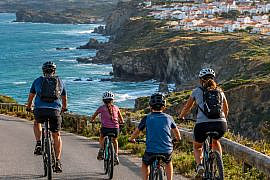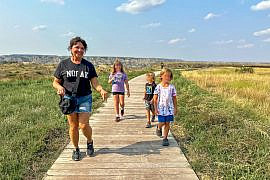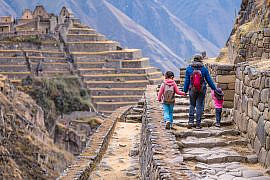


There is a part of southern Portugal where time slows down, the air feels wide open, and each winding lane invites you deeper into the landscape. This is Alentejo—a region often passed over by travelers rushing toward Lisbon or Porto, yet one that rewards those willing to journey at a gentler pace.
For families who value the kind of travel that fosters connection, conversation, and a shared sense of discovery, cycling through Alentejo’s quiet villages offers more than just exercise. It’s a way to immerse yourself in centuries of history, to feel the textures of rural life, and to let the rhythm of the road guide your days.
From cobbled hilltop towns to fields scented with cork oak and wild herbs, every stretch of the route becomes a chance to notice, together, the details that make this place so deeply memorable.
If you have any comments/questions, please leave them below.
Table of Contents
Why Alentejo Is Perfect for Family Travel
The region’s rolling hills, open spaces and low-traffic roads are ideal for families, especially those with older children or teens. The terrain is predominantly flat, open plains. You can adjust several routes based on your family’s fitness level, stamina and ages.
As you travel through the small towns and villages together, you will have several opportunities for rest, refreshment, discovery, learning, and family bonding. Stay within a comfortable distance from one another so you can easily plan stops, meal times, and lodging. The cultural heritage particularly benefits children who’ve grown up in cities or suburbs since they get a chance to experience a historically rich environment.
When to Go: Best Seasons and Weather for Cycling in Alentejo

Planning your trip at the right time of year can make the difference between a challenging ride under the scorching sun and a comfortable journey through the countryside. The climate in southern Portugal varies by season, so understanding the weather patterns will help you choose dates that match your family’s abilities and preferences.
Ideal Seasons for Cycling in Alentejo Portugal
For most families, spring (March to May) and autumn (September to early November) offer the most pleasant cycling conditions in Alentejo. During these months, temperatures are generally mild, and the landscapes are at their most vibrant. Spring brings wildflowers and green hillsides, while autumn offers golden fields and grape harvests in the wine-growing areas.
Summer (June to August) can be challenging due to high daytime temperatures, often exceeding 35°C (95°F). If you do choose to travel in summer, early morning or evening rides are essential to avoid the peak heat of the day. Winter (December to February) is cooler and quieter, but some rural services, such as small cafés or bike rental shops, may have reduced hours.
Average Temperatures and Rainfall
Understanding the average weather conditions will help you pack appropriately and plan your riding schedule:
- Spring: 15–25°C (59–77°F), moderate rainfall, longer daylight hours
- Summer: 25–35°C (77–95°F), low rainfall, very sunny
- Autumn: 18–28°C (64–82°F), low to moderate rainfall
- Winter: 10–17°C (50–63°F), occasional rain and cooler winds
For updated and detailed climate information, the Portuguese Institute for Sea and Atmosphere (IPMA) provides reliable weather data at https://www.ipma.pt.
Daylight Hours and Safety Considerations
Longer daylight hours in spring and summer give you more flexibility for riding and sightseeing, while autumn and winter require more precise planning to ensure you reach your accommodations before dark. Always factor in breaks for meals, hydration, and exploring villages along the route.
If traveling with children, aim for a daily riding schedule that ends at least an hour before sunset. This allows time for unexpected stops and ensures safe arrival in daylight.
Seasonal Events and Local Life
Choosing your travel dates can also align with regional festivals and cultural events, which can add an enriching layer to your cycling itinerary. For example:
- Spring: Easter celebrations in Évora and surrounding villages
- Summer: Local fairs and open-air music festivals
- Autumn: Wine harvest events in Alentejo’s vineyard towns
- Winter: Traditional Christmas markets in larger towns
While these events can be a memorable addition to your journey, they may also impact accommodation availability, so booking in advance is recommended.
By aligning your trip with the most favorable seasons for cycling in Alentejo Portugal, you will improve your comfort, safety, and ability to fully appreciate the region’s landscapes and heritage.
Safety Tips for Cycling in Rural Portugal with Kids
Cycling in Alentejo Portugal can be a rewarding and memorable experience for families, but riding through rural areas requires careful preparation and awareness. By planning ahead and following key safety practices, you can reduce risks and make your journey smoother for both adults and children.
Understanding Local Cycling Laws
Portugal has clear rules for cyclists, and knowing them before you ride will help you stay safe and avoid fines. Some key points include:
- Helmets are strongly recommended for all riders and are mandatory for children under 18 when using certain types of bikes.
- Cyclists must ride on the right-hand side of the road, following the same rules as motor vehicles.
- When riding in low light or at night, you must have both front (white) and rear (red) lights, as well as reflectors.
- Riding on motorways or high-speed roads is prohibited for bicycles.
The official Portuguese road code is available in English on various EU mobility sites and can help you review the most up-to-date regulations before your trip.
Choosing Safe Routes for Families
Rural Alentejo offers quiet backroads and scenic lanes, but not all are equally safe for younger riders. To help choose the right route:
- Opt for roads with low traffic volumes, especially those connecting smaller villages.
- Avoid stretches with steep climbs or sharp descents if your children are not experienced riders.
- Use cycling maps or GPS apps such as Komoot or Ride with GPS to identify bike-friendly paths.
- Check for dedicated cycling routes or trails near larger towns such as Évora or Monsaraz.
Preparing Your Equipment
Mechanical problems in rural areas can quickly turn a day trip into a difficult situation. Before setting out, ensure:
- All bikes are well-maintained, with brakes and gears working smoothly.
- Tyres are fully inflated and checked for wear.
- You carry a small toolkit including tyre levers, a spare tube, a pump, and a multi-tool.
- Children’s bikes and seats are securely fitted and adjusted to their size.
Staying Hydrated and Protected from the Sun
Alentejo’s climate, especially in summer, can be hot and dry. To keep everyone comfortable and safe:
- Carry at least one litre of water per person for shorter rides, and more for longer ones.
- Wear breathable, light-coloured clothing to reduce heat absorption.
- Apply sunscreen with high SPF, and reapply during breaks.
- Use sunglasses and brimmed helmets or caps for sun protection.
Planning for Emergencies
Even well-planned trips can encounter unexpected challenges. Consider:
- Save local emergency numbers, including 112 for urgent assistance.
- Knowing the location of the nearest town or village with medical services.
- Inform your accommodation host or tour provider of your intended route and estimated return time.
When cycling in Alentejo, Portugal, with children, safety preparation is as important as route planning. By following these steps, you’ll create a safer, more enjoyable environment for everyone in your group and be better equipped to handle the unexpected.
3 Villages to Cycle Through in Alentejo
1. Monsaraz

Monsaraz is considered one of the prettiest medieval villages, located on a high hill with a castle. The cycling journey to Monsaraz is as memorable as the destination itself. As families approach the village, they’ll be greeted by the sight of the Alqueva Lake, which stretches across 100 square miles and is one of the largest artificial lakes in Western Europe. The area is full of cobbled streets and scenic views, a treat for families cycling through the village.
In addition to the lake, the Monsaraz castle is a must-see. This attraction offers stunning views and a glimpse into the village’s historical importance. The castle was built in the 14th century by King Afonso III and is locally known as Castelo de Monsaraz. It stood for several years as a military stronghold. The castle’s walls have four historic entrances encompassing the village’s history.
For families seeking a cycling challenge with a rewarding payoff, Monsaraz is the perfect destination. The climb to the village is a test of endurance, but the stunning views from the castle and the charm of the cobbled streets make it all worthwhile.
The Monsaraz village is in the Évora district. After cycling through the historical place, visit the Évora UNESCO World Heritage Site, which also offers a blend of historical scenic countryside routes. If your family prefers more structure, join a guided cycling tour so you get the whole experience and learn more about the tourist attraction.
You can also bike to the Roman Temple of Évora, which was dedicated to the Roman emperor Augustus and showcases Évora’s rich history. The Cathedral of Évora is another great destination. It’s the largest medieval cathedral in Portugal and is one of the city’s most prominent landmarks.
2. Marvão

Marvão is nestled away in a quiet but historically rich part of Portugal. This hidden gem looks like a fantasy when you reach its location at the top of the Serra de São Mamede mountains. The stone-paved streets make for a comfortable cycling experience past the white-washed, flower-decked houses.
The village is close to the Spanish border. While it’s tucked away, tourists have visited this major attraction for years to experience the scenic views. The medieval walls that enclose the village appear to grow from the rocks, making it a unique experience. While the climb is steep, the site is beautiful, and families can cycle from the Serra de São Mamede Natural Park to the Marvão before conquering the big climb together. Wildlife lovers will enjoy watching various animal species in their natural habitat at the natural park.
The trip is memorable, but the challenging hills require some endurance. Before you ride this demanding journey, it’s worth taking a moment to consider your bicycle’s reliability. The steep climbs and rapid descents put a lot of stress on a bike’s components, so it’s crucial to ensure all the screws and bolts that hold everything together are secure. Most fasteners are made of low- to medium-carbon steel precisely so they can handle the constant force of a ride like this, so keep them properly tightened to stay safe on the mountain.
3. Évora Monte
Évora Monte is another beautiful town distinguished by its historic castle. Like the other towns, it’s significant in ancient history. The stories of Évora Monte’s people are visible in the details of the walls, such as the varying stonework that shows different periods of construction and repair.
Getting up to the castle may prove challenging due to the steep incline, but cycling and walking through the village itself is easier than driving because of the narrow, winding streets and limited parking. While uphill, the cycle to Évora Monte offers rewarding views of the surrounding countryside.
The village is significant since it’s the location where the Convention of Évora Monte was signed in 1834, ending the Portuguese Liberal Wars. This event marked a turning point in Portuguese history. While it marks a historical war, it’s become a peaceful place to admire the town’s roots and design over time. You can also visit the church and cemetery within the village walls.
Other Areas to Visit on Your Cycling Journey
If you want to check out a more bustling area or give your legs a rest for a bit by taking a bus or car to another location, Portugal offers plenty of options for cyclists to continue exploring.
Vila Viçosa
For families who want to cycle in larger towns, Vila Viçosa is a two-hour cycle from Évora Monte and is known for its royal route. Due to the distance and some hilly sections, this cycle is best suited for experienced cyclists. This elegant town is known for its royal palace, marble-paved streets, and tranquil atmosphere, which makes it ideal for families who want a mix of outdoor exploration and cultural depth.
Also known as the Princess of Alentejo, the town is home to churches, convents, palaces, and museums. The Ducal Palace is the centerpiece of the royal route. The museum is the Duke of Braganza’s former residence. Visiting the palace lets you experience the grandeur of royal life. It houses furniture, royal portraits, and various artifacts belonging to the Portuguese royal family. The town’s architecture and marble reflect the wealth and power of the Braganza dynasty.
Arraiolos

When you’re done exploring villages and bigger cities, take a bus or hire a vehicle that can hold your bikes and visit Arraiolos. It is the rural heart of the region. It’s known for its handwoven carpets, a centuries-old craft. The landscape has rolling hills, open plains, and quiet country roads. This makes it suitable for various types of cycling, from leisurely rides to more challenging routes.
You can ride through majestic scenery and connect with nature. Some particularly beautiful sites are the cork oak forests, vineyards, and olive groves. Stop at the iconic Arraiolos Castle Loop if you’re more of an expert cycler and adventurous type.
Where to Rent Bikes and Gear in Alentejo
If you plan to experience cycling in Alentejo Portugal, without bringing your own equipment, you’ll find a number of local rental shops and tour operators that cater to both casual riders and serious cyclists. Renting locally not only saves the hassle of transporting bikes but also ensures you have models suited to the terrain and your family’s needs.
Types of Bikes and Gear Available
Most rental shops in the Alentejo region offer a range of options, including:
- Hybrid bikes are suitable for mixed road and gravel surfaces
- Mountain bikes for routes with more rugged terrain
- E-bikes for riders who want extra assistance on climbs
- Children’s bikes in various sizes
- Trailers, tag-along bikes, and child seats for younger family members
Helmets, locks, repair kits, and lights are typically available for rent or included in the package. If you are cycling with children, confirm that helmets meet EU safety standards.
Recommended Rental Locations
While small villages may have limited rental options, larger towns and cities in Alentejo often serve as good starting points. Some options to consider include:
- Évora: A hub for cycling in Alentejo, Portugal, with several rental shops offering both short- and long-term hire.
- Monsaraz area: Local tour companies sometimes rent bikes even if you are not booking a full guided trip.
- Vila Viçosa and surrounding towns: Smaller operations that may have a limited fleet but are closer to certain scenic routes.
When possible, book in advance, especially if you need multiple children’s bikes or e-bikes, as availability can be limited during peak travel months.
Costs and Booking Tips
Rental prices vary depending on the bike type, rental duration, and whether delivery is included. As a general guide:
- Standard hybrid or mountain bikes: €15–€25 per day
- E-bikes: €35–€50 per day
- Child bikes or trailers: €10–€20 per day
Some providers offer multi-day discounts, and many will deliver bikes to your accommodation for an additional fee.
Questions to Ask Before Renting
To ensure the best fit and reliability, consider asking the rental shop:
- Are the bikes serviced regularly, and when was the last maintenance done?
- Is a helmet included in the price?
- Are spare tubes, pumps, and basic tools provided?
- Can you deliver and collect the bikes at my accommodation?
- Are there size options for both adults and children?
Having the right bikes and gear can make a significant difference in your comfort and enjoyment when cycling in Alentejo, Portugal. By arranging rentals through reputable local providers, you can focus on the journey itself rather than worrying about equipment issues along the way.
Sample 3- to 5-Day Family Cycling Itinerary
If you want to turn your time cycling in Alentejo Portugal, into a multi-day adventure, planning an itinerary in advance will help you pace the trip and make the most of each destination. This sample route balances family-friendly distances, cultural experiences, and scenic highlights, while allowing flexibility for different skill levels.
Day 1: Évora to Monsaraz (Approx. 45 km)
- Start in Évora, a UNESCO World Heritage city, where you can explore the Roman Temple and the Cathedral before setting off.
- Ride through rolling countryside, passing olive groves and cork oak forests.
- Arrive in Monsaraz in the late afternoon and enjoy sunset views over Alqueva Lake.
- Overnight in Monsaraz.
Day 2: Monsaraz to Vila Viçosa (Approx. 40 km)
- Begin with a relaxed morning exploring Monsaraz Castle and cobbled streets.
- Cycle towards Vila Viçosa, stopping at small villages for refreshments.
- On arrival, visit the Ducal Palace and marble-paved streets.
- Overnight in Vila Viçosa.
Day 3: Vila Viçosa to Arraiolos (Approx. 35 km)
- Depart Vila Viçosa and take quieter backroads through farmland.
- Arrive in Arraiolos, known for its handwoven carpets and hilltop castle.
- Take a short loop ride around the Arraiolos Castle if time and energy allow.
- Overnight in Arraiolos.
Optional Day 4: Arraiolos to Évora Monte (Approx. 30 km)
- For families who want an extra challenge, cycle to Évora Monte, climbing to the historic castle and enjoying sweeping countryside views.
- Explore the village’s narrow streets before returning to Arraiolos or continuing on to Évora.
Optional Day 5: Local Loops or Short Excursions from Évora
- Use this day for shorter rides to nearby vineyards, megalithic monuments, or family-friendly trails around Évora.
- This is a good opportunity to explore at a slower pace or rest before returning home.
Tips for Adapting the Itinerary
- Adjust daily distances based on your children’s ages and stamina.
- Consider using e-bikes if your group prefers to maintain steady progress on hilly sections.
- Book accommodation in advance, especially during spring and autumn when cycling in Alentejo Portugal is most popular.
- Factor in time for rest days if your trip exceeds three days.
This itinerary offers a balance of heritage towns, countryside cycling, and manageable distances, making it a practical framework for families who want a structured yet flexible adventure in the Alentejo.
Packing Checklist for a Family Cycling Trip in Alentejo
Having the right gear can make cycling in Alentejo Portugal more comfortable, safe, and enjoyable for the whole family. While the region’s landscapes and villages are inviting, rural distances and variable weather mean you should pack carefully. This checklist is designed to cover essentials for different seasons and help you avoid common oversights.
Essential Cycling Gear
- Well-fitted helmets for each rider, meeting EU safety standards
- Water bottles or hydration packs, with capacity for at least one litre per person
- Front and rear bike lights, plus reflectors for visibility
- Repair kit with spare tubes, tyre levers, a pump, and a multi-tool
- Bike lock for securing bikes during stops
- Panniers or handlebar bags to distribute weight evenly
Clothing and Footwear
- Padded cycling shorts or trousers for comfort on longer rides
- Breathable, moisture-wicking tops for warm days
- Lightweight waterproof jacket in case of rain
- Gloves to reduce hand fatigue and improve grip
- Sturdy trainers or cycling shoes with good traction
- Sunglasses for sun and wind protection
Items for Children
- Child-specific helmets and properly adjusted bikes or seats
- Snacks that travel well, such as granola bars or dried fruit
- Light entertainment for breaks, such as a small book or sketchpad
- Sun hat or cap for off-bike activities
Navigation and Safety
- GPS device, cycling app, or printed maps of your planned routes
- Charged mobile phone with local SIM card or roaming enabled
- List of emergency contacts, including local numbers and your accommodation hosts
- First-aid kit with basic supplies such as adhesive plasters, antiseptic wipes, and any personal medications
Seasonal Extras
- Spring and autumn: Lightweight layers for cool mornings and warmer afternoons
- Summer: High SPF sunscreen, electrolyte tablets, and extra water capacity
- Winter: Thermal base layers, windproof gloves, and a buff or scarf for warmth
Packing Tips
- Distribute weight evenly between bikes to improve handling.
- Store heavier items low and towards the bike’s centre for better balance.
- Keep valuables, documents, and electronics in waterproof pouches.
- Prepare a small “day kit” for quick access to snacks, sunscreen, and maps.
By bringing the right combination of safety gear, clothing, and supplies, you will be better prepared for the varied terrain and conditions you may encounter while cycling in Alentejo Portugal. Careful packing also reduces the chance of last-minute purchases, allowing you to focus on enjoying the journey.
The Joy of Traveling Through Hidden Gems
It is profound to spend time with your loved ones as you cycle through the hidden villages of Alentejo and learn about moments that changed history. Tourism boards don’t craft these destinations — they’re real communities that live and breathe with an authentic rhythm.
Whether you’re cycling under the shade of olive trees or hearing stories from villagers, the experience stays with you because it’s about the experience and memories you make.
Final Thoughts – Cycling in Alentejo Portugal
By the time your journey through Alentejo comes to an end, you may find that the kilometers ridden matter less than the moments shared. It could be a long pause in the shade of an olive tree, a spontaneous chat with a shopkeeper, or the quiet satisfaction of reaching a village square at day’s end. These are not curated, staged experiences—they are part of the region’s daily life, and by cycling through it, you and your family become part of it too, if only for a while.
Whether your route winds past medieval walls, across sunlit plains, or along the edge of a lake, the gift of cycling in Alentejo, Portugal lies in how it encourages you to slow down, notice more, and carry home a story that belongs entirely to your family.
FAQs – Cycling in Alentejo Portugal
- Q: When is the best time of year for cycling in Alentejo Portugal with a family?
A: Spring (March to May) and autumn (September to early November) are generally the most comfortable, with mild temperatures, longer daylight hours, and vibrant landscapes. Summer can be very hot, so early morning or evening rides are essential, while winter offers quieter roads but cooler weather and reduced rural services. - Q: Are the cycling routes in Alentejo suitable for children?
A: Many rural routes in Alentejo are low-traffic and relatively flat, making them suitable for older children and teens. However, some towns like Marvão and Évora Monte involve steep climbs, so route selection should match your child’s cycling ability and endurance. - Q: Do we need to bring our own bikes and gear?
A: You can rent bikes and equipment in larger towns such as Évora, Monsaraz, and Vila Viçosa. Rental shops typically offer hybrid bikes, mountain bikes, e-bikes, children’s bikes, and accessories like trailers and helmets. Booking in advance is recommended, especially for family-specific gear. - Q: What safety precautions should we take when cycling in Alentejo?
A: Follow Portugal’s cycling laws, including wearing helmets for children, using lights in low light, and riding on the right-hand side of the road. Carry water, sunscreen, and a small repair kit. Plan routes that match your family’s fitness and skill level, and share your itinerary with your accommodation host. - Q: Are there guided family-friendly cycling tours available in Alentejo?
A: Yes. Several tour operators offer guided cycling experiences tailored to families, often including e-bike options, cultural stops, and meals. These tours can be an excellent way to learn about the history, food, and traditions of the region while riding. - Q: How should we prepare for the weather while cycling in Alentejo Portugal?
A: Pack lightweight, breathable clothing for warm days, waterproof layers for unexpected rain, and sun protection such as hats, sunglasses, and high SPF sunscreen. In summer, plan rides early in the morning or late in the afternoon to avoid peak heat. - Q: Are there local food options along the cycling routes?
A: Yes. Most towns and villages along common cycling routes have cafés and small restaurants serving traditional Alentejo dishes, such as migas, açorda, and grilled meats. Some may have limited hours, so check ahead or carry snacks for the journey. - Q: Can we combine cycling with visiting historical sites in Alentejo?
A: Absolutely. Many of the region’s cycling routes pass through or near UNESCO sites, medieval castles, and historic towns like Évora, Monsaraz, and Vila Viçosa. Planning your route to include these stops adds cultural depth to your trip. - Q: What is a reasonable daily cycling distance for a family in Alentejo?
A: For families with mixed ages and abilities, 25–45 kilometres per day is a comfortable range, allowing time for rest stops, sightseeing, and meals. E-bikes can help extend distances without overexerting younger or less experienced riders.
+++BEFORE using this information, please read our Legal Disclaimer+++