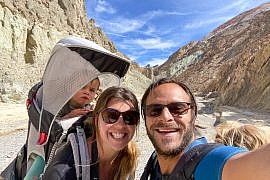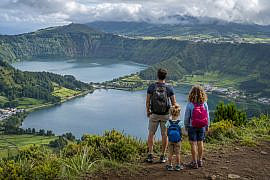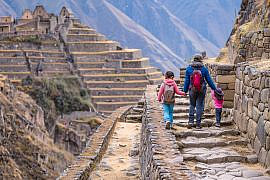


Families who set out from Dubai in search of wide open horizons often discover that a desert trip Dubai is about much more than ticking dunes and sunsets off a list. As you leave the towers and traffic behind, the landscape opens into a quiet world of rippling sand, distant camel tracks, oasis villages, and sky that seems to stretch in every direction. Out here, the pace naturally slows. You find yourself breathing more deeply, listening more closely, and noticing how even a simple walk on a low dune can feel like a small adventure when you share it with your family.
This kind of journey begins long before your tires touch the sand. It starts when you choose a vehicle you trust, map out a route that matches your family’s comfort level, and gather the simple gear that will support a smooth day outside. You might compare different models for space and capability, or even browse options like Wrangler for sale as you imagine future trips across the Arabian desert. With each decision, you are quietly building the foundation for an experience that feels spacious, safe, and full of possibility for everyone in your group.
If you have any comments/questions, please leave them below.
Table of Contents
Preparing for a Desert Bound Family Escape

Family adventures across the UAE desert begin with thoughtful planning. The route from Dubai toward Al Ain, Liwa or the smaller desert trails near Al Qudra offers easy access to wide open landscapes while remaining safe and manageable for all ages. Packing becomes part of the excitement. Sturdy shoes, lightweight clothing, extra water, snacks, a portable shade canopy and a small first aid kit tend to cover most needs. Families often add binoculars for spotting wildlife, small sand toys for children and a camera for capturing the dramatic shapes of the dunes.
The drive itself is smooth and inviting. Roads leading out of Dubai gradually open into quieter highways lined with ghaf trees and patches of low brush. Families often find themselves pointing out herds of camels in the distance or pausing at roadside cafés for fresh karak and warm parathas before continuing deeper into the desert. Platforms like OneClickDrive help simplify the preparation, offering easy ways to compare vehicles suited for desert trips while avoiding unnecessary complications.
Essential Gear Checklist for a Desert Trip in Dubai

Preparing the right gear is one of the most effective ways to ensure your desert trip Dubai feels smooth, safe, and enjoyable for the entire family. The desert’s wide-open terrain, shifting light, and remote stretches call for equipment that supports hydration, shade, navigation, and comfort. By organizing a focused checklist before you leave Dubai, you create a foundation that helps you travel with confidence and minimizes unexpected challenges along the way.
Core Items for Safety and Comfort
Carrying a few fundamentals can make a significant difference once you are out among the dunes. These items address the basics of sun protection, hydration, and general readiness in an environment where services may be limited.
- High-SPF sunscreen
- Wide-brimmed hats
- Sunglasses with UV protection
- Long, lightweight clothing for sun coverage


- A minimum of 4 liters of water per adult
- A minimum of 2 liters of water per child
- Reusable water bottles or hydration packs
- Electrolyte packets for long outings


- A compact first aid kit
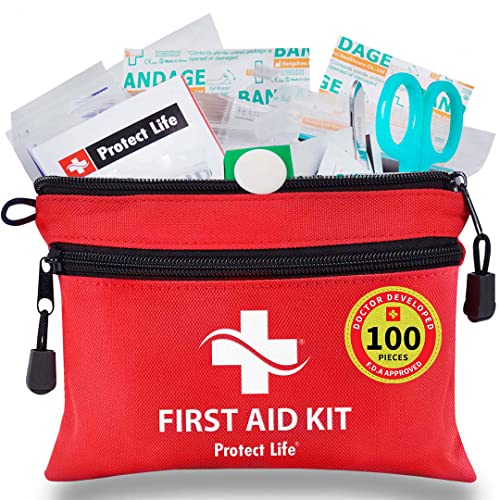
These essentials help you stay comfortable throughout the day and reduce the effects of heat exposure, sun intensity, and dry air.
Car and Navigation Essentials
Reliable navigation and vehicle readiness are central to any desert trip Dubai. Even if you plan to stick to paved roads, having these items on hand ensures you can manage minor issues and stay oriented.
Consider packing:
- A car charger and fully charged mobile phones
- A portable battery pack

- A tire pressure gauge
- A portable air compressor
- A basic toolkit
- A tow strap if you plan to enter mild off-road areas
- Offline maps downloaded to your phone
- A physical map or printed directions as a backup
These items help you maintain your vehicle’s stability on sand, manage tire pressure changes, and stay connected even in low-coverage areas.
Shade, Rest, and Comfort Items
The desert environment encourages a slower rhythm, and thoughtful rest stops can help young children remain comfortable throughout the day. Bringing lightweight shade gear and simple comforts creates a more enjoyable experience.
Recommended items include:
- A portable shade canopy or lightweight pop-up shelter
- A picnic blanket or compact ground cover
- Cooling towels
- Extra snacks that tolerate heat
- A lightweight folding chair or two
These tools allow you to take intentional breaks during your desert trip Dubai, especially during warmer parts of the afternoon.
Clothing and Footwear Considerations
Walking on dunes and exploring oasis paths calls for clothing designed for both sun and movement. Selecting the right gear adds comfort while protecting you from the heat and sand.
You may want:
- Breathable, moisture-wicking shirts
- Light hiking pants or leggings
- Closed-toe shoes suitable for sand and uneven terrain


- A change of socks for children after dune play
- A lightweight scarf or buff for sand protection
Children often appreciate having a spare outfit on hand after climbing dunes or playing in fine sand.
Practical Add-Ons for Families
Certain items can help make a desert trip Dubai feel more manageable when traveling with younger children. These small additions support both comfort and engagement.
You might include:
- Binoculars for wildlife spotting

- Sand toys for younger explorers
- A simple magnifying glass for observing patterns in the sand
- A small cooler with water and fruit
- Wet wipes or a small towel for cleanup
These items encourage exploration and help families stay organized throughout the day.
Weather and Light Considerations
Because your experience will shift throughout the day, it helps to pack gear that responds well to changing light and temperature conditions.
Bring items such as:
- A lightweight jacket for cool mornings or evenings


- A headlamp or small flashlight if staying past sunset

- A camera or phone with extra storage space


Even simple tools like these help you capture the changing light or stay oriented if your schedule extends into dusk.
Preparing Your Gear Before Leaving Dubai
Before heading out, review your packed items to ensure everything is functioning and accessible. Test your shade canopy, organize your cooler, and double-check that your navigation tools work offline. These small steps create a seamless transition once you leave the city and begin your desert trip Dubai.
Approaching your preparation with clarity and organization allows you to enjoy the desert at a comfortable pace. With the right gear in place, you can explore dunes, oasis paths, and cultural landscapes with confidence, knowing you have the essentials you need for a smooth and memorable day.
Safety Essentials for a Desert Trip in Dubai
Planning a desert trip Dubai demands thoughtful preparation and a clear understanding of the environment you are stepping into. Wide-open landscapes and shifting dunes offer extraordinary opportunities for family adventure, but it is the practical safety steps you take beforehand that shape a smooth, enjoyable experience. Approaching the trip with informed decision-making helps ensure that every family member, especially young children, can explore comfortably and confidently.
Understanding Heat, Weather, and Timing
Desert conditions in the UAE change quickly, and you will want to build your day around temperature patterns and visibility. Morning and late afternoon are typically the safest and most comfortable periods to be out on the dunes. Midday heat, especially between May and September, can become intense enough to limit safe walking, sand play, and general exploration.
Before driving out, check the weather forecast and the UAE’s National Center of Meteorology updates for visibility, wind, and sandstorm advisories. Reduced visibility can make navigation more challenging, particularly if you plan to explore areas beyond main access points. You can check current forecasts and sandstorm advisories through the UAE’s National Center of Meteorology.
Recommended Safety Gear
Carrying the right equipment makes a substantial difference during a desert trip Dubai. Even short outings benefit from a focused gear list. This does not require specialized expedition equipment, but rather a set of practical, reliable items that support safe travel.
Consider bringing:
- A minimum of 4 liters of water per adult and 2 liters per child
- High-SPF sunscreen and wide-brimmed hats
- Lightweight, breathable clothing for sun protection
- Fully charged mobile phones and portable power banks
- A first aid kit with basic supplies
- A tire pressure gauge and portable air compressor
- A basic toolkit and tow strap if you plan to leave paved roads
- Ample snacks, especially if traveling with young children
Each of these items supports a different facet of outdoor readiness. With desert distances sometimes stretching between services, these essentials become part of a family’s safety net.
Safe Driving Practices on Sand and Hard Pack
If your desert trip Dubai includes any off-pavement driving, even on mild, beginner-friendly tracks, you will want to understand how to keep your vehicle stable and predictable. The UAE’s desert terrain can shift under tires far more easily than hard-packed trails elsewhere.
Use these basic principles:
- Lower your tire pressure before entering soft sand. This increases surface area and reduces your chances of getting stuck.
- Maintain steady momentum when climbing small dunes. Avoid sudden braking, as this can cause the vehicle to dig into the sand.
- Use gentle steering inputs to prevent fishtailing or over-correcting.
- Keep a generous following distance between vehicles, as sand ruts and soft patches can change from hour to hour.
- Avoid driving alone if you plan to explore deeper desert areas. Even family-friendly routes are easier with another vehicle nearby. The UAE Automobile and Touring Club offers further road-safety and off-road driving recommendations.
Comprehensive beginner driving guidance is available through the UAE Automobile and Touring Club, which offers practical best practices for off-road travel.
Staying Connected and Knowing Emergency Numbers
Reliable communication is a cornerstone of a safe desert trip Dubai. While main highways offer strong cell coverage, more remote areas can experience patchy service. Bringing two fully charged phones, a car charger, and a portable battery helps ensure you can call for help if needed.
Keep the following numbers accessible:
- UAE emergency services: 999
- Non-emergency police: 901
- Roadside assistance (through your rental provider or insurance)
It is also useful to share your planned route and return time with someone in Dubai before you leave. This simple step strengthens safety without adding complexity to the trip.
Sandstorms, Visibility, and Environmental Awareness
Sandstorms and strong winds are a natural part of the desert environment. While many are mild, conditions can shift quickly. You can prepare by:
- Monitoring weather updates before departure
- Avoiding high dunes or exposed ridges during strong winds
- Staying with your vehicle if visibility drops significantly
- Waiting until visibility improves before driving
When visibility falls, it is safer to stay put rather than attempt to drive through thick airborne sand. Families often use this downtime to rest, hydrate, or let children play in sheltered areas of the car until conditions clear.
Preparing Children for Desert Conditions
Young children often adapt well to new landscapes when given simple expectations. Before arriving at the dunes, explain the differences in footing, the importance of staying close to adults, and why hydration becomes more important in dry climates.
You can help children stay safe by:
- Setting clear boundaries for how far they can run on dunes
- Encouraging frequent shade breaks
- Offering water every 15–20 minutes
- Bringing lightweight scarves or buffs to shield faces from blowing sand
Small interventions like these ensure that the adventure remains fun, manageable, and comfortable for everyone.
Balancing Adventure With Risk Awareness
A desert trip Dubai rewards careful planning. With the right preparation, the day becomes less about managing hazards and more about connecting with the landscape and sharing meaningful family moments. Safety does not diminish adventure; instead, it supports the freedom to explore at a steady, enjoyable pace. Families often find that blending curiosity with practical readiness leads to a desert experience that is memorable for all the right reasons.
How to Choose the Right Vehicle for a Desert Trip in Dubai
Selecting the right vehicle is one of the most important decisions you will make when planning a desert trip Dubai. The vast desert landscapes around the city are accessible, but conditions vary quickly between paved roads, compacted sand, and soft dune areas. Understanding what different vehicles can and cannot do helps you choose an option that supports both safety and comfort for your family.
Why Vehicle Choice Matters
The desert environment places unique demands on a vehicle. Traction, clearance, tire pressure, and weight distribution all play roles in determining how smoothly your day unfolds. Even if you plan to stay primarily on paved access roads and mild tracks, choosing a vehicle designed for variable terrain gives you greater confidence and flexibility. It also reduces the likelihood of getting stuck or overheating during long hours in the sun.
4WD, AWD, and 2WD: What You Need to Know
Not all drivetrains perform the same in sandy conditions. Each has strengths, but some are better suited for a desert trip Dubai than others.
4WD (Four-Wheel Drive):
- Best option for soft sand, beginner off-road routes, and gentle dune areas
- Provides stronger traction and stability when sand shifts
- Useful if you plan to venture beyond main access points
AWD (All-Wheel Drive):
- Suitable for compacted sand areas and mild off-pavement tracks
- Less capable on soft dunes, especially when fully loaded with passengers and gear
- Works well for families sticking to moderate routes
2WD (Two-Wheel Drive):
- Generally best for pavement and certain hard-packed access roads
- Should be avoided on soft sand due to limited traction
- Not ideal for routes with elevation changes or steep dune edges
If you intend to explore beyond well-marked viewpoints, a 4WD is usually the most reliable and adaptable choice.
Considering Ground Clearance and Tire Profiles
A suitable vehicle for a desert trip Dubai should provide enough ground clearance to avoid scraping the undercarriage on uneven terrain. Higher clearance also improves stability when driving over small ridges or moving between compacted sand and softer patches.
Additionally, tire design matters. Wider tires with flexible sidewalls help distribute weight more effectively, especially when you lower tire pressure to improve traction. A portable tire compressor is useful to bring pressures back to normal once you return to paved roads.
Why Some Families Choose Vehicles Like the Wrangler
Vehicles such as the Jeep Wrangler are commonly chosen for desert environments due to their combination of clearance, torque, and durability. While you may not need a specialized off-road vehicle for every route, these models offer a reassuring margin of control when the terrain becomes softer or more uneven.
Features that support a family-friendly desert outing include:
- Strong 4WD performance
- High clearance for uneven terrain
- Stable handling on sand
- Flexible tire pressure range
- Designed cooling systems for hot climates
Browsing used Jeep options in Dubai can be a practical way to find a capable and affordable model. Families often explore these options when planning frequent excursions or longer-term stays in the region.
Renting vs. Owning a Desert-Capable Vehicle
If you are traveling to Dubai or only planning occasional trips into the desert, renting may be the simplest option. Platforms such as OneClickDrive provide comparison tools for 4WD rentals suited for a desert trip Dubai.
When renting, consider:
- Whether the vehicle allows mild off-road use (check the rental agreement)
- Insurance coverage for sand or off-road driving
- The availability of a spare tire and jack
- The inclusion of roadside assistance
For families who plan multiple outings, purchasing a used 4WD vehicle may offer long-term value, especially if you want the flexibility to explore different regions without rental restrictions.
Practical Vehicle Features to Prioritize
Certain features make the experience more comfortable and reliable for families. While not all are essential, they contribute meaningfully to a smoother day in the desert.
Look for:
- Automatic transmission (easier for sand driving)
- Reliable air-conditioning
- Strong cooling system
- Easy-to-access rear cargo area for gear
- Roof rails for optional shade canopies
- Rear-seat ventilation for children
These small considerations add up, especially during longer drives.
Preparing the Vehicle Before Departure
Regardless of which vehicle you choose, a brief pre-trip check reduces the risk of delays during your desert trip Dubai.
Review the following:
- Tire pressure (start higher for roads, lower later for sand)
- Coolant and fluid levels
- A full tank of fuel
- Functioning air-conditioning
- Easily accessible emergency gear
- A clear route saved offline in your navigation system
Completing these checks takes only a few minutes but provides peace of mind as you head into quieter areas.
Choosing Confidently for Your Family’s Needs
The right vehicle transforms a desert trip Dubai from a simple outing into a smooth, spacious adventure where you can focus on the landscape and moments together rather than logistical challenges. By selecting a vehicle that aligns with your routes, comfort preferences, and safety requirements, you build a foundation for an enjoyable and well-paced day in the desert.
First Glimpses of the Dunes
Leaving the city behind always brings a shift in mood. The desert begins subtly, with small sandy mounds and open stretches, before evolving into the rolling dunes that seem to breathe with the light. Early morning illuminates them in soft peach tones, while late afternoon wraps everything in warm gold. Families often pause at the first viewpoint they encounter, stepping out to feel the sand beneath their feet and listen to the vast, comforting quiet that defines this landscape.
Children tend to be the first to run up a dune, discovering how the grains slide gently beneath their shoes. Adults follow slowly, savoring the calm, the horizon line and the extraordinary feeling of standing somewhere that looks untouched and endlessly open.
Best Time of Day and Season for a Desert Trip in Dubai
Choosing when to explore the desert has a significant influence on comfort, visibility, and overall enjoyment. Understanding seasonal patterns and daily temperature shifts helps you plan a desert trip Dubai that feels manageable for children and adults alike. The desert environment is beautiful, but timing your visit thoughtfully allows you to experience its quieter rhythms without unnecessary strain.
Seasonal Conditions and What to Expect
The UAE desert experiences distinct seasonal changes that are important to consider when planning your outing. Although you can visit at any time of year, the cooler months typically offer the most comfortable conditions for families.
From November through March, daytime temperatures are far more moderate, and walking on dunes feels pleasant rather than draining. Even during this season, you may still encounter warm midday conditions, but mornings and late afternoons remain ideal for exploring.
From April through October, temperatures rise quickly, often surpassing safe limits for extended outdoor activity. Sand heats faster than the surrounding air, and even short periods of direct sun exposure can be overwhelming. If you plan to visit during these hotter months, you will want to schedule very early morning or near-sunset outings.
Checking updated weather information from the UAE National Center of Meteorology provides reliable insight into expected conditions and visibility.
Ideal Times of Day for Families
A desert trip Dubai becomes more rewarding when you align your day with the natural lighting and temperature curve of the landscape. Each time of day offers a different experience, but some periods stand out for comfort and safety.
Early mornings are often the most peaceful. Temperatures remain low, the sand feels firm underfoot, and wildlife tends to be more active. Children can run and climb on dunes without encountering the heat that builds later in the day. Photographers in particular value the soft light that illuminates the sand in gentle tones.
Late afternoons offer another excellent window. As the sun begins to drop, the desert cools and becomes more inviting. Colors shift toward warm gold, and family activities like short walks, dune play, and photography feel pleasantly unhurried. Staying through sunset is a popular choice for many families, as the long shadows create striking patterns across the sand.
Midday is generally the least comfortable time. The sun sits directly overhead, temperatures rise quickly, and sand becomes hot enough to limit walking. If you happen to be out during this time, focus on shaded rest stops, frequent hydration, and shorter periods of physical activity.
Understanding Desert Light and Visibility
Light plays a major role in how you experience the desert. During the first and last hours of the day, the dunes take on a depth and softness that highlight their natural curves. This creates ideal conditions for photography and family-friendly exploration.
In contrast, harsh midday light flattens shadows and reduces contrast, making the landscape appear less defined. This also increases glare, which can be tiring for younger children. Sunglasses, lightweight scarves, and wide-brimmed hats help reduce discomfort if you are driving or walking in these bright conditions.
Visibility can be influenced by wind as well. Light morning breezes can stir fine sand into the air, but they generally settle as the day progresses. Stronger winds are more common in transitional seasons, especially around March, and may reduce visibility over short periods. Monitoring forecasts helps you anticipate these fluctuations.
Planning a Weather-Aware Itinerary
When mapping out your desert trip Dubai, consider how time of day affects your planned stops. If you want to explore villages, oasis areas, and quieter dunes, placing more active segments in the morning or late afternoon keeps energy levels steady. Picnic stops, scenic viewpoints, and short walks pair naturally with cooler windows, while midday is better suited for shaded rest areas or drives between locations.
Families who want to include photography, camel sightings, or gentle off-road exploration often find that early morning offers the clearest views and most striking light. Evening, on the other hand, creates a peaceful mood that encourages slower, more reflective moments on the dunes.
Balancing Comfort and Flexibility
The desert encourages a rhythm that is slower and more intentional. By planning your timing around the natural patterns of the day, you create conditions that support comfort, safety, and enjoyment. Whether you aim for sunrise, sunset, or a full-day itinerary, thoughtful scheduling enhances the overall experience and helps you make the most of your desert trip Dubai.
With a clear understanding of the best hours and seasons to explore, you can approach the landscape with confidence and shape a day that aligns with your family’s needs and interests.
The Beauty of Quieter Trails

Beyond the popular viewpoints lie smaller, lesser known tracks where families can enjoy a softer kind of adventure. The Al Qudra region offers peaceful lakes surrounded by desert wildlife. Families often spend a few hours picnicking near the water, spotting ducks, gazelles and even desert foxes at a distance. The terrain is mild and accessible, making it an easy introduction to off-road landscapes.
Further south, the edges of the Empty Quarter offer deeper solitude without requiring intense driving skills. The dunes here are grand and poetic, with curving ridges and long shadows that feel almost sculptural. Families who enjoy photography often find this region irresistible, taking slow walks and letting children create small sand paths or climb gentle slopes.
Ethical Wildlife and Nature Guidance for a Desert Trip in Dubai
Exploring the desert around Dubai provides opportunities to observe wildlife, study natural formations, and experience a delicate ecosystem shaped by centuries of wind and climate. While these experiences can be deeply enriching, they also require thoughtful behavior to ensure that your desert trip Dubai supports the health of the landscape and the well-being of the species that live there. Approaching the environment with care allows families to enjoy meaningful encounters while preserving the desert for future visitors.
Understanding How Fragile Desert Ecosystems Can Be
The desert may appear vast and resilient, but many of its features are easily disturbed. Vegetation grows slowly, wildlife depends on small pockets of shade and water, and the fine sand structures that create dune shapes can shift with even minor interruptions. Recognizing how delicate these components are helps guide how you move through the environment.
During your desert trip Dubai, you may notice:
- Thin root systems holding sparse vegetation in place
- Animal tracks leading toward shaded areas or food sources
- Wind-shaped ripples across the dunes
- Signs of burrows near shrubs or rocky patches
Each of these is a reminder that the desert operates on fine balances, and even small decisions play a role in maintaining them.
Respectful Wildlife Observation Practices
Wildlife sightings often become highlights for families, especially when young children spot camels, gazelles, or migratory birds. Observing these animals responsibly helps avoid stress or disruption.
Keep the following principles in mind:
- Maintain a safe distance from all animals, including camels that appear accustomed to vehicles.
- Use binoculars rather than approaching wildlife directly.
- Avoid blocking animal pathways with your vehicle.
- Stay quiet and patient so animals do not feel threatened.
- Never feed wildlife, as it disrupts natural behaviors and can be harmful.
Respectful viewing not only protects animals but also provides a more authentic encounter that aligns with the desert’s quieter rhythms.
Staying on Designated Paths and Trails
While dunes invite wandering, certain areas near lakes, oases, or protected zones benefit from staying on marked paths. These trails help reduce damage to vegetation and prevent erosion. They also provide a predictable route for families with children, making navigation easier.
If you visit areas like Al Qudra Lakes, where wildlife frequent the shoreline, staying on designated walking areas preserves natural feeding grounds and reduces disturbances. The same considerations apply when exploring near oasis farms or traditional villages, where cultivated areas and natural habitats often intersect.
Minimizing Impact While Exploring Dunes
Walking on dunes is one of the most enjoyable parts of a desert trip Dubai, but you can help protect their natural formations by choosing routes that follow ridge lines or areas already marked by footprints. This reduces the need to create new tracks and helps the dunes retain their structure.
To further minimize impact:
- Avoid climbing the steep faces of very tall dunes, as erosion can increase.
- Choose smaller dunes for children’s climbing and play.
- Step lightly on soft areas to prevent deep impressions.
- Avoid digging large holes or disturbing burrows.
These small choices help maintain the landscape’s integrity while allowing families to explore freely.
Protecting the Desert From Litter and Waste
The desert’s openness means that even minor litter stands out sharply and can harm wildlife. Carrying a small trash bag ensures you can store waste until you return to a disposal point in Dubai.
Consider:
- Collecting all snack wrappers, bottle caps, and tissues
- Checking the area before leaving to ensure nothing was dropped
- Removing any items the wind may have blown from your picnic area
This practice teaches children a clear, hands-on example of responsible outdoor stewardship.
Avoiding Harmful Interactions With Plants and Trees
Many desert plants grow slowly and play essential roles in stabilizing sand and providing shade for wildlife. The ghaf tree, recognized as the UAE’s national tree, offers important shelter and food sources. During your desert trip Dubai, avoid climbing trees, breaking branches, or hanging gear on fragile limbs.
When walking near vegetation:
- Stay outside the drip line of large trees.
- Avoid stepping on young plants or shrubs.
- Keep vehicles parked on firm sand or designated areas rather than near root systems.
These habits protect plant life and contribute to the long-term health of the desert ecosystem.
Understanding Seasonal Sensitivities
Some wildlife experiences seasonal patterns. Migratory birds pass through the UAE during cooler months, while certain mammals may be more active during early mornings in late winter. Being aware of these patterns helps you approach the landscape with deeper understanding. For additional information on desert wildlife and conservation efforts, the Environment Agency Abu Dhabi shares helpful guidance.
If you want more detailed reference material, the UAE’s Environment Agency provides insights on species and habitat conservation efforts.
Teaching Children Thoughtful Behavior
A desert trip Dubai provides an excellent opportunity to introduce children to respectful nature practices. With simple explanations and clear expectations, kids can actively participate in caring for the environment.
Encourage children to:
- Look for animal tracks without disturbing them
- Use quiet voices near wildlife
- Carry their own small trash bag
- Stay close to adults to avoid stepping on sensitive areas
- Observe the shapes, colors, and textures of the dunes without altering them
These activities strengthen their curiosity while cultivating an appreciation for natural spaces.
Supporting a Low-Impact Desert Experience
Ethical travel in the desert emphasizes connection without disruption. When families move thoughtfully through the landscape—watching wildlife carefully, protecting plants, and staying aware of their surroundings—the enjoyment of the day grows deeper.
Approaching your desert trip Dubai with these principles in mind allows you to experience the beauty of the region while honoring its natural rhythms. The result is a meaningful, low-impact adventure that stays aligned with the desert’s unique sense of calm.
Family-Friendly Activities to Enjoy on a Desert Trip in Dubai
A desert trip Dubai offers far more than scenic drives and quiet viewpoints. Families often find that the dunes become a natural playground filled with opportunities for exploration, movement, and discovery. These activities help children and adults connect with the landscape in hands-on, memorable ways. With thoughtful pacing and a focus on safety, you can build an itinerary that balances gentle adventure with the calm and spaciousness the desert naturally provides.

Sand Play and Dune Climbing
Simple dune play is often the easiest and most rewarding activity for younger children. The soft sand underfoot encourages movement without the hazards of hard surfaces, and even small slopes offer a sense of accomplishment.
Consider the following ways to enjoy gentle dune exploration:
- Let children climb low dunes while you watch from below.
- Encourage them to follow the ridgelines of small slopes to experience changing views.
- Bring lightweight sand toys to build simple structures or patterns in the sand.
- Help kids observe how their footprints shift and change with the wind.
Morning and late afternoon are ideal times for this kind of play, as the sand remains cooler and more comfortable for walking.
Sandboarding for Beginners
Sandboarding is accessible to many families, especially when you choose smaller dunes with gentle gradients. You do not need specialized equipment to start; beginner sandboards can be rented near popular entry points into the desert, or you can bring a simple board designed for soft-sand surfaces.
To make the experience easier:
- Choose low, stable dunes with clear runouts at the bottom.
- Test the sand with your hand to ensure it is not too hot.
- Allow children to sit on the board for their first slide to build familiarity.
- Keep sessions short to prevent overheating or fatigue.
The province of Dubai promotes various safe recreational options through resources such as visits to Al Qudra and other regulated desert areas, which offer family-friendly slopes suitable for first-timers.
Wildlife Spotting and Nature Observation
Desert ecosystems support a surprising amount of wildlife. Family outings often become more engaging when you slow down and look for movement, tracks, or signs of life. Early morning is the best time to look for animals, as wind and brightness increase as the day progresses.
Common sightings include:
- Arabian oryx grazing near protected areas
- Camels crossing open plains
- Gazelles moving quietly across hard-packed sand
- Desert fox tracks near the edges of vegetation
- Migratory and resident bird species, especially near oases and lakes
A pair of binoculars helps children follow movement from a distance without disturbing any animals. Observing wildlife also provides an opportunity to introduce respectful, low-impact behavior in delicate ecosystems.
Short Walks and Mini Nature Trails
A desert trip Dubai can include easy, short walks that suit a wide range of ages. Many families choose gentle paths near Al Qudra, Hatta, or the outskirts of Al Ain, where the terrain feels open but approachable.
When taking short walks:
- Follow firm sand where possible for easier footing.
- Set a comfortable pace, especially for young children.
- Pause at ridge lines to take in the wide, uninterrupted views.
- Encourage children to spot natural features like ripples in the sand, wind-shaped formations, or animal tracks.
Keeping these walks brief allows everyone to stay comfortable while still engaging deeply with the landscape.
Photography Activities for All Ages
The desert’s changing light offers a natural entry point into photography, even for beginners. Families often enjoy giving children a chance to take their own photos, helping them notice forms, colors, and shadows.
You might try:
- Encouraging children to photograph patterns in the sand.
- Comparing how dunes look in morning and afternoon light.
- Taking silhouette photos during sunset to experiment with shape and contrast.
- Capturing wide panoramic views from dune crests.
Photography becomes a way of slowing down and observing the small details that make each part of a desert trip Dubai unique.
Simple Shade and Rest Setups
Because the desert environment can be demanding, building rest into your activity plan ensures that the day remains enjoyable. Portable shade canopies or lightweight pop-up shelters allow you to pause comfortably between activities.
During these breaks, families often:
- Rehydrate and refuel with snacks.
- Allow children to rest, nap, or play quietly in the shade.
- Review photos from earlier in the day.
- Observe shifting shadows and listen to the surrounding quiet.
Rest periods anchor the day and provide balance between exploration and downtime.
Stargazing for Evening Trips
If your schedule allows you to stay into the early evening, stargazing becomes a peaceful capstone to a desert outing. With minimal light pollution in many areas, the sky opens into a vivid display.
To make stargazing easier:
- Bring a simple stargazing app or constellation guide.
- Choose a safe, open area free from traffic.
- Bring a light blanket so children can sit or lie comfortably.
- Keep lighting low to let your eyes adjust naturally.
The cool evening air and spacious views make this a calming way to end a desert trip Dubai.
Creating a Thoughtful Activity Rhythm
Family-friendly activities in the desert work best when arranged in a steady rhythm. Active moments like sandboarding or dune climbing pair naturally with softer experiences like wildlife observation, photography, and shaded rest periods. This balanced approach allows you to shape a full and rewarding day without overwhelming anyone.
By choosing accessible activities, planning around the changing light, and pacing the day carefully, you create an experience that invites curiosity and connection throughout your desert trip Dubai.
Navigation Guide: Choosing the Right Route for a Desert Trip in Dubai
Selecting the right route shapes the pace, comfort, and overall experience of your desert trip Dubai. The region offers several accessible pathways, each with its own character, scenery, and level of remoteness. By understanding the strengths of each route, you can choose a path that aligns with your family’s experience level, interests, and expectations. This approach ensures that the day feels well-structured and manageable without limiting your sense of exploration.
Understanding Route Types and Terrain
Desert routes around Dubai vary from paved highways that lead to scenic viewpoints to mild off-road tracks suitable for beginners. Some areas offer hard-packed sand and compact gravel, while others present soft dune fields that require additional driving awareness. Identifying the terrain in advance helps you select a route that matches your comfort level and the capabilities of your vehicle.
Before choosing a route, consider:
- The ages and stamina levels of your children
- Whether you plan to stay on pavement or explore mild off-road tracks
- Your planned timing (morning, midday, sunset)
- How far you want to drive from Dubai
- Your comfort with navigating open landscapes
These factors contribute to creating a realistic and enjoyable plan for the day.
Al Qudra: Short Drive and Soft Adventure
The Al Qudra area is one of the easiest and most accessible options for a family-friendly desert trip Dubai. Its proximity to the city reduces travel time, and the region’s mix of paved roads, compacted sand, and gentle tracks makes it approachable for beginners.
Families benefit from:
- Easy access to picnic areas
- Short, walkable dunes suitable for young children
- Wildlife viewing opportunities near the lakes
- Convenient exits back to Dubai
If you are traveling with younger children or want to keep driving to a minimum, Al Qudra provides a balanced introduction to the desert environment. It also allows you to incorporate multiple short stops rather than committing to long stretches of road.
The Al Ain Route: Desert Landscapes and Cultural Heritage
Driving from Dubai toward Al Ain follows a corridor lined with quiet desert scenery, scattered farms, and a gradual shift into oasis landscapes. This route combines natural beauty with cultural significance, making it appealing for families who want variety in a single day.
Along this route, you can experience:
- Wide open desert expanses
- Camel sightings near roadside farms
- Al Ain Oasis and its shaded walking paths
- Traditional villages and historical sites
- A mix of paved access and optional mild trails
This option works well for families who want a balance between outdoor exploration and cultural experiences. You can shape your day around both natural and heritage activities without encountering demanding terrain.
Liwa and the Edges of the Empty Quarter: Remote but Manageable
The Liwa region sits at the northern edge of the Rub’ al Khali, also known as the Empty Quarter, one of the world’s largest sand deserts. While the deep interior of the Empty Quarter requires specialized skill and equipment, the outer edges offer approachable areas where families can appreciate immense dunes without taking unnecessary risks.
If you choose this route, you can expect:
- Some of the tallest dunes in the UAE
- Expansive views untouched by development
- A stronger sense of solitude
- Opportunities for quiet walks and photography
Travel distances are longer, and services become less frequent, so this route suits families who are comfortable with extended drives and who have prepared thoroughly for a desert trip Dubai. Staying on paved or clearly marked hard-pack trails keeps the experience manageable.
Mild Off-Road Areas for Beginners
Some families want a taste of off-road driving without venturing into challenging terrain. Several areas near Dubai offer low-risk tracks where you can practice driving on compact sand while maintaining easy access to main roads.
When exploring these beginner-friendly tracks, consider:
- Choosing routes with clear entry and exit points
- Maintaining awareness of your tire pressure and vehicle traction
- Avoiding steep dunes or soft sand pockets
- Turning back early if conditions feel unfamiliar or uncomfortable
These low-key experiences help families build confidence while keeping safety at the forefront.
Planning Distances and Travel Time
Regardless of which route you choose, thoughtful timing helps ensure that your desert trip Dubai remains comfortable. Travel times can be affected by traffic, road construction, or the natural desire to pause often for photos and exploration.
A simple approach is:
- Allow extra time for unexpected stops
- Plan at least one major break during the drive
- Schedule shaded rest periods around midday
- Aim to reach your final viewpoint or dune area before sunset
This pacing keeps the day flexible and reduces pressure, especially when traveling with young children.
Confirming Access Points and Regulations
Before setting out, check for any route updates or access changes. Certain areas may have temporary closures due to weather, conservation efforts, or seasonal conditions. Local authorities and tourism resources provide reliable information, helping you avoid surprises during your trip.
Routes near protected wildlife areas or managed oases sometimes have designated parking zones or walking paths. Respecting these guidelines supports low-impact travel and preserves the landscape for future visitors.
Choosing a Route That Matches Your Family’s Style
Each route offers a distinct experience. Some families may prefer simple access and gentle dunes, while others enjoy combining nature, heritage, and longer drives. By selecting a path that aligns with your interests and comfort level, you create a foundation for a smooth, fulfilling desert trip Dubai.
Thinking through terrain, timing, and distance helps you approach the day with clarity. This preparation allows you to enjoy the landscape at your own pace and build a family experience that feels both meaningful and manageable.
Food, Water, and Hydration Planning for a Desert Trip in Dubai
Thoughtful planning around food and hydration is one of the most important parts of preparing for a desert trip Dubai. The desert environment places higher demands on your body than typical outdoor settings, especially with dry air, intense sunlight, and minimal shade. By organizing water, snacks, and cooling strategies in advance, you create a comfortable and reliable foundation for both children and adults throughout the day.
Understanding Hydration Needs in the Desert
The dry climate of the Arabian Peninsula increases water loss through both activity and natural evaporation. Even low-intensity walking on dunes can lead to faster dehydration, particularly for younger children. Having generous water reserves ensures that you can maintain energy and comfort across your planned route.
As a starting point, consider bringing:
- At least 4 liters of water per adult
- At least 2 liters of water per child
- Extra water stored in the vehicle for unexpected delays
- Hydration packs or reusable bottles for easy access
Spacing out water breaks every 15 to 20 minutes for children helps prevent dehydration, especially during long walks or active play on the sand.
Keeping Drinks Cool Throughout the Day
Cool water is more appealing and easier for children to drink regularly. Desert heat can warm bottles quickly, so preparing a cooling strategy helps maintain comfort.
Useful approaches include:
- Packing insulated bottles
- Bringing a small cooler with ice packs
- Storing extra water in the shade or inside the car
- Wrapping bottles in cooling towels
- Placing bottles under picnic blankets during breaks
Simple cooling methods can significantly improve overall hydration, making the day more enjoyable.
Choosing Foods That Travel Well
A desert trip Dubai requires foods that tolerate heat, pack easily, and provide steady energy. Because rest areas may be limited and midday heat can reduce appetite, offering small, frequent snacks helps maintain stable blood sugar and energy levels.
Kid-friendly options include:
- Fresh fruit with thicker skins, such as apples and oranges
- Dried fruit like apricots, dates, and raisins
- Nut mixes or seed mixes
- Whole-grain crackers or pita chips
- Small sandwiches prepared with heat-tolerant ingredients
- Cheese sticks or hummus kept in a cooler
Using a compact, insulated container helps you keep perishable items fresh long enough for a full-day outing.
Planning a Midday Meal
Midday is often the warmest part of your desert trip Dubai, making it a natural time for a shaded break and a light meal. Prioritizing foods that do not require extensive unpacking or preparation helps maintain a relaxed pace.
A simple approach is:
- Choose a shaded spot for your break
- Use a portable canopy if shade is limited
- Offer a combination of salty and hydrating foods
- Encourage quiet rest after eating to minimize heat stress
This rest window also gives you time to gauge everyone’s comfort and decide how to pace the rest of the day.
Managing Heat Through Food and Drink
Certain foods and hydration habits support comfort in hot climates. Including a mix of water-rich snacks and electrolyte-containing drinks can help with both hydration and energy levels.
You may want to bring:
- Watermelon slices stored in a cooler
- Coconut water
- Electrolyte tablets or powders
- Light broths stored in an insulated container for cooler months
These options replenish what is lost through sweat and increase hydration efficiency.
Safe Food Handling in Hot Conditions
Food safety becomes more important when temperatures rise. To avoid spoilage or contamination, store perishables carefully and follow basic handling guidelines.
Consider:
- Keeping perishable foods packed tightly in a cooler
- Avoiding long exposure of foods to direct sun
- Using sealed containers to prevent sand contamination
- Washing hands or using wipes before eating
These basic steps reduce risk and keep meals safe throughout your desert trip Dubai.
Supporting Children’s Needs
Children often tire faster in hot climates and may forget to drink unless prompted. Offering small, frequent hydration breaks and a steady stream of snacks can prevent fatigue and discomfort.
Helpful strategies include:
- Offering water before children feel thirsty
- Keeping snacks easily reachable
- Using fun containers or bottles to encourage drinking
- Including familiar foods that children enjoy
A balanced approach helps maintain energy levels while allowing kids to stay focused on exploration and play.
Preparing Before Leaving Dubai
Organizing your food and hydration supplies before you set out helps create a seamless flow throughout your day. Pack your cooler, portion snacks, and confirm that all bottles and hydration packs are filled. Ensuring that drinks stay cool and snacks remain accessible contributes to a calm, enjoyable pace during your desert trip Dubai.
By planning your food and hydration needs with care, you create a stable foundation for a full day of outdoor adventure. With consistent water intake, nourishing snacks, and shaded breaks, you support both comfort and safety while exploring the vast, beautiful landscape that surrounds Dubai.
Visiting Traditional Desert Villages
One of the highlights of a family desert trip is stepping into the slower rhythm of the small oasis villages scattered across the region. Places like Al Madam, Al Ain’s surrounding communities or the older quarters near Hatta allow families to experience the quiet charm of Emirati heritage. Mudbrick structures, date farms, shaded alleys and friendly locals create a connection to the region’s history.
Children often enjoy learning about date harvesting, spotting falaj irrigation channels or discovering how desert dwellers built homes to stay cool during the hottest months. Small local shops offer handmade items, traditional snacks and opportunities to support family run businesses that keep heritage alive.
Finding Oasis Calm
Beyond dunes and villages, natural oases offer a refreshing midpoint between adventure and relaxation. Families commonly visit Al Ain Oasis or smaller pockets of green hidden between rocky hills near Hatta. The cool shade of date palms, the rustle of leaves in the breeze and the soft crunch of gravel trails underfoot create a soothing environment. Families walk, talk and wander through the winding pathways, taking time to appreciate the contrast between the calm oasis and the sandy expanses outside.
Sunset Across the Sands
No desert adventure feels complete without staying long enough to witness the sunset. As the air cools and the sky deepens from orange to rose, families often gather on a dune crest and settle into the moment. It becomes a memory that stays warm for years, especially for children who watch the light play across the sand in slow, graceful waves.
Parents often describe this part of the journey as the moment everything makes sense: the planning, the drive, the exploring, the wandering. It is quiet, gentle and full of connection.
Recommended Desert Trip Itinerary Options from Dubai

Organizing your day around a clear itinerary helps you make the most of a desert trip Dubai. The landscape is expansive, and distances can feel larger than expected, so having a structured plan allows you to move at a relaxed pace without feeling rushed. These suggested itineraries balance activity, driving time, and rest, making them suitable for families with children of different ages. Each option builds in shade, hydration, and opportunities to explore without overwhelming anyone in your group.
Half-Day Itinerary: Gentle Dunes and Scenic Views
A half-day outing works well for families who want a simple introduction to the desert and prefer to avoid long drives. This plan offers a mix of exploration and downtime while keeping travel time to a minimum.
- Depart Dubai early in the morning to make the most of cooler temperatures.
- Drive toward Al Qudra for easy access to low dunes and open desert views.
- Spend time climbing small dunes or exploring ridgelines with children.
- Enjoy a light snack or picnic in a shaded area or under a portable canopy.
- Walk near the lakes to look for birds and desert wildlife.
- Return to Dubai before midday when temperatures rise.
This itinerary keeps activities short and engaging while offering plenty of time to pause and enjoy the landscape.
Full-Day Itinerary: Dunes, Lakes, and Heritage
A full-day desert trip Dubai provides greater variety by blending time on the dunes with cultural and natural experiences. This itinerary works well for families who enjoy a steady rhythm of short activities throughout the day.
- Begin at sunrise to experience the desert’s soft morning light.
- Stop at a quiet dune area for a short climb and early morning photography.
- Continue toward Al Qudra or the Al Ain route to explore desert lakes or oasis edges.
- Visit a small village or heritage area near Al Ain to learn about traditional desert life.
- Take a shaded lunch break under palm trees or a canopy.
- Spend the afternoon walking gentle trails or exploring shaded pathways in oasis areas.
- Return to a dune viewpoint before sunset to end the day with cool temperatures and gradual light.
- Drive back to Dubai after sunset, allowing time for children to rest during the journey.
This balanced schedule keeps the day varied and allows enough time for driving, exploration, and rest.
Full-Day Itinerary: Edges of the Empty Quarter
For families comfortable with longer drives, exploring the outskirts of the Empty Quarter offers a sense of solitude and scale while remaining within manageable distances. This plan emphasizes scenery, quiet moments, and dramatic dune formations.
- Leave Dubai early, allowing time for the longer drive toward Liwa.
- Stop at designated viewpoints to stretch, hydrate, and take in the expansive landscapes.
- Explore the base of large dunes where the sand is firm and walking is easier.
- Take a mid-morning break and let children play on low dune slopes.
- Continue to a designated picnic area or create shade using a portable canopy.
- Spend the early afternoon walking short distances along dune edges or capturing photos in soft light.
- Reach a sunset viewpoint to appreciate the scale and color of the desert.
- Begin the return drive with ample time for evening rest stops.
This itinerary offers a deeper sense of the desert’s vastness while still staying aligned with simple family needs.
Sunset-Focused Itinerary: A Short but Memorable Outing
If you prefer a shorter excursion focused on the desert’s beautiful evening light, a sunset itinerary offers an easy option that still delivers a strong sense of the landscape.
- Leave Dubai in the late afternoon when temperatures begin to drop.
- Head to an accessible dune area such as Al Qudra.
- Climb a dune or walk along a ridgeline as the light softens.
- Settle into a shaded spot or soft sand area to watch the sunset.
- Encourage children to take photos or observe the changing shadows.
- Return to Dubai after dark.
This simple plan is especially appealing for younger families who want a low-pressure introduction to the desert.
Tips for Choosing the Best Itinerary for Your Family
Selecting the right itinerary for your desert trip Dubai depends on several factors. Consider the following guidelines as you make your choice:
- The ages and stamina of children
- Distance you feel comfortable driving
- Time of day you prefer to be active
- Interest in cultural, natural, or photographic experiences
- Comfort level with light off-road travel
- Weather and season during your planned trip
Matching your plan to your family’s needs creates a smoother, more enjoyable day.
Building Flexibility Into Your Plan
Even with a structured itinerary, remaining flexible allows you to respond to changing conditions. Desert weather, traffic, wildlife sightings, and children’s energy levels may influence your timing. Keeping extra water, snacks, and shade gear ready helps you shift your pace without stress.
An itinerary serves as a guide rather than a rigid schedule. Approaching it with a sense of flow helps your desert trip Dubai unfold naturally, creating space for both planned activities and spontaneous moments that make desert travel especially memorable.
Final Thoughts – Desert Trip Dubai
A desert trip Dubai has a way of staying with you long after the sand is brushed from your shoes. As you drive back toward the city lights, the memories tend to collect in small, vivid moments: the first time your children climbed a dune on their own, the quiet of an oasis walkway, the way the sky shifted from gold to rose as the sun went down. These are the kinds of experiences that gently pull your family closer together, not through grand gestures, but through shared discoveries and unhurried time outdoors.
When you are ready to plan your own journey, the steps you take now—choosing routes that fit your comfort level, preparing food and water thoughtfully, and selecting a vehicle that can handle both highways and sand—will give you the confidence to explore more deeply. However you decide to travel, approaching the desert with care, curiosity, and good preparation will set you up for trips that feel not only exciting in the moment, but meaningful long after you return home.
FAQs – Desert Trip Dubai
Here is your FAQ list, formatted exactly as requested:
• A single continuous numbered list
• Each item contains both the Q and A
• “Q:” + question and “A:” + answer are bolded
You can paste this directly into WordPress.
- Q: Do I need a 4WD vehicle for a desert trip Dubai? A: A 4WD is strongly recommended if you plan to explore soft sand, mild off-road tracks, or dune areas. For paved roads and compacted desert routes, AWD can be sufficient, but 2WD vehicles are not suitable for soft sand or elevated dune areas.
- Q: What is the best time of day to explore the desert? A: Early morning and late afternoon offer the most comfortable temperatures, the best light for photography, and easier conditions for walking on dunes. Midday heat can become intense and is best reserved for shaded breaks or driving between locations.
- Q: Is it safe to take young children on a desert trip Dubai? A: Yes, as long as you prepare properly. Bring sufficient water, shade, sun protection, and snacks, and plan activities during cooler parts of the day. Keep clear boundaries on dunes and encourage frequent rest and hydration.
- Q: How much water should I bring for a full-day desert outing? A: A good guideline is at least 4 liters per adult and 2 liters per child. Extra water stored in the vehicle is essential in case of delays, warm conditions, or additional exertion.
- Q: Can I explore the desert without joining a guided tour? A: Many areas around Dubai are accessible for independent travel, especially Al Qudra, Al Ain routes, and sections near Liwa. If you plan to enter soft-sand areas or remote locations, ensure you have a capable vehicle and basic off-road knowledge.
- Q: What should I wear for a desert trip Dubai? A: Choose lightweight, breathable clothing that covers your skin for sun protection, along with closed-toe shoes suitable for sand. Wide-brimmed hats, sunglasses, and lightweight scarves help reduce heat and glare.
- Q: Are there toilets or facilities in the desert? A: Facilities are limited once you leave main roads. Bring wipes, hand sanitizer, and small trash bags so you can manage basic needs while minimizing your environmental impact.
- Q: How do I avoid getting stuck in the sand? A: Lowering tire pressure, maintaining steady momentum, and choosing compacted sand routes help reduce the risk. Avoid soft dune faces, stop gently rather than abruptly, and use a 4WD vehicle when possible.
- Q: Is it safe to stay in the desert until sunset? A: Yes, staying for sunset is a popular choice, as long as you have a reliable route back to Dubai, sufficient water, and functioning lights. Leaving shortly after sunset allows you to avoid late-night driving in remote areas.
+++BEFORE using this information, please read our Legal Disclaimer+++