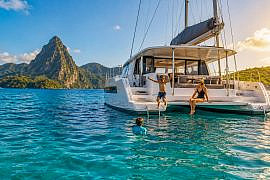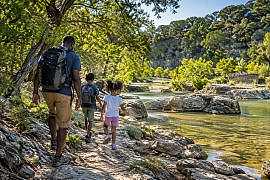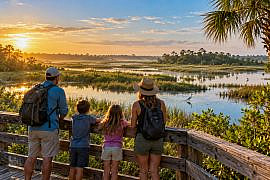


Georgia’s Okefenokee Swamp is one of the most unique areas of the U.S. It’s vast and teeming with life, while also feeling untouched by humans. It’s much more than just a swamp — it’s a home for countless species and offers breathtaking scenery.
Many people are surprised to discover this swamp is family-friendly, too. From spotting alligators from the safety of boardwalks to taking in the beauty of ancient trees via a canoe trip, there’s plenty to explore. Here’s how you and your family can explore this wonder of nature in all its glory.
If you have any comments/questions, please leave them below.
Table of Contents
The Benefits of the Okefenokee Swamp
There are countless reasons why you should explore this beautiful area with your family. Below are a few.
Unplug and Recharge
The Okefenokee Swamp has limited cell service, providing an opportunity to unplug from daily life. In a world filled with constant distraction and instant gratification, disconnecting from technology can be a great benefit. Due to its remoteness, the Okefenokee Swamp can be an ideal place for a digital detox, allowing visitors to unwind and be fully present.
Experience Natural Beauty
One key benefit of the Okefenokee Swamp is its sheer natural beauty. You won’t find any human-made attractions here — the real wonders to marvel at are natural. Calling the ecosystem diverse would be an understatement. This place hosts more than 400 species of vertebrates, including over 200 varieties of birds. From its tea-colored water, caused by tannic acid, to the breathtaking cypress trees, there is endless natural beauty to explore.
Focus on Eco-Conscious Exploration
The Okefenokee Swamp is also a must-visit place for anyone interested in eco-conscious exploration. Thanks to its many protected areas, visitors can experience wildlife at its most beautiful, while also having peace of mind that the area will be protected from the dangers of overtourism. These protected wilderness areas are a perfect getaway for eco-conscious travelers with a minimalist mindset.
If you’re building a broader eco-conscious itinerary, pairing time in the Georgia Okefenokee Swamp with a visit to natural hot springs in Georgia that welcome families</a> can create a slower, restorative travel experience rooted in nature rather than attractions.
Family-Friendly Activities at the Okefenokee Swamp
Whether it’s canoeing or bird-watching, there are countless things to do at the Okefenokee Swamp. Below is a list of some popular activities for the whole family to enjoy.

Canoe Through the Water
Few experiences are more memorable than quietly canoeing through blackwater. It’s a unique opportunity that you can find in only a few places in the world, Okefenokee Swamp being one of them.
For families, the best choice is an easy-to-moderate day trip from the Suwannee Canal Recreation Area. These marked trails are calm, flat, and manageable, offering many opportunities to pause and take in the scenery.
You’ll drift past lily pads, cypress knees and mirrored reflections. Simply rent canoes on-site, and the staff can suggest routes suited to your family and the day’s conditions.
Canoe Routes Explained: Best Trails for First-Time and Family Paddlers in the Georgia Okefenokee Swamp

Canoeing is one of the most immersive ways to experience the Georgia Okefenokee Swamp, allowing you to move quietly through blackwater corridors and observe wildlife at eye level. While the swamp’s size can feel intimidating, many canoe trails are specifically designed to be approachable for families, including those paddling with children for the first time.
Understanding how routes differ in length, difficulty, and conditions helps you choose an experience that feels adventurous without becoming overwhelming.
How Canoe Trails Are Structured in the Georgia Okefenokee Swamp
Canoe routes in the Georgia Okefenokee Swamp are clearly marked and managed to protect both visitors and the ecosystem. Trails follow narrow waterways through prairies, cypress stands, and open water, with numbered markers that help with navigation.
Most family-friendly routes share several characteristics:
- Flat, slow-moving water with no current
- Clearly defined trail markers
- Minimal portaging or technical maneuvering
- Easy access from established launch points
Water levels fluctuate seasonally, which can slightly change route difficulty. Checking conditions on the day of your visit is essential.
Best Canoe Routes for Families and Beginners
Not all canoe trails are equal when visiting the Georgia Okefenokee Swamp with kids. Shorter loops and out-and-back routes are the most practical choice for families.
Common characteristics of family-appropriate routes include:
- One to three hours of paddling time
- Consistent shade and narrow channels that block wind
- Frequent opportunities to pause and observe wildlife
- Launch points close to visitor facilities
Staff at entry points such as the Suwannee Canal Recreation Area can recommend routes based on your group’s experience level and current water conditions. These recommendations are especially valuable if you are paddling with younger children.
What You’ll See Along the Way

Canoe trails in the Georgia Okefenokee Swamp are not about speed or distance. They are about observation. Paddling slowly increases your chances of seeing wildlife and noticing subtle details in the landscape.
Common sightings along beginner-friendly canoe routes include:
- American alligators resting along banks or floating quietly
- Wading birds such as great egrets and herons
- Turtles basking on logs
- Cypress knees and floating vegetation unique to blackwater ecosystems
Because canoes sit low in the water, children often notice reflections, insects, and movement that are invisible from boardwalks.
Renting Canoes Versus Bringing Your Own
Most families choose to rent canoes on-site when visiting the Georgia Okefenokee Swamp. Rentals simplify logistics and ensure you have equipment suited to local conditions.
On-site rentals typically include:
- Stable recreational canoes
- Life jackets in a range of child and adult sizes
- Route guidance and safety briefings
Bringing your own canoe is allowed in certain areas, but you should confirm launch rules, cleaning requirements, and permitted waterways in advance. Some sections restrict private watercraft to prevent the spread of invasive species.
Navigation, Timing, and Energy Management
Even short canoe routes can feel longer in warm, humid conditions. Planning conservatively improves the experience for everyone.
Before launching, consider:
- Starting early in the day when temperatures are lower
- Choosing the shortest route if paddling with younger kids
- Allowing extra time for stops and wildlife viewing
- Turning around early if energy levels drop
There is no advantage to completing a route quickly. Slow paddling improves safety, wildlife visibility, and overall enjoyment.
Where to Check Current Conditions and Route Availability
Conditions in the Georgia Okefenokee Swamp change with rainfall, fire management, and seasonal closures. The most reliable source for updated canoe trail information is the U.S. Fish and Wildlife Service, which manages the refuge.
You can review current paddling guidance, maps, and alerts at:
https://www.fws.gov/refuge/okefenokee
Choosing the right canoe route transforms the Georgia Okefenokee Swamp from a daunting wilderness into a calm, family-friendly paddling experience. With realistic expectations and thoughtful route selection, canoeing becomes one of the most memorable and educational activities you can share as a family.
Walk Among the Alligators

If paddling isn’t your preference, the boardwalks are another great option. The Chesser Island Boardwalk is great for the whole family, providing an elevated, well-maintained and easy-to-access route through the swamp.
From this vantage point, kids can peer into the dark water to spot sunning turtles and see alligators up close — on dry land and well away from danger. For adults, it’s a great activity to relax, unwind and learn about the extensive ecosystem Okefenokee has to offer. The interpretive signs explain the surroundings, and the route is clearly marked, making it a self-guided nature walk.
Make Nature-Watching Fun
There are countless unique animal species to explore. Why not make it fun? This is a perfect option for kids or adults who want to make their nature-watching more engaging. Try turning wildlife watching into a game with a checklist, making sure to list every species that’s on your bucket list.
This could be American alligators, sandhill cranes or even great egrets. Early morning and late afternoon are ideal times to spot these rare and breathtaking creatures, particularly near open water and grassy edges. Make sure to encourage kids to move slowly, stay quiet and observe carefully to make the best of this experience.
Take in the Clear Skies at Night

As night falls, visitors to Okefenokee Swamp can experience breathtaking views of the galaxy. Head to Stephen C. Foster State Park, one of the darkest places in the Southeast. This is a certified Dark Sky Place, meaning it’s protected from light pollution.
With no city lights, stargazing here is free, effortless and awe-inspiring. Lie back, trace constellations and let the scale of the universe cap off a day immersed in nature.
Accessibility and Age Suitability: Visiting the Georgia Okefenokee Swamp With Toddlers, Kids, and Teens
The Georgia Okefenokee Swamp can work well for families with children of different ages, but not every area or activity is equally suitable for every stage. Understanding how age, mobility, and attention span intersect with the swamp’s terrain helps you plan days that feel engaging rather than exhausting.
Boardwalk Accessibility and Stroller Considerations
Boardwalks are the most accessible way to experience the Georgia Okefenokee Swamp with young children. They are elevated, clearly marked, and designed to keep visitors safely separated from wildlife and water.
Accessibility considerations include:
- Flat, well-maintained wooden surfaces suitable for slow, steady walking
- Limited elevation change compared to forest trails
- Regular interpretive signage that encourages frequent stops
Strollers may work on some boardwalk sections, but widths and surface conditions can vary. Lightweight strollers or baby carriers are generally more practical, especially during busy periods.
Canoeing With Younger Children
Canoeing in the Georgia Okefenokee Swamp is best suited to children who can sit calmly for extended periods and follow basic safety instructions. While the water is flat and routes are well marked, canoeing requires sustained attention.
Before paddling with kids, consider:
- Your child’s ability to remain seated for one to three hours
- Comfort wearing a life jacket continuously
- Sensitivity to heat, insects, and sun exposure
Families with toddlers often find boardwalk exploration more predictable, while canoeing becomes more enjoyable as children gain patience and stamina.
Activities That Engage Elementary-Age Kids
Elementary-age children often thrive in the Georgia Okefenokee Swamp when activities feel purposeful and observational. Turning walks and paddles into structured exploration can dramatically improve engagement.
Ideas that work well include:
- Wildlife spotting challenges using birds, reptiles, and plants
- Identifying shapes and reflections in blackwater
- Reading interpretive signs together and discussing what they observe
Short, focused experiences tend to be more successful than attempting to cover large distances in a single outing.
Teens and Older Kids: Independence and Deeper Learning
Older children and teens often appreciate the Georgia Okefenokee Swamp when they are invited into deeper learning rather than passive observation. This age group may enjoy:
- Understanding fire ecology and wetland conservation
- Learning how water levels affect wildlife behavior
- Practicing photography or sketching landscapes
Longer canoe routes or extended boardwalk walks may feel more rewarding for teens, especially when paired with autonomy and responsibility.
Managing Sensory and Environmental Factors
The sensory environment of the Georgia Okefenokee Swamp is intense in subtle ways. Heat, insects, silence, and strong smells can be unfamiliar for some children.
To manage this effectively:
- Introduce the environment gradually rather than all at once
- Take frequent breaks in shaded areas
- Normalize quiet observation rather than constant movement
- Allow flexibility to shorten activities if needed
Being realistic about energy levels and tolerance helps prevent frustration and keeps the experience positive.
When activities are matched to age and ability, the Georgia Okefenokee Swamp becomes an adaptable destination rather than a one-size-fits-all adventure. Thoughtful planning allows each child to engage at their own level while still sharing a meaningful family experience rooted in nature and discovery.
Safety, Risk Awareness, and Wildlife Etiquette in the Georgia Okefenokee Swamp
Exploring the Georgia Okefenokee Swamp is safe and rewarding for families when you understand the environment and follow established guidelines. This is a vast, undeveloped wilderness, and preparation matters. The goal is not to eliminate risk entirely, but to manage it intelligently so your family can focus on learning, observing, and enjoying the landscape.
Understanding Wildlife Behavior and Boundaries
The Georgia Okefenokee Swamp is home to one of the densest concentrations of wildlife in the southeastern United States. Encounters are common, but problems are rare when visitors respect distance and behavior norms.
Alligators are the species most families are concerned about, and for good reason. They are apex predators, but they are also predictable when left undisturbed.
Key guidelines you should follow:
- Maintain a minimum distance of 20 feet from alligators at all times
- Never feed wildlife or allow children to approach the water’s edge
- Stay on designated boardwalks and marked canoe routes
- Avoid lingering near nests, which are most active in spring and early summer
Boardwalks such as those in the Okefenokee Swamp National Wildlife Refuge are elevated and designed specifically to allow safe wildlife viewing. Canoe routes are equally regulated, and rangers routinely close areas if conditions change.
Heat, Humidity, and Hydration Planning
Heat exposure is one of the most underestimated risks in the Georgia Okefenokee Swamp. The combination of high humidity, dark water, and limited shade can accelerate dehydration and fatigue, especially for children.
To manage heat safely:
- Plan outdoor activities for early morning or late afternoon
- Carry more water than you think you will need
- Take frequent shaded breaks, even on short boardwalk walks
- Watch for signs of heat stress, including lethargy, dizziness, or irritability in kids
Lightweight, breathable clothing and wide-brimmed hats make a noticeable difference. This is not a place where cotton-heavy or dark clothing performs well.
Insects, Clothing, and Personal Protection
Mosquitoes and biting insects are a reality in any blackwater swamp ecosystem. While they are most active in warmer months, preparation makes them manageable rather than trip-defining.
Effective strategies include:
- Long sleeves and long pants made from lightweight, quick-drying fabrics
- Closed-toe shoes on all trails and boardwalks
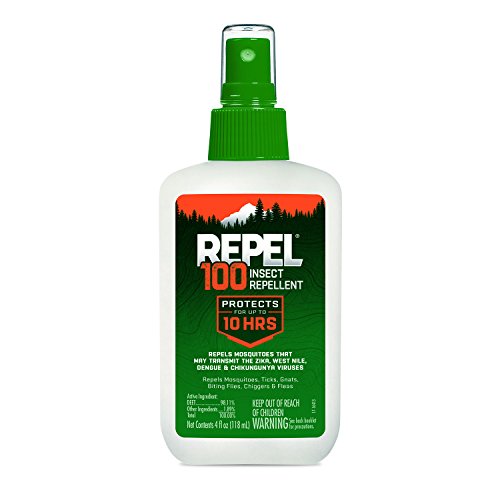
- EPA-approved insect repellent applied sparingly but consistently
- Avoiding scented lotions or soaps that attract insects
Ticks are less common than in grassy upland areas, but it is still wise to perform quick checks at the end of the day, especially for children.
Canoeing Safety for Families
Canoeing through the Georgia Okefenokee Swamp is calm and accessible, but it is still a wilderness activity that requires attention and planning.
Before launching:
- Confirm current water levels and route conditions with staff
- Ensure children wear properly fitted life jackets at all times
- Secure loose items in dry bags
- Choose short, clearly marked routes if paddling with kids
Waterways are flat and slow-moving, but navigation can feel disorienting in a landscape without visible landmarks. Staying within marked trails is essential.
Practicing Responsible and Respectful Exploration
The Georgia Okefenokee Swamp is a protected ecosystem, and visitor behavior directly affects its long-term health. Teaching children simple conservation habits reinforces both safety and stewardship.
Encourage your family to:
- Observe quietly rather than approach wildlife
- Pack out everything you bring in
- Avoid touching plants, nests, or animal remains
- Follow all posted signage and ranger guidance
For up-to-date safety advisories, closures, and wildlife guidance, consult the official U.S. Fish and Wildlife Service page for the Okefenokee Swamp National Wildlife Refuge: https://www.fws.gov/refuge/okefenokee
When approached with awareness and respect, the Georgia Okefenokee Swamp becomes an immersive outdoor classroom rather than an intimidating wilderness. Proper risk awareness allows your family to explore confidently while preserving one of the most ecologically important landscapes in the southeastern United States.
How to Plan a Family Trip to The Okefenokee Swamp
The Okefenokee Swamp is huge. It can be daunting to plan a trip here at first, but with some preparation, it will be an unforgettable experience for the family. Below are some key considerations to keep in mind when planning your visit.
Choose a Time to Visit
The time of visit can also make a huge difference to your experience of this magnificent region. Each season has its own unique merit.
Fall is a great option, between October and November, as the weather is comfortable and the wildlife is still abundant. There are also fewer crowds during this time and subtle color changes to witness across the swamp.
The same can be said for spring, between March and April, where the temperature is still comfortable and the wildflowers and nesting alligators are abundant. Migrating birds are also worth looking for during this time of year.
Summer is a worthy option if you can withstand the heat and humidity, with wildlife still active and most visible around dawn and dusk. Winter, on the other hand, can be colder, but it’s great for bird-watching and offers peace and solitude.
Organize a Packing List
The Okefenokee Swamp is vast and unpopulated, so it’s best to pack everything you may need in advance. Once you’re deep in the swamp, there’s no Walmart to top up on your essentials. Minimalist travelers may opt to pack light but should ensure they have the must-have essentials before setting off.
This list will differ depending on what type of traveler you are and the group you’re exploring with. As a rule of thumb, ensure that you pack lightweight and quick-drying clothing, a hat, sunscreen, plenty of water and powerful bug spray. Waterproof bags are also great for protecting your electronics from damage if they get wet. A first-aid kit and any medication you may need are essential, especially if you plan on a long trip.
Ensure That Family Pets Are Looked After
It’s also important to plan ahead to ensure pets are taken care of while you’re away. The Okefenokee Swamp has limited cell service, so contact with the outside world is challenging. If you have a family dog, ensure they’re not left alone to avoid separation anxiety.
Many symptoms of separation anxiety occur when dogs are alone, making it challenging to accurately diagnose them when you return. That’s why booking a pet-sitter or asking a friend to look after your furry friends when you’re away is key.
Decide Where to Enter
The first thing you should choose is how to enter The Okefenokee Swamp. This is a significant decision, as the region encompasses numerous areas, each with its unique characteristics.
While the area is vast, covering more than 600 square miles, there are only three main entrances — Suwannee Canal Recreation Area, Stephen C. Foster State Park and Okefenokee Swamp Park.
Each entrance has its pros and cons. It’s essential to choose a gateway that suits your needs and those of your family or group, whether that’s access to guides or easier canoe rentals.
What to Expect on Arrival: Visitor Centers, Facilities, and On-Site Logistics in the Georgia Okefenokee Swamp
Arriving at the Georgia Okefenokee Swamp feels very different from arriving at a typical park or attraction. Facilities are intentionally limited, signage is functional rather than flashy, and services are designed to support conservation first. Knowing what is available, and what is not, helps you plan confidently and avoid surprises, especially when visiting with children.
Visitor Centers and Orientation Resources
Each main entrance to the Georgia Okefenokee Swamp includes a visitor center or staffed contact point where you can orient yourself before heading out. These centers are practical hubs rather than full-service attractions.
You can expect:
- Basic exhibits explaining the swamp’s ecology and history
- Updated information on weather, water levels, and wildlife activity
- Maps showing boardwalks, canoe trails, and restricted areas
- Staff or rangers who can answer route-specific questions
If this is your first visit, stopping at the visitor center is strongly recommended. Conditions in the Okefenokee Swamp can change quickly due to rainfall, fire management, or seasonal wildlife activity, and local guidance is often more accurate than general online advice.
Restrooms, Water, and Limited Amenities
Facilities in the Georgia Okefenokee Swamp are minimal by design. Restrooms are available at main entrance areas, but you should not expect services once you are on boardwalks or canoe routes.
Plan accordingly:
- Use restrooms before starting any walk or paddle
- Bring all drinking water with you
- Do not rely on vending machines or food concessions
- Expect limited or no cell service throughout most of the refuge
This is not an environment where you can improvise mid-activity. Families who plan ahead tend to have a far smoother experience.
Parking, Arrival Timing, and Crowds
Parking areas at the Georgia Okefenokee Swamp are modest in size and designed to manage visitor flow rather than maximize capacity. During peak seasons, arriving early significantly improves your experience.
To reduce friction:
- Arrive shortly after opening hours when temperatures are cooler
- Expect fuller parking lots on weekends and holidays
- Allow extra time if you plan to rent canoes or attend ranger-led programs
- Avoid mid-day starts in warmer months whenever possible
Crowds tend to concentrate near visitor centers and boardwalk entrances, while canoe routes and longer walks often feel far more secluded.
Food, Supplies, and What to Bring With You
There are no restaurants, cafés, or general stores inside the Georgia Okefenokee Swamp. Once you enter the refuge, you are responsible for all food, water, and personal supplies.
You should plan to bring:
- Packed meals and snacks for children


- More water than you expect to need


- Sun protection and insect repellent


- Any medications or first-aid items your family may require

Leaving the refuge to resupply can take considerable time due to the swamp’s remote location.
Ranger Programs and Educational Opportunities
Depending on the season, ranger-led talks, guided boat tours, or interpretive programs may be available at certain entrances. These programs are particularly valuable for families interested in learning more about wildlife behavior, fire ecology, and conservation.
Availability varies by location and time of year, so it is best to check ahead of your visit. Official updates, facility details, and current conditions are maintained by the U.S. Fish and Wildlife Service at:
https://www.fws.gov/refuge/okefenokee
Understanding on-site logistics sets realistic expectations and allows you to focus on exploration rather than problem-solving. When you arrive prepared, the Georgia Okefenokee Swamp feels less like an unknown wilderness and more like a thoughtfully managed landscape designed for quiet discovery and learning.
Apply for Permits and Reservations
It’s also important to understand the permits and reservations you need to access the Okefenokee Swamp. What’s required varies depending on the activities you plan to undertake.
To ensure you’re covered, make sure to research, plan ahead and make reservations at the official website. For example, day visitors are required to pay daily admission fees, while a camping permit is necessary for overnight stays.
Conservation, Cultural History, and Why the Georgia Okefenokee Swamp Matters
The Georgia Okefenokee Swamp is not only a destination for outdoor exploration, but also one of the most ecologically and culturally significant landscapes in the southeastern United States. Understanding why this place matters adds depth to your visit and helps frame it as more than a recreational outing, especially for families interested in meaningful, place-based learning.
A Landscape Shaped by Time, Water, and Fire
The Georgia Okefenokee Swamp is a vast peat-filled wetland that has developed over thousands of years. Its slow-moving blackwater, floating prairies, and cypress forests form a system that functions very differently from rivers, lakes, or coastal marshes.
Fire plays a critical role in maintaining this ecosystem. Naturally occurring fires, often sparked by lightning, help shape vegetation patterns and create the mosaic of habitats that support the swamp’s extraordinary biodiversity. Controlled burns are carefully managed to reduce the risk of catastrophic wildfires while preserving ecological balance.
This combination of water and fire makes the Georgia Okefenokee Swamp one of the most unique wetland systems in North America.
Indigenous Presence and Human History
Long before it became a protected refuge, the Georgia Okefenokee Swamp was home to Indigenous peoples who understood how to live within its rhythms. Archaeological evidence suggests long-term use of the area for hunting, fishing, and seasonal movement, guided by deep environmental knowledge.
Later attempts to drain or develop the swamp for agriculture and industry largely failed, underscoring how resistant the landscape is to large-scale alteration. These failed efforts ultimately contributed to the recognition that the Okefenokee was more valuable preserved than exploited.
Understanding this history provides context for why the area remains relatively untouched compared to many other wetlands in the region.
Why the Georgia Okefenokee Swamp Is Ecologically Important
The Georgia Okefenokee Swamp supports hundreds of species of birds, mammals, reptiles, amphibians, and fish, many of which depend entirely on intact wetland systems to survive. It also plays a broader role in regional ecology by:
- Regulating water flow into surrounding river systems
- Storing large amounts of carbon in its peat soils
- Providing critical habitat for migratory birds
- Supporting species that are rare or declining elsewhere
Because wetlands have been lost at a significant rate across the United States, the Okefenokee Swamp represents a remaining stronghold of a disappearing ecosystem type.
Conservation Efforts and Ongoing Protection
The Georgia Okefenokee Swamp is protected primarily as part of the Okefenokee Swamp National Wildlife Refuge, managed by the U.S. Fish and Wildlife Service. Conservation efforts focus on habitat protection, fire management, invasive species control, and visitor education.
Visitor behavior plays a direct role in these efforts. Staying on designated trails, respecting wildlife boundaries, and following permit requirements help reduce stress on the ecosystem and ensure continued access for future generations.
Current conservation priorities and management updates are published by the U.S. Fish and Wildlife Service at:
https://www.fws.gov/refuge/okefenokee
Why This Matters for Families
For families, the Georgia Okefenokee Swamp offers something increasingly rare: exposure to a large, functioning ecosystem that has not been heavily modified for convenience or entertainment. Experiencing a place like this helps children understand scale, patience, and interdependence in ways that books and screens cannot fully replicate.
Framing your visit through the lens of conservation and history turns observation into understanding. It reinforces why quiet exploration, respect for wildlife, and thoughtful travel choices matter, not just here, but in wild places everywhere.
By approaching the Georgia Okefenokee Swamp as a living system rather than a backdrop, your visit becomes both an adventure and a lesson in why preserving landscapes like this remains essential.
A Beautiful Trip That the Whole Family Will Enjoy
Exploring the Okefenokee Swamp isn’t just a day trip. It’s an unforgettable experience for your family to take in nature at its most raw, unfiltered and untouched. Whether it’s gliding along canoe trails, strolling shaded boardwalks or simply observing wildlife, there are plenty of activities that can fit your family’s needs.
Before you venture into this unforgettable landscape, ensure that you’re prepared for the occasion. This is a vast area, so obtaining medical attention, or even just replenishing supplies, may be challenging. That said, with some organization, it’s an exciting and accessible adventure for the whole family.
FAQs – Georgia Okefenokee Swamp
- Q: Is the Georgia Okefenokee Swamp safe to visit with kids?
A: Yes, the Georgia Okefenokee Swamp is considered safe for families when visitors follow posted rules and stay within designated boardwalks and canoe routes. Elevated walkways, clearly marked trails, and active management by the U.S. Fish and Wildlife Service make it a well-regulated environment. Wildlife encounters are common but predictable, and safety guidance is readily available at entrance areas. - Q: What is the best age for kids to visit the Georgia Okefenokee Swamp?
A: Children of all ages can enjoy the Georgia Okefenokee Swamp, but activities should be matched to age and stamina. Boardwalks are ideal for toddlers and younger kids, while canoeing is better suited for children who can sit calmly for one to three hours and wear a life jacket comfortably. - Q: Can you really see alligators in the Georgia Okefenokee Swamp?
A: Yes, American alligators are commonly seen in the Georgia Okefenokee Swamp, especially near open water and along boardwalks. Sightings are frequent, but visitors are kept at safe distances through elevated walkways and regulated canoe routes. - Q: Do you need reservations or permits to visit the Georgia Okefenokee Swamp?
A: Day visitors typically pay an entrance or admission fee depending on the access point. Canoe rentals, guided tours, and overnight camping require reservations or permits. Requirements vary by activity and entrance, so checking official information before your visit is recommended. - Q: What is the best time of year to visit the Georgia Okefenokee Swamp?
A: Spring and fall are generally the most comfortable times to visit the Georgia Okefenokee Swamp, offering moderate temperatures and active wildlife. Summer provides excellent wildlife viewing but comes with heat, humidity, and insects, while winter is quieter and ideal for birdwatching. - Q: How long should you plan to spend at the Georgia Okefenokee Swamp?
A: Most families plan a half-day to a full day at the Georgia Okefenokee Swamp. A few hours allows time for a boardwalk walk and visitor center stop, while a full day accommodates canoeing, ranger programs, and slower exploration. - Q: Are strollers allowed on boardwalks in the Georgia Okefenokee Swamp?
A: Some boardwalk sections may accommodate strollers, but surfaces and widths vary. Lightweight strollers or baby carriers are usually more practical, especially during busy periods or when navigating narrower sections. - Q: What should you pack for a family visit to the Georgia Okefenokee Swamp?
A: Essential items include plenty of water, sun protection, insect repellent, lightweight clothing, closed-toe shoes, snacks or meals, and any necessary medications. There are limited services once inside the swamp, so packing thoroughly is important. - Q: Is there cell service inside the Georgia Okefenokee Swamp?
A: Cell service in the Georgia Okefenokee Swamp is limited or nonexistent in many areas. Visitors should not rely on phones for navigation or communication and should plan accordingly. - Q: Which entrance is best for first-time visitors to the Georgia Okefenokee Swamp?
A: First-time visitors often choose entrances with visitor centers and established facilities, such as areas offering boardwalk access or canoe rentals. The best entrance depends on your planned activities, whether that is wildlife viewing, paddling, or educational programs.
+++BEFORE using this information, please read our Legal Disclaimer+++