

Table of Contents
Why the Soča Valley Is Ideal for Hiking with Children (and a Dog)
Hiking Soča Valley offers a rare combination of dramatic alpine scenery, accessible trails, and family-friendly infrastructure that makes it one of Slovenia’s most compelling regions for active travel with children and a family dog. Tucked into the western Julian Alps, the valley follows the Soča River, known for its striking turquoise color, calm pools, and walkable gorges. For families who want real outdoor adventure without committing to highly technical terrain, this balance is a major draw.
Unlike many alpine destinations that cater primarily to seasoned mountaineers, the Soča Valley supports a wide range of hiking abilities. You can plan short, low-elevation walks near the river, half-day hikes with viewpoints and bridges, or longer alpine routes that still allow you to return to a comfortable base each evening. This flexibility is especially valuable when hiking in Slovenia with children, where energy levels, weather, and attention spans can vary from day to day.
If you have any comments/questions, please leave them below.
A Landscape That Keeps Kids Engaged

The natural features of the Soča Valley actively support family hiking rather than working against it. Trails frequently follow water, pass through forests, and include features that hold children’s interest without requiring manufactured attractions.
Expect to encounter:
- Clear rivers and side streams where children can safely observe aquatic life from the banks
- Suspension bridges and wooden walkways that add interest without excessive exposure
- Gorges and rock formations that provide visual variety on shorter hikes
- Open meadows and shaded forest sections that allow for frequent rest stops
Because many hikes stay close to the valley floor or along well-maintained paths, hiking Soča Valley with kids often feels manageable even for families new to alpine environments.

Terrain That Supports Progressive Adventure
One of the strongest advantages of the region is how easily you can scale difficulty over the course of a trip. Families can start with flat riverside walks and gradually move toward moderate elevation gain as confidence builds.
This makes the Soča Valley particularly well suited for:
- Families transitioning from casual hiking to more adventurous terrain
- Parents traveling with mixed-age children
- Multi-day trips where not every day needs to be strenuous
Trails are typically well-marked, and Slovenia’s hiking culture places a strong emphasis on maintenance and safety. The Slovenian Alpine Association provides standardized trail markings and guidance that apply across much of the country, helping families navigate routes with greater confidence.
For official context on hiking standards, trail systems, and outdoor ethics in Slovenia, you can reference the Slovenia Tourism Board’s overview of hiking and outdoor travel:
Slovenia’s official hiking and outdoor travel guidance from the Slovenian Tourist Board.
A Practical Region for Families Traveling with a Dog
Hiking Soča Valley with a dog is often more straightforward than in many European national parks. While specific rules vary by trail and protected area, the valley includes numerous dog-friendly paths where leashed dogs are commonly accepted.
From a planning perspective, the region supports families traveling with dogs in several ways:
- Easy access to water sources for cooling and hydration
- Accommodation options that regularly host pets
- A hiking culture where dogs on trails are common and expected
That said, responsible travel is essential. Alpine wildlife, livestock grazing areas, and narrow bridges require consistent leash use and situational awareness. Planning routes with dogs in mind allows you to enjoy the valley without creating unnecessary stress for your family or others on the trail.
Why the Soča Valley Fits Active Family Travel Styles
If your family prioritizes outdoor adventure, flexible pacing, and immersion in natural landscapes, the Soča Valley aligns well with those goals. It is not a theme-park-style destination, and it does not rely on curated attractions to entertain children. Instead, it rewards curiosity, movement, and time spent outdoors.
Hiking in the Soča Valley works best for families who:
- Enjoy walking as a primary way to explore a destination
- Are comfortable managing basic outdoor safety considerations
- Prefer nature-based experiences over heavily commercialized tourism
- Want to combine hiking with cultural and historical exploration
As a base for Slovenia family hiking, the Soča Valley provides both accessibility and depth. It allows you to plan a trip that feels adventurous while remaining practical, realistic, and adaptable to the needs of children and a family dog.
Planning Basics: When to Go, Where to Base, and How to Get Around
Successful hiking Soča Valley trips with children depend heavily on timing, base location, and logistics. While the valley is compact, alpine conditions, seasonal river levels, and limited public transport in rural areas mean that thoughtful planning makes a significant difference in how smoothly your trip unfolds.
This section focuses on practical decision-making so you can design a Slovenia hiking trip that fits your family’s energy levels, experience, and travel style.
Best Time of Year for Hiking the Soča Valley
The Soča Valley is a seasonal hiking destination, and conditions can change quickly depending on snowmelt, rainfall, and temperature. Choosing the right window is especially important when hiking in Slovenia with children.
Late spring through early autumn is generally the most suitable period for family hiking:
- Late May to June brings lush landscapes and powerful river flow, though higher trails may still hold snow
- July and August offer the most reliable access to trails but also bring warmer temperatures and more visitors
- September is often ideal for families, with cooler hiking weather, fewer crowds, and stable trail conditions
Winter and early spring are not well suited to family hiking in this region due to snow, ice, and limited daylight. Even in summer, afternoon thunderstorms are possible, so early starts are a smart habit when planning hikes.
For up-to-date climate and regional forecasts, Slovenia’s official meteorological service provides reliable local data:
ARSO – Slovenia Environment Agency weather forecasts.
Where to Stay for Family-Friendly Hiking Access

Choosing the right base town simplifies hiking Soča Valley with kids and reduces daily travel time. Most families benefit from staying in one location and exploring outward rather than moving accommodations frequently.
Common base areas include:
- Bovec, which offers easy access to valley-floor trails and higher alpine routes
- Kobarid, well suited for families interested in shorter hikes and historical sites
- Smaller villages along the river that provide quieter evenings and closer trail access
When evaluating accommodations, prioritize:
- Proximity to trailheads and river access points
- On-site or nearby parking
- Pet-friendly policies if traveling with a dog
- Kitchen access for simple meals before or after hiking days
Staying centrally allows you to adapt plans based on weather or energy levels without committing to long drives.
Getting Around the Soča Valley
While Slovenia has an efficient national transport network, public transport within the Soča Valley itself is limited and infrequent, particularly outside peak season. For families focused on hiking, a rental car offers the most flexibility.
With a car, you can:
- Reach trailheads early to avoid crowds
- Adjust plans quickly if conditions change
- Carry extra gear, food, and layers for children
- Access less-visited hiking routes beyond town centers
Roads in the valley are paved and well maintained, though they can be narrow and winding. Drive times between major villages are short, but allow extra time for stops, livestock crossings, and scenic viewpoints that naturally slow travel.
Food, Supplies, and Daily Logistics
The Soča Valley supports self-sufficient travel, but services are spread out. Planning ahead reduces daily friction, especially with children.
Before starting longer hikes, it is wise to:
- Stock groceries in larger towns rather than relying on small village shops
- Carry sufficient water, even on river-adjacent trails
- Plan simple packed lunches for trail days
- Identify bakeries or markets that fit your morning routine
Pharmacies and medical clinics are present in larger towns, but not necessarily near trailheads. Packing a basic first-aid kit and sun protection is essential for family hiking days.
Why Planning Matters More Here Than It Appears
At first glance, the Soča Valley can feel easy to navigate due to its size. In practice, alpine weather, limited transit options, and variable trail access mean that preparation directly affects safety and enjoyment.
By choosing the right season, basing yourself strategically, and planning transportation carefully, you create the conditions for hiking Soča Valley to feel adventurous rather than stressful. This groundwork allows you to focus on the experience itself, rather than troubleshooting logistics once you arrive.
Hiking the Soča Valley with a Family Dog: Rules, Preparation, and Trail Etiquette

Hiking Soča Valley with a family dog is very feasible, but it requires intentional planning and an understanding of local norms. Slovenia is generally dog-friendly, and dogs are a common sight on trails in the Soča Valley. That said, alpine terrain, wildlife, and shared-use paths mean that families traveling with a dog need to be especially prepared and considerate.
This section focuses on what you need to know to hike responsibly, safely, and confidently with a dog alongside children.
Are Dogs Allowed on Soča Valley Hiking Trails?
Most hiking trails in the Soča Valley allow dogs, particularly those outside of strictly protected areas. Dogs are typically expected to be under control at all times, and leash use is strongly advised on most routes, especially where trails are narrow or shared with other hikers.
Key points to plan around:
- Leashes are commonly required or expected, even when not explicitly posted
- Wildlife, livestock grazing areas, and cliff-adjacent trails make off-leash hiking inappropriate
- Some alpine routes may involve ladders, exposed sections, or metal cables that are not suitable for all dogs
If you are considering higher-elevation hikes or routes that approach protected areas, always confirm access rules in advance. Triglav National Park, which governs much of Slovenia’s alpine region, provides guidance on dog access and responsible trail use that also applies broadly to similar environments across the country:
Triglav National Park official visitor guidelines.
Preparing Your Dog for Alpine Hiking Conditions
Even if your dog is experienced with long walks, alpine hiking introduces additional stressors. Elevation gain, rocky surfaces, heat reflected off stone, and longer durations between rest points all increase physical demand.
Preparation should include:
- Gradual conditioning before the trip, not sudden mileage increases
- Regular hydration breaks, even when hiking near the river
- Paw checks for abrasion from rocky or gravel-heavy trails
- Awareness of heat buildup on exposed sections of trail
Nutrition and recovery also matter on multi-day hiking trips. Some families choose to support their dog’s activity levels with high-quality nutrition and supplements formulated for active dogs. If you are evaluating options, this is where dog supplements designed for mobility, recovery, and overall health can play a role when used thoughtfully and appropriately.
Managing Water, Heat, and River Access
The Soča River is visually inviting, but it is not always safe for dogs to enter. Snowmelt-fed water can be extremely cold, and currents may be stronger than they appear.
Best practices include:
- Offering carried water rather than relying on river access
- Avoiding letting dogs swim near bridges, gorges, or fast-moving sections
- Using shaded breaks rather than river immersion to manage heat
- Drying dogs promptly if they do get wet to prevent chilling at higher elevations
Children often want to stop frequently near the river, which can be a positive part of hiking Soča Valley with kids, but supervising both children and a dog near water requires clear boundaries and consistent rules.
Trail Etiquette When Hiking with Kids and a Dog
Good trail etiquette becomes even more important when your group includes both children and a dog. The Soča Valley is popular with hikers, cyclists, and guided groups, particularly in summer.
To minimize friction:
- Yield early and visibly on narrow trails
- Keep dogs close when others approach
- Step off the trail rather than asking others to maneuver around you
- Teach children to pause and stand still when hikers pass
These habits improve safety and contribute to a positive experience for everyone sharing the trail.
Packing Essentials for Dogs on Soča Valley Hikes
In addition to standard family hiking gear, traveling with a dog adds a few critical items to your packing list.
Consider carrying:
- A sturdy leash suitable for uneven terrain
- Collapsible water bowls
- Extra food or high-energy snacks for longer days
- Paw protection if your dog is sensitive to rocky trails
- Waste bags, even on remote routes
Planning dog-specific logistics in advance reduces stress and allows hiking Soča Valley to remain focused on exploration rather than problem-solving.
Why the Soča Valley Works Well for Dog-Inclusive Family Travel
The Soča Valley’s mix of accessible trails, abundant nature, and dog-tolerant culture makes it one of the more realistic alpine regions for families who do not want to leave a dog behind. When approached responsibly, hiking here with a dog can integrate smoothly into a family-focused itinerary.
By respecting trail rules, preparing for alpine conditions, and prioritizing safety for both children and dogs, you set the foundation for an outdoor experience that feels balanced, rewarding, and sustainable over multiple hiking days.
Family-Friendly Hiking Trails in the Soča Valley
Family-friendly hiking trails are one of the strongest reasons hiking Soča Valley works so well with children. The region offers a wide range of routes that feel adventurous without requiring technical skills, long exposure, or sustained steep climbs. Many hikes combine clear trail marking, natural points of interest, and logical turnaround options, which makes them especially suitable for families managing variable energy levels.
Rather than focusing on extreme summits, most family hiking in the Soča Valley centers on river walks, gorges, forest paths, and moderate elevation routes with high visual payoff.
What Makes a Trail Suitable for Children Here
Not every trail labeled “easy” is ideal for kids, particularly in alpine terrain. When selecting hikes in the Soča Valley with children, the most reliable indicators of suitability are not distance alone, but terrain and flexibility.
Family-appropriate trails typically share these characteristics:
- Well-maintained paths with clear footing
- Limited exposure near drop-offs or cliffs
- Frequent visual interest that breaks up walking time
- Natural places to stop, snack, or turn around
- Access to shade or forest cover during warmer months
Many Soča Valley hiking trails meet these criteria, especially those that stay close to the river or follow historic paths and old military routes.
River Walks and Gorge Trails
Some of the most accessible hikes in the region follow the Soča River itself or its tributaries. These routes are often ideal for younger children or for easing into a multi-day hiking itinerary.
Common features of these hikes include:
- Suspension bridges and wooden walkways
- Calm viewing platforms above gorges
- Short loop or out-and-back options
- Minimal elevation gain
These trails allow children to engage with the landscape through observation rather than endurance. They are also well suited to families hiking with a dog, as long as dogs are kept leashed near narrow sections and bridges.
Forest and Valley-Floor Hikes
Beyond the river corridor, the valley floor and lower slopes of the Julian Alps offer shaded forest hikes that work well on warmer days. These trails often connect villages, meadows, and historic sites, making them easy to integrate into a broader travel day.
Forest routes are especially useful when:
- Temperatures are high and sun exposure needs to be limited
- You want a quieter alternative to popular river paths
- Children benefit from predictable footing and steady grades
Because these hikes tend to be less dramatic visually, pairing them with a clear destination such as a viewpoint, waterfall, or cultural site helps maintain motivation for younger hikers.
Moderate Hikes for Confident Hiking Families

For families with older children or strong hiking experience, the Soča Valley also offers moderate trails that climb above the river for expansive views. These routes introduce more elevation gain while remaining non-technical.
Before choosing these hikes, consider:
- Total ascent rather than just distance
- Time required at a child’s pace
- Weather exposure above the tree line
- Your ability to turn back if conditions change
Moderate hikes are often best planned earlier in the day, allowing flexibility if weather or energy levels shift.
Using Trail Resources Responsibly
While digital trail platforms can be useful for planning, they should be treated as supplements rather than definitive guides. Trail conditions can change due to weather, maintenance schedules, or seasonal factors.
For authoritative trail marking standards and hiking culture in Slovenia, the Slovenian Alpine Association provides nationally recognized guidance on trail classifications and signage that apply throughout the region:
Slovenian Alpine Association hiking and trail marking standards.
Cross-referencing multiple sources and reading recent trail condition notes helps ensure that hiking Soča Valley with kids remains safe and predictable.
Setting Realistic Expectations for Family Hiking Days
Even the most family-friendly hikes can feel challenging if expectations are misaligned. Children often move more slowly uphill and faster downhill, and interest levels can change quickly.
When planning daily hikes:
- Prioritize quality over mileage
- Build in buffer time for stops and exploration
- Choose routes with multiple exit points when possible
- Plan one primary hike per day rather than stacking objectives
The Soča Valley rewards this measured approach. By selecting trails that align with your children’s abilities and interests, hiking here becomes less about pushing limits and more about sustained engagement with one of Slovenia’s most distinctive landscapes.
Outdoor Adventure Experiences Beyond Hiking
While hiking Soča Valley is often the primary reason families visit the region, limiting your itinerary to hiking alone can unintentionally increase fatigue, especially for children. One of the valley’s strengths is how easily hiking days can be balanced with other outdoor adventure experiences that still keep your family immersed in nature without requiring constant physical exertion.
These complementary activities add variety, support recovery between hikes, and help children maintain enthusiasm over a multi-day trip.
River-Based Experiences Along the Soča
The Soča River defines the valley both visually and experientially. While the river is famous for adrenaline sports, there are also ways for families to engage with it safely and passively.
Family-appropriate river experiences include:
- Scenic river walks with frequent access points and viewing platforms
- Calm gravel banks where children can observe fish and river insects
- Shaded picnic areas near slower-moving sections of water
- Short walks to river gorges and viewpoints that do not require long hiking commitments
Direct water play should always be evaluated carefully. Snowmelt-fed temperatures remain cold even in summer, and currents can be deceptive. Viewing and exploring from the banks is often the safest and most rewarding option for families with younger children.
Cycling and Valley Exploration
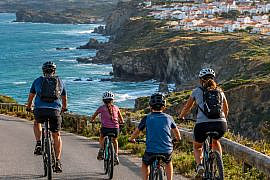
The Soča Valley’s geography lends itself well to cycling as a lower-impact alternative to hiking. Quiet roads, relatively short distances between villages, and scenic backdrops make cycling a practical way to explore on non-hiking days.
Cycling works particularly well for:
- Rest days between longer hikes
- Families with older children who enjoy independent movement
- Exploring valley-floor terrain without elevation gain
Some families combine cycling with short hikes, using bikes to reach trailheads or scenic stops that would otherwise require driving.
Cultural and Historical Outdoor Sites
Outdoor exploration in the Soča Valley extends beyond natural features. The region holds significant historical importance, particularly related to World War I, and many sites are located outdoors or along walking routes.
The Walk of Peace network connects trails, open-air museums, and memorials that can be visited at a child-friendly pace. These sites often pair well with short hikes or village walks, offering educational value without additional physical strain.
For accurate historical context and site information, the Walk of Peace Foundation provides authoritative resources and maps:
Walk of Peace Foundation official trail and site information.
Waterfalls, Viewpoints, and Short Scenic Walks
Short, high-impact outings are especially valuable for families traveling with children. The Soča Valley includes numerous waterfalls, lookout points, and gorges accessible via brief walks rather than full hikes.
These experiences are ideal when:
- Weather conditions make longer hikes impractical
- Children need a lighter day
- You want to explore without committing to a multi-hour route
Because many of these sites are popular, visiting earlier in the day or during shoulder seasons helps maintain a quieter, more relaxed experience.
Structuring Adventure Days for Balance
The key to sustaining energy over several days in the Soča Valley is intentional pacing. Alternating full hiking days with lighter outdoor experiences allows children and adults to recover while still feeling engaged with the landscape.
A balanced rhythm might include:
- One longer hike followed by a river walk or cycling day
- A moderate hike paired with a historical site visit
- A rest morning followed by a short scenic walk in the afternoon
This approach supports physical recovery, reduces burnout, and keeps hiking Soča Valley enjoyable rather than exhausting.
Why Variety Matters for Family Travel Here
The Soča Valley is not a destination that requires constant motion to feel rewarding. By incorporating a mix of hiking and complementary outdoor activities, you create space for children to process, explore, and remain curious.
These experiences reinforce the valley’s identity as a holistic outdoor destination, not just a hiking corridor. For families, that flexibility often makes the difference between a trip that feels demanding and one that feels genuinely restorative.
Sample Family Itineraries for Hiking the Soča Valley
Planning a successful hiking Soča Valley trip with children is less about maximizing mileage and more about sequencing days thoughtfully. The valley’s compact geography allows you to combine meaningful hikes with rest, variety, and flexibility, which is essential when traveling with kids and a family dog.
The sample itineraries below are designed to be realistic, adaptable, and self-guided. They assume a single base in the valley and prioritize recovery, weather awareness, and child-friendly pacing.
How to Use These Itineraries
These itineraries are frameworks rather than rigid schedules. You should expect to adjust based on:
- Weather and trail conditions
- Your children’s energy levels
- Crowds during peak summer months
- Whether you are traveling with a dog every day or alternating care
Each itinerary intentionally limits daily objectives so hiking in Slovenia with children remains enjoyable and sustainable.
3-Day Highlights Itinerary: A Gentle Introduction
This itinerary works well for families new to alpine hiking or those passing through the region as part of a broader Slovenia trip.
Day 1: Valley-floor and river exploration
Focus on short hikes near the Soča River, including gorge walks and riverside paths. These hikes allow children to acclimate to the environment while staying close to services and easy exits.
Day 2: Moderate family hike
Choose one family-friendly hiking trail with modest elevation gain and a clear turnaround point. Plan for a single primary hike and leave time for an unstructured afternoon near the river or in town.
Day 3: Short scenic walks and viewpoints
Wrap up with waterfalls, viewpoints, or historical outdoor sites that require minimal hiking but still deliver a sense of exploration.
This structure introduces hiking Soča Valley without physical overload and works well with younger children.
5-Day Balanced Itinerary: Hiking with Recovery Built In
A five-day stay allows you to alternate hiking days with lighter outdoor experiences, which is ideal for families traveling with kids and a dog.
Day 1: Arrival and short walk
Keep the first day light with a village walk or river path.
Day 2: Longer family hike
Plan your most ambitious hike of the trip while energy is high.
Day 3: Low-impact outdoor day
Cycle the valley floor, explore river access points, or visit outdoor historical sites.
Day 4: Moderate hike at a relaxed pace
Choose a hike with elevation but limit distance. Build in extra breaks and a clear turnaround time.
Day 5: Flexible departure day
Use this day for a final short walk or rest, depending on weather and fatigue.
This rhythm helps prevent burnout and keeps hiking Soča Valley feeling rewarding rather than demanding.
7-Day Slow-Travel Itinerary: Deep Exploration Without Rush
For families prioritizing immersion over checklists, a week-long stay supports a slow-travel approach that aligns well with outdoor adventure family travel.
Over seven days, you can:
- Hike three to four distinct trails of varying difficulty
- Schedule full rest or low-impact days between hikes
- Revisit favorite river areas at different times of day
- Adjust plans dynamically based on conditions
This approach is particularly well suited to families with older children or strong hiking habits, as well as those traveling with a dog who benefits from rest days between longer outings.
Adapting Itineraries for Weather and Safety
Alpine weather can shift quickly, even in summer. Smart itinerary planning includes built-in flexibility rather than rigid sequencing.
When conditions change:
- Swap longer hikes for forest or valley-floor routes
- Replace hiking days with cycling or cultural outdoor sites
- Start earlier in the morning to avoid afternoon storms
- Skip exposed trails when visibility or footing is compromised
For general mountain safety guidance relevant across Slovenia, the Slovenian Alpine Association provides authoritative resources on hiking planning and risk management:
Slovenian Alpine Association mountain safety guidance.
Planning Itineraries with Children and a Dog
When traveling with both children and a dog, itineraries should assume a slightly slower pace and fewer daily objectives. Avoid stacking multiple hikes in one day and prioritize routes with:
- Reliable shade or forest cover
- Access to water for cooling and hydration
- Clear trail conditions without ladders or cables
A well-paced itinerary supports everyone in your group and reduces the likelihood of injuries, frustration, or decision fatigue.
Why Thoughtful Itineraries Matter in the Soča Valley
The Soča Valley’s beauty can tempt families to overplan. In reality, the region rewards restraint and adaptability. By structuring itineraries that emphasize balance, you allow hiking Soča Valley to unfold as a series of meaningful experiences rather than a checklist of trails.
For families, this approach often leads to better memories, fewer stress points, and a deeper connection to one of Slovenia’s most distinctive alpine landscapes.
Safety, Logistics, and Responsible Travel Tips for Families
Hiking Soča Valley with children and a family dog requires the same foundational safety awareness as any alpine environment, paired with a realistic understanding of how families move through outdoor spaces. The valley is well managed and generally safe, but conditions can change quickly, and preparedness directly affects both enjoyment and outcomes.
This section focuses on practical safety considerations, logistics, and responsible travel practices that support a smooth family hiking experience.
Understanding Alpine Weather and Daily Conditions
Weather in the Julian Alps can shift rapidly, even during summer. Clear mornings can give way to afternoon storms, temperature drops, or increased wind at higher elevations.
When planning hiking days:
- Start early to reduce exposure to afternoon weather changes
- Check forecasts daily rather than relying on long-range predictions
- Avoid committing to exposed trails if storms are possible
- Pack layers even on warm days, especially for children
For reliable, region-specific forecasts, Slovenia’s Environment Agency provides authoritative alpine weather data and warnings:
ARSO – Slovenia Environment Agency weather service.
Trail Safety and Risk Management
Most family-friendly hiking trails in the Soča Valley are well marked and maintained, but alpine terrain introduces inherent risk. Narrow paths, steep drop-offs, and wet rock surfaces are common in gorge areas and near the river.
Key safety practices include:
- Staying on marked trails at all times
- Turning back if trail conditions exceed your comfort level
- Teaching children to stop and wait at exposed sections
- Maintaining clear spacing between hikers on narrow paths
When hiking with a dog, leash control becomes a safety issue rather than a courtesy, particularly near cliffs or suspension bridges.
Navigation, Communication, and Emergency Preparedness
Cell service in the Soča Valley is generally reliable near towns and major routes but can be inconsistent in gorges or higher terrain. Families should not rely exclusively on mobile connectivity.
Recommended precautions:
- Download offline maps before hiking
- Carry a fully charged phone and a backup battery
- Know the local emergency number, which in Slovenia is 112
- Inform someone of your planned route on longer hikes
Mountain rescue services in Slovenia are professional and well organized, but response times vary based on terrain and weather. Self-reliance remains important.
For official information on mountain rescue and emergency response in alpine areas, the Slovenian Mountain Rescue Association provides authoritative guidance:
Slovenian Mountain Rescue Association safety information.
Health, First Aid, and Family-Specific Considerations
Basic first-aid preparedness is especially important when hiking with children. Minor scrapes, insect bites, or fatigue are common and manageable with preparation.
A family-focused hiking kit should include:
- Blister care and bandages
- Sun protection and insect repellent
- Child-appropriate hydration and snacks
- Any necessary medications
Parents should monitor signs of fatigue or overheating closely. Children may not always communicate discomfort until it becomes acute, so frequent check-ins are essential.
Environmental Responsibility and Local Etiquette
The Soča Valley’s appeal depends on careful environmental stewardship. Families play an important role in maintaining trail quality and protecting sensitive ecosystems.
Responsible practices include:
- Packing out all waste, including food scraps
- Keeping dogs leashed near wildlife and livestock
- Staying off fragile riverbanks and vegetation
- Respecting posted signage and local guidance
Modeling responsible behavior helps children understand their role in preserving the places they enjoy.
Logistical Tips That Reduce Stress
Small logistical decisions often have an outsized impact on family travel. In the Soča Valley, planning around timing and access improves safety and comfort.
Helpful practices include:
- Parking only in designated areas near trailheads
- Carrying cash for small villages or seasonal kiosks
- Allowing extra time for transitions between activities
- Building flexibility into each day’s plan
These considerations help prevent rushed decisions that can lead to mistakes or unnecessary risk.
Why Safety Planning Supports Better Experiences
Safety planning is not about limiting adventure; it enables it. By approaching hiking Soča Valley with a clear understanding of alpine conditions, family dynamics, and local expectations, you create space for meaningful exploration rather than reactive problem-solving.
For families, this approach builds confidence, reinforces outdoor skills, and supports a travel experience that is both enriching and responsibly grounded.
FAQs – Hiking Soča Valley
- Q: Is hiking Soča Valley suitable for families with young children?
A: Yes. Hiking Soča Valley is well suited to families with children, especially when you focus on valley-floor trails, river walks, and shorter hikes with clear turnaround points. Many routes are well maintained, visually engaging, and flexible enough to adapt to children’s energy levels. - Q: What is the best time of year for hiking Soča Valley with kids?
A: Late spring through early autumn is best. June and September are particularly good for families due to cooler temperatures and fewer crowds, while July and August offer the widest trail access but require careful heat and timing management. - Q: Can you hike the Soča Valley with a family dog?
A: In most cases, yes. Many hiking trails in the Soča Valley allow dogs, provided they are kept under control and leashed where appropriate. Families should avoid exposed or technical routes and plan around wildlife, livestock areas, and narrow paths. - Q: Do you need a car to hike in the Soča Valley?
A: While public transport exists, a car is strongly recommended for families. Having a vehicle allows easier access to trailheads, flexibility with weather changes, and the ability to carry food, layers, and gear needed for hiking with children and a dog. - Q: Are the hiking trails in the Soča Valley well marked?
A: Yes. Slovenia has a strong hiking culture, and trails in the Soča Valley are generally well marked and maintained. That said, families should still use maps, offline navigation tools, and conservative decision-making when choosing routes. - Q: How difficult are the hikes in the Soča Valley?
A: Difficulty varies widely. The region offers everything from flat riverside walks to moderate alpine hikes with elevation gain. Families can easily plan a progression, starting with easy trails and moving to more challenging hikes as confidence builds. - Q: Is the Soča River safe for children and dogs?
A: The river should be approached with caution. While it is visually inviting, the water is cold year-round and currents can be strong. Most families enjoy the river best from the banks, bridges, and viewpoints rather than direct swimming or wading. - Q: How many days should a family plan for hiking the Soča Valley?
A: A minimum of three days allows for highlights, while five to seven days is ideal for a balanced experience. Longer stays make it easier to alternate hiking days with lighter outdoor activities and rest, which is especially important with children. - Q: Is hiking Soča Valley better as a single-base trip or with multiple accommodations?
A: Most families benefit from staying in one base town and exploring outward. The valley is compact, and single-base travel reduces packing, driving time, and daily logistics, making the trip more relaxed and adaptable. - Q: Do you need guided tours to hike in the Soča Valley?
A: Guided tours are not required for most family-friendly hikes. With proper planning, up-to-date trail information, and conservative route choices, families can confidently hike independently while enjoying flexibility and self-paced exploration.
+++BEFORE using this information, please read our Legal Disclaimer+++