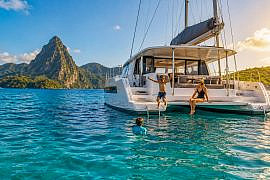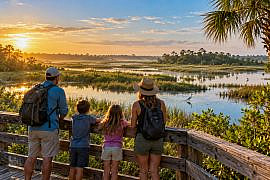


Easing into the day on Charleston Harbor as the Intracoastal Waterway unfolds ahead. Out here, time stretches and your family settles into a gentler rhythm—one where sunrise coffee on the aft deck, patient tides, and shared discoveries become the point of the journey. If you are dreaming of a long, slow trip that strings together America’s coastal towns, the Intracoastal Waterway offers protected passages, history at every bend, and countless chances to learn together. This guide will help you choose the right season, read the tides, navigate with confidence, travel safely with kids, restock smartly, and pick family-friendly stops—all so you can plan less, worry less, and savor more.
If you have any comments/questions, please leave them below.
Table of Contents
What Is the Intracoastal Waterway?
The Intracoastal Waterway includes channels, rivers and bays in the Gulf of Mexico and the Atlantic Ocean. You can expect to travel over 3,000 miles from Boston, Massachusetts, to Brownsville, Texas. Commercial and recreational boats share the waterway, as captains and families enjoy the blue waters. Staying inland protects your crew from the rougher waters farther out.
This body of water has distinct sections — the Atlantic route and the Gulf of Mexico. The Atlantic section ends at the Florida Keys, where it connects to the Gulf section. You’ll pass by Alabama and Mississippi on your way to the endpoint in Texas.
Embracing Slow Boating on the Coast
The Intracoastal Waterway is for those who prefer the scenic route. Depending on your daily mileage and planned stops, your journey could take a couple of weeks or an entire month. Take time in inspiring places and let the trip guide itself. Your trip is about the experience more than the precise number of miles and days spent.
A long trip means you can only pack so much in your boat. Therefore, it’s an opportunity to embrace minimalism and lighten the load. Pack what you need and leave the non-essentials at home to shift your focus toward experiences. Slow traveling lets you savor each day of the trip. You can make every sunrise and sunset memorable from Massachusetts to Texas.
Tips for Slow Travel on the Intracoastal Waterway
Imagine drifting along the inland waterways with minimal stress and itineraries. Here are six tips to make the most of your Intracoastal Waterway adventure.
1. Embrace Flexibility
Expecting to complete the Intracoastal Waterway in a specific amount of time is for competitive racers. If you’re a traveler, you should embrace flexibility by adding buffer days in your itinerary. The extra time lets you enjoy more experiences and avoid rushing through port cities. You may encounter fellow boaters or locals who encourage you to take alternate, more scenic routes.
Due to weather conditions along the coasts, flexibility is essential. Summer and early fall travel could mean encountering hurricanes and thunderstorms, which can throw off your schedule. Be willing to wait an extra day in a dock or marina for safer conditions. Hurricane season stretches from June through November, so travelers must prepare for unexpected changes.
2. Watch the Forecast
While hurricanes threaten summer and fall, strong winds can arrive anytime. Check National Oceanic and Atmospheric Administration (NOAA) forecasts by bringing a weather radio. NOAA provides marine weather updates, whether you need wind or tide information. This resource is essential if storms arise during your Intracoastal Waterway trip.
Sunny weather may make you think you can skip the weather forecast. However, you should review the conditions every morning before starting your day. Your route could experience increased storm chances as you move farther south or north. You may need to recheck the forecast if you see changing skies or experience stronger wind patterns.
Seasonal Considerations and Best Times to Go

Planning your trip along the Intracoastal Waterway with seasonal conditions in mind can make the difference between a smooth, enjoyable voyage and one that feels rushed or stressful. Weather patterns, water levels, and local events shift throughout the year, and understanding these variations helps you choose the right time to travel with your family.
Spring: Mild Weather and Fewer Storms
Spring is one of the most popular times to explore the Intracoastal Waterway. From March through May, you will often find comfortable temperatures, blooming landscapes, and relatively calm conditions.
Advantages of spring travel include:
- Lower risk of hurricanes compared to late summer and fall.
- Pleasant weather for both boating and shore excursions.
- Opportunities to enjoy spring festivals in coastal towns.
Keep in mind that spring can bring occasional storms and fluctuating water levels, so it is still important to monitor forecasts.
Summer: Long Days but Hurricane Risk
Summer offers the longest daylight hours, making it appealing for families who want to maximize their time outdoors. However, this season also introduces higher risks.
Key factors to consider in summer:
- Hurricane season officially begins on June 1, with the peak typically from August through September.
- Afternoon thunderstorms are common, especially in southern states.
- Popular marinas and attractions may be crowded due to school holidays.
If you choose to travel in summer, build flexibility into your schedule and be prepared to wait out storms in safe harbors.
Fall: Festivals and Changing Landscapes
Autumn can be one of the most rewarding times to experience the Intracoastal Waterway. From September through November, cooler temperatures make for comfortable boating, and coastal towns often host seasonal festivals.
Benefits of fall travel include:
- Beautiful foliage in northern sections of the waterway.
- Harvest festivals and maritime events that are family-friendly.
- Reduced summer crowds in many popular stops.
However, fall still falls within hurricane season, so careful planning and daily weather checks remain important.
Winter: Quiet Harbors and Mild Southern Weather
For families seeking fewer crowds, winter can be a good time to explore southern stretches of the Intracoastal Waterway. From December through February, harbors in Florida, Alabama, and Texas tend to have mild weather compared to northern states.
Considerations for winter travel:
- Northern sections may be too cold for comfortable boating.
- Shorter daylight hours require earlier planning for docking and anchoring.
- Some attractions and marinas in smaller towns may operate with limited hours.
Choosing the Right Season for Your Family
The best season for your trip depends on your priorities:
- Choose spring or fall if you value moderate weather and cultural events.
- Choose summer if long days and school breaks align with your schedule, but plan for storms.
- Choose winter if you want quieter waterways and mild southern climates.
By aligning your travel plans with seasonal conditions, you can make the most of your Intracoastal Waterway adventure and ensure that your family enjoys both the time on the water and the discoveries waiting onshore.
3. Let the Tides Guide You
Imagine riding an escalator to the next floor of a shopping mall. Riding the upward escalator instead of fighting the downward one makes more sense. Use the same approach when traveling the Intracoastal Waterway, letting the tides guide you along the Atlantic Coast and the Gulf of Mexico.
Riding with the tide makes traveling easier because you’re putting less stress on your motor. Boats can maintain the same speed instead of fighting against the current. The steering wheel is more forgiving when water moves past the rudder and works with your boat. Use navigational apps and chartplotters to predict the tide and set up your route.
Navigation and Tech Tools to Use

Navigating the Intracoastal Waterway may seem straightforward because the route stays inland, but the reality is more complex. Shifting tides, shoaling, heavy boat traffic, and narrow channels all require your attention. Reliable navigation tools and technology help you plan each leg of your journey, avoid hazards, and keep your family safe. Combining traditional charts with modern apps and devices provides the best balance of security and convenience.
Paper Charts and Guides
Even in the digital age, paper charts remain valuable. Electronic systems can fail, and having printed backups ensures you can continue your trip with confidence. Essential resources include:
- NOAA nautical charts covering the sections you plan to travel.
- Cruising guides specific to the Intracoastal Waterway that provide detailed notes on marinas, anchorages, and local conditions.
- Tide tables in printed form as a secondary reference.
Chartplotters and GPS
Chartplotters are one of the most useful tools for Intracoastal Waterway navigation. These devices combine GPS positioning with detailed maps to show your precise location in real time. Benefits of using a chartplotter include:
- Accurate depth readings to help you avoid shallow areas.
- Route planning features that account for tides and currents.
- Integrated AIS (Automatic Identification System) to display nearby vessels.
When paired with GPS, a chartplotter helps you steer confidently through even the narrowest stretches of the waterway.
Mobile Apps for Navigation
Smartphone and tablet apps are excellent companions to traditional tools. Some of the most widely used options include:
- Navionics: Offers detailed marine charts and real-time updates.
- Aqua Map: Popular with Intracoastal Waterway cruisers for its user-friendly design and offline capability.
- ActiveCaptain: Provides crowd-sourced information about marinas, anchorages, and hazards.
- NOAA Weather App: Keeps you updated with forecasts, tide predictions, and storm alerts.
Having more than one app can be useful, as each provides slightly different features and perspectives.
Communication and Safety Technology
Navigation goes hand in hand with communication. A VHF marine radio remains essential for checking in with marinas, contacting the Coast Guard, and communicating with other vessels. Cell phones are convenient, but coverage along the Intracoastal Waterway can be inconsistent. Additional safety gear to consider includes:
- Portable GPS beacons for emergencies.
- Handheld VHF radios as backups to your mounted system.
- Extra charging systems or power banks to ensure devices stay operational.
Building Redundancy Into Your System
No single navigation method is flawless, so layering your tools ensures reliability. A well-prepared family cruiser will typically have:
- Paper charts as a fail-safe.
- A chartplotter for precise, real-time navigation.
- Mobile apps for supplemental information and planning.
- A VHF radio for communication.
This layered approach reduces stress, prevents delays, and allows you to travel the Intracoastal Waterway with confidence. By combining reliable technology with traditional seamanship practices, you create a safer and more enjoyable experience for your family.
4. Understand Boating Rules
United States laws still apply while you sail along the coast, so be mindful of maritime policies. The Coast Guard says proper boating safety could prevent as many as 75% of boating fatalities, emphasizing the need for education.
For example, you must defer to non-motorized boats when they approach. Sailboats have the right of way because they’re slower and less maneuverable. Therefore, motorized vessels must take responsibility and move out of the way. Besides following the law, it’s courteous to be aware of other travelers and give plenty of space to other boaters.
Safety Essentials for Families on the Waterway
Safety is the foundation of a successful journey along the Intracoastal Waterway. Whether you are planning a two-week adventure or an extended voyage, being prepared ensures that your family can relax and enjoy the experience without unnecessary risks. Even though the waterway is protected compared to the open ocean, conditions can change quickly, and it is essential to have the right gear, knowledge, and routines in place before you set out.
U.S. Coast Guard Requirements
Before you begin your trip, review the U.S. Coast Guard’s boating safety requirements. These are not optional suggestions but enforceable laws designed to keep you and your family safe. At minimum, your vessel should carry:
- One properly fitting U.S. Coast Guard-approved life jacket for each person on board, including children.
- A throwable flotation device, such as a ring buoy.
- Fire extinguishers suitable for marine use.
- Sound-producing devices like a whistle, bell, or horn.
- Visual distress signals (day and night) if your boat is longer than 16 feet.
The Coast Guard provides an updated checklist that you can review online at uscgboating.org.
Child-Specific Safety Measures
Traveling with children along the Intracoastal Waterway requires additional attention to detail. Life jackets must not only be the right size but also appropriate for the child’s weight. Look for vests with:
- Head support to help keep a child’s face above water.
- A crotch strap to prevent the jacket from riding up.
- Grab handles that make it easier to pull a child out of the water in an emergency.
Establish simple, non-negotiable rules for your children, such as:
- Always wear a life jacket when on deck.
- Stay seated when the boat is moving.
- Ask before leaving the cabin or cockpit area.
These small practices can prevent accidents and give you peace of mind while traveling.
Emergency Preparedness
Even when you take every precaution, emergencies can happen. Preparing your crew to respond calmly and effectively is critical. Consider the following steps:
- Carry a fully stocked first aid kit and ensure adults on board know how to use it.
- Teach older children how to recognize and call for help in case of fire, injury, or man-overboard situations.
- Equip your boat with a VHF marine radio for reliable communication with the Coast Guard or nearby vessels. Cell service can be spotty in certain areas of the Intracoastal Waterway, so a radio is a more dependable option.
- Practice man-overboard drills so everyone knows their role in an emergency.
Weather Awareness and Safety Gear
Conditions along the Intracoastal Waterway can shift quickly due to thunderstorms, strong winds, or tidal changes. In addition to checking daily forecasts, outfit your vessel with the following:
- A waterproof weather radio for NOAA marine updates.
- Navigation lights that are in good working order.
- An anchor suitable for your boat size and the waterway’s bottom conditions.
- Extra lines and fenders for docking in unfamiliar marinas.
Why Safety Matters for Slow Travel
When you commit to a slow travel experience along the Intracoastal Waterway, safety becomes even more significant. Longer days on the water, extended nights at anchor, and limited access to supply points mean you must be self-reliant. By having the right safety equipment and habits in place, you create the freedom to explore historic towns, quiet coves, and family-friendly festivals without unnecessary worry.
Traveling safely is not about being overly cautious—it is about being well-prepared so your family can focus on the joy of discovery rather than the stress of uncertainty.
5. Strategically Stock Supplies
Your boat will have limited space, so it’s important to have a minimalist mindset on your Intracoastal Waterway journey. Be strategic when purchasing supplies and ensure everything can fit in your storage areas. Measure these spaces and follow the weight restrictions listed in your owner’s manual. If you need more supplies, you can break up the trip by stopping at marinas and coastal towns.
Living on a boat for a month requires non-perishable foods. The USDA says canned food can last up to five years on a shelf, so pack canned noodles, vegetables and soups. These foods are helpful if you plan to wait a few days before arriving at the next port. Save storage space on your boat by packing multipurpose pots and collapsible containers.
6. Engage With the Boating Community
Sailing the Intracoastal Waterway is excellent for finding peaceful solitude in the water. However, you can also enjoy the company of others on your trip. Engage with fellow boaters at marinas and anchorages. Ask them about their experiences along the Atlantic Ocean or the Gulf of Mexico, from favorite stops to lessons learned.
Find community festivals and educational workshops in port cities. For example, your journey could take you to the Wilmington Riverfest in North Carolina. This celebration includes a boat show, live music, and arts and crafts for the whole family. Take your crew here to immerse yourself in the boating community and mingle with fellow travelers. The Fort Lauderdale International Boat Show is also a great place to meet new friends on your journey.
Environmental Stewardship on the Waterway
Traveling the Intracoastal Waterway gives you access to some of the most diverse ecosystems in the United States, from salt marshes and barrier islands to estuaries and mangrove forests. These habitats are home to countless species of birds, fish, and marine mammals. As a traveler, the way you manage your boat and interact with the environment plays a direct role in protecting these fragile ecosystems for future generations.
Eco-Friendly Boating Practices
Everyday decisions on your vessel can reduce your impact. Consider adopting practices such as:
- Using biodegradable, phosphate-free soaps for cleaning dishes and gear.
- Switching to non-toxic boat cleaning products that minimize chemical runoff.
- Choosing fuel-efficient speeds to reduce emissions and limit wake erosion along sensitive shorelines.
- Properly maintaining your engine to prevent oil or fuel leaks.
Waste Management on the Water
Trash and sewage are two of the most harmful pollutants introduced into waterways by recreational boating. To reduce this impact:
- Use a marine sanitation device (MSD) or holding tank, and pump out only at approved facilities.
- Collect and recycle plastics, cans, and glass when you stop at marinas.
- Avoid single-use plastics whenever possible by bringing reusable water bottles and food containers.
- Store waste securely on board so that nothing is accidentally blown or washed overboard.
Protecting Wildlife and Habitats
Wildlife along the Intracoastal Waterway can be both a highlight and a responsibility. From dolphins and manatees in the south to migratory birds along the Atlantic flyway, these species depend on healthy habitats. To protect them:
- Observe speed limits in designated manatee and dolphin zones.
- Keep a respectful distance from nesting birds and roped-off dune areas.
- Use binoculars for wildlife viewing rather than approaching too closely with your vessel.
Shoreline Responsibility
Many of the most memorable moments on the Intracoastal Waterway happen when you step off your boat and onto local shores. Whether it is a small-town marina or a sandy barrier island, be mindful of your footprint. Follow Leave No Trace principles by:
- Packing out everything you bring ashore.
- Staying on marked trails to avoid trampling fragile dune or marsh vegetation.
- Respecting local conservation rules and signage, especially in wildlife refuges.
Why Environmental Stewardship Matters
The Intracoastal Waterway is both a historic route and a living ecosystem. By adopting environmentally conscious habits, you contribute to preserving its natural beauty, supporting local communities that depend on clean waterways, and ensuring that your children and future generations can enjoy the same landscapes. Responsible travel is not about sacrificing comfort—it is about making deliberate choices that align your family’s adventure with the long-term health of the places you visit.
Best Family-Friendly Stops Along the Intracoastal Waterway

A journey along the Intracoastal Waterway is not only about time spent on the boat. The real magic often happens when you step ashore in the small towns, historic cities, and coastal communities that line the route. Each stop offers its own opportunities for family adventure, cultural discovery, and memorable experiences. While every traveler’s itinerary will look different, the following destinations are widely regarded as some of the most family-friendly stops along the Intracoastal Waterway.
Charleston, South Carolina
Charleston is a highlight for many families traveling the Atlantic section of the Intracoastal Waterway. Its well-preserved historic district, cobblestone streets, and vibrant waterfront create a rich blend of history and leisure.
Family-friendly highlights include:
- Visiting the South Carolina Aquarium, located directly on the harbor.
- Exploring Fort Sumter, where the first shots of the Civil War were fired.
- Walking along Waterfront Park, with its fountains and shaded lawns for kids to play.
- Sampling low-country cuisine that is both approachable and flavorful for all ages.
Savannah, Georgia
South of Charleston lies Savannah, another city known for its history and charm. Unlike many larger urban areas, Savannah is highly walkable, making it easier for families to explore without long drives or complicated logistics.
Highlights for families include:
- The open green spaces of Forsyth Park, perfect for a picnic.
- Historic trolley tours that allow children to experience history in an engaging way.
- River Street, where you can watch container ships glide by while enjoying family-friendly dining options.
St. Augustine, Florida

Known as the oldest continuously inhabited city in the United States, St. Augustine is both educational and entertaining for families. It sits directly on the Intracoastal Waterway, making it an easy and rewarding stop.
Highlights for families include:
- Castillo de San Marcos, a 17th-century Spanish fortress with reenactments and cannon firings.
- St. Augustine Pirate & Treasure Museum, which appeals to children interested in maritime adventures.
- Miles of nearby beaches where kids can swim, build sandcastles, or look for seashells.
Gulf Shores, Alabama
As you transition from the Atlantic to the Gulf section of the Intracoastal Waterway, Gulf Shores provides a chance to enjoy a different pace. Known for its wide beaches and natural attractions, this destination is especially welcoming to families.
Highlights for families include:
- Gulf State Park, with miles of trails for biking and hiking.
- Dolphin-watching boat tours that kids will find memorable.
- Opportunities to explore Bon Secour National Wildlife Refuge, which introduces children to Gulf Coast ecosystems.
Additional Stops Worth Considering
Beyond these well-known destinations, smaller towns and lesser-known communities also make the Intracoastal Waterway special. Consider planning stops in:
- Beaufort, North Carolina, for its maritime museum and wild horses on nearby islands.
- Georgetown, South Carolina, for its waterfront boardwalk and family-run restaurants.
- Apalachicola, Florida, for its seafood heritage and quiet, walkable streets.
Planning Family-Friendly Stops
When planning where to stop, consider:
- Accessibility from the waterway (some locations are easier to dock at than others).
- Kid-friendly amenities such as playgrounds, museums, or open spaces.
- Festivals or local events that can enrich your family’s travel experience.
Taking time to research your destinations and align them with your family’s interests ensures that each stop along the Intracoastal Waterway adds depth and enjoyment to your trip. By weaving together boating days with engaging onshore experiences, your journey becomes more than travel—it becomes a series of memorable family adventures.
Enjoy a Slow Journey on the Intracoastal Waterway
Mindfulness is your best compass when you travel over 3,000 miles of connected channels, rivers, and bays. Let this be the trip where you trade strict schedules for spacious days, follow the weather instead of the clock, and measure progress in moments rather than miles. Choose a starting harbor. Check the forecast. Pick a first stretch and a place to anchor. Then cast off and let the Intracoastal Waterway do what it does best—slow you down, connect you to the coast and its communities, and give your family the kind of memories that last long after the wake disappears.
FAQs – Intracoastal Waterway
- Q: How long does it take to travel the entire Intracoastal Waterway?
A: Most recreational boaters take between three to six weeks, depending on speed, weather delays, and how often they stop to explore towns and marinas along the way. - Q: Do you need a special license to operate a boat on the Intracoastal Waterway?
A: In most states, you do not need a federal license, but many states along the Intracoastal Waterway require a state boating safety certificate or proof of boater education. Always check requirements for the states you’ll pass through. - Q: What size boat is best for the Intracoastal Waterway?
A: Boats between 25 and 45 feet are most common because they are large enough for comfort on longer trips but small enough to navigate shallow channels and tighter marinas. Draft is especially important—boats drawing less than 5 feet are ideal. - Q: Is the Intracoastal Waterway safe for families with children?
A: Yes, the waterway is generally safer than open-ocean passages because it is inland and protected. Families should still follow safety guidelines, require children to wear life jackets, and prepare for changing conditions. - Q: Can you anchor anywhere along the Intracoastal Waterway?
A: No, anchoring is permitted only in designated areas or where local regulations allow. Many sections have marked anchorages, while some areas restrict anchoring to protect marine habitats or prevent congestion. - Q: What is the best time of year to travel the Intracoastal Waterway?
A: Spring and fall are the most popular seasons because of milder weather and fewer storms. Summer brings long days but also hurricanes and crowds, while winter is best for southern stretches. - Q: How do you find marinas and supply stops along the Intracoastal Waterway?
A: Cruising guides, apps such as Navionics and Aqua Map, and community-driven platforms like ActiveCaptain list marinas, fuel docks, and provisioning stops. Planning ahead ensures you don’t run short of supplies. - Q: Are there speed limits on the Intracoastal Waterway?
A: Yes, speed limits are posted in many sections, especially in manatee zones, near bridges, or in congested areas. Always observe local speed regulations to stay safe and protect wildlife. - Q: What wildlife might you see on the Intracoastal Waterway?
A: Dolphins, manatees, ospreys, pelicans, and herons are common sightings. In southern areas, you may also spot sea turtles and shorebirds that rely on the waterway’s estuaries and marshlands. - Q: How can you prepare for bad weather while traveling the Intracoastal Waterway?
A: Check NOAA marine forecasts daily, carry a weather radio, and plan alternate stops. Having flexibility in your itinerary and knowing where protected marinas are located along your route helps keep your family safe.
+++BEFORE using this information, please read our Legal Disclaimer+++