

Table of Contents
Why Choose the Langtang Valley Trek for Your Next Family Adventure?
If you’ve dreamed of trekking in the Himalayas with your family—but without the crowds, flights to remote airstrips, or overwhelming logistics—the Langtang Valley trek offers an ideal alternative. Just a day’s drive from Kathmandu, this lesser-known route delivers sweeping alpine scenery, warm Tamang hospitality, and a manageable challenge for adventurous families with children.
This practical and detailed guide covers everything you need to know to confidently plan and complete the Langtang Valley trek with kids in tow—from choosing the right time of year and deciding between guided or independent travel, to staying healthy at altitude and understanding local customs. Whether you’re first-time trekkers or experienced hikers, this guide will help you craft a safe, rewarding, and culturally rich family adventure in the heart of Nepal’s Himalayas.
If you have any comments/questions, please leave them below.
A Less-Crowded Alternative to Popular Treks
While the Everest Base Camp and Annapurna regions attract thousands of trekkers each season, the Langtang Valley remains relatively quiet. This allows your family to experience Nepal’s landscapes and culture without the commercial atmosphere or congested trails. Fewer crowds also mean better opportunities for:
- Engaging with locals in meaningful ways
- Staying in peaceful family-run teahouses
- Enjoying serene alpine views without distraction
If your family values solitude and authenticity over commercialized adventure, the Langtang Valley trek offers a compelling option.
Big Himalayan Views Without the Hassle of Flying
One of the most practical reasons to choose the Langtang Valley trek is its accessibility. Unlike treks that require a flight to remote mountain airstrips, Langtang can be reached overland from Kathmandu. This means you can avoid flight delays and weather-related cancellations, which are common in places like Lukla.
Getting to the trailhead in Syabrubesi takes approximately 6–8 hours by private jeep or local bus, making it feasible even for families with younger children or tighter schedules.

A Manageable Trek for Active Families
The Langtang Valley trek is considered moderate in difficulty. Elevation gain is gradual, with time for acclimatization, and the daily trekking distances are achievable for older children and physically fit adults. While younger children will likely need to be carried at times (either by parents or hired porters), the route avoids extreme elevations seen on higher-altitude treks.
Key features that make this route a family trek:
- The trail passes through villages with regular teahouse accommodations
- Ample rest stops and shorter hiking days are possible
- Opportunities to see yaks, monkeys, and native birdlife keep kids engaged
With some basic conditioning and careful planning, this trek can be a challenging yet rewarding journey for families.
Deep Cultural Immersion and Natural Learning
The Langtang region is home to the Tamang people, whose culture blends Tibetan Buddhist traditions with Nepali customs. Your family will pass through villages that have remained largely unchanged for generations. These places offer meaningful cultural exchanges and real-world learning opportunities for children.
You’ll encounter:
- Prayer wheels, mani walls, and small monasteries
- Traditional stone homes and yak pastures
- Himalayan farming communities and alpine lifestyles
These experiences give context to geography, language, and culture in ways that no classroom lesson can.
Scenic Diversity: Forests, Valleys, and High Peaks

From lush rhododendron and bamboo forests to snow-covered alpine meadows, the Langtang Valley trek delivers stunning variety in a relatively short time frame. The trail ascends from river valleys to the dramatic glacial basin of Kyanjin Gompa, flanked by towering peaks like Langtang Lirung (7,227 m). If your family enjoys photography or just being surrounded by wild beauty, you’ll find plenty of moments to savor.
Expect to see:
- Waterfalls cascading from cliffs
- Terraced fields carved into hillsides
- Expansive views of the Himalayan giants as you gain elevation
This trek offers a condensed but dramatic slice of Nepal’s natural wonder.
A Meaningful Way to Support Local Communities
Langtang Village was devastated by the 2015 earthquake, and the region continues to rebuild. By choosing the Langtang Valley trek, you’ll directly support local families, lodge owners, and guides who rely on tourism for their livelihoods.

Trekking here helps sustain:
- Locally owned teahouses and small businesses
- Cultural heritage and traditional livelihoods
- Responsible tourism in a recovering region
The region’s resilience and hospitality leave a strong impression on many travelers, and your presence contributes to its ongoing renewal.
Summary: Is the Langtang Valley Trek Right for Your Family?
If you’re seeking a Himalayan adventure that blends moderate challenge, meaningful cultural encounters, and natural beauty—without the complications of remote flights or over-trafficked trails—the Langtang Valley trek is a smart and satisfying choice.
It offers:
- A realistic itinerary for active families
- Affordable and authentic trekking logistics
- A way to connect with Nepal beyond tourist hotspots
When to Go and How to Prepare for the Langtang Valley Trek
Planning the Langtang Valley trek with your family involves more than just booking flights to Kathmandu. Understanding the best time to go and preparing properly for the trek will help you create a smoother and safer experience, especially when trekking with children. From seasonal considerations to physical conditioning and packing essentials, this section covers everything you need to know before you set foot on the trail.
Best Times of Year to Trek the Langtang Valley
Nepal has two primary trekking seasons, and both offer distinct advantages for families:
1. Spring (March to May)
- Rhododendron forests in full bloom
- Warmer daytime temperatures
- Longer daylight hours
- Clear mornings, though occasional haze or afternoon clouds
2. Autumn (October to early December)
- Post-monsoon clarity offers the best mountain views
- Dry trails and stable weather
- Cool but manageable temperatures at higher elevations
- Popular with trekkers, though Langtang is never overly crowded
If you’re traveling with young children, spring may be slightly more comfortable temperature-wise, while autumn offers the best chances for clear skies and uninterrupted views of Langtang Lirung and surrounding peaks.
Avoid trekking during:
- Monsoon season (June to early September): Heavy rainfall, landslides, and leeches
- Winter (late December to February): Cold temperatures, snow-covered trails, and limited teahouse availability
Preparing Your Family Physically and Mentally
Even though the Langtang Valley trek is considered moderate, preparation is essential, particularly for children or less experienced hikers. The trek involves long days on foot, uneven terrain, and changes in altitude. Preparing your family in advance will make the experience more enjoyable for everyone.
Suggested pre-trek activities:
- Daily walking or hiking practice for 4–6 weeks before the trip
- If possible, hike on varied terrain with light packs
- Include your kids in conversations about altitude, trail etiquette, and daily routines
For younger children (under 6):
- Consider bringing a child carrier (frame backpack style)
- Hire a porter to carry the child if needed
- Make sure they are comfortable being carried for long durations
Mental preparation matters, too. Talk about:
- The simplicity of teahouse accommodations
- Cold mornings and limited menu choices
- Long days of hiking without distractions
Framing this as a rewarding family challenge helps children approach the trek with resilience and curiosity.
Packing Essentials for the Langtang Valley Trek
Packing properly is critical, especially when trekking with kids. You’ll want to travel light while still being prepared for sudden weather changes and basic comfort needs.
Clothing (for layering):
- Moisture-wicking base layers
- Insulating mid-layers (fleece or down jackets)
- Waterproof outer layers (jacket and pants)
- Trekking pants and shirts
- Gloves, warm hats, and sun hats
- Buff or neck gaiter for dust and cold
Footwear:
- Broken-in hiking boots with ankle support
- Lightweight camp shoes or sandals
- Wool or synthetic hiking socks
Gear and supplies:
- Reusable water bottles or hydration packs
- Water purification tablets or a filter
- Trekking poles (helpful for kids on uneven ground)
- Small daypack for snacks, extra layers, and camera
- Headlamps or flashlights with extra batteries
- Compact first-aid kit
- Sunscreen and lip balm with SPF
Kid-specific items:
- Favorite snacks or trail treats
- Card games or travel journals
- Comfort item for bedtime (small stuffed animal, blanket, etc.)
For a detailed, up-to-date checklist on trekking gear, consult our backpacking packing list.
Acclimatization and Altitude Awareness
While the Langtang Valley trek does not reach extreme altitudes compared to other Himalayan routes, it still involves sleeping at elevations over 3,000 meters (Kyanjin Gompa sits at 3,870 meters). For families, this requires an understanding of altitude-related health concerns and proper pacing.
Basic acclimatization strategies:
- Hike gradually, ascending no more than 300–500 meters per day after reaching 2,500 meters
- Include at least one rest/acclimatization day in your itinerary (ideally at Lama Hotel or Kyanjin Gompa)

- Encourage everyone to drink plenty of water
- Avoid alcohol and heavy exertion during early acclimatization days
Learn to recognize early signs of Acute Mountain Sickness (AMS): headache, fatigue, nausea, loss of appetite, and disturbed sleep. If symptoms worsen, the safest treatment is descent.
For detailed safety guidance, the International Society for Mountain Medicine provides altitude illness prevention tips.
Summary: Lay the Foundation for a Safe and Enjoyable Trek
Trekking the Langtang Valley with your family can be deeply rewarding, but it requires smart planning and a realistic understanding of the terrain, climate, and physical demands. By choosing the right time of year, preparing your family both physically and mentally, and packing effectively, you’ll set the stage for a meaningful Himalayan journey that balances adventure, safety, and connection.
In the next section, we’ll explore your options for trekking independently or hiring local guides—an important decision that shapes both your itinerary and the impact your trip has on the region.
Tours of Nepal: Independent vs. Guided Trekking Options
As you begin planning your Langtang Valley trek, one of the most important decisions you’ll face is whether to trek independently or go with a guided group. Both options have their advantages, and the right choice depends on your family’s experience level, your comfort with logistics, and your travel priorities. In this section, you’ll find a practical breakdown of what each option entails, how to make a responsible choice if you hire help, and what permits are required for the Langtang Valley trek.
Independent Trekking: Flexibility and Affordability
Trekking independently gives your family more freedom to set your own pace, adjust your itinerary on the fly, and engage directly with the people and environment around you. It can also be more cost-effective, especially for larger families, and offers a greater sense of self-reliance and adventure.
If you choose to trek independently, here’s what you’ll need to arrange on your own:
- Transportation to and from the trailhead in Syabrubesi (bus or private jeep from Kathmandu)
- Required permits (see details below)
- Accommodation in teahouses along the trail
- Meals, gear, and emergency planning
Independent trekking is best suited for families who are:
- Comfortable navigating foreign environments with limited signage
- Physically fit and mentally prepared for trail challenges
- Able to communicate at a basic level with local lodge owners and guesthouse staff (many speak some English)
If this is your first time trekking in Nepal or if you’re traveling with very young children, it’s still worth considering hiring a guide, porter, or both—even if you’re organizing everything else yourself.
Guided Trekking: Ease, Safety, and Local Insight
Going with a guided trek can simplify logistics, provide peace of mind, and offer richer cultural experiences—particularly helpful when you’re trekking with children. Reputable trekking companies will handle permits, accommodations, and transportation, and experienced guides can help you navigate unexpected challenges like weather shifts or illness.
Some advantages of guided trekking include:
- Help with language barriers and local customs
- Greater safety in case of emergencies or altitude issues
- A local expert to explain flora, fauna, and village culture
- Reduced decision-making and stress for parents
For a curated selection of professionally led tours of Nepal, including the Langtang Valley trek, you can can find various tour providers. Trips often focus on responsible travel, which ensures that local guides and communities benefit from tourism.
When selecting a trekking company or an independent guide:
- Look for licensed guides registered with the Nepal Trekking Agencies’ Association (TAAN)
- Check recent reviews on platforms like TripAdvisor or trekking forums
- Confirm what’s included—permits, meals, porter services, gear, and accommodations
- Ask about the company’s child-specific experience or safety protocols
Porters and Guides: Hiring Responsibly
Whether you trek independently or through a company, you can choose to hire a porter (to carry gear or even a child under 6) and/or a guide (to help with navigation, communication, and logistics).
When hiring support staff:
- Ensure porters carry no more than 20–25 kg
- Provide adequate clothing and gear if needed
- Confirm that they are insured and fairly paid
- Treat them as team members, not laborers
Ethical trekking supports the well-being of everyone on the trail. For further guidance on how to hire responsibly, refer to Porters’ Progress UK, a high-authority organization advocating for porter rights and welfare.
Required Permits for the Langtang Valley Trek
No matter how you choose to trek, you’ll need the following permits to legally access the Langtang region:
- TIMS Card (Trekkers’ Information Management System)
- Cost: NPR 1,000 (approx. USD 8) per person for group trekkers; NPR 2,000 (approx. USD 15) for independent trekkers
- Purpose: Ensures trekking safety and keeps a record of your route
- Langtang National Park Entry Permit
- Cost: NPR 3,000 (approx. USD 23) per person
- Children under 10 years old are free
- Valid for multiple days within the park
Permits are available at the Nepal Tourism Board office in Kathmandu or through trekking agencies.
For the most current information on permit requirements, visit the Nepal Tourism Board – Trekking Permits Page.
Summary: Choose the Approach That Best Fits Your Family
Whether you prefer the autonomy of independent travel or the support and structure of a guided trek, the Langtang Valley trek can be tailored to fit your family’s needs and experience level.
Choose a guided trek if:
- You’re trekking with young children or first-timers
- You want logistical support and cultural interpretation
- You value safety in case of emergencies
Choose an independent trek if:
- You have experience with multi-day hikes
- Your family is comfortable handling logistics and navigation
- You want maximum flexibility and autonomy
In the next section, you’ll find sample Langtang Valley trek itineraries designed for families, ranging from 3 to 10 days—ideal for planning a trek that matches your timeframe and adventure level.
Family-Friendly Langtang Valley Trek Itineraries (3 to 10 Days)
The Langtang Valley trek is highly adaptable to your family’s timeframe, experience level, and physical stamina. Whether you have just a few days or a full two weeks in Nepal, you can shape your trek into a meaningful experience filled with mountain scenery, cultural encounters, and outdoor adventure. In this section, you’ll find sample itineraries specifically designed with families in mind, including built-in acclimatization, optional rest days, and flexible pacing.
Each itinerary begins and ends in Syabrubesi, the trailhead village reachable by road from Kathmandu.
Choosing the Right Itinerary Length for Your Family
Here are a few things to consider when choosing the length of your Langtang Valley trek:
- Short treks (3–5 days) are ideal if you’re traveling with younger children or want to pair trekking with other regions of Nepal.
- Medium treks (6–8 days) offer a fuller experience of the Langtang Valley without pushing to high elevations too quickly.
- Longer treks (9–10+ days) include side hikes to viewpoints like Kyanjin Ri or extended stays in alpine villages, allowing for deeper cultural and ecological exploration.
3–5 Day Itinerary: A Taste of Langtang
This itinerary provides a condensed trek with stunning scenery and cultural immersion, without going too far into the valley.
Day 1: Drive from Kathmandu to Syabrubesi (7–8 hrs)
Day 2: Trek to Lama Hotel (6 hrs, moderate ascent through forest)
Day 3: Trek to Langtang Village (6 hrs, scenic river valley)
Day 4: Explore Langtang Village, optional short hike or return to Lama Hotel
Day 5: Trek back to Syabrubesi
Who it’s for: Families with younger children, those new to trekking, or travelers on a tighter schedule.
6–8 Day Itinerary: The Classic Family Langtang Trek
This version takes you all the way to Kyanjin Gompa, the spiritual and scenic heart of the valley, while allowing for a rest and acclimatization day.
Day 1: Drive from Kathmandu to Syabrubesi
Day 2: Trek to Lama Hotel
Day 3: Trek to Langtang Village
Day 4: Trek to Kyanjin Gompa
Day 5: Acclimatization day at Kyanjin Gompa (optional short hike to glacier or cheese factory)
Day 6: Trek back to the Lama Hotel
Day 7: Trek to Syabrubesi
Day 8: Return drive to Kathmandu
Who it’s for: Active families with children ages 6+ who want the full Langtang experience at a manageable pace.
9–10 Day Itinerary: Adventure and Exploration
For families with time and energy to spare, this extended version includes a day hike up Kyanjin Ri (4,773 m) or Tserko Ri (4,984 m) for jaw-dropping Himalayan panoramas.
Days 1–5: Same as above
Day 6: Day hike to Kyanjin Ri or Tserko Ri (optional rest for younger kids)
Day 7–10: Return as above, with optional overnight stops or slower descent
Who it’s for: Families with trekking experience, older children or teens, and a strong interest in alpine hiking and scenery.
Tips for Adapting These Itineraries to Your Needs
- Take additional rest days if your children are young or sensitive to altitude
- Always build in a buffer day for weather or recovery
- Plan your trek around acclimatization rather than fixed deadlines
- Be flexible—plans may need to change due to trail conditions, teahouse availability, or health
For up-to-date trail conditions, side trek ideas, and elevation profiles, refer to Lonely Planet’s Langtang Trek Overview, which provides practical details to help you adjust your plans.
Summary: Design Your Own Adventure in Langtang
One of the Langtang Valley trek’s biggest advantages is its flexibility. You don’t need to commit to an exhausting high-altitude expedition to experience Nepal’s breathtaking scenery and warm hospitality. Whether you want a short getaway with cultural immersion or a more ambitious hike with alpine views, there’s a version of this trek that will work for your family.
In the next section, we’ll dive deeper into what you’ll see and experience on the trail—from wildlife sightings and Himalayan peaks to sacred monasteries and vibrant Tamang culture.
What to Expect on the Trail: Scenery, Wildlife, and Local Culture
The Langtang Valley trek is as much about the journey as the destination. As you hike from subtropical forest to alpine meadow, through villages where centuries-old traditions are still practiced, you’ll encounter a striking diversity of landscapes, animals, and cultural experiences. This section will help you understand what you’ll see along the way and how to make the most of it as a traveling family.
Trail Overview: Day-to-Day Terrain and Experience
The Langtang Valley trek typically follows a gradual progression from lowland forest to high-mountain valley. The trail is well-defined and passes through a series of small villages, offering a mix of challenging ascents, gentle stretches, and dramatic views.
You’ll begin the trek in Syabrubesi, a riverside town at around 1,500 meters in elevation. From there, the trail roughly unfolds like this:
- Syabrubesi to Lama Hotel: Dense bamboo and oak forest, frequent waterfalls, and the Langtang Khola (river) rushing alongside the trail.
- Lama Hotel to Langtang Village: A mix of forest and open pasture, with glimpses of Langtang Lirung as you near the village.
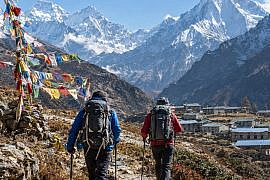
- Langtang Village to Kyanjin Gompa: Expansive alpine valley walking, surrounded by snow-capped peaks, grazing yaks, and fluttering prayer flags.
The daily distances are manageable for most active families, and many sections offer wide paths where children can walk safely and stop to explore. However, be prepared for occasional steep climbs, stone staircases, and long days on foot—especially between the Lama Hotel and Langtang Village.
For topographic maps and trail elevations, NepalHikes.com’s Langtang Valley Trail Guide provides a helpful visual breakdown.
Wildlife Encounters: Keep an Eye Out
The Langtang region, located within Langtang National Park, is home to a range of wildlife. Children, especially, may enjoy spotting animals in their natural environment.
Species commonly seen or heard include:
- Gray langurs (large monkeys with long tails)
- Himalayan monals (Nepal’s national bird, with vivid plumage)
- Himalayan tahr (a kind of wild goat)
- Red pandas (rare, but found in bamboo forests at lower elevations)
- Yak herds (especially above Langtang Village)
Early mornings and late afternoons are best for wildlife viewing. Carry a lightweight pair of binoculars and a field guide if your kids are curious about the animals or birds they encounter.
To learn more about biodiversity in the region, visit the WWF Nepal Langtang Biodiversity Page.
Cultural Highlights: A Window into Tamang and Tibetan Traditions

The Langtang Valley is culturally rich, inhabited primarily by Tamang people—an ethnic group with deep roots in the region and strong ties to Tibetan Buddhist traditions. As you pass through villages like Rimche, Langtang, and Kyanjin, you’ll notice distinct elements of local architecture, religious practice, and daily life.
Expect to encounter:
- Mani walls carved with Buddhist prayers
- Prayer wheels spun clockwise for blessings
- Stupas (religious monuments) along the trail
- Local cheese production at the Kyanjin Gompa cheese factory
- Simple stone houses built with traditional materials
While trekking, it’s respectful to:
- Walk to the left of the religious monuments
- Ask permission before photographing people
- Learn a few basic greetings in Nepali or Tibetan
Children often find these cultural aspects fascinating, especially when paired with explanations of how people live at high elevations and maintain strong community bonds despite a harsh environment.
Kyanjin Gompa: A Spiritual and Scenic Finish
The final destination for most trekkers, Kyanjin Gompa (3,870 m), is a small settlement nestled at the base of towering peaks. It’s home to a Buddhist monastery and the famous Yak Cheese Factory, both worth visiting. The surrounding area also offers multiple short hikes, such as:
- Kyanjin Ri (4,773 m): A panoramic viewpoint for sunrise or early morning ascent
- Glacier walk: A half-day walk toward the Langtang Glacier
- Tserko Ri (4,984 m): A more strenuous full-day hike for families with older children
Staying two nights in Kyanjin gives you time to explore without rushing, and the views here—particularly in the early morning—are among the most spectacular in the region.
Summary: Expect Diversity, Beauty, and Cultural Depth
The Langtang Valley trek offers much more than just scenic walking. From wildlife in the trees above to prayers etched in stone, from the icy breath of high-altitude peaks to the warm welcome of teahouse hosts, every day brings new experiences. For families seeking an educational and visually stunning adventure, this trail delivers a meaningful connection to nature, culture, and self-reliance.
In the next section, you’ll find practical details about what to expect when eating and sleeping along the trail—helping your family feel prepared, comfortable, and well-fed each day.
Accommodations and Food Along the Langtang Valley Trek
Knowing what to expect for food and lodging on the Langtang Valley trek can make a major difference in how comfortable and enjoyable your family’s experience will be. This section offers practical information about teahouse accommodations, typical meals, food safety, and kid-friendly options—so you can plan ahead and focus on the adventure rather than logistical surprises.
What Are Teahouses and What Can You Expect?
Along the Langtang Valley trek, teahouses are the primary form of accommodation. These are locally-run guesthouses that provide basic lodging and meals for trekkers. They’re simple, functional, and offer a chance to interact with local families and fellow hikers.
What you’ll typically find:
- Private rooms with twin beds and thin mattresses
- Shared toilets, usually squat-style or basic Western-style
- No heating in rooms, though the dining area often has a central stove
- Electricity and charging outlets, though not always reliable, and often for a fee
- Blankets provided, but bring your own sleeping bag for warmth and hygiene
- Cold showers, with occasional options for hot showers at an extra cost
Teahouses vary slightly in quality and cleanliness, but most are welcoming and eager to accommodate families. You may find it helpful to call ahead from earlier villages to reserve rooms, especially during peak trekking seasons.
Typical Meals and What’s Available for Kids
The teahouse menu is fairly standard throughout the trek and is regulated by the local trekking association to keep prices and offerings consistent. Meals are simple but hearty—designed to refuel trekkers after long days of hiking.
Common menu items include:
- Dal Bhat (lentil soup, rice, curried vegetables, and pickle) – nutritious and refillable
- Momos (Tibetan-style dumplings, steamed or fried)
- Fried rice or noodles (often with vegetables or egg)
- Pasta dishes, such as spaghetti with tomato sauce
- Pancakes, porridge, or eggs for breakfast
- Tea, instant coffee, and powdered hot chocolate
For children, you’ll find:
- Plain rice, boiled potatoes, or simple noodles
- Chapati with honey or jam
- Porridge with apples or raisins
- Boiled eggs or omelets
Bring along a few favorite snacks from home—such as protein bars, crackers, or nut butters—to offer variety and keep spirits high during long trekking days.
Food Safety and Hydration
While food is generally prepared with care, you’ll want to take a few basic precautions to ensure your family stays healthy:
- Avoid raw vegetables or uncooked items, especially early in the trek
- Peel fruit yourself if eating any along the trail
- Eat freshly cooked meals, and choose vegetarian dishes when unsure
- Treat all drinking water, even from teahouses (see below)
For water:
- Use water purification tablets, SteriPENs, or boil your water
- Carry reusable water bottles or hydration bladders
- Refill at streams or village taps, but always treat it first
Teahouses often sell bottled water, but relying on it increases plastic waste and can add up in cost. Purifying local water is the more sustainable and budget-friendly option.
For further food and water safety tips while traveling in Nepal, refer to the CDC Travel Health: Nepal guidelines.
Dealing with Picky Eaters or Special Diets
If your child is a picky eater or has dietary restrictions, preparing in advance is essential. While teahouse menus have some flexibility, they’re limited in scope and ingredients.
Tips for managing food expectations:
- Bring a stash of favorite snacks or easy-to-mix meals like instant oats
- Carry electrolyte packets in case of mild stomach upset or dehydration
- Practice trying new foods before the trek, such as dal or rice-based dishes
- Let kids help choose meals at teahouses to give them a sense of control
If you or your child has severe allergies or specific dietary needs (gluten-free, dairy-free, etc.), inform guides or hosts clearly and carry backup meals or snacks.
Summary: Keep It Simple, Warm, and Nourishing
Accommodations and food along the Langtang Valley trek are basic but welcoming. While not luxurious, teahouses offer everything your family needs for a warm, safe, and sustaining journey. Meals are repetitive but filling, and you can enhance the experience by preparing just a bit in advance—packing comfort snacks, bringing a sleeping bag, and planning to be flexible.
In the next section, we’ll look at health, altitude, and safety tips—especially important for families traveling with children—to make sure your trek is not only enjoyable but also safe and manageable for all ages.
Altitude, Safety, and Health Tips for Trekking with Kids
Trekking the Langtang Valley with your family offers an unforgettable adventure—but it also means facing physical and environmental challenges, particularly as you gain elevation. Proper preparation and awareness of health and safety measures will help ensure that your journey remains safe, enjoyable, and worry-free. This section outlines everything you need to know about trekking at altitude with children, basic trail safety, and how to handle common health issues that may arise along the way.
Understanding Altitude and Acclimatization
One of the most important safety considerations on the Langtang Valley trek is altitude. As the trail climbs from around 1,500 meters (Syabrubesi) to over 3,800 meters (Kyanjin Gompa), your body—and your children’s bodies—will need time to adjust to the thinner air.
Common symptoms of Acute Mountain Sickness (AMS):
- Headache
- Nausea or vomiting
- Loss of appetite
- Dizziness or lightheadedness
- Fatigue or difficulty sleeping
AMS can affect anyone, regardless of fitness level or age. Children are just as susceptible and may struggle to recognize or verbalize symptoms, so parents need to monitor them closely.
Best practices for acclimatization:
- Trek slowly—don’t rush to higher elevations, even if your itinerary is flexible.
- Add a rest day at either Langtang Village or Kyanjin Gompa to allow your body to adjust.
- Climb high, sleep low—consider doing day hikes to higher elevations before sleeping at lower altitudes.
- Hydrate well—drink plenty of water throughout each day.
- Avoid alcohol and heavy exertion during acclimatization days.
If symptoms of AMS become severe (especially if paired with difficulty breathing, confusion, or inability to walk), the only treatment is immediate descent to a lower elevation.
Health Essentials to Pack
Having a well-stocked, lightweight first aid kit is essential. While there are medical posts in Syabrubesi and Kyanjin Gompa, resources are limited. You’ll want to be prepared to handle basic issues like cuts, blisters, fever, and mild digestive upset on your own.
Suggested items to include:
- Ibuprofen or acetaminophen (children’s and adult doses)
- Oral rehydration salts or electrolyte powders
- Antidiarrheal medication (e.g., loperamide)
- Antiseptic wipes and band-aids
- Blister treatment (e.g., moleskine or hydrocolloid bandages)
- Thermometer
- Altitude sickness medication (after consulting a physician)
- Insect repellent and sunscreen
- Pediatric medications if trekking with young children
Pack medications in waterproof pouches and keep them accessible during the day’s hike in case issues arise on the trail.
Trail Safety and General Precautions
While the Langtang Valley trek is not technically difficult, safety should never be taken for granted—especially when trekking with kids. Trails can be narrow, slippery after rain, or crowded with pack animals. Be mindful of footing, trail etiquette, and exposure to the elements.
General trail safety tips:
- Stay together as a family and never let children hike out of sight.
- Teach kids to step aside when animals (donkeys, yaks) approach.
- Use trekking poles for added balance, especially on descents.
- Take frequent breaks to rest and snack, avoiding fatigue-related accidents.
- Start hiking early each day to avoid weather changes in the afternoon.
Most teahouses have emergency contacts, and some may be able to radio or call for help in serious situations. However, rescue efforts are slow and expensive without proper planning.
Consider purchasing evacuation insurance before your trip, which can cover the cost of a helicopter rescue in the event of a medical emergency.
How to Recognize When to Turn Back
Your safety and your children’s health come first. It’s important to have the flexibility—and the humility—to adjust your itinerary if needed. If you or your child shows persistent or worsening symptoms of altitude illness, or if severe weather is forecasted, don’t hesitate to descend or pause your trek.
Warning signs to take seriously:
- Severe or persistent headache not relieved by rest
- Vomiting more than once
- Labored breathing at rest
- Loss of coordination (ataxia)
- Change in mental state or behavior
- Unwillingness to eat, drink, or walk
In any of these cases, descend at least 500 meters and seek medical assistance.
Mental Health and Morale
Staying healthy on the trail isn’t just physical—it’s mental too. Long days, cold nights, and unfamiliar food can wear on younger trekkers. Keeping spirits high is an essential part of your family’s health.
Tips for keeping morale up:
- Set clear expectations before each day’s hike
- Reward effort with special snacks or games at teahouses
- Let kids help with simple tasks like filtering water or reading the map
- Be flexible and patient when they need extra time or rest
Creating a positive emotional environment goes a long way toward building confidence and resilience in your children—and making the trek enjoyable for the whole family.
Summary: Prepare, Monitor, and Stay Flexible
The Langtang Valley trek is a safe and rewarding experience when approached with care, preparation, and attention to your family’s needs. Acclimatization, altitude awareness, and basic trail safety are all essential, especially when trekking with children.
By taking a proactive approach to health and safety, you’ll give your family the best chance to enjoy this incredible journey with confidence and peace of mind.
In the next section, we’ll look at how to travel responsibly and make a positive impact on the Langtang communities you’ll encounter along the way.
Ethical Trekking and Supporting the Langtang Community
Trekking the Langtang Valley is not only a physical journey through Nepal’s stunning Himalayan landscape but also an opportunity to engage meaningfully with local communities. As you pass through villages, stay in teahouses, and interact with guides and porters, your presence has a direct impact—both positive and negative. This section focuses on how your family can make ethical, culturally respectful, and environmentally responsible choices while trekking through this recovering region.
A Region Rebuilding After Disaster
The Langtang Valley was one of the hardest-hit areas during Nepal’s devastating 2015 earthquake. Langtang Village, once the cultural heart of the region, was nearly wiped out by a massive landslide triggered by the quake, and hundreds of lives were lost. Since then, the community has been slowly rebuilding with the help of government support, NGOs, and travelers returning to the trail.
By choosing the Langtang Valley trek over more heavily trafficked routes, you’re helping to:
- Revitalize the local economy through tourism
- Support families who rely on guesthouses, guiding, and porter work
- Encourage ongoing investment in infrastructure, education, and conservation
To learn more about the earthquake’s impact and ongoing recovery, visit the Kathmandu Post’s Langtang coverage, which provides powerful context.
Supporting the Local Economy with Intention
Most of the guesthouses, shops, and guiding services along the trail are family-run. Where you stay, what you buy, and who you hire all make a difference.
Ways to support the community ethically:
- Stay in locally owned teahouses and ask who operates the lodge before booking
- Hire local guides and porters through Nepali-owned agencies
- Tip your guide and porter fairly (10–15% of their fee is a common guideline)
- Buy snacks, souvenirs, or supplies from small village shops
- Avoid negotiating excessively on price—costs are set to support sustainable livelihoods
If you’re trekking independently, consider asking your teahouse host how you can support local initiatives—many have connections to schools, health posts, or rebuilding efforts.
Practicing Cultural Respect
The Langtang Valley is home to the Tamang people, an ethnic group with Tibetan roots and a deeply Buddhist worldview. As visitors, it’s important to enter the region with humility and cultural sensitivity.
Ways your family can show respect:
- Dress modestly, especially in villages and monasteries (cover shoulders and knees)
- Walk clockwise around religious structures like stupas or mani walls
- Ask permission before taking photos of people or their property
- Use two hands when giving or receiving something (a sign of respect in Nepali culture)
- Learn a few local words like “namaste” (hello) or “dhanyabad” (thank you)
Teaching your children to recognize and respect these customs adds depth to your experience and helps promote meaningful cross-cultural connections.
Reducing Environmental Impact on the Trail
The Langtang region is part of Langtang National Park, a fragile high-altitude ecosystem. Like many remote areas, it lacks formal waste management systems, so trekkers must be mindful of their footprint.
Steps to reduce your environmental impact:
- Carry a reusable water bottle and purify water instead of buying plastic bottles
- Pack out all non-biodegradable waste, including snack wrappers and batteries
- Use biodegradable soap and avoid washing directly in streams
- Stay on established trails to prevent erosion and protect vegetation
- Say no to single-use plastic whenever possible
For more detailed advice on sustainable travel in the Himalayas, the Leave No Trace Center for Outdoor Ethics offers widely respected guidelines.
Encourage Your Children to Trek Responsibly
Trekking ethically is a family activity. By involving your children in decisions and teaching them to consider their impact, you can foster lifelong values of stewardship and empathy.
Kid-friendly ways to promote responsible trekking:
- Give them their own bag to collect litter along the trail
- Let them choose a small local souvenir instead of something imported
- Involve them in greeting locals and learning simple phrases
- Have age-appropriate conversations about privilege, giving, and respect
These small actions build a greater understanding of global responsibility and help your children become not just travelers, but contributors.
Summary: Travel That Gives Back
When you approach the Langtang Valley trek with thoughtfulness and care, your journey becomes more than a family vacation—it becomes a way to support resilience, honor culture, and protect a unique environment. By trekking responsibly and engaging with the people and place in meaningful ways, you’ll leave a positive footprint on the trail and set a lasting example for your children.
In the final section, we’ll wrap up this guide with key planning takeaways and additional tips to help your family trek the Langtang Valley with confidence.
Final Planning Tips
After learning about the route, logistics, accommodations, cultural context, and safety measures of the Langtang Valley trek, you’re almost ready to start mapping out your family adventure. In this final section, you’ll find practical planning takeaways, a checklist of what to finalize before you go, transportation tips, and a few lessons families commonly reflect on after completing the trek.
Even if this is your first time trekking in Nepal, preparing thoughtfully will help ensure your experience is safe, smooth, and deeply rewarding.
Pre-Trip Planning Checklist
Use this quick list to make sure you’ve covered the essentials:
Permits:
- TIMS Card (Trekkers’ Information Management System)
- Langtang National Park Entry Permit
Health & Safety:
- Trekking-specific travel insurance with emergency evacuation coverage
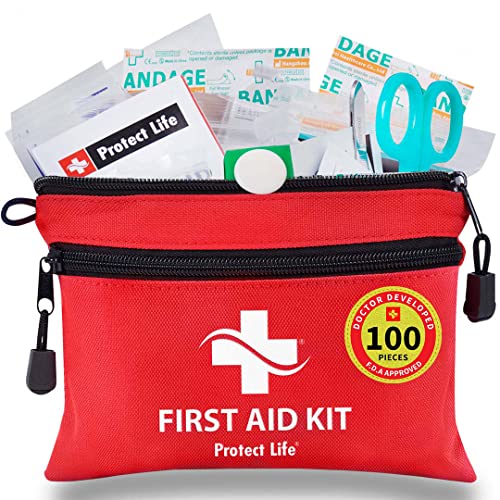
- Well-stocked family first-aid kit
- Altitude medication (if recommended by your doctor)
- Water purification method (filter, tablets, or UV)
Gear & Clothing:
- Warm sleeping bags rated to at least -10°C (especially in shoulder seasons)
- Comfortable trekking boots (broken-in ahead of time)
- A layered clothing system for cold mornings and warm afternoons


- Trekking poles (highly recommended for adults and kids)

Route Planning:
- Family-appropriate itinerary with rest/acclimatization days
- Contact info for at least one teahouse per stop (optional, but helpful)
- Plans for porters or guides (with confirmed booking if going guided)
Miscellaneous:
- Cash (Nepalese rupees) for meals, accommodation, and tips—there are no ATMs along the trail
- Offline GPS app or printed map of the Langtang Valley
- Downloaded emergency contacts and local resources
For updated logistical planning, including bus/jeep schedules and road conditions to Syabrubesi, consult Rome2Rio’s Kathmandu to Syabrubesi route guide.
Getting to the Trailhead: Syabrubesi Transportation
All Langtang treks begin in Syabrubesi, a small town located roughly 120 kilometers north of Kathmandu. Despite the short distance, the drive can take 7–9 hours due to road conditions, switchbacks, and traffic.
You have two main options:
- Public Bus (Budget-friendly)
- Departs from the Machhapokhari Bus Park in Kathmandu
- Inexpensive, but crowded and slow
- No seat reservations
- Private Jeep (Recommended for families)
- Available via trekking agencies or private drivers
- Safer, faster, and more comfortable
- Approximate cost: USD 120–150 one-way for the whole vehicle
Most families prefer the private jeep option for comfort, especially with children who may get carsick or overwhelmed by long rides in packed buses.
What Families Often Wish They Had Done Differently
Even the best-planned treks offer lessons in hindsight. Families often report the following insights after completing the Langtang Valley trek:
- Wished for one more rest day: Especially at Kyanjin Gompa, to allow for more exploration or simply to relax and soak in the views.
- Packed too much: Trekking with children doesn’t require doubling supplies. Most items can be shared across the group or bought along the way.
- Underestimated the cold: Nighttime temperatures can drop below freezing even in spring or autumn—warm layers and insulated sleeping bags are a must.
- Started the trek too late in the day: Morning starts help avoid heat, increase wildlife sightings, and secure better lodging options in teahouses.
- Didn’t bring enough snacks for the kids: While teahouse food is available, familiar high-energy snacks can boost morale during long hikes.
Listening to others’ experiences can help you avoid small mistakes that might otherwise detract from an incredible journey.
Helpful Local Etiquette and Trekking Reminders
- Always walk to the left of mani walls and stupas
- Say “namaste” when passing people on the trail
- Carry small change for donations at monasteries or temples
- Respect that children in villages may not be accustomed to visitors—don’t offer candy, but greetings and smiles are always welcome
- Tipping guides and porters is customary and appreciated (budget about 10%–15% of their fee)
Final Thoughts – Langtang Valley Trek
A Langtang Valley trek isn’t just a physical journey—it’s an opportunity to slow down, unplug, and immerse your family in one of the most ecologically and culturally vibrant regions of Nepal. As you hike from misty forests to glacier-fed valleys, exchange smiles with local villagers, and watch your children spot monkeys or spin prayer wheels, you’ll build memories rooted in discovery, resilience, and connection.
With the right planning, respectful travel choices, and a flexible mindset, the Langtang Valley trek offers far more than scenic beauty. It fosters deeper global understanding, supports communities still recovering from hardship, and invites your family into a quieter corner of the Himalayas where nature and culture remain deeply intertwined.
Let this guide be your planning companion—so that you can step onto the trail well-prepared, open-hearted, and ready for an unforgettable family adventure.
FAQs – Langtang Valley Trek
- Q: What is the best time of year to do the Langtang Valley trek with kids?
A: The best times for trekking the Langtang Valley with children are spring (March to May) and autumn (October to early December). These seasons offer stable weather, clear skies, and moderate temperatures, which are ideal for families. - Q: How difficult is the Langtang Valley trek for families with young children?
A: The trek is considered moderate. It involves daily hikes of 4–6 hours with gradual elevation gain. While older children can usually manage the trail with proper pacing, younger children may need to be carried or take frequent rest breaks. - Q: Are there family-friendly accommodations along the trail?
A: Yes, teahouses along the Langtang Valley trek are generally family-friendly. They offer private rooms, basic bedding, and simple but hearty meals. While amenities are minimal, hosts are often welcoming to families. - Q: Do we need a guide or porter for the Langtang Valley trek?
A: A guide or porter is not mandatory, but many families opt to hire one for support with logistics, navigation, and carrying gear or children. Guides also enhance the cultural and educational experience by sharing local insights. - Q: What permits are required for the Langtang Valley trek?
A: You’ll need two permits: a TIMS card (Trekkers’ Information Management System) and a Langtang National Park entry permit. These can be obtained in Kathmandu or arranged through a trekking agency. - Q: Is altitude sickness a concern for children on this trek?
A: Yes, altitude sickness (AMS) can affect children just as it can adults. It’s essential to ascend gradually, stay hydrated, include acclimatization days, and descend immediately if symptoms worsen. - Q: What kind of food is available on the Langtang Valley trek, and is it suitable for kids?
A: Teahouses serve basic meals such as dal bhat, pasta, rice, eggs, and pancakes. While menus are limited, they usually offer plain or customizable options suitable for children. Bringing snacks from home is a good idea. - Q: How do we get to the Langtang Valley trek starting point from Kathmandu?
A: The trek begins in Syabrubesi, which is accessible from Kathmandu by local bus (budget option) or private jeep (faster and more comfortable for families). The journey takes 7–9 hours, depending on road conditions.
+++BEFORE using this information, please read our Legal Disclaimer+++