

Table of Contents
There Are Many Ways To Experience Machu Picchu
Machu Picchu is one of the world’s most breathtaking and mysterious historical sites, drawing travelers from around the globe who are eager to experience its stunning scenery, architectural marvels, and rich Incan history. Located in the Peruvian Andes, Machu Picchu offers multiple routes for exploration, each providing unique experiences ranging from adrenaline-pumping treks to relaxing train rides with panoramic views. In this guide, we’ll explore the scenic routes that bring you to Machu Picchu, helping you decide which path best matches your travel style, time frame, and sense of adventure.
If you have any comments/questions, please leave them below.
The Train Route to Machu Picchu
If trekking isn’t your style, taking the train from Cusco or Ollantaytambo to Machu Picchu is a comfortable and scenic alternative. PeruRail and IncaRail offer options ranging from economy to luxury, featuring large windows that provide panoramic mountain views, including the Sacred Valley. This scenic ride to Machu Picchu is ideal for families, travelers with limited mobility, or those who prefer a more relaxed approach to reaching the iconic site.
The train journey ends in Aguas Calientes, where a short bus ride takes you directly to the entrance of Machu Picchu. While it may lack the physical challenge of the treks, this route offers a unique perspective, with stunning views of the Urubamba River and the diverse landscapes of the Sacred Valley.
Safety Tips for Hiking to Machu Picchu
Whether you’re trekking the Inca Trail or the Salkantay Trek, safety should always be a top priority. The rugged terrain, high altitudes, and challenging conditions require proper preparation. Start by giving yourself time to acclimatize to the altitude before beginning your trek. Spend a few days in Cusco or Ollantaytambo to adjust, as this will help prevent altitude sickness, which can cause headaches, dizziness, and fatigue.
Hydration is key—bring plenty of water and electrolyte-replenishing snacks to keep your energy up throughout the journey. If you’re hiking, wear sturdy, comfortable shoes with good tread to avoid slipping on uneven paths. Don’t forget a rain jacket, especially if you’re traveling during the wet season (November to March), as the weather can change quickly. Finally, ensure you have a first aid kit, sunscreen, and a hat to protect against the sun, which can be intense at these high altitudes.
The Classic Inca Trail to Machu Picchu
The Inca Trail is arguably the most rewarding for those who want to immerse themselves in the history and culture of the Andes. This 26-mile trek, usually completed over four days, follows the ancient paths built by the Incas themselves, leading you through various ecosystems, from lush cloud forests to high-altitude mountain passes. Along the way, trekkers encounter several fascinating archaeological sites, including Wiñay Wayna, before reaching the famous Sun Gate (Inti Punku) at sunrise for a breathtaking first view of Machu Picchu.
Due to its popularity, permits for the Inca Trail are limited and need to be booked well in advance, often months before your intended travel date. It’s a challenging route with steep climbs and descents, so being in good physical condition is essential. Those who conquer the trail, however, are rewarded with an unparalleled sense of achievement and an unforgettable view of Machu Picchu at the journey’s end. It’s a perfect cultural vacation for active families.
Machu Picchu Entrance Ticket Information
Booking your entrance ticket to Machu Picchu in advance is essential, especially during peak season. Tickets can be purchased online via the official Machu Picchu website or through authorized tour agencies. There are several types of tickets, including the general entrance ticket and those for specific routes like the Inca Trail. For popular routes such as the Inca Trail, it’s crucial to book permits several months in advance due to limited availability.
Once you’ve secured your tickets, be sure to check the date and time on your ticket, as entry is time-sensitive. If you’re visiting the site on a train route, your ticket will include a bus transfer from Aguas Calientes to the Machu Picchu entrance. Remember to carry your passport, as it is required for entry, and keep a copy of your ticket for any potential issues.
The Salkantay Trek to Machu Picchu
For a more off-the-beaten-path experience, the Salkantay Trek offers an alternative route that is equally scenic and captivating. This five-day, 46-mile trek starts at the base of Mount Salkantay, a stunning snow-capped peak that towers over the trail at over 20,000 feet. The Salkantay Trek is known for its dramatic landscapes, from the icy heights of Salkantay Pass to the warm, lush valleys filled with vibrant flora and fauna as you descend.
While physically demanding, the Salkantay Trek does not require a permit, making it a great option for travelers who may not have been able to take a spot on the Inca Trail. Along the way, you’ll pass by remote villages, serene lakes, and coffee plantations, offering a rich cultural experience in addition to stunning views. The trek finishes in the town of Aguas Calientes, the gateway to Machu Picchu, allowing you to recharge before visiting the site.
What to Pack for Your Machu Picchu Adventure
Packing for Machu Picchu depends on the route you choose and the time of year. Whether you’re hiking the Inca Trail or taking the train to the site, it’s important to be well-prepared for varying weather conditions and altitude. Also, keep in mind, that Machu Picchu is a remote place for an adventure! Here’s a packing list to ensure you’re ready for your adventure:
Essential Items for Hiking
- Sturdy Hiking Boots: Comfortable, waterproof boots with good tread for uneven trails.


- Lightweight, Moisture-Wicking Clothing: Breathable, quick-drying clothes to keep you cool and dry. Opt for layers, as temperatures can fluctuate.


- Rain Jacket or Poncho: Weather can change quickly, so be prepared for rain, especially in the wet season (November to March).


- Hat: A wide-brimmed hat to protect from the sun.
- Sunscreen: High SPF sunscreen to protect your skin at high altitudes.
- Sunglasses: UV-protection sunglasses to shield your eyes from the intense mountain sun.


- Water Bottle: A refillable water bottle to stay hydrated. Consider a Camelbak or similar hydration pack for convenience.


- Snacks: Energy bars, trail mix, or other high-energy snacks for the trek.


- Backpack: A small, comfortable daypack to carry your essentials (water, snacks, camera, etc.).


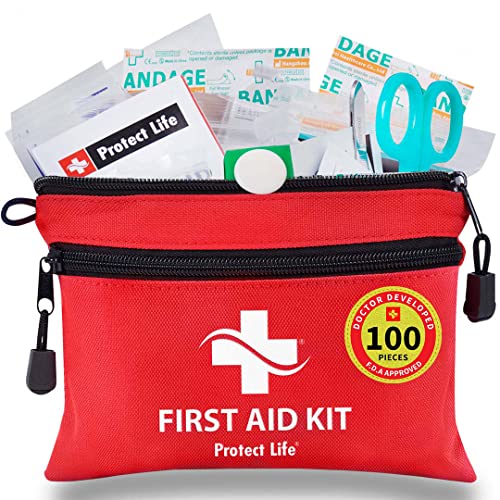
- First Aid Kit: Basic supplies like band-aids, blister treatment, pain relievers, and any personal medications.
- Camera or Smartphone: To capture stunning views and unforgettable moments.


- Portable Charger: To keep your devices powered during the day.
Items for the Train Ride (If Not Trekking):
- Comfortable Clothing: Opt for lightweight, breathable clothes for a more comfortable train ride.
- Camera: You’ll want to take pictures of the gorgeous Sacred Valley landscapes during the train journey.
- Travel Pillow/Blanket: For added comfort on the longer train rides.
- Books or Entertainment: Something to keep you entertained during the scenic journey.
Optional Items:
- Coca Leaves or Tea: To help with acclimatization and prevent altitude sickness.
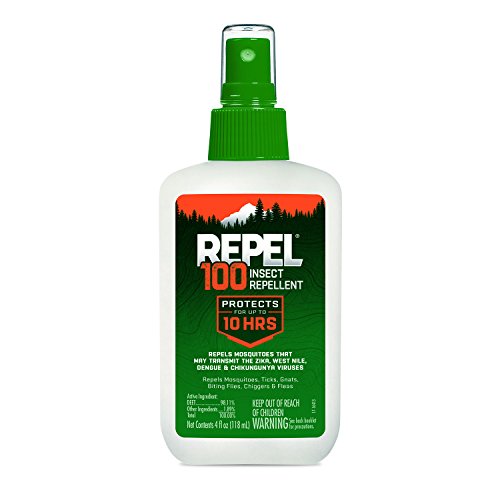
- Insect Repellent: To protect against bugs, especially on lower altitude treks.
- Lightweight Gloves and Scarf: Especially if you’re trekking in cooler temperatures or during the dry season evenings.
- Waterproof Bags or Zip-Lock Bags: To keep electronics and important documents safe from rain or moisture.

- Personal Identification: Make sure to carry your passport as it’s required for entry to Machu Picchu.
With this packing list, you’ll be prepared for your Machu Picchu adventure, whether you’re hiking through the Andes or enjoying a scenic train ride. Be sure to pack light but efficiently to ensure comfort and ease throughout your journey!
The Lares Trek to Machu Picchu
The Lares Trek is a culturally immersive route that combines scenic views with opportunities to interact with local Andean communities. Unlike the Inca Trail or Salkantay Trek, the Lares Trek takes you through traditional Quechua villages where residents still practice ancient weaving techniques and farming traditions. This route is ideal for those who want a deeper connection with Andean culture while enjoying beautiful mountain landscapes.
The Lares Trek is typically a three- to four-day journey and is considered moderately challenging. This route bypasses Machu Picchu directly, but it finishes with a train ride from Ollantaytambo to Aguas Calientes, allowing you to arrive at Machu Picchu rested and ready to explore. This trek is also less crowded, somehow a secret path, offering a peaceful and reflective experience through the Peruvian highlands.
Cultural Etiquette and Respect for Local Communities
The Lares Trek offers an exceptional opportunity to connect with local Andean communities, where the Quechua people have lived for centuries. As you pass through traditional villages, it’s important to show respect for local customs and ways of life. When interacting with villagers, always ask before taking photographs, as some individuals may prefer not to be photographed.
Additionally, avoid engaging in behaviors that may disrupt the peaceful and traditional lifestyle of these communities. Be mindful of your language and dress, and approach any interactions with openness and curiosity. Purchasing locally-made handicrafts or goods from villagers is a great way to support the community and take home a piece of authentic Peruvian culture.
The Jungle Route to Machu Picchu
For adventure seekers craving a mix of trekking and high-energy activities, the Jungle Route is the best way to experience Machu Picchu. This four-day journey from Cusco takes you from mountain biking at high altitudes to hiking down closer to sea level through dense tropical forests. Optional river rafting and zip-lining add to the thrill, making this route a unique blend of scenery and adrenaline.
The Jungle Route is popular in the high season (April to October), which is also considered the best time to visit due to minimal rain. However, if you’re traveling in the rainy season (November to March), plan for wet conditions along the trails. As a bonus, this route does not require a permit, making it accessible and adaptable to new rules for travelers. The journey finishes with a walk or train ride from the hydroelectric plant to Aguas Calientes, offering a memorable finale to this diverse and adventurous route.
Acclimatization Tips for High-Altitude Treks
High-altitude treks like the Inca Trail and Salkantay Trek can be physically demanding, and acclimatization is crucial for a safe and enjoyable experience. Spend at least two to three days in Cusco or Ollantaytambo before starting your trek to allow your body to adjust to the altitude. During this time, take it easy—avoid strenuous activities, and drink plenty of water. Coca tea, a popular local drink, is believed to help with altitude sickness, so be sure to give it a try.
On the trek itself, listen to your body. If you begin to feel dizzy, fatigued, or short of breath, take a break, rest, and drink water. Always walk at a steady, slow pace to avoid overexertion. Trekking with a guide can also help ensure you’re following the proper steps to acclimate safely and effectively.
Sustainable Travel Tips for Machu Picchu
Preserving the beauty of Machu Picchu and its surrounding landscapes is essential for future generations. When hiking, always follow marked trails to prevent damage to the delicate ecosystem. Keep all trash with you, as there are limited waste disposal facilities on the trek and at the site itself. Many routes now have policies to reduce environmental impact, such as limiting the number of permits available for the Inca Trail, which helps reduce overcrowding.
Support eco-friendly tour companies that prioritize sustainability and environmental protection. By choosing responsible travel options, you help preserve the natural beauty of the region while supporting local communities. Lastly, avoid picking plants or disturbing wildlife along the trails, as it’s illegal and harmful to the environment.
Recommended Tour Guides and Travel Companies
For those looking for expert guidance on their Machu Picchu journey, there are a variety of reputable tour companies that offer trekking services and guided tours. Whether you choose to explore on foot or by train, booking through a trusted provider can streamline your experience. Companies like G Adventures, Intrepid Travel, and Peru Trek 4 Good offer both group and private tours that provide knowledgeable guides and quality services.
When selecting a company, make sure they have trained guides who are familiar with the local area, history, and culture. Many agencies offer eco-conscious and culturally respectful tours, which can enhance your travel experience while helping to protect the region.
Things to Do After Visiting Machu Picchu
While Machu Picchu is undoubtedly the highlight of the region, there are many other fascinating places to explore nearby. After your visit, consider heading to the Sacred Valley, where you can visit the ancient ruins of Ollantaytambo, or hike the stunning Moray terraces and Maras salt mines. The town of Aguas Calientes, located at the base of Machu Picchu, also offers hot springs where you can relax and unwind after your trek.
If you have more time, take a trip to the town of Pisac, known for its vibrant market and impressive archaeological ruins, or explore the picturesque town of Chinchero, where you can learn about traditional weaving techniques and take in breathtaking mountain views.
Final Thoughts on Visiting Machu Picchu
Whether you’re seeking adventure, culture, or relaxation, there’s a route to Machu Picchu for every traveler. From the heights of the Inca and Salkantay trails to the cultural Lares Trek or the scenic train ride, each path offers a unique experience. Peak season is from April to October, considered the best time to visit, with the train station providing easy access for those aiming to see Machu Picchu Mountain. Pick the route that best suits your abilities and schedule, and let the Andes’ magic and Machu Picchu’s ancient allure create unforgettable memories.
FAQs
- Q: How do I get to Machu Picchu?
A: You can reach Machu Picchu by hiking one of the scenic routes, such as the Inca Trail, Salkantay Trek, or Lares Trek. Alternatively, if you prefer a more relaxed approach, you can take a train from Cusco or Ollantaytambo to Aguas Calientes, followed by a short bus ride to the site. - Q: What is the best time to visit Machu Picchu?
A: The best time to visit Machu Picchu is during the dry season, which runs from April to October. During these months, the weather is more predictable, and the trails are less likely to be muddy. The rainy season, from November to March, can still be a great time for fewer crowds but be prepared for wet conditions. - Q: Do I need to book tickets for Machu Picchu in advance?
A: Yes, it is highly recommended to book your tickets in advance, especially for the Inca Trail or other popular trekking routes, as permits are limited. Tickets for the site itself can also sell out during peak season, so it’s wise to secure them as soon as possible. - Q: Can I hike to Machu Picchu without a guide?
A: For the Inca Trail, it is mandatory to hire a licensed guide. For other treks, such as the Salkantay or Lares treks, hiring a guide is not compulsory, but it is highly recommended to enhance your experience and ensure safety. If you choose to travel by train, you can explore Machu Picchu with or without a guide. - Q: How difficult is the Inca Trail?
A: The Inca Trail is considered a moderately difficult trek due to its steep climbs, high altitude, and varying weather conditions. It’s a four-day journey, so being in good physical condition is essential. For those who prefer a less strenuous route, there are other treks like the Salkantay or Lares Trek, which may offer a gentler experience. - Q: How long should I spend at Machu Picchu?
A: The average visit to Machu Picchu lasts between 3 to 4 hours, depending on how much time you want to spend exploring the site. If you’re hiking, you may want to allow additional time to rest and take in the views. Many visitors also take a guided tour to learn more about the site’s history and significance. - Q: What should I pack for my Machu Picchu adventure?
A: Make sure to pack lightweight, moisture-wicking clothing, sturdy hiking boots, sunscreen, a hat, and a refillable water bottle. If you’re trekking, also pack a rain jacket, snacks, and a camera to capture the stunning views. For train passengers, comfortable clothing and a camera are all you need for the scenic ride. - Q: Can I visit Machu Picchu with children?
A: Yes, Machu Picchu is family-friendly, and many families visit the site. However, keep in mind that certain treks may be challenging for young children. The train route is a great option for families who prefer a more relaxed journey. Some treks, such as the Inca Trail, may not be suitable for younger kids due to their difficulty and altitude. - Q: Is it necessary to acclimatize before hiking?
A: Yes, acclimatization is crucial to avoid altitude sickness. Spend at least two to three days in Cusco or Ollantaytambo before starting your trek to allow your body to adjust to the high altitudes. Drink plenty of water and take it easy during this time. - Q: Can I visit Machu Picchu during the rainy season?
A: Yes, it’s possible to visit during the rainy season (November to March), though be prepared for muddy trails and possible rainfall. Fewer tourists visit during this time, which can make for a more peaceful experience, but it’s essential to check the weather forecast and pack accordingly.
+++BEFORE using this information, please read our Legal Disclaimer+++