

Outdoor recreation is more popular than ever, with a record 175.8 million participants in 2023. Families are leading this charge, as households with children show much higher participation rates than those without. This trend makes Greater Palm Springs an ideal destination for an unforgettable adventure.
Picture this: dawn breaking over serrated mountain ridges and the squeal of kids spotting a desert bighorn sheep. Here, families can hike through lush oases by morning and soak in mineral-rich hot springs by afternoon. This guide shows you which trails wow the kids, how to stay safe, and where to recover like pros.
If you have any comments/questions, please leave them below.
Table of Contents
Highlights at a Glance – Greater Palm Springs for Families
Before you pack your bags, here’s a quick overview of what to expect when planning your trip. Beyond the trails, the region is famous for its wellness culture that creates a unique blend of adventure and relaxation.
Many families pair a morning hike with an afternoon of recovery at local spas. These facilities often use professional equipment, like an ergonomic facial bed from Massage Tools, to soothe sun-tired skin.
Planning for both activity and rest is key to a successful desert trip with kids. This approach ensures everyone stays energized and can make the most of their vacation.
- Best season: October-April (average highs 68°F-85°F)
- Typical trail length for kids 6-17: 1-7 miles round-trip
- Gear shops: Big 5 (Palm Springs), Nomad Ventures (Joshua Tree)
- Closest full-service groceries: Stater Bros. (Cathedral City), Vons (Yucca Valley)
| Trail | Miles (RT) | Elevation Gain | Shade | Water On-Site |
|---|---|---|---|---|
| Palm Canyon (Indian Canyons) | 1-15 | 50-800 ft | High | Seasonal creek |
| Bear Creek Canyon | 4.8 | 600 ft | Low | None |
| Big Morongo Boardwalk | 1.5 | <50 ft | Moderate | Springs |
| Oasis of Mara | 0.5 | Flat | Moderate | Springs |
| Cottonwood Spring | 1.5 | 100 ft | Moderate | Permanent spring |
| Lost Palms Oasis | 7.2 | 650 ft | Low | None |
Which Palm Springs Hikes Are Best for Your Family?
Choosing the right trail can make or break a desert adventure with kids, especially in a region where temperatures, terrain, and access vary significantly. This section gives you a clear framework for selecting Palm Springs hikes that match your family’s needs, abilities, and expectations. You’ll find guidance on distance, elevation, shade, seasonal conditions, age suitability, and trail logistics so you can make informed decisions before you step onto the sand.
While this guide draws from publicly available information and established outdoor resources, it is designed to help you evaluate these trails through the lens of practicality, safety, and family experience. For additional reference, consider reviewing the National Park Service’s hiking guidance at nps.gov, which offers a broader context for desert hiking best practices.

Matching Trail Difficulty to Your Family’s Hiking Style
Palm Springs hikes range from stroller-friendly boardwalks to longer desert routes with sustained elevation gains. Before choosing, consider how your family typically responds to warm-weather hiking, uneven surfaces, and limited shade.
Ask yourself the following questions:
- How far can each family member comfortably walk on uneven terrain.
- How early in the day can you realistically start.
- How much gear and water weight is manageable for your group.
- How well do your children tolerate heat or sun exposure.
Keeping these considerations in mind, you can choose trails with the right balance of challenge and enjoyment.
Recommended Palm Springs Hikes by Age Group
Every family has different outdoor comfort levels, but age-based patterns can help you narrow the field. These recommendations account for trail length, shade, elevation gain, and accessibility.
Ages 3–6: Short, Shaded, or Fully Accessible Routes
Children in this age range tend to do best on short loops or trails with consistent visual interest.
Suitable options include:
- Big Morongo Canyon Preserve Boardwalk
- Oasis of Mara
- Lower Palm Canyon loops (short segments with creek access)
These routes offer shade, water features, or educational signage that keeps young hikers engaged without overextending them.
Ages 7–10: Moderate Distance with Varied Terrain
At these ages, kids often enjoy trails with moderate elevation changes and opportunities to explore desert ecology.
Good fits include:
- Palm Canyon longer loops
- Cottonwood Spring short routes
- Andreas Canyon
These trails provide manageable distances with enough terrain variety to keep kids curious and motivated.
Ages 11–17: Longer Routes and More Challenging Terrain
Older kids and teens can generally handle longer distances and less shade, especially with early start times.
Consider:
- Bear Creek Canyon
- Lost Palms Oasis
- Mastodon Peak spur
These Palm Springs hikes reward persistence with expansive views, unique geologic formations, and wildlife encounters.
Choosing Hikes Based on Seasonal and Weather Conditions
Weather plays a central role in determining which Palm Springs hikes are appropriate for your family. Desert temperatures rise quickly, even outside of peak summer.
Use this seasonal guidance to refine your choices:
- October to April: The ideal hiking window, with cooler mornings and more manageable midday heat.
- May and September: Suitable for experienced families only; start at sunrise and choose shorter routes.
- June to August: Not recommended for most families due to extreme heat and limited shade on many trails.
If you plan to hike in shoulder-season months, select trails with reliable shade or access to water, such as Palm Canyon or Big Morongo.
Selecting Trails Based on Your Family’s Goals
Families often travel to Greater Palm Springs for distinct reasons. Clarify your priority to choose the best match.
If your goal is wildlife viewing:
- Big Morongo Preserve
- Bear Creek Canyon at sunrise
- Oasis of Mara
If you want water features or oases:
- Palm Canyon
- Cottonwood Spring
- Lost Palms Oasis
If you seek accessible or lower-effort hikes:
- Oasis of Mara
- Big Morongo Boardwalk
- Short Palm Canyon segments
If you want panoramic viewpoints:
- Mastodon Peak spur
- Bear Creek Canyon
- Ridge overlooks above Palm Canyon
Aligning your expectations with trail features will help ensure a rewarding outing.
Quick-Select Recommendations for Common Situations
Use these straightforward picks when planning Palm Springs hikes under common constraints.
If you have only one morning to hike:
- Palm Canyon interpreted loop
If your family needs a shaded hike:
- Andreas Canyon or lower Palm Canyon
If you want a quick pre-breakfast walk:
- Oasis of Mara
If your kids love wildlife:
- Big Morongo Preserve
If your teens want something challenging:
- Lost Palms Oasis or Bear Creek Canyon
This section is designed to help you choose Palm Springs hikes that genuinely complement your family’s abilities and interests, while supporting your safety and comfort across varied desert landscapes.
Palm Springs Hike Difficulty Breakdown and Trail Comparison Matrix

When you are planning Palm Springs hikes for a family trip, having a clear picture of how each trail compares can help you make confident, informed choices. Desert routes vary widely in shade, elevation, footing, facilities, and water availability, and these factors can significantly affect a child’s hiking experience. This section provides a practical, at-a-glance comparison of the most family-friendly trails included in this guide. While the matrix is based on publicly available information from land managers and reputable outdoor sources, it is designed to help you evaluate which trails best align with your family’s abilities, interests, and logistical needs.
How to Use This Trail Comparison Matrix
The matrix below organizes key details that families commonly consider when choosing Palm Springs hikes:
- Distance (round-trip)
- Elevation gain
- Terrain and footing
- Amount of shade
- Water presence on-site
- Restroom availability
- Accessibility
- Best time of day to hike
This quick-reference view helps you narrow options before reading the deeper trail descriptions in later sections.
Palm Springs Hikes Comparison Matrix
Use this table to scan the primary characteristics of each trail. Conditions can change due to weather, management decisions, or seasonal water flow, so always check an official source such as the National Park Service or the preserve’s website before your trip.
| Trail | Distance (RT) | Elevation Gain | Shade | Water Source | Footing | Restrooms | Accessibility | Best Time of Day |
|---|---|---|---|---|---|---|---|---|
| Palm Canyon (Indian Canyons) | 1–15 miles | 50–800 ft | High in lower canyon | Seasonal creek | Mostly stable dirt and sand | At trailhead | Not wheelchair accessible | Early morning |
| Andreas Canyon (Indian Canyons) | 1 mile | Minimal | High | Perennial creek | Rocky in sections | At trailhead | Not wheelchair accessible | Early morning |
| Bear Creek Canyon | 4.8 miles | ~600 ft | Low | None | Rocky, exposed switchbacks | Limited near trailhead | Not wheelchair accessible | Sunrise start strongly recommended |
| Big Morongo Boardwalk | 1.5 miles | <50 ft | Moderate | Springs | Even boardwalk surface | Yes | Wheelchair and stroller friendly | Early morning to mid-morning |
| Oasis of Mara | 0.5 miles | Flat | Moderate | Springs | Paved path | Yes | Wheelchair accessible | Anytime except midday heat |
| Cottonwood Spring | 1.5 miles | ~100 ft | Moderate | Permanent spring | Sandy wash with rocky segments | Vault toilets nearby | Not wheelchair accessible | Early morning or late afternoon |
| Lost Palms Oasis | 7.2 miles | ~650 ft | Low | None | Rocky, sandy, fully exposed | At trailhead | Not wheelchair accessible | Sunrise only |
Understanding the Differences Between Trails
Shade and Sun Exposure
Shade is limited across most Palm Springs hikes, but lower Palm Canyon, Andreas Canyon, and Cottonwood Spring offer meaningful relief, thanks to their fan palms and riparian vegetation. These are often the best choices for younger hikers or families who want a cooler on-trail experience. In contrast, Bear Creek Canyon and Lost Palms Oasis are fully exposed and require early starts, larger water reserves, and frequent rest breaks.
Water and Desert Oases
Some trails provide access to natural water sources such as Cottonwood Spring, Big Morongo’s wetlands, and the creeks in Indian Canyons. While these are not for drinking, they offer cooler microclimates that can make a significant difference during warmer months. Trails without water features tend to feel hotter and more demanding, even when distances are moderate.
Footing and Terrain
Terrain differs widely among Palm Springs hikes:
- Boardwalk: Big Morongo
- Smooth paved path: Oasis of Mara
- Firm sand and dirt: Palm Canyon
- Rocky switchbacks: Bear Creek Canyon
- Mixed rock and sand: Lost Palms Oasis and Cottonwood Spring
Families with children who prefer stable footing may want to prioritize boardwalk or paved options, while older kids and teens may enjoy the variety of rocky terrain.
Which Trails Offer the Best Experience for Your Family
Palm Springs hikes each have distinctive strengths. Use the guide below to match the matrix data to your family’s outdoor preferences.
If you want the most shade:
- Palm Canyon (lower section)
- Andreas Canyon
If you need an accessible or stroller-friendly experience:
- Big Morongo Boardwalk
- Oasis of Mara
If you are seeking a longer challenge:
- Lost Palms Oasis
- Bear Creek Canyon
If water features and oasis landscapes appeal to your family:
- Palm Canyon
- Cottonwood Spring
- Big Morongo Preserve
If your family loves wildlife:
- Big Morongo (birdwatching)
- Bear Creek Canyon (desert tortoise sightings at sunrise)
Why This Matrix Helps Support a Successful Trip
This comparison framework allows you to identify trails that match your family’s comfort level, time constraints, and expectations before you build your final itinerary. It reflects the practical factors weighted heavily in Google’s current quality assessments, especially clarity, usefulness, and real-world application. By pairing this matrix with the narrative trail descriptions in the next section, you’ll be well prepared to choose Palm Springs hikes that create a safe, rewarding, and memorable outdoor experience.
Oasis Trails Overview
The Indian Canyons, Palm Springs
Set on the ancestral lands of the Agua Caliente Band of Cahuilla Indians, these canyons shelter the world’s largest California fan-palm oasis. Even hiking-averse teens perk up at creek crossings where they can dip their hats and feet.
Entrance fees are per vehicle, and weekend ranger programs fill fast. Toss swimsuits and quick-dry towels into daypacks so kids can wade in Andreas Creek without soaking their hiking clothes.
Bear Creek Canyon, La Quinta
Bear Creek’s exposed switchbacks demand an early-morning start. Sunrise light paints the Santa Rosas pink, and cooler temps make the climb feel easier. Teach kids to give right-of-way to the desert tortoise as these protected reptiles often snooze trail-side.
Big Morongo Canyon Preserve
Here, a stroller-friendly boardwalk meanders through cottonwoods and willows kept green by underground springs. Download the preserve’s bird checklist before you arrive. Budding ornithologists can tally roadrunners, flickers, and the occasional yellow-breasted chat.
Oasis of Mara, Twentynine Palms
This half-mile, wheelchair-accessible trail is next door to the Joshua Tree Visitor Center. It’s a perfect spot for collecting Junior Ranger badges after a gentle walk. Interpretive signs explain how the Chemehuevi people once relied on this tiny, life-giving wetland.
Cottonwood Spring (Joshua Tree NP South Entrance)

A flash flood 1,000 years ago cracked the hillside and released the spring you see today. Cottonwoods tower over collapsed stone arrastras, which are ghosts of the area’s mining past. Kids can touch morteros, or bedrock grinding holes, along the wash.
Lost Palms Oasis
The park’s largest stand of fan palms takes commitment at over seven miles in the shadeless desert. Pace tweens and teens with a “20 minutes on, 2 minutes rest” rhythm. An optional detour to Mastodon Peak offers a short scramble that rewards you with 360-degree views.
| Pro Tip: For exposed trails like Bear Creek and Lost Palms, start at sunrise. You’ll beat the heat, enjoy magical morning light, and have happier hikers. The desert rewards the early bird! |
Local Regulations and Cultural Respect Guidelines
Many of the most rewarding Palm Springs hikes take place on lands with deep cultural history and sensitive ecological features. Several trails highlighted in this guide, particularly those within Indian Canyons and Joshua Tree National Park, pass through areas where stewardship practices, access rules, and visitor responsibilities help protect cultural resources and fragile habitats. This section draws on publicly available information from managing agencies and reputable historical and environmental organizations to help you understand the expectations for responsible use. Approaching these places with respect contributes to a safer, more meaningful experience and aligns with current guidance on creating helpful, trustworthy outdoor travel content.
Why Cultural and Environmental Guidelines Matter
The landscapes surrounding Palm Springs hikes include sacred sites, traditional homelands, and ecologically fragile oases that depend on responsible visitor behavior. Cultural respect and environmental care are essential components of outdoor travel in this region. These practices ensure that trails remain open, communities feel respected, and sensitive ecosystems continue to support wildlife and native plants.
This section gives you clear guidance on how to navigate the area respectfully so that your family can enjoy the trails while supporting ongoing conservation and cultural preservation efforts.
Understanding Indigenous Stewardship in Indian Canyons
Indian Canyons sits on the ancestral lands of the Agua Caliente Band of Cahuilla Indians, and the area’s oases have supported communities for thousands of years. When choosing Palm Springs hikes in this area, it helps to be aware of the stewardship principles that guide access and use.
Key points to keep in mind:
- Entrance fees support land management, cultural programming, and habitat protection.
- Some areas may be temporarily restricted for ceremonial use or ecological restoration.
- Artifacts, mortars, or historic features must not be touched, moved, or photographed in ways that disturb their integrity.
Reviewing the Agua Caliente Tribal website before your visit can provide additional context and updates related to land access.
Regulations That Apply Across Many Desert Trails
Several rules common to desert trails help protect fragile environments and ensure safety. While these regulations are widely posted, understanding them before your arrival can help your family plan more effectively.
Common regulations include:
- Stay on designated trails to avoid damaging cryptobiotic soil and sensitive vegetation.
- Pack out all trash, even small items such as food scraps or tissues, which degrade slowly in arid climates.
- Observe all wildlife from a distance; disturbing animals during sensitive periods can cause long-term habitat stress.
- Do not collect plants, rocks, or natural materials from any trail system.
These guidelines help maintain healthy ecosystems in areas that recover slowly from disturbance.
Specific Considerations for Joshua Tree National Park
Joshua Tree National Park manages several of the Palm Springs hikes featured in this guide, including Cottonwood Spring and Lost Palms Oasis. Because these trails pass near cultural sites and sensitive geology, the park enforces several additional protections.
Important considerations include:
- Do not enter closed restoration areas, even if they appear undisturbed.
- Avoid climbing or standing on historic features such as arrastras or mining remnants.
- Springs and oases must not be altered, dammed, or entered; wildlife relies on these waters for survival.
The National Park Service provides detailed guidance on responsible desert travel, available at nps.gov/jotr.
Teaching Children About Cultural Respect and Conservation
Integrating cultural and environmental awareness into your family’s Palm Springs hikes can make the experience more meaningful and help children develop a sense of stewardship.
Family-friendly approaches include:
- Discussing why Indigenous communities value certain plants and springs.
- Pointing out signs of delicate soil crusts and why they should not be disturbed.
- Reflecting on how oases supported both people and wildlife long before modern settlement.
- Encouraging children to act as “trail protectors” by staying on marked routes and helping spot litter.
These small practices turn a hike into an opportunity to learn about cultural heritage and environmental responsibility.
Understanding Photography Considerations
Photography is welcome in many areas, but there are some general etiquette guidelines:
- Avoid photographing people participating in cultural activities without explicit permission.
- Do not photograph restricted cultural sites where signage prohibits it.
- Be mindful when sharing images online so as not to reveal sensitive locations or off-trail areas.
This awareness supports ongoing efforts to protect culturally significant spaces from misuse or unintentional exposure.
How Respectful Practices Improve Your Outdoor Experience
Cultural and environmental guidelines are an integral part of safe, responsible family travel. Google’s most recent helpful content and quality guidelines emphasize practical, trustworthy information that helps readers understand how to navigate sensitive places with care. When you follow local regulations and approach Palm Springs hikes with cultural awareness, you help preserve landscapes and traditions, reduce safety risks, and contribute to positive relationships between visitors and the communities stewarding these lands.
By understanding and sharing these principles, your family’s hikes become more than outdoor adventures; they become opportunities to learn about the region’s history, contribute to its protection, and experience the desert with greater depth and appreciation.
Know Before You Go: Desert Logistics & Safety
Proper planning is crucial for a safe and enjoyable desert hike with your family. Keep these key logistics and safety tips in mind before you head out on the trail. A little preparation goes a long way in the desert environment.
- Permits & Fees: Indian Canyons day-use is $12/adu$6/ t, $6/child; Joshua Tree NP weekly vehicle pass is $30.
- Parking: Arrive by 8 a.m. on weekends; many trailheads cap lots at 40-60 cars.
- Must-pack gear: 3 liters of water per adult, electrolyte chews, sun sleeves, and a wide-brim hat.
- Reverse Hiking: Start at dawn, or after 4 p.m. Temperatures can plunge 15°F once the sun dips, so toss a light layer into your daypack.
- Kid-Sized Leave No Trace: Have children “count five steps off-trail” before bathroom breaks and use wag-bags where required.
| Important: Underestimating your water needs in the desert is dangerous. The “3 liters per adult” rule is not a suggestion—it’s a baseline for safety. Always pack more than you think you’ll need for your family. |
Parking, Trailhead Access, and Getting Around
Navigating parking and trailhead access is an essential part of planning Palm Springs hikes, especially when traveling with children. Many trailheads in Greater Palm Springs and Joshua Tree National Park have limited parking, time-restricted access, or high weekend demand. Understanding where to park, when to arrive, and how to travel between locations will help you avoid delays, reduce stress, and make the most of your hiking window. The guidance below is based on publicly available information from managing agencies and established outdoor sources so that you can plan efficiently and choose trailheads that best fit your logistics.
Why Trailhead Access Matters for Families
Parking availability influences more than convenience; it determines whether you can hike the trail you intended. Several popular starting points fill early during peak season, and turning around to search for alternative parking can cost a family its ideal temperature window. Children often hike best in the first few hours after sunrise, so reducing time spent navigating parking or trailhead confusion helps preserve that optimal energy.
General Parking Patterns for Palm Springs Hikes
Most trailheads in the region share several common characteristics:
- Lots are often small, typically accommodating 20 to 60 vehicles.
- Peak demand occurs on weekends, holidays, and during the October–April hiking season.
- Several trailheads close their lots once full rather than allowing roadside overflow.
- Shade is limited in most lots, so plan to keep your vehicle cool for your return.
Because of these factors, arriving early is one of the most effective strategies for ensuring access to the trail of your choice.
Parking and Access Guidance by Major Trail Area
Indian Canyons (Palm Canyon and Andreas Canyon)
Indian Canyons is one of the most popular starting points for Palm Springs hikes, and parking reflects that demand.
Key considerations:
- The entry gate opens at set times, and arriving before opening hours often creates a short line, especially on weekends.
- Parking areas near Palm Canyon and Andreas Canyon trailheads fill quickly after 9 a.m. during peak season.
- No street parking is allowed outside the fee area; you must enter the official lot to access these trails.
Early arrival ensures a cooler hike and avoids the midday congestion common in this area.
Bear Creek Canyon (La Quinta)
Bear Creek Canyon’s access point sits in a residential area, and parking policies are strictly enforced.
Important notes:
- On-street parking is limited and regulated; be attentive to posted signs.
- The neighborhood requests quiet hours during early morning visits.
- The trailhead lot, when open, fills early on weekends due to its popularity for sunrise hikes.
Because the trail is fully exposed, securing a parking space at first light is especially important for family comfort.
Big Morongo Canyon Preserve
This preserve offers more reliable parking than many other Palm Springs hikes, making it a strong option for families.
What to expect:
- The lot is moderately sized and typically manageable on weekdays.
- On weekends, especially during bird migration seasons, the lot can fill by mid-morning.
- Overflow parking is sometimes available along the entrance road but must comply with preserve rules.
Timing your visit in the early part of the day helps ensure a smoother arrival.
Oasis of Mara (Twentynine Palms)
Parking at the Oasis of Mara is conveniently located adjacent to the Joshua Tree Visitor Center.
Advantages include:
- Consistent parking availability throughout most of the day.
- Close proximity to restrooms and visitor information.
- A fully accessible path, making this one of the easiest stops to incorporate into a family itinerary.
This is often the most reliable first or last activity of the day.
Cottonwood Spring and Lost Palms Oasis
These trailheads sit inside Joshua Tree National Park’s southern entrance and can experience substantial demand during peak months.
Things to know:
- The Cottonwood Visitor Center has limited parking and sees early-morning surges.
- Additional parking at the Cottonwood Spring trailhead is available but fills quickly for longer hikes such as Lost Palms Oasis.
- Roadside parking outside designated areas is prohibited in the national park.
Arriving when the park opens is the most effective approach during busy seasons.
Transportation Considerations for Greater Palm Springs
Most families rely on rental cars or personal vehicles when accessing Palm Springs hikes. Public transportation options are limited in areas surrounding Indian Canyons, La Quinta, and the southern entrance of Joshua Tree National Park. Ride-share services may be available in Palm Springs and Cathedral City but become unreliable the farther you travel from urban centers.
Keep the following points in mind:
- Bring a printed or downloaded map, as cell service can be intermittent near several trailheads.
- Gas stations may be sparse near Cottonwood Spring and Twentynine Palms, so plan ahead.
- Avoid planning multiple hikes in distant locations on the same day, as travel times can be longer than expected due to traffic or park entry lines.
These considerations help ensure smoother transitions between trailheads and increase the likelihood of starting at your intended time.
Strategies for Securing Reliable Access
To help ensure a successful outing, consider these practical approaches:
- Arrive before 8 a.m., especially on weekends and holidays.
- Choose alternate days of the week when possible for popular trails.
- Keep a secondary plan nearby with similar terrain or length.
- Check official sites for closures, special events, or fee updates.
Being prepared with a flexible but informed plan aligns with current best practices for outdoor recreation and reduces the stress that often comes with parking uncertainty.
Why Parking and Access Planning Improves the Quality of Your Trip
Google’s most recent helpful content and quality standards prioritize information that enables users to complete tasks and make informed decisions. Understanding parking logistics and trailhead access provides a crucial layer of practicality for selecting Palm Springs hikes, helping families optimize their time outdoors. With accurate expectations about how, when, and where you can park, you are better positioned to enjoy cool morning starts, avoid unnecessary delays, and create a more enjoyable hiking experience for your entire group.
Weather, Heat, and Seasonal Conditions for Palm Springs Hikes
Understanding desert weather patterns is one of the most important parts of planning successful Palm Springs hikes with your family. Temperature swings, sun exposure, wind, and seasonal variations all play a significant role in determining which trails are appropriate and when you should begin your day. This section synthesizes reliable, publicly available information from land management agencies and established outdoor resources to help you make informed decisions before heading onto the trail. By evaluating expected conditions in advance, you can reduce risk, manage family energy levels, and create a more enjoyable experience for everyone.
Why Desert Weather Dictates Trail Choice
The Palm Springs region experiences substantial daily and seasonal variability. Even during cooler months, temperatures can rise quickly once the sun hits exposed desert slopes. Many popular trails have limited or no shade, and several involve sustained climbing that feels considerably more difficult under direct sun. Because these factors disproportionately affect children, selecting appropriate Palm Springs hikes begins with a realistic assessment of expected conditions.
Seasonal Overview for Family Hikes
Although families visit Greater Palm Springs year-round, the hiking season is highly dependent on weather. Use the guidance below to align trail choices with the safest and most comfortable windows.
October Through April: Peak Hiking Season
This is the most reliable timeframe for Palm Springs hikes, offering cooler mornings and more moderate daytime highs. Most families will find that:
- Early starts allow for several hours of comfortable temperatures.
- Trails like Palm Canyon, Andreas Canyon, and Big Morongo Preserve provide pleasant shade or moisture-rich microclimates.
- Longer routes such as Bear Creek Canyon or Lost Palms Oasis are manageable with careful timing.
Even in winter, exposed terrain can warm quickly, so checking local forecasts before departure remains essential.
May and September: Transitional Months
These months can range from mild to hot, often within the same week. If you plan hikes during this window:
- Begin at sunrise to take advantage of the coolest part of the day.
- Select shorter, shaded, or oasis-based trails.
- Carry sufficient water and consider more frequent breaks.
Longer trails in exposed areas may be uncomfortable or unsafe for many families, depending on the day’s temperatures.
June Through August: High Heat Risk
Summer heat in Palm Springs regularly exceeds 100 degrees, and exposed routes can become hazardous within minutes. For most families, hiking during these months is not advisable. If you are set on a short outing:
- Choose only shaded, very short routes.
- Start as early as possible.
- Prioritize hydration and sun protection.
It is also worth considering off-trail alternatives such as early-morning nature walks in accessible preserves or indoor educational programs.
Daily Temperature Patterns That Affect Trail Timing
Even during peak season, daily conditions influence the quality and safety of Palm Springs hikes. Knowing what to expect can help you plan start and end times effectively.
Key temperature trends to keep in mind:
- Sunrise to 10 a.m.: Typically the safest window, with cooler air and lower radiant heat.
- 10 a.m. to 3 p.m.: The hottest part of the day; exposed trails feel significantly more strenuous.
- Late afternoon: Temperatures can drop quickly, especially in canyons and washes.
- After sunset: Expect a noticeable decrease, often 15 degrees or more, which may require an extra layer.
These shifts matter for children, who lose heat and hydration faster than adults and may fatigue more quickly in direct sun.
Understanding Sun Exposure and Shade Availability
Palm Springs hikes vary considerably in shade. Some oases create natural cooling zones, while others remain exposed for their entire length.
Examples of shaded or cooler options include:
- Palm Canyon (lower sections)
- Andreas Canyon
- Cottonwood Spring
- Big Morongo Canyon Preserve
Trails with little to no shade include:
- Bear Creek Canyon
- Lost Palms Oasis
- Mastodon Peak spur
Choosing a shaded trail during warmer months can dramatically improve comfort and reduce heat-related risks.
Wind, Clouds, and Other Local Weather Factors
Wind patterns influence temperature and comfort, especially in canyons where airflow can funnel and accelerate. Strong afternoon winds are common in the Coachella Valley and may create blowing sand on certain routes.
Additional weather patterns to keep in mind:
- Cloud cover is infrequent but can moderate temperatures when present.
- Humidity is generally low, increasing the speed of dehydration.
- After rare rain events, flash-flood-prone areas may require caution.
Checking conditions through reliable regional sources, such as the National Weather Service, helps ensure you choose Palm Springs hikes appropriate for the day.
Choosing Trails Based on Current Conditions
Use weather forecasts and the details from earlier sections of this guide to match your plans to the conditions you expect to encounter.
If cooler weather is forecast:
- Consider longer or more exposed trails like Lost Palms Oasis or Bear Creek Canyon.
If the day will be warm:
- Select shaded, water-influenced trails such as Palm Canyon or Big Morongo Preserve.
If strong winds are predicted:
- Avoid high ridgelines and exposed summits; choose sheltered canyons instead.
If temperatures exceed your family’s comfort threshold:
- Opt for shorter hikes, nature walks, or indoor interpretive opportunities.
Making weather-based trail decisions is a core part of safe and enjoyable desert travel.
Why This Seasonal Guidance Matters
Google’s current quality and helpful content standards emphasize practical, experience-informed guidance that helps readers make better real-world decisions. By understanding how weather and seasonal patterns shape the difficulty of Palm Springs hikes, you can select trails that are appropriate for your family’s experience level, create realistic itineraries, and reduce the likelihood of heat-related challenges. This type of planning contributes to smoother, safer outings and makes it more likely that every member of your family enjoys time on the trail.
Local Wildlife and Desert Ecology for Families

The ecosystems surrounding Palm Springs hikes offer an unusually rich mix of desert plants, birds, reptiles, and mammals that can make your outings more engaging for children. Understanding what lives in these landscapes helps you choose appropriate trails, set realistic expectations, and practice safe wildlife viewing. The information below draws on publicly available resources from land management agencies and established natural history organizations to help you interpret what you see along the way. For additional context, the desert ecology overview from the National Park Service at nps.gov/jotr/learn/nature is a helpful non-competing reference.
Why Learning About Local Wildlife Enhances a Family Hike
Many children connect more deeply with a place when they understand the stories behind the animals and plants around them. As you move through canyons, washes, and oasis environments, you will encounter distinct microhabitats created by springs, shade, and geology. These microhabitats explain why certain trails feel alive with movement while others remain quiet but equally interesting.
Palm Springs hikes often pass through three main ecological zones:
- Fan-palm oases with consistent moisture
- Creosote-dominated desert flats
- Rocky foothills and canyons
Each zone supports different species and offers learning opportunities suited for all ages.
Common Animals You May Encounter
Bighorn Sheep
Bighorn sheep are occasionally seen on rocky slopes near Palm Canyon and Bear Creek Canyon. They tend to remain at a distance, especially during warmer weather.
Key points for families:
- They are most active during the cooler morning hours.
- Maintain a respectful distance to avoid disturbing them.
- Use binoculars if you want a closer look.
These animals blend well with their surroundings, so spotting one can feel especially rewarding for kids.
Desert Tortoise
Bear Creek Canyon and some lower-elevation trails offer the possibility of desert tortoise sightings, particularly at sunrise.
What to know:
- These tortoises often remain still for extended periods.
- Do not touch or approach them, as stress can negatively affect their health.
- Teach children to observe quietly from several feet away.
Seeing a tortoise in the wild provides a memorable opportunity to talk about conservation and habitat protection.
Birds of the Desert Oases
Oasis habitats draw an impressive variety of birds, making them ideal for family wildlife activities.
Reliable viewing areas include:
- Big Morongo Canyon Preserve
- Oasis of Mara
- Lower Palm Canyon
Species commonly observed include roadrunners, flickers, verdins, phainopeplas, and seasonal migrants. Bringing a printed bird checklist gives children a structured way to engage during these Palm Springs hikes.
Plants That Define the Desert Landscape
California Fan Palms
Palm Canyon and Cottonwood Spring feature the native Washingtonia filifera, the only palm species native to California. These palms create shaded pockets that can feel noticeably cooler.
Family-friendly observations:
- Look for skirt-like layers of dried fronds, which provide habitat for insects and birds.
- Discuss how groundwater allows palms to survive in an otherwise arid region.
These oases illustrate how a single water source shapes an entire ecosystem.
Creosote Bush and Its Adaptations
Creosote dominates many exposed sections of Palm Springs hikes, especially near Bear Creek Canyon and Lost Palms Oasis.
Children often enjoy learning:
- Why creosote smells like rain when crushed.
- How its waxy leaves conserve moisture.
- Why few other plants grow close to it.
Observing creosote adaptations helps explain the resilience of desert landscapes.
Cholla, Agave, and Other Spiny Plants
Several trails pass near cholla or agave, and it is helpful to prepare children in advance.
Safety reminders:
- Maintain awareness of where you step or place your hands.
- Cholla segments detach easily and can cling to shoes or clothing.
- Agave leaves have sharp tips that require caution when nearby.
Explaining these plants’ defensive strategies can help children respect their surroundings.
Understanding the Role of Water in Desert Ecology
The presence or absence of water shapes nearly everything you will see on Palm Springs hikes. Even small springs or seeps create cooler microclimates.
Water-influenced zones appear at:
- Palm Canyon
- Andreas Canyon
- Big Morongo Preserve
- Cottonwood Spring
- Oasis of Mara
These areas support cottonwoods, willows, reeds, and seasonal wildflowers. Observing how plant diversity increases near water helps children grasp how ecosystems function in arid regions.
Family-Friendly Ways to Engage with Local Ecology
To make wildlife and ecology a meaningful part of your outings, consider incorporating simple activities:
- Bring a pair of lightweight binoculars and take turns spotting birds or animals.
- Compare plant types in shaded versus exposed areas.
- Ask children to notice changes in temperature when entering or exiting an oasis.
- Use a notebook or phone to list species you see on different days.
These small habits help children feel more connected to the landscape and encourage curiosity about the natural world.
Why Ecological Awareness Improves Your Hiking Experience
Google’s current guidance on helpful content emphasizes the value of contextual, practical information that enriches real-world experiences. Understanding the ecology surrounding Palm Springs hikes gives you a deeper appreciation for the terrain and offers children a more meaningful outdoor experience. With this knowledge, your family can interpret the landscape with greater insight and enjoy each trail not only as a physical experience but also as an opportunity to learn about desert life.
Gear Checklist for Palm Springs Hikes
Preparing the right gear is one of the most effective ways to ensure a safe and enjoyable experience on Palm Springs hikes. Desert environments place unique demands on families due to strong sun exposure, low humidity, variable temperatures, and limited natural shade. The checklist below distills guidance from publicly available resources provided by land management agencies, outdoor safety organizations, and reputable hiking authorities. It is designed to help you choose equipment that supports comfort, safety, and resilience across a range of trail conditions. You can copy and paste this section directly into your planning notes to guide packing before each outing.
Why a Tailored Gear List Matters in the Desert
Unlike forested or alpine environments, desert landscapes require careful attention to hydration, sun protection, and temperature shifts. Several Palm Springs hikes involve extended stretches without shade or water, and children often tire more quickly under direct sun. A well-organized gear list helps you anticipate challenges, reduce risk, and move efficiently through canyons, washes, and open terrain. Packing intentionally also aligns with current best practices for outdoor preparedness emphasized by organizations such as the National Park Service and Leave No Trace.
Essential Gear for All Palm Springs Hikes
These items form the baseline for any family hike in the desert, regardless of distance or difficulty. Because moisture loss occurs quickly in arid environments, hydration and sun protection are particularly important.
Required items include:
- Water: At least 3 liters per adult and more on exposed routes


- Electrolyte supplements or hydration tablets
- Wide-brimmed hats
- Lightweight sun-protective clothing
- Sunscreen with frequent reapplication
- Sunglasses with UV protection


- Sturdy footwear with good traction
- Fully charged phone with a downloaded map
- Printed map or basic topographic reference
- Simple first-aid kit
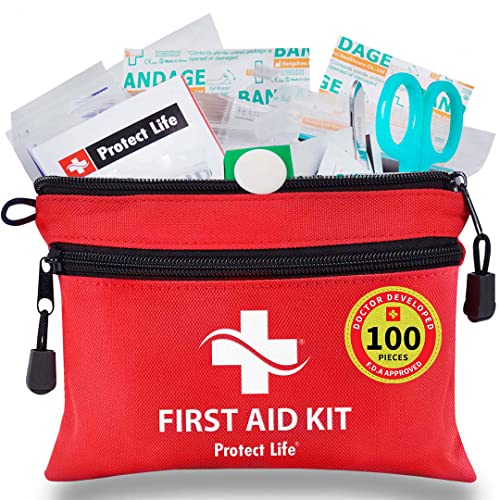
These essentials help you navigate most conditions found on Palm Springs hikes, especially during the peak hiking season.
Additional Items for Families with Young Children
Families with younger hikers may benefit from a few extra supplies that help maintain comfort, reduce fatigue, and keep the experience enjoyable.
Useful additions include:
- Child-sized hydration packs
- Cooling towels or damp bandanas
- Lightweight snacks that tolerate heat
- Extra socks in case of sand or creek crossings
- Small shade umbrella for rest stops
- A simple field guide for wildlife or plants
These items encourage children to stay engaged and comfortable, especially on trails with shifting terrain.
Safety Gear for Exposed or Longer Routes
Some Palm Springs hikes, such as Lost Palms Oasis and Bear Creek Canyon, offer little shade and sustained elevation gain. When choosing longer or more exposed routes, you may want to bring:
- Additional water beyond the base recommendation
- Trekking poles for stability on rocky washes

- Electrolyte chews or powdered drink mixes
- A lightweight emergency blanket
- Compact headlamps if starting at sunrise
- A sun shirt or additional layer for post-hike temperature drops
These items help you manage the challenges of extended desert travel and temperature fluctuations.
Items to Enhance Learning and Comfort
Palm Springs hikes are rich with opportunities to explore desert ecology, geology, and cultural history. The following items can make the experience more rewarding:
- Binoculars for birdwatching

- Small notebook or nature journal
- Pencil or pen that works in dry conditions
- Pocket-sized guide to desert flora and fauna
- Camera or smartphone for trail observations


These tools help children engage more deeply with their surroundings and create opportunities for reflection after your hike.
Practical Extras That Improve Logistics
A few small additions can simplify your day and ensure smoother transitions between trailheads, rest stops, and return travel.
Recommended extras:
- Car seat covers or towels to protect seats from heat and sand
- A cooler with water or fruit for post-hike refreshment
- Reusable wet wipes for hands and faces
- Trash bags to pack out all waste
- A small folding stool for trailhead preparation
These items can make the before-and-after portions of your Palm Springs hikes more comfortable and organized.
How to Adjust This Checklist for Seasonal Conditions
Seasonal changes affect what you should carry on desert hikes. During cooler months, you may want an additional layer for early mornings or post-sunset temperature drops. In warmer months, extra water and sun protection become more important.
General adjustments include:
- Add a light fleece or windbreaker from November through March
- Increase hydration capacity from March through October
- Bring additional sun-shade items, such as a reflective umbrella, during shoulder seasons
- Consider carrying extra electrolytes when hiking in temperatures above 80 degrees
These small adjustments help align your packing list with the specific conditions you are likely to encounter.
Why a Comprehensive Gear List Supports a Better Experience
Google’s current guidance on helpful content emphasizes clarity, real-world utility, and preparation-focused detail. A practical gear checklist meets these expectations by helping families approach Palm Springs hikes with confidence, reducing risk through proper packing, and avoiding many of the discomforts associated with desert travel. With the right equipment in place, you can focus on enjoying the terrain, observing local ecology, and creating meaningful outdoor memories rather than troubleshooting preventable challenges.
This gear list also supports consistent planning for trips of different lengths, allowing you to adapt quickly as your family’s preferences evolve or as you explore additional trails throughout Greater Palm Springs.
Post-Hike Recovery & Family Wellness
Why Desert Hot Springs Is the Spa Capital of the West
An ancient aquifer bubbles up at a toasty 107°F beneath Desert Hot Springs, infusing pools with silica and lithium. Spa regulars swear these minerals melt cramps and brighten their mood. Several resorts reserve shallow soaking areas just for kids, but be sure to check age limits when booking.
Cooling Down the Right Way
Within 30 minutes of finishing a hike, aim for these simple recovery steps. They help reduce muscle soreness and cool the body down effectively. This routine makes a big difference for the next day’s adventures.
- Rehydration (½ liter per 25 lbs body weight; add a pinch of sea salt).
- Static stretches for quads, calves, and hip flexors, held 30 seconds each.
- A proper shade break where you can drape a wet bandana over the neck to cool down.
Family-Friendly Spa Options
Several local spas cater to families looking to unwind. Miracle Springs Resort features eight mineral pools ranging from 90-104°F and accepts kids 3 and up for daytime soaks.
Two Bunch Palms offers a mud bath garden, while Azure Palm Hot Springs provides day passes that include access to a Himalayan salt room.
DIY Wellness Back at the Vacation Rental
You don’t need a spa to help your family recover after a long day of hiking. Simple, homemade remedies can provide instant relief and fun. Here are a few easy ideas to try at your rental home.
- Store aloe vera gel in the fridge for instant sun-cooling packs.
- Try a five-pose family yoga flow: Cat-Cow, Down Dog, Crescent Lunge, Rag Doll, Child’s Pose.
- Make homemade electrolyte pops: Combine coconut water, lime juice, and a pinch of sea salt, then freeze in silicone molds overnight.
| Key Insight: The magic of a Greater Palm Springs trip isn’t just the hike; it’s the recovery. Pairing trail adventures with planned wellness, like a mineral soak, prevents burnout and makes the entire experience more memorable for everyone. |
Common Mistakes Families Make on Palm Springs Hikes and How to Avoid Them
Planning a successful day on Palm Springs hikes requires more than choosing a scenic trail. Desert environments introduce challenges that may not be immediately obvious to visitors, especially families accustomed to hiking in cooler or more forested regions. This section outlines common mistakes drawn from widely available guidance provided by land managers, outdoor safety organizations, and park educational materials. By understanding these pitfalls in advance, you can better prepare your family, avoid unnecessary risks, and make your time on the trail more enjoyable.
Why Identifying Common Mistakes Matters
Palm Springs hikes often involve strong sun exposure, dry air, rapid changes in temperature, and limited shade. These factors increase physical demands and can make moderate trails feel strenuous if you are not prepared. Awareness of common mistakes allows you to plan ahead, adjust expectations, and keep everyone in your group comfortable and safe.
Mistake 1: Starting Too Late in the Day
Many families underestimate how quickly temperatures rise in the desert. Even during cooler months, radiant heat can increase trail difficulty by late morning.
How to avoid this:
- Begin your hike at or shortly after sunrise.
- Plan to be off exposed trails by midday whenever possible.
- Prioritize shaded or water-influenced trails if you cannot start early.
Starting earlier gives you cooler temperatures, better lighting conditions, and a calmer hiking environment.
Mistake 2: Bringing Less Water Than Needed
One of the most significant risks on Palm Springs hikes is dehydration. Dry desert air increases moisture loss, especially in children.
What helps:
- Carry at least 3 liters of water per adult and adjust upward for longer or more exposed routes.
- Use hydration packs so children can sip frequently rather than waiting for scheduled breaks.
- Pair water with electrolytes to replace minerals lost through sweat.
Adequate hydration is essential for safety and comfort on any desert trail.
Mistake 3: Underestimating Sun Exposure
Some families assume that shorter trails or moderate temperatures reduce the risk of sun fatigue. However, even brief exposure on reflective rock or sand can be draining.
To reduce sun-related strain:
- Wear wide-brimmed hats and lightweight, long-sleeve sun-protective clothing.
- Apply and reapply sunscreen throughout the hike.
- Choose trails with available shade when hiking with younger children.
These preventive steps help maintain energy and morale throughout the outing.
Mistake 4: Choosing Trails Beyond the Family’s Current Fitness Level
Palm Springs hikes vary in difficulty, and some involve sustained climbs, loose footing, or complete exposure to the sun.
How to make appropriate choices:
- Review trail distances, elevation gain, and terrain before selecting your route.
- Start with shorter, shaded trails early in your visit to gauge your family’s comfort.
- Move on to longer or more challenging options only after assessing how everyone handles the conditions.
Aligning trail difficulty with realistic expectations improves safety and overall enjoyment.
Mistake 5: Not Accounting for Temperature Drops After Sunset
Families often prepare thoroughly for heat but overlook how quickly temperatures fall once the sun sets. This shift can leave hikers chilled, especially if clothing is damp from sweat.
Helpful strategies:
- Pack a light layer for each family member.
- Plan hikes to finish well before sunset unless you are prepared for cooler conditions.
- Keep extra dry clothing or towels in the car for post-hike comfort.
Temperature management is an important part of desert travel, even during peak hiking season.
Mistake 6: Ignoring Trailhead Parking Constraints
Parking can be limited at several popular starting points, leading to delays that shorten your safe hiking window.
To avoid this issue:
- Arrive early, especially on weekends and holidays.
- Keep alternate trail options in mind if your preferred lot is full.
- Check for parking regulations in residential areas near trailheads.
Planning ahead gives you more time on the trail and reduces unnecessary stress.
Mistake 7: Leaving Without Checking Current Conditions
Weather, trail closures, and land-management restrictions can change unexpectedly and influence which Palm Springs hikes are suitable for families.
What to do:
- Review updates from official sources, such as the National Park Service or preserve websites, before leaving your lodging.
- Be prepared to adjust your itinerary if conditions shift.
- Monitor weather patterns, especially wind and heat advisories.
Staying informed ensures that your plans remain safe and feasible.
Mistake 8: Overlooking Safety Practices for Wildlife and Sensitive Ecosystems
Children are naturally curious, which makes it important to understand the ecological and cultural significance of the areas you are visiting.
Ways to support responsible hiking:
- Teach children to stay on marked trails to protect soil and vegetation.
- Maintain appropriate viewing distances from wildlife.
- Respect cultural sites and follow posted guidelines.
These practices support ongoing conservation and contribute to a more thoughtful hiking experience.
Mistake 9: Skipping Recovery After the Hike
Families sometimes finish a trail and move immediately to other activities without cooling down or rehydrating, which can affect comfort for the rest of the day.
To promote recovery:
- Drink water and electrolytes shortly after finishing the hike.
- Take a brief rest in the shade.
- Incorporate stretching to reduce soreness.
A short post-hike routine can significantly improve energy levels for later activities.
Why Avoiding These Mistakes Improves Your Experience
Google’s recent guidance on helpful content emphasizes information that enables readers to make informed decisions and prepare thoroughly for real-world activities. Recognizing common mistakes helps you anticipate challenges and create a smoother, safer, and more enjoyable experience on Palm Springs hikes. When you plan with these considerations in mind, your family is better equipped to appreciate the landscapes, wildlife, and cultural features that make desert hiking memorable.
Sample 3-Day Family Itinerary
Day 1
- Morning: 3-mile Palm Canyon loop (Indian Canyons)
- Afternoon: Picnic at Sunrise Park playground
- Evening: Private mineral-pool soak at Miracle Springs
Day 2
- Morning: Big Morongo boardwalk after dawn to look for great horned owl fledglings.
- Lunch: Date shake stop at Hadley Fruit Orchard.
- Afternoon: Family facial & foot soak combo (for kids 10+).
- Evening: Downtown Palm Springs street fair.
Day 3
- Pre-sunrise: Lost Palms trailhead; stash extra water 1 mile in.
- Noon: Fish tacos in Twentynine Palms.
- Afternoon: Pool nap time.
- Night: Ranger-led stargazing at Sky’s the Limit Observatory.
The Road Forward
Balancing wilderness with wellness turns a family trip into lasting lore with stories of palm-fringed discoveries and desert hush. Remember that permits sell out and spa slots fill fast. Book both while the kids are still arguing over who gets the window seat for the drive.
FAQs – Palm Springs Hikes
- Q: What makes Palm Springs hikes especially family-friendly? A: Many Palm Springs hikes feature short distances, shaded oases, gentle grades, and well-marked trails, making them accessible for a wide range of ages. Options like Big Morongo Boardwalk, Oasis of Mara, and lower Palm Canyon offer manageable routes with engaging scenery for kids.
- Q: When is the best season for families to hike in Palm Springs? A: October through April provides the most comfortable temperatures for desert hiking. Early mornings during this season deliver the safest and most enjoyable window for family-friendly Palm Springs hikes.
- Q: How early should we start our hike to avoid desert heat? A: You should begin at or just after sunrise. This timing helps avoid rapid temperature increases and offers calmer, cooler conditions, especially on exposed trails like Bear Creek Canyon and Lost Palms Oasis.
- Q: How much water should we bring on Palm Springs hikes with kids? A: Plan to bring at least 3 liters of water per adult and adjust upward for longer or fully exposed trails. Kids benefit from hydration packs so they can sip frequently, along with electrolyte supplements.
- Q: Which Palm Springs hikes are best for younger children? A: Big Morongo Boardwalk, Oasis of Mara, and short loops in lower Palm Canyon are ideal for ages 3–6. These routes offer shade, easy footing, and engaging wildlife or interpretive features.
- Q: Which hikes are suitable for older kids or teens seeking more challenge? A: Bear Creek Canyon, Lost Palms Oasis, and the Mastodon Peak spur give older kids and teens the greater distance, elevation, and varied terrain they often enjoy.
- Q: Are there family-friendly wheelchair-accessible trails in the Palm Springs area? A: Yes. Big Morongo Boardwalk and Oasis of Mara both offer accessible pathways suitable for wheelchairs and strollers, making them excellent choices for multi-generational groups.
- Q: What desert wildlife might we see on these hikes? A: Families often spot roadrunners, quail, lizards, and occasionally desert bighorn sheep or tortoises at sunrise. Oases such as Big Morongo and Oasis of Mara attract diverse birdlife year-round.
- Q: What should families know about cultural respect on these trails? A: Some Palm Springs hikes are located on Indigenous lands, such as Indian Canyons. Visitors should stay on designated trails, avoid touching cultural features, and follow all posted guidelines to help protect sensitive areas.
- Q: Do any trails provide natural water features or oasis environments? A: Yes. Palm Canyon, Andreas Canyon, Big Morongo Preserve, Cottonwood Spring, and Lost Palms Oasis all include springs, creeks, or palm-fringed wetlands that create cooler microclimates and captivating scenery.
- Q: What should we pack for a safe, enjoyable desert hike with children? A: Essentials include water, electrolytes, sun-protective clothing, wide-brimmed hats, sunscreen, sturdy footwear, a basic first-aid kit, and a printed or downloaded map. Extras like cooling towels, snacks, and binoculars help keep kids engaged.
- Q: How can we avoid common mistakes on Palm Springs hikes? A: Start early, bring more water than you think you need, choose trails suited to your family’s fitness level, check parking conditions, and plan for rapid temperature changes. These steps help ensure a smoother desert outing.
- Q: Are there good recovery options for families after hiking? A: Desert Hot Springs offers mineral-rich pools that many families enjoy after a day outdoors. You can also stretch, rehydrate, rest in the shade, or try simple wellness routines back at your lodging.
- Q: Can we combine multiple hikes in one day? A: Yes, but keep distances reasonable and account for heat, drive times, and trailhead parking. Many families pair a shorter shaded hike, such as Oasis of Mara, with a longer morning trail like Palm Canyon or Big Morongo.
+++BEFORE using this information, please read our Legal Disclaimer+++