
Search for:
A solo traveler greets the sunrise over Lake Bled, Slovenia—one of Europe’s most serene destinations for reflection and new beginnings. Solo travel tips help here.
A solo traveler greets the sunrise over Lake Bled, Slovenia—one of Europe’s most serene destinations for reflection and new beginnings.

Table of Contents

Solo Travel Tips Will Make Your Trip Hassle-Free

Your first solo trip can feel like a big step. There’s excitement in planning something entirely your own, but also uncertainty about what’s ahead. Once you take that first step, the nervousness fades and a sense of calm takes its place. Traveling alone teaches you to trust yourself, to make choices freely, and to enjoy the world at your own pace.  

Get Comfortable With Being on Your Own  

Your first solo trip is more than a ticket and an itinerary—it’s a decision to trust yourself. The nerves you feel now are normal, and they ease quickly once you’re out in the world making choices on your own terms. With each small win—navigating from the airport, ordering your first meal, finding your way through a new neighborhood—you’ll feel your confidence grow. These solo travel tips are here to help you prepare well, stay flexible, and meet the unexpected with calm.

In the early days, the quiet may feel unfamiliar. Give it a moment. That quiet often becomes a welcome rhythm that lets you slow down, notice more, and connect more deeply with a place. If you want a head start on what to expect, read honest, firsthand accounts from other travelers at scottsolotravels.com. You’ll find practical lessons and safety insights that turn uncertainty into preparation.

Stay open, do your homework, and let curiosity guide you. Solo travel isn’t about being fearless—it’s about discovering that courage grows as you go. With thoughtful planning and an open mindset, you’ll find that traveling alone can be not only manageable but deeply rewarding.

If you have any comments/questions, please leave them below.

Before You Go: Essential Solo Travel Prep Checklist

Preparing for your journey—essentials like documents, maps, and travel gear ready to go before a solo adventure in Chiang Mai, Thailand. Essential solo travel tips.
Preparing for your journey—essentials like documents, maps, and travel gear are ready to go before a solo adventure in Chiang Mai, Thailand.

Before setting off on your first solo adventure, preparation can make the difference between a stressful experience and a smooth, rewarding journey. Whether you’re heading abroad or exploring closer to home, investing a bit of time in planning helps you travel confidently and safely. These solo travel tips focus on practical steps that will help you organize your trip while staying flexible enough to enjoy spontaneous discoveries along the way. One more logistical piece often overlooked: what to do with belongings at home while you’re away. If you’re looking for a secure solution to store items you won’t need during your trip, like winter gear, seasonal décor, or extra furniture, consider using self storage units Calgary. This way, you can travel lighter, focus on your experience, and return to a home that’s organized and ready.

Research and Preparation

Start by learning as much as you can about your destination. Read recent travel blogs, watch local vlogs, and check updated travel advisories from reliable sources such as the U.S. Department of State. Understanding local customs, transportation systems, and safety considerations builds familiarity before you even arrive.

Keep in mind: the goal isn’t to plan every minute, but to understand the basics—how to get from the airport to your accommodation, which neighborhoods are safe to explore, and what cultural gestures or greetings are considered polite. These foundational solo travel tips help you feel more grounded and reduce uncertainty once you arrive.

Create a Smart Itinerary

A flexible itinerary offers structure without limiting adventure. Plan the first two or three nights of accommodation in advance, ideally in an area that’s well connected to transportation and amenities. This ensures you have a safe and comfortable place to rest while you get your bearings.

From there, you can map out broader travel goals, like regions or attractions you’d like to explore, while leaving space for unexpected opportunities. Solo travel often rewards curiosity—so allow room for detours.

Consider creating two versions of your itinerary:

  1. A detailed copy with addresses, reservation confirmations, and transportation links (stored digitally in the cloud).
  2. A concise printed version to carry with you, useful if your phone battery dies or you lack internet access.

Safety and Communication Plans

Having a communication plan is one of the most practical solo travel tips for first-timers. Share your itinerary and accommodation details with a trusted friend or family member. Let them know when they should expect updates from you—perhaps a quick message every few days.

Save important local phone numbers in your contacts, such as:

  • Local emergency services
  • Your country’s embassy or consulate
  • Accommodation reception or host contact
  • Local taxi or rideshare service

Download communication tools that work internationally, such as WhatsApp or Signal, and test them before departure.

Organize Travel Documents and Insurance

Even seasoned travelers can overlook how quickly paperwork becomes overwhelming when traveling alone. Keep your passport, driver’s license, travel insurance policy, and vaccination records accessible but secure.

Follow these simple systems:

  • Store digital copies of all documents in a password-protected cloud folder.
  • Carry physical photocopies in a separate bag or money belt.
  • Keep a small folder or envelope specifically for boarding passes, ticket stubs, and receipts you may need later.

Travel insurance deserves extra attention. Solo travelers don’t have a partner to rely on if things go wrong, so choose a policy that covers medical emergencies, trip interruptions, and lost items. Many experienced travelers recommend providers like World Nomads or SafetyWing for flexible coverage.

Financial Readiness and Currency Preparation

Before you go, contact your bank to alert them of international transactions and confirm your debit and credit cards will work abroad. Research whether ATMs are widely available in your destination, and consider bringing two cards from different banks in case one fails.

When possible:

  • Carry a small amount of local currency for taxis or small shops.
  • Keep emergency cash in a hidden pocket or secondary wallet.
  • Use a budgeting app like Trail Wallet to track spending easily.

These small steps help avoid financial surprises and reduce stress when managing money on your own, especially when you’re figuring out the best way to transfer money between banks before your trip

Pack Digital Tools for Navigation and Security

Technology can be one of your strongest supports during solo travel. Download offline maps from Google Maps or Maps.me, translation apps like DeepL or Google Translate, and travel planning tools such as Rome2Rio for transport connections.

For safety, apps like TripWhistle Global SOS or SmartTraveler (by the U.S. government) provide local emergency numbers and travel alerts. Having these tools ready before departure saves time and keeps you informed in unfamiliar situations.

Final Preparation Check

Before leaving home, take one last pass through your essentials:

  • Confirm all reservations and backup transportation options.
  • Back up your phone photos and contacts.
  • Make sure your devices are fully charged, and pack an extra portable charger.
  • Double-check that your travel insurance policy is active from the day you depart.

These foundational solo travel tips set you up for a journey that’s both safe and empowering. With thoughtful preparation, you’ll spend less time worrying about logistics and more time immersing yourself in the world around you.

Plan, but Stay Flexible  

Planning helps, but too much structure can limit your experience. Create a loose outline of your trip, focusing on where you’ll stay, how you’ll get around, and what you’d like to see first. Then leave room for the unexpected. Some of the best memories come from small surprises, like stumbling upon a local festival or finding a quiet café you didn’t plan to visit.  

A flexible approach makes travel less stressful. When things shift, you’ll adapt without frustration. Trains may run late or attractions may close early, but those moments often lead you somewhere more interesting. Allowing space for change turns delays into discoveries.  

Before you go, keep copies of your travel documents both in print and digital form. Having them organized helps if you need to verify bookings or show identification. Staying prepared gives you peace of mind when using public transportation or crossing between destinations.  

Pack Light and Travel Easy  

When you travel alone, everything you carry is yours to manage. Packing light keeps you mobile and less weighed down. Choose a bag you can lift easily and clothes that work for different settings. Versatile outfits, a reliable jacket, and comfortable shoes make a bigger difference than you think.  

Add essentials that keep you connected and comfortable. Bring a portable charger, universal adapter, and compact toiletry kit. Include a local SIM card or, even better, a Prepaid Sims Japan esim for easy internet access and communication when you need directions or translations.

Keep a small cash stash tucked safely in a separate place from your wallet. It can be useful if a card doesn’t work or you’re in an area where digital payments aren’t common. Traveling light doesn’t mean going without; it means keeping what truly supports your journey.  

Budgeting and Money Tips for Solo Travelers

Budget-conscious solo travel at its best—exploring the vibrant street food scene in Hanoi, Vietnam, where affordable meals and cultural immersion go hand in hand.

When traveling on your own, managing your finances efficiently is one of the most important skills you can develop. Without someone to split costs or share planning responsibilities, you’ll need to handle every expense yourself—from meals and transportation to accommodation and activities. These solo travel tips focus on practical ways to plan, track, and save money while keeping your experience enjoyable and stress-free.

Plan Your Budget Before You Leave

A clear and realistic budget gives you financial control from day one. Start by researching average daily costs in your destination, including lodging, meals, and attractions. Sites like Numbeo or Budget Your Trip provide up-to-date insights into local expenses, helping you create an accurate estimate.

Once you know your daily average, multiply that by the number of travel days and add a 10–15% buffer for unexpected costs. This small cushion ensures you can handle minor emergencies—like needing an extra night in a hotel or missing a train—without stress.

Divide your total estimated cost into categories:

  • Accommodation
  • Food and groceries
  • Transportation
  • Experiences and activities
  • Emergency fund

Tracking your spending by category will help you stay organized and avoid overspending.

Use Technology to Track Spending

Budget-tracking apps can make solo travel budgeting much simpler. Choose an app that works offline, so you can record expenses even without internet access. Many experienced travelers rely on:

  • Trail Wallet
  • TravelSpend
  • Mint (for general expense tracking)

These apps let you set daily limits, categorize expenses, and review where your money goes. Even if you prefer pen and paper, setting aside ten minutes each evening to review your spending helps you stay aware of your financial situation.

Save Money on Accommodation

Accommodation often takes up the largest portion of a solo travel budget. Fortunately, there are several ways to save without sacrificing comfort or safety.

  1. Compare options on multiple booking platforms such as Booking.com, Hostelworld, and Agoda.
  2. Filter results for highly rated stays in central areas—this reduces local transport costs.
  3. Consider alternative stays like guesthouses or short-term apartment rentals.
  4. Stay longer in one place when possible—many hosts offer discounts for weekly or monthly stays.

Another practical solo travel tip is to book accommodations that include breakfast or kitchen access. Cooking even one meal a day can significantly reduce expenses while giving you a taste of local ingredients and markets.

Eat Smart Without Missing Out

Dining can quickly become one of the most enjoyable yet expensive parts of travel. To balance experience with savings:

  • Enjoy local markets and street food for authentic and affordable meals.
  • Pack reusable utensils and a water bottle to minimize single-use purchases.
  • Make lunch your main meal—restaurants often offer lower midday prices than dinner.
  • Choose cafés or eateries just outside tourist-heavy zones for better value.

This approach lets you savor local culture without overspending, an essential part of any sustainable solo travel strategy.

Manage Transportation Costs

Transportation choices affect both your budget and your freedom to explore. Research ahead to find the most efficient mix of public and private transport for your route. Many destinations offer multi-day transport passes that save money compared to individual fares.

Before purchasing, calculate whether a rail, bus, or metro pass matches your travel pattern. If your itinerary is flexible, overnight trains or buses can double as transportation and accommodation, cutting one cost entirely.

Rideshare platforms like BlaBlaCar or local carpooling apps can also be budget-friendly ways to meet people while covering long distances safely.

Use Smart Money Management Practices

Carrying and accessing money safely is essential when traveling solo. Always have at least two payment options—such as a debit card and a credit card from different banks—in case one fails. Notify your bank of your travel dates to avoid account freezes.

Practical money safety solo travel tips include:

  • Keep a small amount of local currency for cash-only vendors.
  • Separate your cards and cash—store one backup card in a secure, hidden spot.
  • Use a discreet money belt or hidden pouch when in crowded areas.
  • Withdraw cash from ATMs located in banks or reputable public buildings, not on isolated streets.

Whenever possible, use cards for larger transactions to avoid carrying too much cash.

Take Advantage of Free and Low-Cost Activities

Solo travel doesn’t have to mean expensive guided tours. Many destinations offer free or donation-based walking tours, public museums, and local festivals. Research community events, outdoor attractions, and natural spaces where you can explore without paying an entry fee.

You can also look for local apps or tourism websites that list free weekly activities. Balancing a few paid experiences with several no-cost outings keeps your budget in check while giving you a fuller picture of local life.

Build a Small Emergency Fund

Even with the best planning, unexpected expenses can arise. Set aside a modest emergency fund—either as digital savings or physical cash. It should be enough to cover a last-minute hotel stay, medical visit, or replacement transportation.

Accessing this fund should require minimal effort but not be so easy that you spend it casually. Some travelers prefer to store it in a separate bank account or as a backup prepaid card.

Final Thoughts on Managing Money While Traveling Solo

A mindful approach to budgeting allows you to experience the freedom of solo travel without financial stress. By tracking your spending, using technology, and balancing smart savings with meaningful experiences, you’ll build confidence in managing your money on the road. These solo travel tips are not about restricting what you do—they’re about making every choice intentional, ensuring that your first solo journey is both empowering and sustainable.

Pick Stays That Match Your Comfort  

Where you stay shapes the entire trip. Some travelers prefer hostels and shared spaces, while others value privacy in boutique hotels or vacation rentals. The best choice depends on your comfort level and what kind of atmosphere helps you feel at ease.  

After a long flight, having a comfortable place to settle in makes a big difference. If you’re new to solo travel, staying near restaurants, markets, and public places can make things simpler. You’ll have everything close by, which builds confidence when exploring a new area. A central location also makes returning at night easier and safer.  

Before booking, read hostel reviews and feedback from solo travelers. They often mention important details about hotel lodgings, staff friendliness, or area safety. These small insights help you choose accommodation that fits your travel style.  

Keep Safety in Mind, but Don’t Let It Limit You  

Safety should always come first, but it doesn’t need to make you overly cautious. Stay alert in crowded areas, keep your belongings close, and trust your gut when something doesn’t feel right. Awareness allows you to relax and enjoy yourself with confidence.  

Share your travel plans with someone you trust and check in every few days. Save local emergency numbers to your phone so you can reach help quickly if needed. These small steps make solo travel safer and more reassuring.  

At the same time, let yourself enjoy the place you’re in. Talk to locals, join a day tour, or try new food that’s unique to the region. Staying careful while still open to experience is what makes solo travel feel both safe and exciting.  

Solo Travel Safety Gear and Apps Worth Having

Equipped with smart safety gear and apps, a solo hiker explores Chile’s Torres del Paine National Park—a reminder that preparation builds confidence in remote destinations.

Traveling solo gives you the freedom to explore at your own pace, but it also means you’re fully responsible for your safety. The goal isn’t to travel in fear—it’s to be informed, prepared, and confident. By equipping yourself with reliable safety gear and using well-designed travel apps, you can move through unfamiliar places with peace of mind. The following solo travel tips focus on the tools and strategies that help you stay connected, aware, and self-reliant wherever your journey takes you.

Essential Safety Gear for Solo Travelers

Packing a few key safety items can go a long way toward preventing problems and giving you confidence when you’re alone. These items are lightweight, practical, and easy to integrate into your regular travel gear.

Everyday Safety Essentials

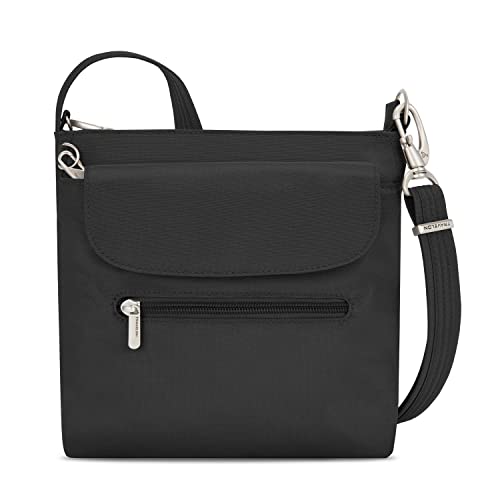
  1. Crossbody or anti-theft travel bag: Choose one with lockable zippers, RFID protection, and slash-resistant straps. This type of bag makes it harder for pickpockets to access your belongings.
  1. Portable door lock or doorstop alarm: Ideal for hostels, hotels, and guesthouses, these compact devices add an extra layer of security when you’re staying in unfamiliar places.
  1. Headlamp or small flashlight: A dependable light source helps you navigate dark areas, trailheads, or unlit streets safely.
  1. Personal safety alarm or whistle: A loud noise can deter unwanted attention and attract help quickly in an emergency.
  2. Hidden money pouch or belt: Keeps backup cash, a copy of your ID, and an emergency credit card separate from your main wallet.

For more detailed evaluations of travel safety gear, resources such as REI’s travel section (https://www.rei.com/c/travel) provide reliable comparisons and product insights.

Health and Hygiene Essentials

Solo travelers don’t have someone nearby to help in case of illness or injury, so a compact first-aid kit is essential. Include:

  • Adhesive bandages and antiseptic wipes
  • Pain relievers and antihistamines
  • Prescription medication in clearly labeled containers
  • Blister treatment patches (especially for long walking days)
  • Reusable face mask and hand sanitizer

Keeping these basics on hand ensures you’re ready for minor medical issues without needing immediate assistance.

Travel Apps That Enhance Safety and Navigation

Technology can be one of your strongest allies when traveling alone. The best travel apps make it easy to find your way, stay connected, and receive real-time updates.

Navigation and Planning Apps

  • Google Maps Offline Mode: Download maps of your destination before you leave Wi-Fi zones to access navigation even without data service.
  • GuruMaps: A strong alternative for hikers and remote travelers—it shows trails, terrain, and offline routes.
  • Rome2Rio: Quickly compares routes and prices for buses, trains, ferries, and flights, helping you plan safe and efficient transportation connections.

Communication and Safety Apps

  • WhatsApp: A universal communication app for calls and messages over Wi-Fi or data. Use it to share your live location with a trusted contact.
  • SmartTraveler: An app by the U.S. Department of State offering travel alerts, embassy contacts, and country-specific safety information.
  • TripWhistle Global SOS: Provides local emergency numbers (police, fire, ambulance) for over 200 countries.
  • Sitata: Sends real-time safety alerts about protests, transportation strikes, or health risks near your location.

Translation and Local Help Apps

Language barriers can create stress when traveling solo. Download apps like Google Translate or DeepL Translate to translate menus, signs, or short conversations. Both work offline if you pre-download the language pack.

Staying Secure in Accommodations

Your accommodation is your personal base—where you should feel the most secure. Even in safe destinations, simple precautions make a difference.

  • Always lock your door, even when inside your room.
  • Use your portable door lock or alarm at night.
  • Keep valuables in a hidden spot rather than in obvious drawers or closets.
  • Choose rooms on mid-level floors (not ground level, but not above fire-ladder reach).

These are small but effective safety measures every solo traveler can implement immediately.

Protecting Your Data and Devices

Digital security is just as important as physical safety. When traveling alone, losing access to your accounts or sensitive information can create major challenges. Consider the following practices:

  • Use a VPN (Virtual Private Network) when connecting to public Wi-Fi. This keeps your data secure on shared networks.
  • Set up two-factor authentication on all major accounts before leaving home.
  • Store backup files—such as passport scans and travel insurance documents—in encrypted cloud storage.
  • Carry a portable power bank to avoid being stranded with a dead phone, especially if your phone is also your map and safety tool.

Practical Habits That Strengthen Safety

Beyond gear and apps, safety also comes from consistent, mindful habits.

  • Stay alert in crowded spaces and trust your instincts if a situation feels off.
  • Avoid sharing detailed travel plans or hotel names with strangers.
  • Walk confidently, especially when navigating new areas at night.
  • Take photos of important documents and receipts in case you lose them.
  • Learn a few basic self-defense moves or take an introductory class before your trip.

These proactive choices add layers of protection that go beyond technology and equipment.

Final Thoughts on Solo Travel Safety

Preparation and awareness are what make solo travel empowering rather than intimidating. The right gear and apps won’t eliminate every risk, but they’ll give you the tools to respond confidently to unexpected challenges. With these solo travel tips, you’ll be able to navigate new environments securely, focus on your experiences, and enjoy the freedom that comes with traveling independently.

Stay Open to New People and Experiences  

Even when you travel alone, you’ll meet people everywhere. A short conversation with a street vendor, a chat on a train, or a meal shared with another traveler can add meaning to your trip. These moments often happen naturally when you’re open to them.  

Start small. Join a walking tour, visit markets, or attend a local event. These settings make interaction easy and comfortable. You’ll meet people who share your curiosity and may even help you navigate language barriers with ease.  

Not every meeting will turn into a long-term friendship, but each one adds something valuable. Every exchange deepens your connection to the destination and reminds you that solo travel isn’t about isolation—it’s about independence and discovery.  

Connecting With Locals and Building Confidence

Finding connection in Lisbon’s Alfama district—solo travel moments where conversation and curiosity bring a destination’s culture to life.

One of the most rewarding parts of solo travel is the connection you can form with the people and culture around you. Traveling alone opens space for meaningful encounters that might not happen when you’re focused on a companion or group. Still, meeting new people as a solo traveler requires a balance of openness, awareness, and confidence. These solo travel tips focus on how to connect with locals in ways that feel genuine and safe while helping you build confidence throughout your journey.

Shift Your Mindset: Openness Over Outcome

Successful solo travelers often approach interactions with curiosity rather than expectation. Instead of setting a goal to “meet people,” focus on being open to shared experiences. A simple conversation with a shopkeeper, a brief exchange on public transportation, or a chat with another traveler at a café can all provide insight into the local way of life.

Confidence comes naturally when you treat each encounter as a chance to learn, rather than as something you must achieve. This mindset makes your interactions more relaxed and authentic, helping you connect more deeply with the places you visit.

Start Small: Easy and Comfortable Ways to Meet People

If you’re new to traveling solo, it can feel intimidating to approach strangers. The key is to begin with low-pressure environments that encourage natural interaction.

Try These Simple First Steps

  1. Join a free walking tour in your destination city—these tours attract other travelers looking to connect.
  2. Visit local markets or food stalls, where conversation often happens naturally.
  3. Attend cultural events, outdoor festivals, or public concerts to experience community life firsthand.
  4. Stay in accommodations that offer shared spaces such as lounges or kitchens, where travelers often gather informally.

These settings help ease you into new social dynamics without forcing you into uncomfortable situations.

Use Technology to Connect Responsibly

In today’s digital age, there are countless ways to meet locals and fellow travelers online. Apps and platforms make connecting easier, but they also require careful use.

  • Meetup: Search for local hiking, photography, or cultural exchange groups to join group activities that align with your interests.
  • Couchsurfing Events: Even if you’re not staying with a host, you can attend community meetups organized by locals.
  • Bumble for Friends or Facebook Groups: Many destinations have online communities for travelers or expats organizing language exchanges, dinners, or day trips.

When meeting anyone through a digital platform, always meet in a public place first and let someone you trust know your plans. These precautions keep your experience both social and safe.

Learn and Use Local Language Basics

Even a few words in the local language can go a long way. Simple greetings, “thank you,” and “please” show respect and often lead to more engaging conversations. Locals appreciate the effort, even if your pronunciation isn’t perfect.

For quick learning:

  • Download language apps such as Duolingo, Babbel, or Memrise.
  • Carry a small phrasebook or note the most common phrases on your phone.
  • Practice short exchanges daily, such as ordering food or asking for directions in the local language.

Over time, you’ll notice how language becomes a bridge rather than a barrier—a rewarding outcome of slow and mindful solo travel.

Keep in mind that not all language tools may support the language spoken in your destination. Some apps focus mainly on widely studied languages, so travelers heading somewhere with less commonly taught ones may need to look for a more specialized option. This is where Ling App can help fill the gap. The app lets you choose from over 70 native languages, many of which are often overlooked by bigger, more popular apps. Whether you want to learn Lao, Albanian, or Mongolian, Ling gives you access to lessons that match the places you want to visit. What’s more, lessons are supported by native speaker audio, allowing you practice pronunciation with more confidence and get used to the natural rhythm of the language.

Volunteer or Take a Local Class

Participating in local activities is one of the most effective ways to connect meaningfully with both residents and other travelers. Volunteering for a short-term community project or enrolling in a local class adds depth to your experience while supporting cultural exchange.

Consider:

  • Beach or trail cleanups organized by environmental groups.
  • Cooking, dance, or art classes run by local instructors.
  • Farm visits, traditional crafts workshops, or guided nature walks.

These experiences often provide natural opportunities to meet people who share your values and interests, making conversations flow more easily.

Build Confidence Through Small Wins

Confidence in solo travel doesn’t appear all at once—it builds gradually through small successes. Ordering a meal in another language, navigating public transport alone, or asking a local for recommendations are all milestones that strengthen your independence.

Try setting gentle daily challenges for yourself:

  • Strike up a conversation with one new person each day.
  • Explore a neighborhood without using your phone for navigation.
  • Attend a group event even if you don’t know anyone.

As you collect these small wins, your confidence grows naturally, making future trips feel less daunting and more exciting.

Respect Cultural Norms and Boundaries

Connecting with locals also means being aware of social expectations. In some cultures, direct eye contact or casual physical touch may be considered impolite, while in others it’s perfectly normal. Observing how locals interact with one another helps you adapt respectfully.

Whenever in doubt:

  • Watch how locals greet each other and mirror their tone and gestures.
  • Ask before taking photos of people, especially in rural or traditional settings.
  • Approach every interaction with humility and gratitude.

Respectful curiosity fosters trust, which leads to more authentic exchanges and deeper insights into a culture’s values and daily rhythms.

Final Thoughts on Connection and Confidence

Connecting with locals while traveling solo transforms a trip from a sightseeing experience into a cultural exchange. It teaches you empathy, patience, and adaptability—all traits that enrich every journey you take. These solo travel tips emphasize that building relationships doesn’t mean being extroverted; it means being present, curious, and respectful. Over time, your confidence will grow not just from where you’ve been, but from the people and stories you’ve encountered along the way.

Learn To Enjoy the Quiet Moments  

Solo travel gives you time to pause, something that’s often missing from daily life. You can spend an afternoon at a café, take a slow walk through a park, or sit by the water without feeling rushed. These quiet moments are part of what makes solo travel fulfilling.  

Use that time to reflect or recharge. Write about your day, take photos, or simply observe what’s happening around you. The absence of constant conversation lets you notice the small things—the rhythm of a street, the scent of local food, the calm of early mornings.  

The more you lean into solitude, the more you’ll appreciate it. It becomes a reminder that being alone doesn’t mean being lonely. It means being present and content in your own space.  

Solo Travel Myths—And the Truth Behind Them

If you’ve ever considered taking a trip alone, you’ve probably heard a few warnings or misconceptions about what solo travel is really like. While many of these ideas come from good intentions, they often discourage people from taking the leap. The reality is that solo travel, when approached thoughtfully, can be deeply rewarding and surprisingly manageable. These solo travel tips separate fact from fiction, giving you a clearer sense of what to expect before you go.

Myth 1: Solo Travel Is Lonely

It’s easy to assume that traveling alone means spending long days in isolation. In truth, solo travel often leads to more social interaction than group travel. When you’re not surrounded by familiar company, you naturally engage more with locals and fellow travelers.

Loneliness can happen, but it’s rarely constant. Most solo travelers find they value a balance of solitude and connection. The quiet mornings spent journaling or walking alone often become just as meaningful as the lively dinners shared with new friends. If you do feel lonely at times, joining a local event, volunteering, or taking a class can help you reconnect quickly.

Myth 2: Solo Travel Is Dangerous

Safety concerns are one of the most common reasons people hesitate to travel alone. While it’s true that solo travelers must be alert and prepared, danger isn’t an inevitable part of the experience. Most destinations around the world welcome visitors with hospitality and respect.

The key is preparation and awareness. Research local customs and safety conditions before you go, share your itinerary with someone you trust, and use common-sense safety practices—such as avoiding poorly lit areas at night and keeping your belongings close in crowded places. These solo travel tips aren’t about fear; they’re about confidence and self-reliance. When you trust your instincts and stay informed, you’ll find that solo travel feels far safer than expected.

Myth 3: Solo Travel Is Only for Extroverts

Some people imagine solo travelers as fearless adventurers who strike up conversations everywhere they go. In reality, solo travel suits every personality type. Introverted travelers often thrive on the freedom to explore at their own pace without social pressure, while extroverts enjoy the variety of new faces and experiences.

If you’re introverted, you might find joy in quieter experiences—such as hiking, visiting museums, or sitting at a café observing daily life. If you’re more outgoing, you’ll have no trouble finding conversation and camaraderie on group tours or at social hostels. There’s no single “right” way to travel alone. The best solo travel experience is the one that aligns with who you are.

Myth 4: Solo Travel Is Expensive

Traveling alone can be more affordable than many people think. While you can’t split costs for lodging or transportation, you also have total control over your spending choices. You decide where to stay, what to eat, and how much to spend on experiences.

Practical solo travel tips can help stretch your budget:

  • Book accommodations that include breakfast or kitchen access.
  • Use local transportation rather than taxis or private transfers.
  • Seek out free or low-cost attractions, such as hiking trails, markets, or museums with free admission days.
  • Cook a few of your own meals using fresh, local ingredients.

Solo travel rewards those who plan smartly—it’s not about spending more, but spending intentionally.

Myth 5: Traveling Alone Means Being Selfish

Some people worry that choosing to travel solo is self-centered or indulgent. In reality, it’s an act of self-discovery and personal growth. Solo travel teaches independence, resilience, and empathy—qualities that enrich relationships back home.

Taking time to explore the world alone doesn’t mean you’re rejecting others; it means you’re expanding your understanding of yourself and your place in the world. The clarity and confidence you gain often lead to stronger connections with others once you return.

Myth 6: You Have to Be Experienced to Travel Alone

Another misconception is that only seasoned travelers can handle solo adventures. The truth is that many people take their first international or cross-country trip alone. With careful planning, reliable information, and a willingness to adapt, even first-time travelers can thrive on their own.

If you’re just starting out, choose a destination that’s well-connected, safe, and used to welcoming visitors. Read firsthand experiences from other travelers, follow reputable blogs, and use up-to-date resources such as Lonely Planet or Nomadic Matt to plan your itinerary. Confidence comes with experience, but experience only comes once you begin.

The Real Truth About Solo Travel

The biggest truth about solo travel is that it’s what you make of it. It’s not always easy, and there will be moments that challenge you—but that’s part of its value. Traveling alone allows you to make decisions entirely your own, to move through the world with awareness, and to grow in ways few other experiences allow.

These solo travel tips are meant to guide, not restrict. The myths fade quickly once you’re on the road, replaced by small victories: finding your way through a foreign city, sharing a meal with strangers who become friends, or simply sitting quietly somewhere new, feeling both capable and content. Solo travel isn’t about being alone—it’s about discovering how vast, welcoming, and transformative the world can be when you meet it on your own terms.

Sustainable and Responsible Solo Travel

Solo travel gives you a lot of freedom in how you move through the world, which also means you have a lot of influence on the places you visit. Sustainable tourism is about recognizing that influence and making choices that support local communities, protect the environment, and respect cultural traditions. The UN World Tourism Organization describes sustainable tourism as tourism that considers its economic, social, and environmental impacts while addressing the needs of visitors, the industry, the environment, and host communities. (SDGs المتحدة)

The solo travel tips in this section draw on widely accepted best practices from respected organizations in sustainable and responsible travel, rather than personal experience in specific destinations. You can adapt them to almost any trip, whether you are navigating a small mountain town or a busy coastal city.

Travel Lightly on the Environment

One of the most practical solo travel tips is to think about your impact before you arrive. Small decisions add up, especially in fragile outdoor environments and popular nature destinations.

Consider:

  • Packing light so you generate less waste and rely on fewer resources.
  • Choosing reusable items (bottle, coffee cup, cutlery, shopping bag) instead of disposables.
  • Avoiding travel-size single-use plastics when you can refill larger containers.
  • Turning off lights, air-conditioning, and heating when you leave your room.
  • Limiting laundry by re-wearing clothes that do not need immediate washing.

When you spend time on trails, beaches, lakes, and forests, following the Leave No Trace principles is one of the most widely recommended frameworks for minimizing your impact. (Leave No Trace)

Key ideas to apply:

  1. Plan ahead and prepare so you are not forced into poor decisions in an emergency.
  2. Travel and camp on durable surfaces to avoid trampling vegetation.
  3. Pack out all trash, including food scraps and tissues.
  4. Leave what you find—rocks, shells, plants, and artifacts stay where they are.
  5. Minimize campfire impacts by using established fire rings where permitted.
  6. Respect wildlife by observing from a distance and never feeding animals.
  7. Be considerate of other visitors, especially on narrow trails and in quiet natural areas.

These outdoor-focused solo travel tips are especially important if you are hiking, camping, or visiting national parks and protected areas.

Support Local Communities With Your Spending

Another core aspect of responsible solo travel is how and where you spend money. Your choices can strengthen local economies instead of concentrating revenue in large international chains.

You can:

  • Stay in locally owned guesthouses, small hotels, or homestays when it feels safe and appropriate.
  • Eat at neighborhood restaurants, street food stalls, and markets where residents dine.
  • Book tours and experiences with local guides and small outfitters.
  • Purchase souvenirs directly from artisans rather than from generic tourist shops.
  • Join community-based activities (such as farm visits or cooking classes) that are clearly organized with local residents’ involvement and consent.

These approaches align with guidance from organizations such as the UN World Tourism Organization and UNESCO, which emphasize that sustainable tourism should support local livelihoods while protecting cultural and natural heritage. (UNESCO World Heritage Centre)

When you evaluate a tour or activity, look for:

  • Transparent pricing and clear descriptions of where your money goes.
  • Evidence of fair treatment and pay for guides and staff.
  • Respectful interaction with local communities, not staged or intrusive encounters.

Respect Nature and Wildlife

For many travelers, solo trips are a chance to spend time in wild or semi-wild landscapes. Responsible nature travel protects those places for the long term.

Practical solo travel tips for wildlife and outdoor spaces include:

  • Observing wildlife from a distance and using zoom lenses instead of getting closer.
  • Avoiding feeding animals, even if others around you are doing it.
  • Keeping food and trash secure so animals are not attracted to human areas.
  • Staying on marked trails to prevent erosion and habitat damage.
  • Following local rules about swimming, boating, or walking near nesting or breeding areas.

If you are considering wildlife-related activities (such as safaris, snorkeling, or boat tours), research operators carefully. Look for providers that:

  • Follow local regulations and conservation guidelines.
  • Avoid chasing, touching, or crowding animals.
  • Limit group size and time near wildlife.

Government agencies and conservation organizations often publish clear advice on ethical wildlife viewing and recreation; consulting those sources before you go can help you choose responsible options. (U.S. Fish and Wildlife Service)

Choose Lower-Impact Transportation When You Can

You will likely need a mix of transportation modes on any longer solo trip. While flying is sometimes unavoidable, you can still reduce your overall footprint by making thoughtful choices.

Where practical, you can:

  • Favor trains, buses, and shared shuttles over private cars and short-haul flights.
  • Walk or cycle for short distances instead of using taxis or rideshares.
  • Cluster your destinations geographically to reduce backtracking and unnecessary transport.
  • Travel more slowly, spending longer in each place instead of rushing through many destinations.

These transportation-focused solo travel tips not only reduce emissions but also often save money and create more meaningful encounters along the way. Slow travel gives you time to understand a place instead of just passing through.

Make Ethical Choices About Tours and Activities

Many destinations offer experiences that raise ethical questions, especially where animals, children, or marginalized communities are involved. A responsible approach is to pause and ask a few questions before booking.

Helpful questions include:

  • Does this activity rely on animals performing unnatural behaviors (for example, riding, posing, or performing tricks)?
  • Would this experience exist if visitors were not paying for it, or is it primarily staged for tourists?
  • Is anyone involved in the activity in a position where they cannot freely consent (for example, children or vulnerable adults)?
  • Are there clear safety standards and briefings in place for outdoor or adventure activities?

In general, you can look for:

  • Hiking, paddling, and cycling tours led by trained local guides.
  • Cultural experiences that are clearly organized in partnership with communities.
  • Food and market tours that highlight locally owned businesses and seasonal ingredients.

For a broader understanding of responsible tourism principles and how they apply to different kinds of activities, you can consult resources based on the Global Code of Ethics for Tourism from the UN World Tourism Organization. (webunwto.s3.eu-west-1.amazonaws.com)

Reduce Waste Throughout Your Trip

Waste management systems vary widely between countries and regions. In some places, even basic recycling is limited, so whatever you can prevent from becoming trash in the first place is helpful.

You can:

  • Carry a small “zero-waste kit”: reusable water bottle, coffee cup, cutlery, straw, and foldable shopping bag.
  • Decline hotel mini-toiletries when you already have your own soap and shampoo.
  • Refill larger containers from bulk dispensers when available.
  • Choose snacks and picnic foods with minimal packaging when possible.
  • Pack out trash from remote areas where bins are rare or overflowing.

These waste-focused solo travel tips are especially important for outdoor travelers who spend time on trails, beaches, and in national parks, where even small amounts of litter can take years to break down and can harm wildlife.

Travel in a Way That Respects Culture and Daily Life

Responsible solo travel is not only about the environment; it also involves the social and cultural impact you have on the communities you visit.

You can:

  • Learn a few basic phrases in the local language (greetings, thank you, please, excuse me).
  • Dress in a way that respects local norms, especially at religious or ceremonial sites.
  • Ask permission before photographing people, their homes, or their businesses.
  • Be mindful of noise levels, especially late at night in residential areas.
  • Avoid bartering aggressively in markets where prices are already modest by local standards.

These solo travel tips support what many sustainable tourism experts emphasize: respect for local people and traditions is central to responsible travel. (SDGs المتحدة)

Putting It All Together

Sustainable and responsible solo travel is not about perfection or following a rigid set of rules. It is about making thoughtful choices within your own budget, comfort level, and circumstances. As you plan your routes, pick accommodations, and choose activities, you can keep a few guiding questions in mind:

  • Does this decision support or strain the place I am visiting?
  • Am I minimizing unnecessary waste and environmental impact?
  • Are local people benefiting from my visit in a fair way?
  • Am I respecting the natural and cultural heritage of this destination?

By weaving these considerations into your planning and day-to-day decisions, you turn general solo travel tips into a practical framework for exploring the world with care. Over time, these habits become second nature—helping you enjoy the freedom of solo travel while contributing positively to the places and people that make each journey possible.

Final Thoughts  

No solo trip ever goes exactly as planned—and that’s where the beauty lies. Trains run late, weather changes plans, and unexpected turns lead to stories you’ll carry for years. Each moment of uncertainty becomes part of the adventure, teaching you to adapt, to laugh, and to trust that you can handle whatever comes next.

Traveling alone reveals the quiet strength that comes from independence. You’ll learn to listen to your instincts, make decisions with confidence, and find comfort in your own company. The world feels both larger and more welcoming when you move through it on your own terms.

When you return home, you’ll bring back more than memories. You’ll return with a sense of calm assurance—the kind that reminds you that you don’t have to have everything figured out to move forward. You just have to take that first step, one destination, one decision, one moment at a time. And with each journey, you’ll realize that solo travel isn’t about being alone—it’s about discovering how connected you already are to the world around you.

FAQs – Solo Travel Tips

  1. Q: Is solo travel safe for first-time travelers?
    A: Yes, solo travel can be safe when approached with preparation and awareness. Research your destination before you go, stay in well-reviewed accommodations, share your itinerary with someone you trust, and keep local emergency numbers saved to your phone. Using common-sense precautions—like avoiding poorly lit areas at night and keeping your belongings close—helps you travel with confidence and peace of mind.
  2. Q: How do I meet people while traveling alone?
    A: The best connections often happen naturally. Join walking tours, attend local markets or cultural events, or stay in places with shared spaces where other travelers gather. Online platforms like Meetup, Couchsurfing Events, and Bumble for Friends can also help you connect safely with locals and fellow travelers. Remember to meet in public places and inform someone you trust about your plans.
  3. Q: How can I manage my budget during a solo trip?
    A: Start by setting a realistic daily budget based on your destination’s average costs and track expenses with tools like Trail Wallet or TravelSpend. Book accommodations that include breakfast or kitchen access, eat like a local at markets or cafés, and take advantage of free attractions such as parks and walking tours. Keeping an emergency fund for unexpected expenses ensures you can adapt without stress.
  4. Q: What should I pack for a solo trip?
    A: Pack light and focus on versatile items that suit multiple settings. Essentials include comfortable walking shoes, a reliable jacket, a portable charger, a universal adapter, and copies of important documents stored both digitally and on paper. A compact first-aid kit, reusable water bottle, and small stash of local currency are also valuable additions. Traveling light keeps you mobile and stress-free.
  5. Q: What safety gear and apps are most useful for solo travelers?
    A: A few key tools can make your trip safer and more convenient. Carry a crossbody or anti-theft bag, a portable door lock, and a personal safety alarm. Download offline maps on Google Maps or Maps.me, use WhatsApp for location sharing, and install apps like SmartTraveler or TripWhistle Global SOS for emergency information. Preparation helps you stay confident and self-reliant on the road.
  6. Q: How do I handle feeling lonely while traveling solo?
    A: Occasional loneliness is natural, but it often fades once you find your rhythm. Fill quiet moments with reflection, journaling, or photography, and balance solitude with social experiences like group tours or local workshops. Volunteering, taking a class, or chatting with a café owner can quickly turn a lonely moment into a memorable connection.
  7. Q: How do I choose the right accommodation for solo travel?
    A: Prioritize safety, comfort, and convenience. Choose centrally located stays close to transportation, restaurants, and public spaces. Read reviews from other solo travelers for insight into staff friendliness and neighborhood safety. Depending on your comfort level, consider social hostels for meeting others or boutique hotels for a more private, restful experience.
  8. Q: How can I stay connected with friends and family while traveling alone?
    A: Share your itinerary before you leave and schedule regular check-ins via text, email, or apps like WhatsApp and Signal. Use cloud storage for important documents and enable location sharing with someone you trust. Staying in touch not only reassures loved ones but also strengthens your sense of security and support while traveling independently.
  9. Q: What if something goes wrong during my trip?
    A: Problems can arise, but preparation helps you handle them calmly. Keep copies of travel insurance, passport scans, and emergency contacts accessible. Contact your embassy or consulate for assistance if needed, and reach out to local authorities for safety issues. Staying flexible and solution-oriented turns unexpected challenges into learning experiences.
  10. Q: Why should I travel solo at least once?
    A: Solo travel offers a kind of growth few other experiences can match. It teaches independence, adaptability, and confidence. You’ll discover how capable you are—navigating new environments, making spontaneous decisions, and finding beauty in quiet moments. Traveling alone reminds you that courage doesn’t come from knowing everything in advance—it comes from stepping forward and seeing where the journey leads.

+++BEFORE using this information, please read our Legal Disclaimer+++

Write A Comment