

Table of Contents
Southwest National Park Road Trip With Toddlers: Your Ultimate Family Guide
Planning a Southwest national park road trip with toddlers may seem ambitious — but with the right strategy, it can be one of the most rewarding family adventures you’ll ever take. The American Southwest is filled with iconic national parks, kid-friendly hiking trails, and stunning red rock landscapes that feel like a real-life storybook for little explorers.
This detailed guide is designed specifically for families traveling with young children. It covers everything from the best time of year to visit, to sample 10- and 14-day itineraries, toddler-friendly activities at each park, and essential packing and safety tips. Whether you’re new to national park travel or looking to simplify your next big trip, this Southwest national park road trip itinerary offers a practical and memorable way to explore Zion, Bryce, Capitol Reef, Arches, Monument Valley, and the Grand Canyon — all with kids in tow.
Best Time of Year for a Southwest National Park Road Trip With Toddlers
Before you map out your Southwest national park road trip, it’s essential to choose the right time of year — especially when traveling with toddlers. The desert climate can swing from scorching heat to chilly mornings, and young children are especially sensitive to weather extremes and overstimulation. Picking the right season can help ensure your family’s road trip is safe, comfortable, and unforgettable.

Spring (March–May): Ideal for Mild Weather and Wildflowers
Spring is arguably the best time to plan a Southwest national park road trip with toddlers. Temperatures are warm but not too hot, desert wildflowers are in bloom, and park roads and trails are typically open. Lower elevations like Zion and Arches are especially vibrant this time of year.
Why it works for toddlers:
- Comfortable weather for hiking, napping, and stroller walks
- Fewer bugs and better air quality
- Smaller crowds than summer (except during spring break weeks)
What to watch for:
Spring break can cause a short spike in visitors — book accommodations in advance.
Fall (September–October): Best Balance of Comfort and Calm
Fall offers crisp mornings, golden foliage at higher elevations (like Bryce Canyon), and thinning crowds after the summer rush. It’s an excellent shoulder season for a relaxed Southwest national park road trip with young kids.
Why it works for toddlers:
- Gentle sunlight and less UV exposure
- More availability in lodging and campgrounds
- Ideal temps for carriers or short hikes
What to watch for:
Some park services and shuttles begin to scale down in late October.
Summer (June–August): Challenging But Possible
Many families consider summer due to school breaks, but it’s also the most demanding time for a national park road trip in the Southwest. Temperatures often exceed 100°F in parks like Arches and Monument Valley, and midday hiking becomes risky.
Why it works for some families:
- Longer daylight hours
- More ranger programs and full access to park facilities
What to watch for:
Heat exhaustion is a serious concern. Plan outdoor time early in the day, and prioritize shaded rest areas, indoor museums, and motel pools.
Winter (November–February): Peaceful and Scenic
Winter is the quietest season, with snowy backdrops in Bryce and fewer visitors in all parks. It can be a peaceful time for a Southwest national park road trip, especially for families who don’t mind bundling up.
Why it works for toddlers:
- Uncrowded viewpoints and peaceful trails
- Budget-friendly lodging rates
- Great opportunities for wildlife spotting and indoor activities
What to watch for:
Snow and ice can affect higher elevations and trail accessibility. Always check park alerts before heading out and dress in layers.
Take the Scenic and Sensible Route
Las Vegas, Nevada, is a great place to start your adventure. Flights are frequent and usually cheaper, car rentals are easy and you can load up on essentials before heading into nature.
Here’s a suggested loop and driving times — not counting bathroom breaks or snack stops, which will happen often:
- Las Vegas to Zion National Park: 2 hours 45 minutes
- Zion to Bryce Canyon: 1.5 hours
- Bryce to Capitol Reef: 2.5 hours
- Capitol Reef to Arches (Moab): 2 hours
- Moab to Monument Valley: 2.5 hours
- Monument Valley to the Grand Canyon (South Rim): 3 hours
- Grand Canyon to Las Vegas: 4.5 hours
This makes a loop of about 1,200 miles, ideal for 10-14 days with toddlers in tow. Don’t rush. Allow for flexibility, spontaneous playground stops and early evening wind-downs at your accommodations. Before you leave Las Vegas, consider stopping at Red Rock Canyon National Conservation Area for a toddler-friendly scenic drive just 30 minutes from the Strip.
Sample 10- and 14-Day Itineraries
One of the biggest challenges when traveling with toddlers is balancing sightseeing with naps, meals, and meltdowns. Having a realistic itinerary — with buffer time built in — can help your family travel at a toddler-friendly pace while still experiencing the best of the Southwest. Below are two sample itineraries that work well for families traveling this national park loop: a shorter 10-day version and a more relaxed 14-day option.
10-Day Southwest National Park Itinerary With Toddlers
Day 1: Arrive in Las Vegas
- Pick up rental car, stock up on groceries and essentials
- Stay in a family-friendly hotel or vacation rental near the Strip or Red Rock area
Day 2: Drive to Zion National Park (2.5 hrs)
- Check into accommodations in Springdale
- Afternoon stroll on the Pa’rus Trail or splash near the river
Day 3: Explore Zion National Park
- Riverside Walk in the morning
- Visit Human History Museum and Springdale town playground in the afternoon
Day 4: Drive to Bryce Canyon (1.5 hrs)
- Check into Bryce Canyon City
- Walk the Rim Trail from Sunrise to Sunset Point

Day 5: Morning in Bryce, then drive to Capitol Reef (2.5 hrs)
- Explore Fruita Historic District or picnic under the trees
Day 6: Capitol Reef to Arches/Moab (2 hrs)
- Stop for fresh pies at the Gifford Homestead before heading out
- Arrive in Moab and settle in
Day 7: Explore Arches National Park
- Visit Balanced Rock and the Windows Section
- Afternoon play at Rotary Park in Moab
Day 8: Drive to Monument Valley (2.5 hrs)
- Book a guided scenic tour
- Play in the sand near viewpoints
Day 9: Drive to Grand Canyon South Rim (3 hrs)
- Visit Mather Point and walk a short section of the Rim Trail
Day 10: Return to Las Vegas (4.5 hrs)
- Optional stop at Hoover Dam en route
- Evening flight or overnight in Las Vegas
14-Day Relaxed Southwest National Park Itinerary With Toddlers
Days 1–2: Las Vegas Arrival and Recovery
- Use day 1 to land, gather supplies, and let your toddler adjust
- On day 2, visit the Las Vegas Springs Preserve or Children’s Museum
Days 3–4: Zion National Park
- Two full days allow for leisurely exploration of Riverside Walk, Pa’rus Trail, and time in Springdale
Day 5: Drive to Bryce Canyon and Settle In
Day 6: Explore Bryce Canyon
- Enjoy sunrise views, easy Rim Trail strolls, and ranger-led talks
Day 7: Drive to Capitol Reef and Explore Fruita
- Let toddlers stretch out in the orchards or spot deer in the campground
Day 8: Capitol Reef Hiking and Pie Stop
- Visit the Petroglyph Boardwalk or take a scenic drive
Days 9–10: Arches National Park and Moab Town Fun
- Break up exploration over two days with playtime at Moab’s Rotary Park and casual meals in town
Day 11: Drive to Monument Valley
- Take a short walk near the View Hotel or join a guided drive with multiple toddler-friendly stops
Day 12: Drive to Grand Canyon South Rim
- Stop at Cameron Trading Post for food or souvenirs
- Sunset stroll along the Rim Trail
Day 13: Full Day at Grand Canyon
- Visit the Yavapai Geology Museum, participate in the Junior Ranger Program, or ride the shuttle for canyon views
Day 14: Drive Back to Las Vegas
- Return rental car and prepare for departure
Both itineraries are designed to minimize long driving days, balance nature with rest, and provide flexible stops that work with the unpredictable rhythms of toddler travel. If you’re able to take your time, the 14-day version offers more opportunities to slow down and absorb each destination without feeling rushed.
Toddler-Friendly Stops and Activities
Exploring the Southwest’s national parks with toddlers is completely doable — you just need to pick the right stops. These parks offer gentle trails and plenty of places for little legs to wander.
Zion National Park, Utah
Zion is a beautiful and accessible park that works well with toddlers. In 2023, the park received over 4.6 million visitors, a massive increase since 2008. The highlight here is the Riverside Walk, a two-mile round trip on a paved trail that follows the Virgin River. It’s mostly flat, shaded in parts and full of fun distractions, like squirrels, birds and the sound of running water.
Kids can toss pebbles into the river, and many families let little ones splash in the shallow edges. The park’s shuttle system is required for much of the year, but it’s actually a bonus for families with toddlers. The open-air buses feel like an adventure, and you can easily hop off and on to explore short routes. You can learn more about Zion’s shuttle operations and seasonal access on the official NPS Zion page.
Be sure to stop at the Human History Museum, which offers simple exhibits and air conditioning. Bathrooms with changing tables are available at each shuttle stop, and the town of Springdale, just outside the park, has toddler-friendly cafes and motels with pools.
Bryce Canyon National Park, Utah
Bryce Canyon feels like a fantasyland, with large orange hoodoos and surreal formations. It’s also small enough to navigate in a day or two with toddlers. The best walk for little legs is along the Rim Trail from Sunrise Point to Sunset Point, a short half-mile stretch that’s mostly flat and stroller-friendly. The views are stunning, and because the trail stays along the rim, you don’t have to worry about navigating steep switchbacks.
Bring along a few picture books or photos of hoodoos to spark your toddler’s imagination — they might see castles, animals or giant ice cream cones in the rocks. For a special treat, catch the evening ranger program at the visitor center — it’s family-friendly and little ones love hearing stories under the stars. The nearby town of Bryce Canyon City is a convenient place to stay, with wide-open lawns and kid-friendly dining options. Bryce Canyon is designated as an International Dark Sky Park by the IDA, making it a top spot for family stargazing.
Capitol Reef National Park, Utah
Many people overlook Capitol Reef, but it’s ideal for toddlers thanks to its quiet atmosphere and gentle terrain. The Fruita Historic District is the best place to start. Kids can wander through grassy orchards and run freely without crowds. Parents will appreciate the picnic tables and shady trees.
Don’t miss the Petroglyph Boardwalk, a short and fully accessible path where you can point out ancient rock carvings and let your toddler guess what they might mean. A stop at the Gifford Homestead is a must for everyone — it’s famous for its handmade pies and fresh jam, and there’s usually a short line that moves fast.
Arches National Park, Utah

Arches offer iconic desert scenery, but it’s not the easiest place to explore with toddlers unless you choose your stops wisely. Start with Balanced Rock, a flat 0.3-mile loop that circles a massive rock formation. It’s short, scenic, and has plenty of spots to pause and explore sandy patches.
The Windows Section is another great spot — just be prepared to carry your toddler, as the trail is a bit rocky. The walk leads to two giant arches that feel like outdoor rooms carved into the desert, and kids love the echoing effect.
Monument Valley, Utah/Arizona

Monument Valley is located on Navajo land and offers one of the most famous landscapes in the Southwest. While it’s not a hiking destination for young ones, it’s perfect for guided scenic drives. Toddlers can stay cool and comfy in their car seats while you take in the towering buttes and mesas. Many tours are run by Navajo guides and include stories, music and stops at culturally significant landmarks.
If your child needs to move, many of the route stops have sandy areas where they can safely play near the vehicle. There are limited restrooms in the park, so plan ahead and stop before your tour begins.
Grand Canyon National Park (South Rim), Arizona
The Grand Canyon may seem overwhelming with a toddler, but the South Rim is surprisingly manageable. Focus your visit along the Rim Trail, which is paved in many sections and has safety railings in the busier areas. A walk near Mather Point offers dramatic views without the need for strenuous hiking.
Bring a stroller or a trike — kids love the freedom of movement, and it gives you peace of mind near drop-offs. Visit the Yavapai Geology Museum, which has tactile exhibits and sweeping canyon views from indoors. For a little fun and education, the Junior Ranger Program is available even for younger kids — you can help them complete a few easy activities and they’ll get a special badge. You can download activity booklets in advance from the Grand Canyon Junior Ranger Program page to prepare your toddler for their badge-earning adventure.
Food on the Road: Toddler Meal and Snack Strategies for a Southwest National Park Road Trip
One of the most overlooked aspects of planning a successful Southwest national park road trip with toddlers is food. Long stretches of highway, remote locations, and unpredictable toddler appetites can make mealtime a real challenge. But with a little prep, you can keep your kids full, happy, and energized — no drive-thru dependency required.
Grocery Stop Tip: Stock Up Before You Hit the Parks
Before beginning your Southwest national park road trip, make a grocery run in a major city like Las Vegas. You’ll find well-stocked stores like Whole Foods, Trader Joe’s, or Walmart where you can grab toddler essentials — snacks, pouches, fresh fruit, toddler-friendly meals, and backup supplies like wipes, bibs, and sippy cups.
Pro tip: A soft cooler or plug-in electric cooler for your car helps keep perishables like yogurt, cheese, or hummus fresh for multiple days on the road.
Smart Snacks for Long Drives Between Parks
When driving between national parks in the Southwest, having a stash of easy, nutritious snacks is essential. Look for options that are low-mess, filling, and don’t require refrigeration for several hours.
Toddler snack ideas for road trips:
- Apple slices with nut butter packets
- Cheese sticks or cubes
- Whole grain crackers or pretzels
- Freeze-dried fruits and veggie straws
- Mini muffins or oat bars
- Reusable water bottles with spill-proof lids
- Divided containers to create mini toddler “bento boxes”
Keep snacks in the front seat for quick access and prepare more than you think you’ll need — because toddler hunger waits for no one.
Where to Eat Along Your Route
Most of the parks on a Southwest national park road trip are near small towns with casual, family-friendly restaurants. When planning your route, build in time to stop and sit down for meals that offer high chairs, changing tables, and open seating for families with small children.
Kid-friendly dining stops include:
- Springdale (Zion): Café Soleil or Oscar’s Café offer outdoor seating and kid-friendly menus.
- Bryce Canyon City: Bryce Canyon Pines Restaurant has comfort food and relaxed seating.
- Torrey (Capitol Reef): Capitol Burger and The Rim Rock Restaurant serve fresh, fast meals.
- Moab (Arches): Try Moab Diner or Eklecticafe — both are favorites for families.
- Tusayan (Grand Canyon): We Cook Pizza and Pasta is a reliable, toddler-friendly choice.
Picnic Like a Pro Inside the Parks
Picnicking is one of the best ways to feed your family during a Southwest national park road trip. Nearly all the parks have designated picnic areas with shaded tables and restrooms nearby. Bring your own utensils, reusable containers, and a picnic blanket for extra flexibility.
Bonus tip: Packing your own meals saves time, money, and frustration — especially when your toddler is hungry now and the nearest restaurant is 45 minutes away.
Emergency Meal Solutions for Toddlers
Always keep a small stash of emergency food in your daypack or car. Shelf-stable toddler meals, applesauce pouches, fruit bars, and dry cereal can be a lifesaver during hikes, unexpected traffic, or meltdowns.
Keeping toddlers well-fed is one of the keys to a smooth Southwest national park road trip. With smart planning, flexible meal options, and the right gear, you’ll avoid hunger-related tantrums and keep your travel days running smoothly.
Packing Checklist for a Southwest National Park Road Trip With Toddlers
Packing smart is one of the best ways to ensure a smooth and enjoyable Southwest national park road trip with toddlers. Between the desert heat, elevation changes, long drives, and spontaneous outdoor adventures, having the right gear can make the difference between stress and success. This checklist focuses on essentials tailored to family travel through national parks like Zion, Bryce, Arches, and the Grand Canyon.
Clothing and Sun Protection
The Southwest’s climate is dry and unpredictable — hot during the day, chilly in the morning and evening. Layering is key.
- Lightweight, breathable clothing (long sleeves for sun and bug protection)
- Wide-brimmed sun hats for toddlers
- Swimsuits or quick-dry clothes (for motel pools or creek play)
- Warm layers for higher elevations (fleece jacket, hat)


- Comfortable closed-toe walking shoes or toddler hiking sandals
- Rain jacket or windbreaker for sudden changes in weather


- Sunglasses and toddler-safe sunscreen (SPF 30+)
Food and Hydration Essentials
Food access can be limited inside parks, so it’s smart to carry your own.
- Spill-proof water bottles or hydration cups
- Portable cooler (soft-sided or electric for the car)
- Healthy snacks in reusable containers
- Bibs (disposable or wipe-clean)
- Toddler utensils and compact food storage
- Hand sanitizer and wet wipes for eating on the go
Toddler Comfort and Sleep Gear
Keeping toddlers rested and comfortable during your Southwest national park road trip helps everyone stay happy.
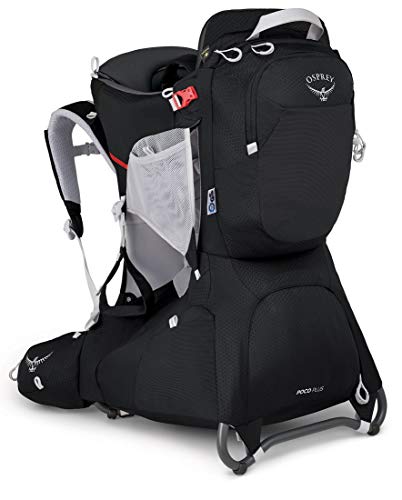
- Soft-structured baby carrier or framed hiking backpack

- Lightweight travel stroller (all-terrain if possible)
- Portable blackout shades or window covers for car naps
- White noise machine or mobile app
- Comfort items (blanket, stuffed animal, pacifier)
- Portable crib or travel playpen
- Compact travel booster or clip-on high chair
Health and Safety Essentials
You’ll be far from pharmacies and clinics in some areas, so pack accordingly.
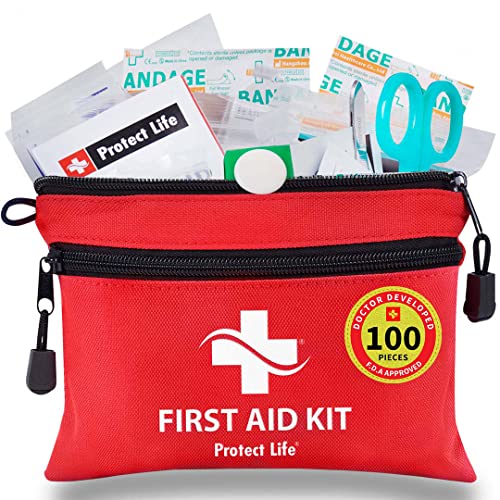
- Fully stocked first-aid kit with toddler-specific supplies
- Daily medications, teething gel, or allergy treatments
- Thermometer, bug spray for kids, and lip balm with SPF
- Emergency contact card in your toddler’s daypack
- Small trash bags for diapers or quick cleanups
Entertainment and Navigation
Long drives are a big part of a Southwest national park road trip, so boredom-busters are essential.
- Toddler-friendly audiobooks, songs, and story podcasts
- Books, sticker pads, and small toys for the car
- Binoculars or magnifying glass for trail exploration

- Downloaded offline maps (Google Maps or Gaia GPS)
- Paper maps for areas with no service
- Storage bin or bag to keep toys and essentials organized
On-the-Go Hygiene
Plan for messes, potty stops, and diaper duty in remote areas.
- Diapers or training pants and a full pack of wipes
- Wet bag for soiled clothes
- Travel potty or potty seat insert
- Extra outfit for accidents or messy hikes
- Disposable changing pads and hand sanitizer
This checklist will help you stay prepared and confident as you navigate your Southwest national park road trip with toddlers. Customize it to your family’s needs, and you’ll be ready for red rock trails, scenic drives, and all the beautiful chaos that comes with adventuring as a family.
Safety Tips for Traveling With Toddlers
Traveling with little ones means thinking ahead to avoid common hiccups. These safety tips will help keep your toddler comfortable and secure on the road and trail.
Start Early and Rest Often
Plan hikes and drives for the early morning when temperatures are cooler and trails are less crowded. Build in time for rest stops, snacks and naps, as toddlers won’t thrive on a rushed schedule. An overstimulated or overtired child can quickly turn even the most beautiful spot into a meltdown zone.
Choose Safe Parking Options During Long Drives
When stopping for the night or long breaks, opt for secure, well-monitored parking areas to keep your little one safe. Look for places with cameras, lighting, and visibility from a staffed front desk or nearby business. Just having security cameras within view can deter crime and provide peace of mind. Avoid secluded rest areas or dark, quiet lots as they may increase your vulnerability to theft or unwanted attention.
Use a Baby Carrier or Backpack Wisely
Many trails aren’t stroller-friendly, so having a soft-structured carrier or hiking backpack can make exploring easier. Always ensure the straps are snug and the product provides good head and neck support, especially for younger toddlers.
Stay Hydrated and Sun-Protected
Desert parks in the Southwest can be deceptively dry and hot, even in spring or fall. Make sure your toddler drinks water frequently — even if they say they’re not thirsty. Be sure they wear wide-brimmed hats, lightweight clothing and sunscreen with at least SPF 30 for optimal protection.
Watch Edges and Cliffside Trails
Some viewpoints and trails — particularly in parks like Bryce and the Grand Canyon — have steep drop-offs. Always keep toddlers in hand or secured in a carrier when near cliffs, and avoid letting them run ahead.
Pack a Well-Stocked First-Aid Kit
Accidents happen, even on short hikes. Bring a compact kit with toddler essentials like adhesive bandages, toddler-safe antiseptic wipes, tweezers, bug bite relief and a small digital thermometer. Don’t forget any medications your child might need, like allergy treatments or teething relief.
Prepare for No Cell Signal
Many national parks have limited or no phone service. Download maps in advance, let someone know your itinerary and keep a paper map on hand just in case. In an emergency, knowing exactly where you are can make a big difference.
Make the Most of Your Southwest National Park Road Trip With Toddlers
A Southwest national park road trip with toddlers is not only possible — it’s packed with opportunities to connect as a family, slow down your travel pace, and witness some of America’s most breathtaking natural wonders through your child’s eyes.
From accessible trails in Zion to rim walks at the Grand Canyon and sandy play spots in Monument Valley, this route is filled with experiences that balance exploration and ease. By planning ahead and keeping your schedule flexible, you can enjoy a family road trip that’s as rewarding for the grownups as it is for the little ones.
Whether you choose the 10-day itinerary or stretch it to 14 days, this guide equips you to travel confidently, pack smart, and create lasting memories. So buckle up, grab your snacks and hiking carriers, and hit the road — the ultimate Southwest national park road trip with your toddler is waiting.
FAQs – Southwest National Park Road Trip with Toddlers
- Q: What is the best time of year to take a Southwest national park road trip with toddlers?
A: Spring (March–May) and fall (September–October) are ideal. Temperatures are milder, crowds are smaller, and toddler-friendly trails are more comfortable to explore during these seasons. - Q: How many days should we plan for a Southwest national park road trip with young kids?
A: A 10- to 14-day itinerary is recommended for families with toddlers. It allows enough time for slow travel, regular breaks, and meaningful experiences at each national park. - Q: Are there stroller-friendly trails in the Southwest’s national parks?
A: Yes. Zion’s Pa’rus Trail, Bryce Canyon’s Rim Trail (Sunrise to Sunset Point), and parts of the Grand Canyon’s South Rim Trail are stroller-accessible and toddler-friendly. - Q: Is it better to camp or stay in hotels during a national park road trip with toddlers?
A: For most families with young children, hotels, motels, or cabins offer more comfort and convenience. Staying in towns like Springdale, Moab, and Tusayan allows access to kid-friendly amenities. - Q: What should I pack for a Southwest national park road trip with a toddler?
A: Essentials include sun protection (hats, sunscreen), hydration gear, a baby carrier or hiking backpack, snacks, a travel potty or training seat, layers for changing weather, and a first-aid kit. - Q: How can I keep my toddler entertained during long drives between parks?
A: Bring audiobooks, toddler music playlists, interactive toys, snacks in divided containers, and make frequent scenic stops where kids can stretch, explore, or play. - Q: Is it safe to take a toddler to the Grand Canyon?
A: Yes — the South Rim has paved paths with railings, and activities like the Junior Ranger Program and the Yavapai Geology Museum are perfect for toddlers. Always keep children close near viewpoints. - Q: Which national parks in the Southwest are the most toddler-friendly?
A: Zion, Bryce Canyon, and the South Rim of the Grand Canyon are particularly toddler-friendly due to their flat trails, accessible facilities, and nearby accommodations. - Q: Can I do a Southwest national park road trip without cell service?
A: Many parks have limited or no reception. Download offline maps in advance, carry a paper map, and let someone know your itinerary before heading into remote areas.
+++BEFORE using this information, please read our Legal Disclaimer+++