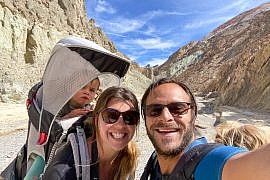


Travel for Students: How to Organize a Trip
Travel for students can be an enriching experience that offers a practical education that complements the theoretical knowledge they gain from their in-classroom experiences.
Beyond the classroom walls, student travel promotes personal development and provides a broader world perspective, fostering independence, cultural appreciation, and adaptability. But how can a student, often strapped for cash and time, organize a trip efficiently and affordably?
Here’s a guide to help you plan an unforgettable journey without breaking the bank.
If you have any questions/comments about all of this, feel free to leave them below.
Table of Contents
Travel For Students Starts With A Plan
First and foremost, begin with a clear and flexible plan. Decide on your destination, the duration of your stay, and what you wish to gain from the experience. Remember, a well-organized trip doesn’t mean a rigid schedule. It’s about having a structured outline while allowing for spontaneity and unforeseen opportunities.
Remember, the planning stage is also the perfect time to scout for resources, such as essays for sale online, which can ensure your academic responsibilities are handled if you encounter unforeseen circumstances, allowing you to travel with peace of mind. For instance, you can pay for homework to get guaranteed results, freeing up time to focus on preparing your trip, packing, or even learning a few phrases in a new language. Additionally, keep an eye out for travel deals to make your trip more affordable. Additionally, keep an eye out for travel deals to make your trip more affordable.
Here are a few steps to get you started:
- Set your objectives: What do you want to achieve with this trip? Is it language acquisition, volunteer work, or just relaxation? Be clear about your goals, as they will shape your itinerary and the activities you prioritize.
- Research: Use all available resources to learn about your destination. Read travel blogs, and guidebooks, and talk to friends who have been there to gather as much information as possible.
- Budgeting: Calculate your expected expenses and find ways to save. Look into student discounts, consider alternative accommodations like hostels or Couchsurfing, and consider what you can do for free at your destination.
- Itinerary Planning: Draft a loose itinerary based on your research, taking note of the places you want to visit and how much time you might spend in each one. Remember to leave room for spontaneity and rest – overpacking your schedule can lead to burnout.
Amid the whirlwind of travel preparations, students shouldn’t neglect their academic duties. While it’s not a long-term sustainable approach, on occasion resorting to essays for sale, it’s possible to secure quality written work that can jumpstart independent work.
Budgeting For Your Adventure
Money is often the biggest constraint for students who are traveling while studying. Crafting a budget should be one of your first tasks. There are numerous discounts and deals available for students — you just have to find them! In addition to saving on travel expenses, look into college essays for sale to save on academic services, ensuring your assignments are completed even when you’re exploring new horizons. While travel for students shouldn’t mean neglecting academics, unexpected situations arise.
To manage your finances, consider these tips:
- Travel Off-Peak: Airfare and accommodations are cheaper during off-peak seasons.
- Student Discounts: Always ask for student discounts when booking flights, trains, and hostels.
- Daily Budget: Set a daily spending limit and stick to it.
- Empty Leg Flights: You can often save quite a bit on airfare by taking advantage of empty leg flights.
Packing Essentials Is Key For Travel For Students
Packing for a trip can be daunting, but it doesn’t have to be. The key is to pack light and smart. Consider what is essential for your trip and what can be left behind. Meanwhile, for your academic life, utilizing online essays for sale can lighten your workload, giving you one less thing to worry about while you’re away.
Your packing list should include:
- Travel Documents: Passport, ID, student cards, and necessary visas. Ensure these are kept in a secure but accessible place, as you’ll need them frequently throughout your travels.
- Clothing: Versatile and layer-able clothing suitable for your destination. Aim for items that can be mixed and matched, saving space while maximizing outfit possibilities. Accessories such as tanzanite jewelry can add a touch of elegance and uniqueness to your travel wardrobe.
- Tech Gadgets: Smartphone, charger, and any other necessary gadgets. Also, consider a power bank for those long days of exploration where a power outlet may be out of reach.
- Health and Hygiene: Pack a small kit with personal medications, basic first-aid supplies, and toiletries — a little preparation can go a long way in keeping you healthy and comfortable.
Making The Most Of Your Journey
Once you’ve planned, budgeted, and packed, it’s time to make the most of your trip. Travel is about experiences, not just sightseeing. Immerse yourself in the local culture, try new foods, and interact with locals. If your academic workload is still a concern, look into online essays for sale to keep your studies on track while you soak in new experiences.
Ways To Enhance Your Travel Experience
- Local Interaction: Engage with the local community for an authentic experience. Strike up conversations at a neighborhood café, join a community project, or spend time in local markets. These interactions can offer insights into the daily lives of the locals and enrich your understanding of their culture.
- Cultural Events: Participate in or observe local festivals and traditions. Such events are often the heartbeat of culture, offering a colorful and lively way to learn about the heritage and customs that textbooks cannot convey.
- Learning Opportunities: Take a short course or workshop related to your destination. Whether it’s a cooking class to master local cuisines or a dance workshop to sway with the region’s rhythms, these activities can add a layer of engagement and proficiency to your travel experience.
Travel For Students Is All About Staying Safe and Healthy
The well-being of a student traveler is paramount. Travel for students means staying safe and being aware of your surroundings, keeping your belongings secure, and having contingency plans in case of emergencies. Health-wise, ensure you have the necessary vaccinations, a basic first-aid kit, and travel insurance.
Always remember:
- Emergency Info: Keep a list of emergency contacts and addresses, including local emergency services, the nearest embassy or consulate, and family back home. It’s also wise to have a digital copy of these contacts accessible through email or a cloud service.
- Local Laws: Be aware of and adhere to local laws and customs. Research these before you go, as ignorance can lead to uncomfortable situations or, worse, legal troubles. It’s not just about following the law; it’s about respecting the culture you’re visiting.
- Regular Check-Ins: Maintain regular communication with someone back home. This ensures that in an emergency, someone knows your whereabouts and can alert authorities if you go silent unexpectedly.
- Health Precautions: Have a plan for medical emergencies, including knowing where the nearest hospital is and how to say basic health-related terms in the local language. Always carry your health insurance information and understand what services it covers internationally.
Travel For Students – Final Takeaways
Travel for students can be a thrilling adventure but one that requires careful planning and an open mind. While organizing your travels, remember to align your educational obligations by taking advantage of services like cheap essays for sale, if you’re in a pinch, to maintain your academic standing if you find yourself unexpectedly unable to complete the work entirely on your own. With a good balance, you can make your student travel a cornerstone of your educational and personal development.
FAQs – Travel For Students
- Q: Why is travel for students considered an enriching experience?
A: Travel for students offers hands-on learning beyond the classroom, fostering independence, cultural appreciation, adaptability, and personal growth. It provides practical life lessons that complement academic education and broaden one’s worldview. - Q: How should students begin planning their trip?
A: Start by setting clear objectives for your trip—whether it’s cultural immersion, volunteer work, or relaxation. Research your destination thoroughly, create a flexible itinerary, and consider budgeting early. Use available resources like travel blogs, student forums, and guides to make informed decisions. - Q: How can students balance travel and academic responsibilities?
A: Students can manage both by organizing their study schedules ahead of time and using academic support resources when necessary. Services like essays for sale can help handle schoolwork efficiently during travel, allowing students to stay focused on the trip without compromising their academic performance. - Q: What are the key steps in budgeting for student travel?
A: Begin by calculating your total expected costs and finding savings opportunities through student discounts and deals. Travel off-peak, set a daily spending limit, and look into affordable accommodations like hostels or homestays. Always keep an emergency fund for unexpected expenses. - Q: How can students save money while traveling?
A: To stretch your budget, take advantage of student travel discounts, travel during off-peak seasons, use public transportation, cook some of your own meals, and look for free attractions such as parks and museums. You can also explore empty leg flights for cheaper airfare options. - Q: What should students include in their travel packing list?
A: Pack light and smart. Bring essentials such as travel documents, IDs, student cards, and necessary visas. Include versatile clothing, tech gadgets like a phone and charger, health and hygiene supplies, and personal medications. Don’t forget to pack a power bank and a small first-aid kit. - Q: How can students make the most of their travel experience?
A: Immerse yourself in the local culture—try new foods, attend cultural events, and engage with locals. Participate in workshops or short courses like cooking or art classes. Prioritize meaningful experiences over a jam-packed itinerary to make lasting memories. - Q: How can local interaction enhance a student’s trip?
A: Engaging with locals offers authentic insights into their way of life, beliefs, and values. Whether through casual conversations, volunteering, or visiting community spaces, these interactions deepen cultural understanding and foster meaningful cross-cultural connections. - Q: What are important safety and health tips for student travelers?
A: Keep emergency contacts handy, know local laws and customs, and check in regularly with family or friends back home. Carry health insurance details, know the location of nearby medical facilities, and stay aware of your surroundings to avoid unsafe situations. - Q: What are the key takeaways for successful student travel?
A: Plan ahead, budget wisely, pack smart, and prioritize safety. Maintain balance by managing your academic duties alongside your adventures. When well-organized, travel for students becomes a rewarding experience that supports both personal and educational growth.
+++BEFORE using this information, please read our Legal Disclaimer+++