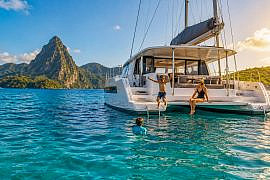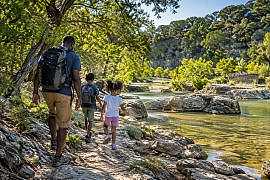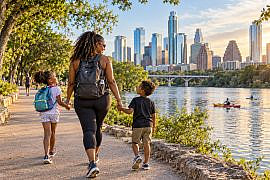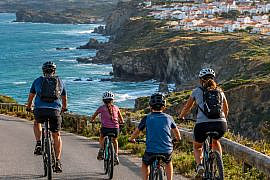


A Vietnam family tour invites you to slow down, look up, and share the wonder of a place where everyday life flows from lantern-lit lanes to limestone bays and terraced hillsides. You will find moments that spark curiosity in your kids and calm in you—morning markets, friendly hellos, and long views over green valleys.
This guide is designed to help you turn inspiration into a plan. With clear tips on timing, routes, transport, safety, and culture, you can choose experiences that fit your family’s pace. Use it to build a trip that balances discovery and rest, city energy and countryside quiet, so each day feels purposeful and memorable.
If you have any comments/questions, please leave them below.
Table of Contents
Practical Tips for Planning a Vietnam Family Tour
A Vietnam family tour can be one of the most rewarding ways to explore Southeast Asia, offering a mix of cultural learning, natural beauty, and everyday adventure. To make the most of your trip, it helps to plan with both logistics and family needs in mind. Understanding when to visit, how to move around the country, and what to expect on arrival can make the journey smoother and more enjoyable for everyone.
Best Time to Visit Vietnam with Kids
Vietnam’s long shape means weather varies from north to south. Choosing the right season for your Vietnam family tour depends on which regions you plan to visit.
- Northern Vietnam (Hanoi, Ha Long Bay, Sapa): The best time is from October to April, when the weather is cooler and drier.
- Central Vietnam (Hue, Hoi An, Da Nang): February to August typically brings the most sunshine and least rain.
- Southern Vietnam (Ho Chi Minh City, Mekong Delta, Phu Quoc): December to April is the dry season, ideal for outdoor exploration.
If you want to see the whole country in one trip, March and April often offer the best overall weather balance.

Entry Requirements and Family Travel Documents
Before beginning your Vietnam family tour, check visa requirements for your nationality. Many visitors can apply for an e-visa through the official Vietnamese government portal (https://evisa.xuatnhapcanh.gov.vn), which allows for a 30-day stay. Make sure passports are valid for at least six months beyond your planned departure date.
Families traveling with young children should carry:
- Digital and printed copies of passports
- Extra passport photos for visa or permit extensions
- Copies of birth certificates if officials ask for proof of parentage
It’s also a good idea to register your trip with your home country’s travel advisory service for added peace of mind.
Recommended Trip Length and Route
A two- to three-week Vietnam family tour allows enough time to experience the country without rushing. Below is a suggested route that balances travel time and family-friendly activities:
- Hanoi (3–4 days): Introduce your family to Vietnam’s energy, street food, and history.
- Ha Long Bay (2 days): Take an overnight cruise to explore the limestone islands.
- Hue (2 days): Learn about Vietnam’s imperial past and relax along the Perfume River.
- Hoi An (3–4 days): Enjoy the lantern-lit nights, cycling, and cooking classes.
- Mekong Delta (2 days): Visit floating markets and local workshops.
- Sapa (2–3 days): Hike among rice terraces and experience local village life.
This route can be adjusted based on flight availability or the age of your children. If your family prefers a slower pace, consider focusing on either northern or southern Vietnam rather than covering the entire country.
Getting Around Vietnam
Vietnam’s infrastructure has improved greatly in recent years, making it easier to travel between destinations. Still, planning ahead will help minimize delays and fatigue.
Domestic Flights:
Flying between major cities such as Hanoi, Da Nang, and Ho Chi Minh City is the quickest way to cover long distances. Airlines like Vietnam Airlines and VietJet Air offer multiple daily flights, and fares are often reasonable when booked in advance.
Trains:
The Reunification Express runs the length of the country from Hanoi to Ho Chi Minh City. While slower than flying, overnight sleeper trains can be a memorable part of a Vietnam family tour. They’re especially convenient for routes like Hanoi to Hue or Hanoi to Sapa.
Private Drivers and Transfers:
Hiring a private driver or joining guided transfers between nearby destinations (e.g., Hue to Hoi An) provides flexibility and comfort. Car seats are not always standard, so families with young children may want to bring a travel booster or portable seat.
Safety, Health, and Comfort
Vietnam is considered one of the safer destinations in Asia for families. Still, a few preparations can make your trip more comfortable:
- Pack sunscreen, mosquito repellent, and lightweight long-sleeved clothing for outdoor activities.
- Carry rehydration packets or electrolyte powders to prevent dehydration in humid weather.
- Tap water is not safe to drink; use bottled or filtered water instead.
- Bring basic over-the-counter medicines for minor ailments.
- Register with a travel health clinic before your trip to check vaccination recommendations.
For added protection, consider purchasing comprehensive travel insurance that covers medical care, evacuation, and trip interruptions.
Staying Connected
Reliable connectivity can make a Vietnam family tour easier to navigate. An eSIM allows you to access maps, translation apps, and travel booking tools without hunting for Wi-Fi. Providers such as Holafly, Airalo, and ESIM Today offer packages that activate instantly and work across regions. Families can also download offline maps in Google Maps for backup navigation.
Cultural Preparation and Family Etiquette
Vietnamese culture values respect, modesty, and friendliness. Learning a few simple customs helps children interact confidently and respectfully:
- Teach kids to remove shoes when entering homes or temples.
- Dress modestly when visiting religious or historical sites.
- A polite “xin chào” (hello) or “cảm ơn” (thank you) goes a long way.
- Avoid public displays of frustration or anger.
Families who prepare for these norms often find it easier to connect with locals and create more positive experiences throughout their journey.
Final Planning Tips
- Download the Grab app for rides within cities—it’s Vietnam’s equivalent of Uber.
- Book accommodations with family rooms or on-site pools to help kids unwind.
- Keep small bills handy for street food, taxis, and tipping.
- Carry a small backpack with essentials like tissues, hand sanitizer, and snacks for long sightseeing days.
Careful preparation turns a Vietnam family tour from a complex trip into a seamless experience. With thoughtful planning, you can focus less on logistics and more on enjoying the shared adventure of exploring Vietnam together.
Exploring Hanoi’s Old Quarter

Hanoi’s Old Quarter is busy in the best way. Scooters move past in every direction, shopkeepers call out, and narrow streets wind into corners filled with food and crafts. Exploring it with kids may feel overwhelming at first, but soon you see that energy is part of the charm.
Staying connected helps when navigating crowded streets or finding a family-friendly place to eat. A Vietnam esim makes it simple to check maps, use translations, or book tickets without worrying about Wi-Fi. Having that convenience saves time and makes the day run more smoothly.
The Old Quarter also shows how history and daily life meet. Temples stand between coffee shops, and traditional craft stores sit beside modern boutiques. Families often end up talking about how old and new mix together in one place. That blend of culture is what makes Hanoi such an engaging first stop.
Family Travel Tips: Navigating Vietnam with Kids
A Vietnam family tour offers endless opportunities for cultural connection and outdoor adventure, but traveling with children requires extra planning. From navigating Hanoi’s bustling streets to exploring rural villages, these tips will help you balance comfort, safety, and spontaneity. When you know what to expect, you can focus more on shared experiences and less on logistical stress.
Moving Through Busy Streets Safely
Cities such as Hanoi and Ho Chi Minh City are famous for their energetic traffic and narrow sidewalks. While this energy is part of the adventure, it can also be intimidating at first, especially for families with younger children.
- Teach your children to hold hands and move together as a group.
- Cross streets slowly and steadily—drivers anticipate your path and adjust, but sudden stops can be confusing.
- Choose walking routes early in the day when traffic is lighter.
- Avoid rush hour (7–9 a.m. and 5–7 p.m.) whenever possible.
For families with toddlers, baby carriers are usually more practical than strollers in older parts of cities where sidewalks are uneven or crowded. Some modern areas like Da Nang’s waterfront or Hoi An’s pedestrian zones are more stroller-friendly and offer open spaces to pause and rest.
Keeping Children Comfortable in the Climate
Vietnam’s climate is generally warm and humid, and adjusting to it can take a few days. Keeping children hydrated and protected from the sun will make each day smoother.
- Carry reusable water bottles and refill them with filtered or bottled water.
- Take mid-day breaks indoors during the hottest hours (11 a.m.–2 p.m.).
- Use lightweight, breathable clothing and wide-brimmed hats.
- Bring a cooling towel or handheld fan for younger children.
Families visiting northern regions like Sapa in winter should pack light jackets, as temperatures can drop significantly in the mountains.
Finding Family-Friendly Food and Snacks
Food is one of the highlights of any Vietnam family tour, but young travelers may need time to adjust to new flavors. Fortunately, Vietnamese cuisine offers many mild, fresh, and kid-friendly options.
- Simple dishes like pho ga (chicken noodle soup) and com tam (broken rice with grilled meat) are familiar and easy for children to enjoy.
- Fresh fruit stands sell bananas, mangoes, and pineapples—great for snacks between meals.
- Many restaurants happily adapt dishes to be less spicy if you ask.
- Carry small packaged snacks from home for bus rides or long excursions.
Parents can also find Western-style meals in larger cities, which can be useful when children need a familiar option.
Health, Hygiene, and Restroom Access
Traveling in Vietnam with kids can mean long days outdoors, so planning for hygiene and bathroom breaks keeps everyone more comfortable.
- Public restrooms are less common outside tourist areas. Encourage children to use facilities at restaurants or attractions before leaving.
- Carry tissues, hand sanitizer, and small plastic bags for emergencies.
- Encourage frequent handwashing, especially before meals.
- Choose restaurants where food is freshly cooked and served hot.
Families with sensitive stomachs may want to start with milder street food options or eat at well-reviewed local spots. Websites such as Rough Guides (https://www.roughguides.com/vietnam/) often list family-friendly and reliable restaurants in each city.
Managing Transportation with Kids
Getting around Vietnam can be part of the adventure when planned carefully. Whether you’re traveling by train, car, or boat, a few strategies can make the journey more enjoyable.
- On long drives, stop every two to three hours for rest and movement.
- Bring coloring books, audiobooks, or downloaded shows for downtime.
- For shorter distances, use the Grab app instead of taxis—it’s often safer and easier to confirm fares.
- If you’re traveling by train or overnight bus, choose sleeper options so kids can rest comfortably.
When booking tours or transfers, confirm whether car seats are available. If not, lightweight portable boosters are a good alternative for younger children.
Introducing Kids to Vietnamese Culture
Vietnamese people are generally warm and welcoming toward families. Helping your children understand local customs makes interactions smoother and more meaningful.
- Encourage polite greetings like “xin chào” (hello) and “cảm ơn” (thank you).
- Explain the importance of removing shoes before entering temples or homes.
- Show respect by keeping voices low in religious or historical sites.
- Talk about cultural differences in advance so children can observe with curiosity rather than surprise.
Including your children in these cultural exchanges adds richness to your Vietnam family tour. It transforms the trip from simple sightseeing into a shared learning experience.
Planning Rest and Downtime
Balancing exploration with relaxation helps avoid burnout. Children need time to recharge just as much as adults.
- Schedule no more than one major activity per day.
- Build in free afternoons for pool time, playground visits, or quiet reading.
- Choose accommodations with open outdoor spaces or family lounges.
- Keep travel days light—avoid booking long transfers on consecutive days.
Families who pace their trip thoughtfully often find that their children stay more engaged, patient, and curious.
Final Thoughts on Traveling Vietnam with Kids
Traveling through Vietnam with children can be both eye-opening and deeply rewarding. The country’s mix of natural beauty, local hospitality, and hands-on experiences invites families to explore together at a comfortable rhythm. With preparation, flexibility, and a spirit of curiosity, your Vietnam family tour can become a meaningful shared adventure that builds confidence, connection, and lifelong memories.
Cruising Through Ha Long Bay
Ha Long Bay looks like something out of a story. Limestone cliffs rise from green waters, and boats glide between them as if moving through a painting. Kids often see shapes in the rocks, calling them dragons or castles. It sparks imagination and makes the scenery more memorable.
A family cruise gives a steady rhythm to the day. Kayaking, swimming, and short visits to fishing villages keep things active without being overwhelming. Many families choose an overnight boat that allows them to wake up surrounded by the bay’s beauty. Parents get a chance to pause while children stay entertained.
Evenings on the water bring a different kind of beauty. The sun sets behind the cliffs, and the bay turns shades of pink and gold. At night, the sky opens with stars that shine more brightly than anywhere else. Watching it together is often the quiet highlight of the trip.
Learning History in Hue

Hue, the old capital, is filled with history. The Imperial City, with its gates and courtyards, feels like stepping back in time. Families wander through the grounds while imagining what life was like during the rule of emperors. The setting makes history easier to picture and understand.
For children, the size of the walls and palaces is enough to inspire curiosity. They often ask questions about who lived there or what ceremonies took place. Parents find themselves telling stories in a way that feels natural and engaging.
After exploring the city, a boat ride on the Perfume River adds variety to the day. Pagodas along the banks give quiet spots to visit, and the slower pace helps balance the morning’s activity. Hue offers both discovery and calm in equal measure, and hiring a local tour guide makes the experience even more insightful.
Lantern Nights in Hoi An

Hoi An glows at night with hundreds of lanterns. Their colors reflect across the river and light up the streets in ways that feel magical. Families often take evening walks here, stopping to release a lantern into the water or simply watch the scene unfold.
Daytime in Hoi An has its own charm. Renting bikes is one of the easiest ways to see the town and its surroundings. Kids enjoy the open paths through rice fields, while adults appreciate the quieter streets lined with cafés. For added fun, you can ride the famous cable car nearby to see sweeping views of the countryside.
Food is another reason families enjoy Hoi An. Cooking classes offer a chance to roll spring rolls, stir fragrant broths, and learn recipes from locals. A Vietnamese cookery lesson is not only entertaining but also teaches techniques you can use at home. Children often love being part of the process, especially when they get to taste what they made.
Floating Through the Mekong Delta
The river shapes the Mekong Delta. Boats carry goods, families, and food across waterways that act as floating streets. Some of these are Vietnamese wooden boats, built for both durability and beauty. Seeing this way of life fascinates children, who are quick to notice the differences from their own routines.
Floating markets bring the most excitement. Boats loaded with fruit and vegetables move past each other as sellers call out their goods. The mix of color, sound, and motion turns the market into a moving celebration.
Outside the markets, smaller villages invite you to slow down. Families often stop to watch coconut candy being made or try fruit fresh from a local farm. It’s also easy to book visits with tour companies that specialize in family-friendly experiences.
Trekking in Sapa

Sapa’s rice terraces spread across the hills like giant green steps. Walking the trails here feels refreshing, with open views and cool air that replace the pace of the city. Families notice details as they go, from buffalo in the fields to farmers carrying baskets along the paths.
Kids often point out small animals or unusual plants, turning the walk into a game. Parents enjoy the slower rhythm that lets everyone take in the views. Traveling by sleeper train from Hanoi to Sapa adds a layer of excitement, especially for kids who enjoy the novelty of sleeping on a moving train.
Homestays make the experience richer. Spending a night with a local family offers stories, shared meals, and a closer look at everyday life. These moments help children see how people live differently, but with the same focus on family. Sapa is also known for its natural beauty, which makes the journey even more rewarding.
Sharing Vietnam’s Food
Food in Vietnam is more than fuel. Families gather around bowls of pho in small shops or grab banh mi from street carts. Each meal feels like part of the trip’s story. Eating together becomes as important as sightseeing.
Children often surprise parents by being open to new flavors. Fresh juices, tropical fruits, and savory snacks catch their attention. These small discoveries keep travel exciting and playful. Sharing them makes mealtime something everyone looks forward to.
Food also creates a connection through learning. Cooking classes or market tours introduce dishes that bring families together at the table. Tasting cuisines from different regions adds another layer to the journey, showing how food tells the story of a place and its people. Exploring Vietnamese cuisine this way gives families a richer sense of culture and tradition.
Slowing Down in the Countryside
The countryside offers space to slow down. Wide fields stretch toward the horizon, rivers move quietly, and small villages carry their own rhythm. Families find time here to rest and reconnect. It is often the moments away from the crowds that stand out most.
Simple activities bring joy. Bike rides through villages, picnics near rivers, or evening walks give children freedom and parents peace of mind. Using local transport adds authenticity and makes the experience more interactive. The quiet setting makes it easier to notice the details that get missed in busier places.
Travel in the countryside also sparks new conversations. Children ask questions about farming or village life, and parents get the chance to explain. The slower pace makes room for these talks to unfold naturally. Families who visit places like Ninh Binh or the temple complex at My Son, both listed as UNESCO World Heritage sites, find even deeper cultural experiences that connect them to Vietnam’s past.
Final Words
A Vietnam family tour is less about checking sights and more about collecting shared moments—crossing a busy street together in Hanoi, gliding past karsts on still water, tasting new flavors at a market, and watching your kids find their stride on a trail. When you pair thoughtful planning with a flexible mindset, Vietnam meets you with warmth and variety.
Choose a route that suits your season, add space for downtime, and let the details in this guide do the heavy lifting. The result is a trip that strengthens connections, invites learning, and leaves you with stories your family will tell for years.
FAQs – Vietnam Family Tour
- Q: When is the best time to go on a Vietnam family tour?
A: The best time for a Vietnam family tour depends on where you plan to visit. Northern Vietnam, including Hanoi and Ha Long Bay, is most comfortable from October to April when the weather is cooler and dry. Central Vietnam, such as Hue and Hoi An, is ideal from February to August, while southern destinations like the Mekong Delta and Phu Quoc are best from December to April. March and April often provide the most balanced weather for a trip covering multiple regions. - Q: How long should a Vietnam family tour last to see the highlights without rushing?
A: Two to three weeks is an ideal duration for a Vietnam family tour. This timeframe allows families to explore key regions at a relaxed pace—spending a few days in Hanoi, cruising Ha Long Bay, visiting Hue and Hoi An, and ending with the Mekong Delta or Sapa. Families with younger children may prefer focusing on either northern or southern Vietnam to reduce travel time. - Q: Is Vietnam safe for families traveling with children?
A: Yes, Vietnam is widely regarded as one of the safest countries in Asia for families. Violent crime is rare, and locals are generally warm and helpful toward visitors with children. Basic precautions such as watching traffic carefully, using bottled or filtered water, and practicing good food hygiene will help keep everyone healthy and safe throughout the trip. - Q: What are the best family-friendly activities to include in a Vietnam family tour?
A: A well-rounded Vietnam family tour can include cultural and outdoor activities for all ages. Popular options include kayaking through Ha Long Bay, taking a cooking class in Hoi An, exploring the Imperial City of Hue, riding bicycles through the countryside, and hiking Sapa’s rice terraces. Visiting floating markets in the Mekong Delta is another favorite, especially for kids who enjoy colorful, lively scenes. - Q: How should families travel between destinations in Vietnam?
A: Domestic flights are the fastest way to cover long distances, especially between Hanoi, Da Nang, and Ho Chi Minh City. For shorter routes, such as Hue to Hoi An, hiring a private driver provides comfort and flexibility. Families looking for memorable experiences can also ride overnight sleeper trains, like the Reunification Express, which are particularly exciting for children. - Q: What should families pack for a Vietnam family tour?
A: Pack lightweight, breathable clothing suitable for warm and humid conditions, along with a few layers for cooler northern regions like Sapa. Include sunscreen, mosquito repellent, hats, rehydration packets, and basic first-aid items. Comfortable walking shoes are essential for exploring cities and trails. It’s also smart to bring hand sanitizer, tissues, and small snacks for long travel days. - Q: How can families stay connected while traveling through Vietnam?
A: Using an eSIM is the easiest way to stay connected during a Vietnam family tour. Providers such as Holafly, Airalo, and ESIM Today offer instant activation and reliable coverage nationwide. An eSIM allows parents to access maps, book transport, and translate signs without relying on Wi-Fi, making navigation simpler and safer with kids. - Q: Are there family-friendly foods in Vietnam that children will enjoy?
A: Vietnamese cuisine includes many mild and fresh dishes that appeal to children. Favorites include pho ga (chicken noodle soup), banh mi (Vietnamese sandwiches), and fresh fruit like mangoes and pineapples. Many restaurants can adjust spice levels upon request. Larger cities also have international options for children who prefer familiar flavors. - Q: What cultural etiquette should families know before visiting Vietnam?
A: Respect and politeness are central to Vietnamese culture. Teach children to greet people with “xin chào” (hello) and “cảm ơn” (thank you), to remove shoes before entering homes or temples, and to dress modestly at religious sites. Maintaining calm and patience in public is appreciated, as showing frustration can be seen as disrespectful. - Q: Do families need travel insurance for a Vietnam family tour?
A: Yes, travel insurance is highly recommended. Choose a plan that covers medical emergencies, trip cancellations, and evacuation if necessary. While Vietnam has good healthcare in major cities, having insurance ensures quick access to private clinics and peace of mind throughout the journey. - Q: What are some good destinations for relaxing at the end of a Vietnam family tour?
A: After exploring the cities and countryside, families often enjoy unwinding in beach destinations such as Da Nang, Nha Trang, or Phu Quoc. These spots offer calm beaches, family resorts, and easy access to nature-based activities like snorkeling and cycling, providing a gentle finish to a Vietnam family tour.
+++BEFORE using this information, please read our Legal Disclaimer+++