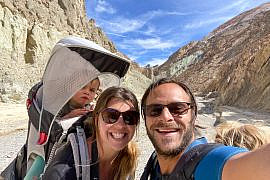


Traveling with aging parents can be deeply rewarding, but it usually works best when the trip is planned around comfort, flexibility, and realistic expectations rather than trying to keep the same pace you might use with younger adults. A few thoughtful adjustments can make the difference between a stressful family trip and one that everyone genuinely enjoys.

The goal is not to make the trip smaller or less adventurous. It is to remove unnecessary friction. That may mean shorter travel days, fewer hotel changes, more comfortable transportation, or simply accepting that everyone does not need to participate in every activity.
If you are planning a trip that includes grandparents, adult children, and younger kids, our guide to multigenerational travel ideas offers additional inspiration for building a trip around several generations at once.
If you have any comments/questions, please leave them below.
Table of Contents
Build the Trip Around Energy, Not Just Age
The best way to plan for aging parents is to focus on what they can comfortably do now rather than making assumptions based only on age.
One 75-year-old may be happy walking several miles a day, while another may find a long airport connection exhausting. Ask specific questions before the trip: How far are you comfortable walking? Are stairs difficult? Do you need more time in the morning? Would you rather rest after lunch than keep sightseeing?
Those answers are far more useful than simply deciding that everyone should “take it easy.” They let you build a schedule that is still active while avoiding preventable fatigue.

Plan one major activity per day
For many families, one meaningful activity each day is enough. A museum, scenic drive, boat trip, short hike, or guided tour can still make the day feel full once meals, transportation, and downtime are included.
Choose Accommodations That Reduce Daily Friction
Good accommodation choices can remove dozens of small problems before they happen.
Look beyond price and aesthetics. Elevators, walk-in showers, minimal stairs, on-site breakfast, nearby restaurants, easy parking, and a quiet room can matter far more on a multigenerational trip than a trendy location with difficult access.
Staying in one place for several nights is also usually easier than moving every day. Constant packing, checking out, driving, and checking in adds physical and mental fatigue for everyone, especially when medications, mobility aids, or extra luggage are involved.

Think about the room itself
If possible, ask about shower access, bed height, elevator reliability, hallway distance, and whether the property has seating areas outside the room. Small details can have a surprisingly large effect on comfort.
Slow Down Transportation Days
Travel days are often more tiring than sightseeing days, so build extra margin into flights, drives, and transfers.
Long airport walks, tight connections, unfamiliar train stations, and late-night arrivals can make a manageable trip feel difficult very quickly. When possible, choose direct flights, longer connection times, daytime arrivals, and transportation that does not require carrying luggage long distances.
For road trips, schedule more frequent stops than you might normally make. A short break every couple of hours can help with circulation, bathroom needs, stiffness, and general comfort without adding much time to the day.
Talk About Expectations Before the Trip
Many multigenerational travel problems begin before anyone leaves home because different family members imagine very different trips.
One person may picture full sightseeing days, another may want long lunches and slow mornings, and someone else may be focused mainly on spending time together. Talk about those expectations early so no one feels as though the trip is being controlled by someone else.

This is also where family dynamics can become more complicated. Aging parents may resist help, dislike changes to familiar routines, or react negatively when they feel decisions are being made for them. Adult children may become frustrated when they are trying to keep the trip moving.
Families dealing with that kind of tension may find it helpful to read more about how to cope with and understand negative elderly parents before the trip. Understanding where resistance, fear, frustration, or loss of independence may be coming from can make conversations about travel plans much easier.
Give everyone permission to opt out
One of the simplest ways to reduce conflict is to make it clear that everyone does not need to do everything together. A parent who skips an afternoon excursion is not ruining the family trip, and younger travelers do not need to abandon every active plan either.
Plan for Medications, Mobility, and Health Needs
Health planning does not need to dominate the trip, but it should happen before departure.
Keep medications in carry-on luggage, bring enough for unexpected delays, and make sure someone knows what is being taken and when. For international travel, carrying a written medication list and basic medical information can be useful if care is needed unexpectedly.
If walking assistance, airport wheelchair service, or mobility equipment would make the trip easier, arrange it rather than treating it as a last resort. Using support can preserve energy for the part of the day that actually matters.
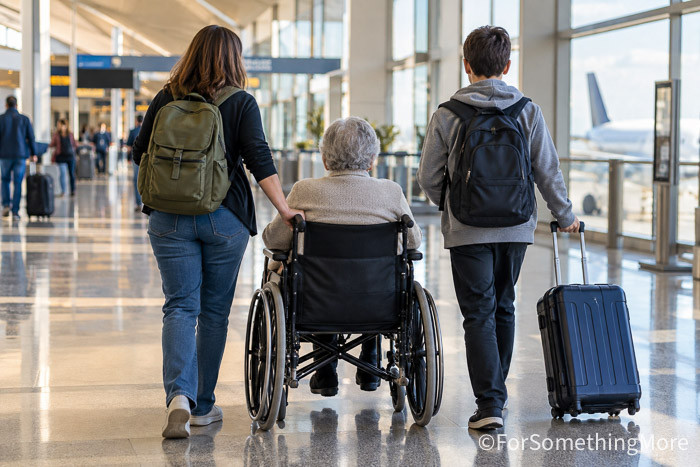
Travel insurance and medical coverage also deserve more attention when older relatives are traveling. The right policy depends on destination, existing coverage, and health history, so read exclusions carefully rather than assuming every policy covers the same situations.
Protect Downtime
Downtime should be part of the itinerary rather than something that happens only after everyone is exhausted.
A slow breakfast, an afternoon rest, time by the pool, or an early dinner can make the next activity far more enjoyable. This is especially important on trips involving younger children and older adults because both groups often benefit from a break in the middle of the day.
Do not feel obligated to fill every open hour simply because you traveled a long way. Some of the best multigenerational memories come from meals, conversations, scenic drives, and quiet time together rather than the headline attraction.
Choose Experiences That Let Everyone Participate Differently
The strongest multigenerational activities allow family members to share the same experience without requiring identical levels of physical effort.
Scenic boat rides, accessible overlooks, wildlife watching, food tours, museums, short nature trails, train rides, and guided driving tours can all work well because people can participate at their own pace.
If part of the family wants something more active, choose destinations where options overlap. A mountain town might offer a longer hike for some family members and a gondola or scenic viewpoint for others. A coastal destination might combine kayaking with a waterfront walk or café nearby.
This is one reason multigenerational travel can be so rewarding when it is planned well: everyone can experience the same place differently and still come back together afterward.

Frequently Asked Questions About Traveling With Aging Parents
- Q: How do you travel comfortably with elderly parents? A: Slow the pace, reduce hotel changes, allow extra transportation time, and build regular rest periods into the itinerary.
- Q: Should older parents use airport wheelchair assistance? A: If long walks or standing are tiring, wheelchair or mobility assistance can preserve energy and make airport connections less stressful.
- Q: How many activities should you plan each day? A: One major activity per day is often enough, especially when meals, transportation, and downtime are included.
- Q: What type of accommodation works best for aging parents? A: Look for elevators, easy bathroom access, minimal stairs, convenient dining, comfortable beds, and a location that reduces unnecessary walking.
- Q: How can families avoid arguments on multigenerational trips? A: Discuss expectations before departure, give everyone permission to skip activities, and avoid assuming the entire group must follow one schedule.
Traveling with aging parents becomes easier when comfort and flexibility are treated as part of the trip rather than limitations on it. Plan around the people who are actually traveling, leave room for different energy levels, and focus less on how much you can fit into each day and more on whether everyone is enjoying the experience together.
+++BEFORE using this information, please read our Legal Disclaimer+++