
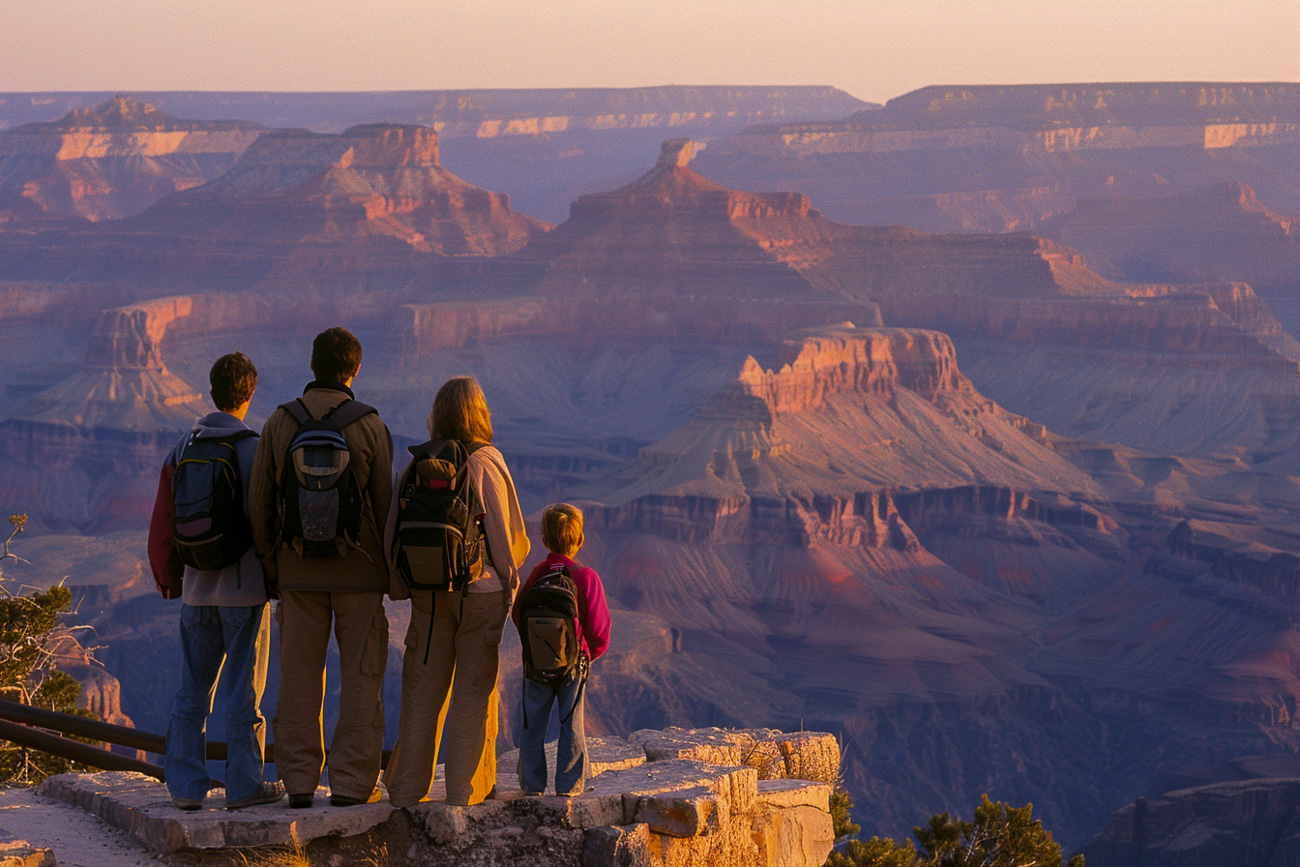
Multigenerational travel isn’t just a trip; it’s a way to weave your family’s stories together in real time. When grandparents, parents, and kids share the trail, the museum bench, or the beach at sunset, each moment takes on a depth you can’t plan for—but you can create the conditions for it.
With the right destination, a pace that respects different energy levels, and a touch of flexibility, you’ll make space for the quiet conversations, the big laughs, and the discoveries that connect generations. This guide gives you practical steps and inspiring ideas—from history-rich coastlines to wildlife-filled rivers and easy-access national parks—so you can plan Multigenerational Travel that feels both adventurous and effortless.
Pack your curiosity and an open schedule; the shared memories start here.
If you have any comments/questions, please leave them below.
Table of Contents
How to Plan a Smooth Multigenerational Trip
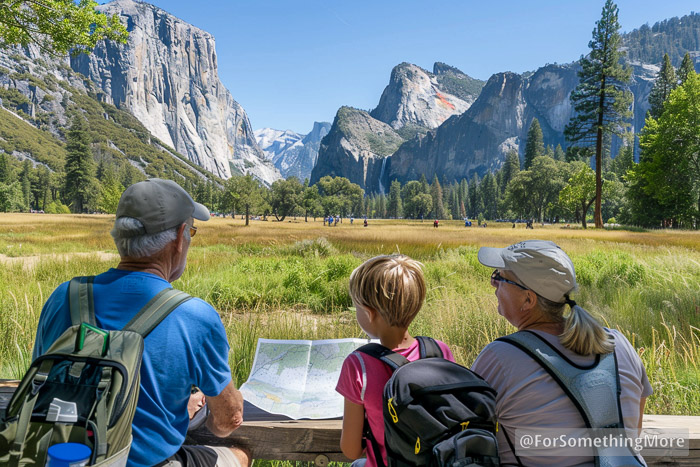
Planning a multigenerational travel experience takes more than just picking a destination and booking flights. When several generations are traveling together, each person brings unique interests, energy levels, and expectations. The most successful trips balance structure and flexibility, leaving room for shared adventures as well as individual downtime.
Planning a trip that keeps grandparents, parents, and kids equally engaged often works best when the schedule balances shared adventures with flexible downtime, making it easier for everyone to create meaningful memories together. Families documenting these experiences sometimes even partner with video production services Melbourne to preserve milestone moments from multigenerational travel in a more cinematic and lasting way.
Understanding Everyone’s Needs and Interests
Before you begin choosing where to go, take time to understand what each generation hopes to get out of the trip. This ensures everyone feels included and valued. Ask questions such as:
- What type of pace does everyone enjoy—active, relaxed, or a mix?
- Are there any physical limitations, mobility concerns, or dietary restrictions to consider?
- Which activities appeal most—outdoor adventure, culture, history, or beach relaxation?
Once you have everyone’s input, identify shared interests. For example, if grandparents enjoy nature and the younger members love animals, a national park or eco-lodge destination can meet both needs.
Choosing the Right Destination
A destination that accommodates a range of energy levels and interests is ideal for multigenerational travel. Look for places that:
- Offer accessible activities such as walking paths, scenic drives, or gentle hikes.
- Have lodging options that can house the group comfortably, such as villas, cabins, or family suites.
- Provide reliable healthcare facilities and convenient transportation options.
- Include opportunities for rest and exploration—perhaps a mix of cultural attractions and nature experiences.
Destinations such as U.S. national parks, European countryside towns, and regions with diverse ecosystems like Costa Rica or Portugal often work well because they balance adventure with comfort. To verify accessibility, consult official tourism websites or government travel resources such as Travel.State.Gov.
Coordinating Accommodation and Logistics
Where you stay can make or break a multigenerational trip. Prioritize accommodations that encourage togetherness but allow privacy when needed. Consider:
- Multi-room rentals: Family villas, condos, or cabins often cost less per person than multiple hotel rooms and allow shared meals and evening gatherings.
- On-site amenities: Pools, playgrounds, or nature trails can provide flexible activity options for various ages.
- Central locations: Staying near grocery stores, parks, or transportation hubs makes managing daily logistics easier.
If your family prefers hotels, look for properties with interconnecting rooms or family suites. Confirm accessibility features ahead of time, such as elevators or ground-floor rooms.
Balancing Activities and Downtime
Multigenerational travel works best when days include a mix of group outings and personal rest. Avoid overscheduling. Instead, plan one major activity per day—perhaps a hike, museum visit, or guided tour—and leave afternoons free for relaxation.
For example:
- Morning: Guided walking tour or wildlife viewing.
- Afternoon: Free time for swimming, reading, or napping.
- Evening: Family meal, storytelling, or light stroll.
This rhythm allows grandparents to recharge, parents to unwind, and children to burn energy without feeling rushed.
Budgeting and Managing Costs
Money can be a sensitive topic on family trips. Transparent communication early in the planning process prevents misunderstandings. A shared spreadsheet or budgeting app can help everyone track expenses.
Consider:
- Dividing costs proportionally based on income or family size.
- Booking group discounts for tours and accommodations.
- Traveling during shoulder seasons for lower prices.
- Cooking some meals together to reduce dining expenses.
By discussing finances openly, everyone feels comfortable and aligned before departure.
Building in Flexibility
Even with careful planning, multigenerational travel requires flexibility. Weather, energy levels, and unexpected opportunities can change plans quickly. Create a shared itinerary but leave blank spaces for spontaneity. Encourage family members to opt in or out of activities as needed.
If traveling internationally, ensure everyone has the correct travel documents, passports, and any required visas well ahead of time. Build in buffer days at the start and end of the trip to accommodate travel fatigue or delays.
Another important travel essential is reliable mobile connectivity. With unlimited eSIM data plans, families can stay connected for navigation, messaging, translation apps, and real-time travel updates without the hassle of swapping physical SIM cards or paying expensive roaming charges.
Prioritizing Safety and Comfort
Health and safety should remain central throughout planning. Carry a shared list of emergency contacts, medical information, and insurance details. If traveling with seniors or young children, consider travel insurance that includes medical evacuation coverage.
Pack according to climate and accessibility needs:
- Lightweight, layered clothing.
- Reusable water bottles.
- Comfortable shoes for walking or hiking.
- Personal medications and first-aid essentials.
Review local safety guidance, weather advisories, and health recommendations before departure.
Final Planning Tip
The best multigenerational travel experiences emerge when everyone feels seen, heard, and supported. By planning with empathy, organization, and flexibility, your family can enjoy a trip where each generation contributes to the shared story.
Destinations Perfect for Multigenerational Families
When planning multigenerational travel, variety and accessibility are key. The best destinations offer something for everyone—whether that’s cultural exploration, outdoor adventure, or quiet relaxation. Each location below provides opportunities for shared experiences that appeal to grandparents, parents, and children alike, while also allowing space for independent interests and rest.
Normandy WWII Tours
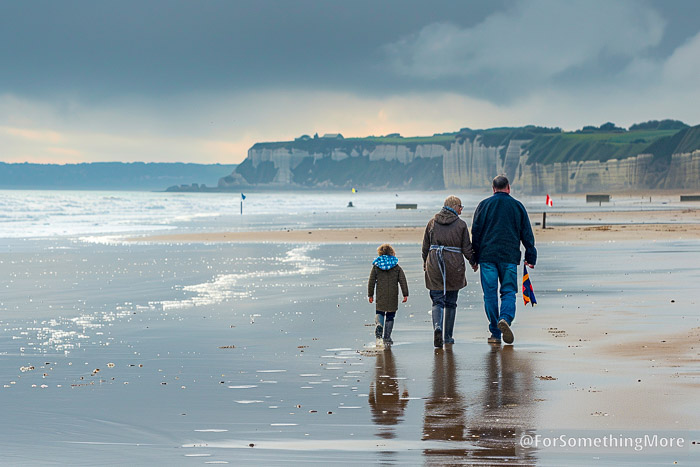
A trip to Normandy is one of those experiences that stays with every generation. Standing on the beaches where soldiers landed during World War II is deeply moving for grandparents who recall stories from their own parents, while kids and teens learn history in a way textbooks can’t capture.
Many families choose the Band of Brothers Tour because it walks you through key battle sites with powerful storytelling. Between the cemeteries, museums, and quiet coastal villages, there’s space to reflect and talk. These conversations help families connect across ages while honoring the courage and sacrifices that shaped modern history.
Borneo Wildlife Adventures
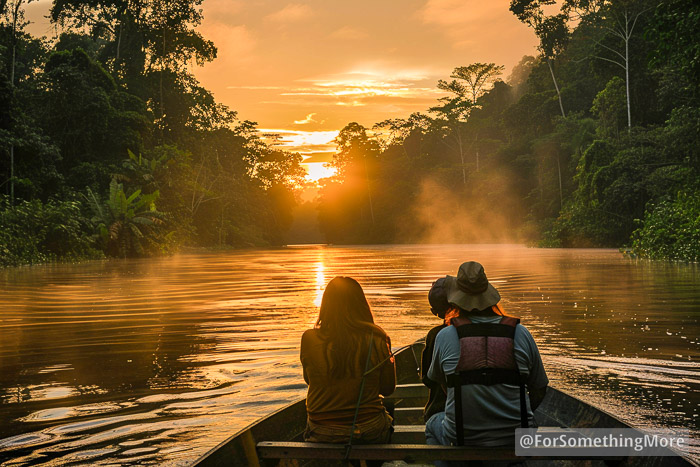
Borneo is a destination that sparks wonder for travelers, young and old. Families can take river cruises to spot orangutans swinging through treetops or join guided treks into the rainforest to discover exotic plants and birds.
Children light up at the sight of proboscis monkeys, while adults find meaning in learning about conservation and local traditions. Visiting longhouses and meeting Indigenous communities gives everyone a deeper cultural experience. The pace can be as adventurous or as relaxed as families prefer.

What makes Borneo so special is that these discoveries are shared, creating memories that naturally tie generations together.
European River Cruises

European river cruises are a smart choice for multigenerational travel because they combine comfort with discovery. Instead of juggling train schedules or packing and unpacking constantly, families stay on one ship while exploring a new city each day.
Grandparents often appreciate the slower pace and onboard comforts, while parents dive into city tours, wine tastings, and cultural excursions. Kids get their own highlights through hands-on museums, castle visits, and interactive activities.
Even mealtimes feel like part of the adventure, with regional dishes served onboard. This type of trip offers the best of both worlds: relaxation for some and exploration for others.
Portugal: Coastal Charm and Cultural Depth
Portugal is a welcoming destination for families of all ages. The country’s compact size and efficient transportation make it easy to explore without long travel days. From the cobbled streets of Lisbon to the dramatic cliffs of the Algarve and the vineyards of the Douro Valley, there’s a natural rhythm that suits both active travelers and those seeking slower moments.
Multigenerational travel works particularly well here because:
- Historic sites such as Sintra’s castles and Evora’s Roman ruins spark curiosity across generations.
- Coastal towns like Ericeira offer family-friendly beaches and walkable old towns.
- Portuguese cuisine is simple, fresh, and appealing to all ages, with seafood, pastries, and grilled meats served in casual settings.
Portugal’s reputation for safety, hospitality, and mild weather further strengthens its appeal for extended family groups.
Japan: Tradition, Technology, and Timeless Beauty
Japan combines modern convenience with deep cultural roots, making it an ideal destination for families seeking meaningful connections. Elder travelers often appreciate Japan’s respect for tradition, while younger generations enjoy the interactive experiences—from high-speed trains to themed cafes and technology museums.
Highlights for multigenerational travelers include:
- The temples and gardens of Kyoto for quiet reflection and cultural immersion.
- Tokyo’s vibrant neighborhoods, where families can explore markets, parks, and art exhibits together.
- Hot spring resorts (onsen) with family-friendly facilities that offer rest and rejuvenation.
Public transportation is exceptionally efficient and accessible, and Japan’s reputation for cleanliness and safety helps reduce travel stress across age groups.
Costa Rica: Eco-Adventures and Family Bonding
For families who love outdoor adventure, Costa Rica delivers nature and excitement in equal measure. This destination is known for its commitment to sustainability and offers experiences that educate as well as entertain.
Ideal activities for multigenerational travel include:
- Wildlife spotting in Manuel Antonio or Tortuguero National Park.
- Gentle rainforest walks where kids can discover sloths and colorful frogs.
- Beach stays along the Pacific or Caribbean coasts with easy access to calm swimming areas.
Many lodges cater to families, offering guided nature tours and accessible trails. Costa Rica’s focus on conservation gives all generations a shared purpose: appreciating and protecting the planet together.
New Zealand: Outdoor Adventure and Cultural Discovery
New Zealand’s landscapes inspire exploration for every generation. Families can combine gentle adventures with opportunities to learn about Maori culture and local history. The variety of natural settings—from fjords and volcanoes to rolling farmland—makes it ideal for trips that blend relaxation with discovery.
Highlights for families include:
- Exploring Rotorua’s geothermal wonders and Maori cultural experiences.
- Cruising Milford Sound for breathtaking scenery that captivates all ages.
- Visiting Hobbiton or taking easy hikes in Tongariro National Park.
Travel distances are manageable, driving is straightforward, and accommodations range from family-friendly lodges to self-contained cottages.
Scotland: History and Wild Landscapes
Scotland’s mix of castles, lochs, and dramatic highlands offers an engaging combination of storytelling and scenery. It’s an especially good choice for families who enjoy history, hiking, and road trips.
Multigenerational travelers can:
- Visit Edinburgh Castle and learn about royal history through engaging exhibits.
- Take a boat cruise on Loch Lomond or Loch Ness.
- Walk accessible sections of the West Highland Way or explore family-run distilleries and farms.
The country’s compact geography and welcoming culture make it easy to balance active exploration with peaceful countryside stays.
U.S. National Parks
National parks are the kind of adventure that offers something for everyone, whether you’re camping or travelling via RV. Families can take in the majesty of Yellowstone’s geysers, the vast views of the Grand Canyon, or the peaceful trails in the Smoky Mountains.
Activities are flexible thanks to the accessibility of the national parks. Grandparents can enjoy scenic drives, ranger talks, or easy walks, while younger family members tackle longer hikes or wildlife spotting. Evening campfires bring everyone back together, with stories, marshmallows, and stargazing.
These parks also provide a break from screens and schedules, giving families uninterrupted time together. With so many parks to choose from, each trip can be tailored to different interests and energy levels.
Caribbean All-Inclusive Resorts
All-inclusive resorts in the Caribbean are a favorite when families want everything in one place. Meals, activities, and entertainment are all covered, so there’s no stress about planning every detail.
Adults can unwind by the pool or enjoy a spa treatment, while kids dive into water slides, beach games, or kids’ clubs. Teens often love the chance to try water sports or join group activities. Families reconnect at dinner, on boat excursions, or at evening shows.
The best part is that everyone can enjoy what they like during the day but still come together easily, making it a low-stress way to travel together.
Tips for Traveling Happily Across Generations
Multigenerational travel is most rewarding when every family member feels included, respected, and supported. A trip that blends adventure, comfort, and connection can strengthen family relationships and create lifelong memories. However, the realities of traveling with children, parents, and grandparents require careful attention to pacing, communication, and shared expectations. The following practical strategies can help your group travel harmoniously and make the journey enjoyable for all ages.
Balancing Different Energy Levels
One of the most common challenges of multigenerational travel is accommodating a wide range of physical abilities and stamina. The best approach is to build flexibility into each day’s schedule.
Consider structuring your itinerary like this:
- Start mornings with activities that require more energy, such as hiking, sightseeing, or guided tours.
- Plan relaxing afternoons with options like picnics, pool time, or scenic drives.
- End days with unhurried meals or storytelling sessions where everyone can reflect on the day’s highlights.
Younger family members may want to take on longer walks or outdoor activities, while grandparents can opt for shorter routes or enjoy a café nearby. Choose destinations and activities that offer layered experiences so that everyone can participate in their own way.
Encouraging Shared Decision-Making
The most successful multigenerational trips include input from everyone involved. Allowing each generation to help plan part of the trip fosters a sense of ownership and inclusion.
Ways to involve everyone:
- Let children choose one family activity, such as visiting a wildlife park or a local market.
- Encourage grandparents to suggest cultural or historical sites that reflect their interests or heritage.
- Assign planning tasks—one person might handle accommodation research, another might organize transportation, and another could find dining options.
This collaborative approach builds anticipation and ensures that each person feels their preferences matter.
Creating Personal Space and Quiet Moments
Even the most harmonious families benefit from private downtime. Multigenerational travel can feel intense because of constant togetherness, so it’s important to schedule rest periods and personal space.
Choose accommodations that allow privacy, such as multi-room apartments, family lodges, or adjoining hotel suites. Plan occasional meals or activities where smaller groups split up—for example, grandparents might enjoy a museum visit while parents take children to a playground. Reconnecting later over dinner gives everyone time to recharge.
Communicating Expectations Early
Open communication before departure helps prevent misunderstandings. Discuss travel styles, budgets, and expectations for daily routines well in advance.
Key topics to cover include:
- Wake-up and meal times
- Level of planned activities versus spontaneous exploration
- Spending limits and shared expenses
- Childcare responsibilities during the trip
Clear expectations minimize frustration and ensure the trip unfolds smoothly. If traveling abroad, designate a primary organizer to handle reservations, confirmations, and emergency contacts to keep everyone informed.
Emphasizing Flexibility and Patience
Travel often brings surprises—weather changes, delayed transport, or last-minute adjustments. A flexible attitude helps the group adapt to new circumstances without stress. Encourage everyone to view unexpected changes as opportunities rather than setbacks.
Some strategies for maintaining calm and flexibility:
- Build buffer time into daily schedules to prevent rushing.
- Have backup plans for indoor or low-energy days.
- Allow family members to opt out of activities without guilt.
A sense of humor and a willingness to adjust can turn unpredictable moments into shared family stories.
Fostering Meaningful Interactions
Multigenerational travel provides rare opportunities for deeper conversations and shared learning. Plan experiences that invite storytelling or cultural exchange. A guided historical walk, a cooking class, or even a simple picnic can spark moments of connection between generations.
Encourage younger travelers to ask older relatives about their experiences growing up or their memories of past family trips. Similarly, allow grandparents to share knowledge and traditions, whether through recipes, songs, or life lessons. These exchanges create emotional depth and make the journey memorable beyond the destinations themselves.
Staying Connected and Organized
With multiple travelers, organization is essential. Use shared digital tools to keep information accessible to everyone.
Practical tools include:
- A shared Google Map with saved destinations and restaurants.
- A group chat for quick communication.
- A shared folder containing travel documents, medical info, and itineraries.
For larger families, designating one person as the main point of contact for daily logistics can streamline communication.
Building Lasting Memories
Ultimately, the joy of multigenerational travel lies in shared discovery—seeing the world through multiple perspectives at once. Whether you’re exploring a rainforest, enjoying a slow evening by the sea, or tracing ancestral roots, it’s the collective experience that defines the trip’s value.
By balancing activity and rest, maintaining open communication, and respecting each person’s needs, your family can turn a vacation into something much more meaningful: a shared legacy of connection that bridges generations.
Safety and Accessibility for Every Generation
A well-planned multigenerational travel experience considers not only where to go but how to ensure that everyone can participate safely and comfortably. From young children to older adults, each generation has unique needs that require attention before and during the trip. By addressing accessibility, health, and safety early, your family can focus more on exploration and less on logistics.
Planning for Accessibility
When choosing destinations, accommodations, and activities, accessibility should be a central part of the planning process. Every location differs in how well it accommodates strollers, wheelchairs, or limited mobility, so researching ahead of time is essential.
Key steps to take include:
- Review the official tourism or park websites to confirm accessibility details for trails, museums, or attractions.
- Contact accommodations directly to ask about elevators, ramps, and bathroom configurations.
- Identify public transportation options that accommodate mobility aids or provide priority seating.
- Check restaurant and activity listings for wheelchair or stroller access.
Accessible design doesn’t just benefit older travelers—it also helps parents with young children navigate more easily. Planning with inclusivity in mind ensures that no one feels left out of the experience.
Health and Medical Preparation
Good health preparation can prevent many common travel disruptions. Before departure, review everyone’s medical needs and discuss them with healthcare professionals. Seniors and young children are especially sensitive to changes in diet, climate, and activity levels, so plan accordingly.
Consider the following:
- Pack an organized medical kit with essentials such as prescription medications, pain relievers, allergy treatments, motion sickness remedies, and basic first-aid supplies.
- Carry copies of prescriptions in case replacements are needed.
- Identify local healthcare facilities or pharmacies near your accommodations.
- Purchase travel insurance that covers emergency medical care and evacuation if traveling internationally.
It’s also wise to keep all medications in their original containers and store them in carry-on luggage to avoid complications during transit.
Managing Mobility and Comfort
Comfort on the move is critical for multigenerational travel. Long flights, drives, or hikes can be tiring, so schedule travel days with rest breaks and easy pacing.
For road trips or destinations with significant walking:
- Allow time for frequent stops to stretch or use restrooms.
- Bring foldable walking sticks or compact seating for older travelers.
- Choose guided tours or excursions that offer multiple pacing options.
- Look for accommodations near major attractions to reduce transportation fatigue.
Small adjustments, such as booking ground-floor rooms or arranging transport in advance, can make a major difference in overall comfort.
Food, Water, and Climate Considerations
Different generations may respond differently to local food, temperature, and hydration needs. When traveling to unfamiliar regions, gradual adaptation is key.
To reduce the risk of stomach issues or dehydration:
- Drink only bottled or filtered water when local supply quality is uncertain.
- Introduce new foods slowly and avoid street food if anyone has a sensitive stomach.
- Pack snacks for long travel days to avoid missed meals.
- Dress in breathable, layered clothing suitable for the destination’s climate.
Pay special attention to children and older travelers in hot or humid environments, and plan indoor breaks to cool down.
Safety During Outdoor Adventures
Outdoor experiences often form the heart of multigenerational travel, whether hiking, wildlife watching, or exploring coastlines. Before embarking on any adventure, assess everyone’s comfort level with the planned activities.
Practical precautions include:
- Choosing trails or excursions rated for all skill levels.
- Wearing appropriate footwear and sun protection.
- Assigning a meeting point in case group members get separated.
- Bringing sufficient water, snacks, and navigation tools such as maps or GPS devices.
If exploring national parks or wilderness areas, check local regulations and safety advisories through official sources such as the National Park Service. Respecting these guidelines keeps your experience both safe and enjoyable.
Emergency Preparedness
Even well-organized trips benefit from an emergency plan. Every family member should know what to do if something unexpected happens.
Prepare by:
- Sharing contact numbers and lodging addresses with all travelers.
- Carrying a printed itinerary with key emergency information.
- Keeping travel insurance and identification easily accessible.
- Setting up a shared digital folder containing scanned copies of passports, insurance policies, and medical documents.
If traveling abroad, note the location and contact information for your country’s nearest embassy or consulate.
Maintaining Peace of Mind
Safety and accessibility are not about limiting adventure—they’re about ensuring that everyone can fully experience it. Thoughtful preparation allows families to focus on the moments that matter most: watching children discover new landscapes, sharing stories under the stars, and seeing the world through multiple generations at once.
When each traveler’s comfort and safety are prioritized, multigenerational travel becomes not only possible but profoundly rewarding.
Conclusion – Multigenerational Travel
The best family adventures don’t hinge on a perfect itinerary—they grow from experiences you share side by side. Multigenerational travel invites your family to slow down for a ranger talk, look up at a star-filled sky, wander a castle courtyard, or watch wildlife from a riverbank, each person finding meaning at their own pace.
Choose places that offer options for every age, keep the daily plan simple, and leave room for the unplanned moments that become favorite stories. With thoughtful preparation and a spirit of flexibility, you’ll build a trip that strengthens connections long after the suitcases are unpacked—and sets the stage for the next chapter of adventure together.
FAQs – Multigenerational Travel
- Q: What makes multigenerational travel different from other types of family vacations?
A: Multigenerational travel involves bringing several generations—grandparents, parents, and children—on one trip. It emphasizes experiences that balance activity and relaxation, allowing everyone to enjoy meaningful time together while respecting individual needs and energy levels. - Q: How can families choose destinations suitable for all ages?
A: The best destinations for multigenerational travel offer a mix of accessibility, comfort, and variety. Look for places with gentle hiking trails, cultural attractions, and flexible accommodations such as family villas or cabins. Countries like Portugal, Japan, and Costa Rica work well because they combine adventure with safety and modern amenities. - Q: What are the best ways to plan activities for different generations?
A: Plan one major activity per day, such as a hike, museum visit, or guided tour, and leave afternoons free for rest. Choose destinations with layered experiences so that each generation can participate in their own way—shorter walks or scenic drives for older travelers, and more energetic options for younger ones. - Q: How can families manage budgeting and expenses on a multigenerational trip?
A: Transparency is key. Discuss financial expectations early, divide costs fairly based on income or family size, and consider shared meals or group discounts for tours and accommodations. Using a shared budgeting app helps keep everyone organized and prevents misunderstandings. - Q: What destinations are particularly good for multigenerational adventures?
A: Top options include Normandy for historical learning, Borneo for wildlife encounters, European river cruises for low-stress exploration, U.S. national parks for outdoor recreation, and Caribbean all-inclusive resorts for easy relaxation. Each provides flexible activities that appeal to all ages. - Q: How can families ensure safety and comfort for every generation?
A: Research accessibility details before departure, choose accommodations with elevators or ground-floor rooms, and pack essentials such as medications, first-aid supplies, and reusable water bottles. Always carry emergency contacts and travel insurance information, especially for international trips. - Q: What are some tips for maintaining harmony during multigenerational travel?
A: Encourage open communication and shared decision-making. Give everyone personal space and time for rest. Flexibility and patience are essential—accept that plans may change and focus on enjoying the journey rather than keeping to a strict schedule. - Q: How can families make multigenerational trips more meaningful?
A: Plan experiences that foster connection—such as storytelling, cooking classes, or exploring ancestral sites together. Encourage older generations to share traditions and history while allowing younger ones to lead adventures. The shared discovery creates memories that connect the whole family. - Q: What role does accessibility play in multigenerational travel planning?
A: Accessibility ensures that every family member can participate comfortably. Look for destinations with paved paths, accessible restrooms, and transportation that accommodates strollers or wheelchairs. Confirm details directly with hotels or tour operators before booking. - Q: How far in advance should families plan a multigenerational vacation?
A: Start planning six to twelve months ahead to secure suitable accommodations and align everyone’s schedules. Early planning also allows time to organize travel documents, vaccinations, and itinerary preferences, ensuring a smooth and enjoyable trip for all generations.
+++BEFORE using this information, please read our Legal Disclaimer+++