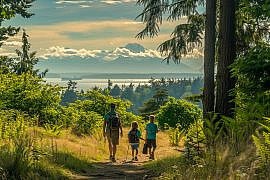


An Idaho family vacation does not have to revolve around crowded national parks or heavily developed resort towns. In the Idaho Panhandle, families will find forested mountains, clear lakes, small communities, and a wide range of outdoor activities that are accessible without requiring extensive backcountry experience. For families looking for family vacations in Idaho that prioritize nature, flexibility, and time outdoors, this region offers a practical alternative to some of the state’s better-known destinations.
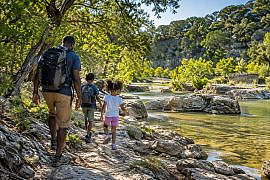
The area surrounding the Coeur d’Alene National Forest is particularly well suited to families who enjoy hiking, paddling, swimming, biking, and exploring at a comfortable pace. Many attractions are close enough together to allow flexibility while still providing opportunities to experience quieter corners of northern Idaho that many visitors overlook.
One reality that surprises first-time visitors is that driving times can be longer than they appear on a map due to winding mountain roads and the sheer size of the region.
With the right expectations and a realistic itinerary, the Idaho Panhandle is an approachable destination for families of many experience levels. This guide covers where to stay, the best outdoor adventures for kids, scenic lakes and hidden areas to explore, seasonal considerations, and practical planning information to help you decide whether this part of northern Idaho is the right fit for your next trip.
If you have any comments/questions, please leave them below.
Table of Contents
Why Is the Idaho Panhandle One of the Best Family Vacations in Idaho?
The Idaho Panhandle is one of the best places for an Idaho family vacation because it combines mountain scenery, lakes, hiking, wildlife, and outdoor recreation without the crowds often associated with larger national park destinations.
Many family vacations in Idaho focus on well-known areas such as Sun Valley, McCall, or the Yellowstone region. The Panhandle offers a different experience. Northern Idaho’s landscape is dominated by dense forests, long mountain ridges, and hundreds of lakes, creating opportunities for hiking, paddling, swimming, biking, and wildlife viewing within a relatively compact area.
For families who enjoy outdoor adventure but prefer a slower pace than many Western tourism hotspots, the Panhandle often strikes a practical balance between accessibility and solitude.
What Makes the Coeur d’Alene National Forest Different From Other Idaho Destinations?
The Coeur d’Alene National Forest stands out because it provides extensive recreation opportunities while remaining less developed and less crowded than many of the West’s most famous outdoor destinations.
The forest covers more than 700,000 acres across northern Idaho and contains a mix of mountain lakes, forested valleys, rivers, campgrounds, and trail systems. Unlike many heavily visited national parks, families can often spend a day exploring without encountering large crowds once they move beyond the most popular recreation areas.
Some of the biggest advantages include:
- Dozens of family-friendly hiking trails
- Numerous lakes suitable for swimming and paddling
- Scenic drives with frequent pullouts and viewpoints
- Opportunities to spot wildlife
- Access to small mountain communities with fewer tourism pressures
With younger kids, having multiple activity options within a short driving distance can make daily planning much easier. If hiking plans change because of weather, energy levels, or trail conditions, nearby lakes and recreation areas often provide simple alternatives.
Is This Region a Good Fit for Your Family?
The Idaho Panhandle is best suited for families who enjoy spending time outdoors and are comfortable building a trip around nature-based activities.
Planning Snapshot
- Best for: Outdoor-focused families
- Ideal trip length: 4–7 days
- Best ages: 4+
- Difficulty level: Easy to moderate
- Primary activities: Hiking, paddling, swimming, biking, wildlife viewing
- Best season: Late June through September
Families looking for amusement parks, major attractions, or heavily programmed activities may find the region quieter than expected. Families who enjoy lakes, trails, and flexible outdoor exploration often find the opposite.
Most families underestimate how much driving can be involved in northern Idaho. Distances may appear short on a map, but winding mountain roads can make travel times longer than expected.
Afternoons during July and August can also become quite warm, especially around lower-elevation lakes. Planning hikes earlier in the day often leads to a more comfortable experience for both parents and children.
What Kind of Experience Should You Expect?
The overall experience is best described as outdoor-focused, flexible, and slower-paced.
Rather than moving rapidly between major attractions, many families find themselves spending longer than expected at lakeside beaches, swimming areas, short hiking trails, and scenic viewpoints. In my experience planning outdoor family trips, destinations that allow flexibility often create less stress than itineraries built around rigid schedules.
The Idaho Panhandle rewards families who leave room for unplanned stops, shorter activity days, and weather adjustments.
Planning Takeaway
If your family enjoys hiking, lakes, wildlife, and outdoor exploration more than attractions and entertainment districts, the Idaho Panhandle is one of the strongest options for family vacations in Idaho.
The U.S. Forest Service’s Idaho Panhandle National Forests website provides current trail conditions, campground information, fire restrictions, recreation maps, and seasonal updates that can significantly improve trip planning and safety.
Where Should Families Base Themselves for an Idaho Family Vacation?
Choosing the right base can have a bigger impact on your trip than choosing individual attractions.
The Idaho Panhandle covers a large area, and daily drive times can add up quickly if you stay in the wrong location for your priorities. Most families will have the best experience by selecting a base that matches the type of activities they plan to do most often.
For a first Idaho family vacation focused on the Coeur d’Alene National Forest, the three most practical base areas are Coeur d’Alene, Harrison, and Wallace.
Coeur d’Alene Is the Best Choice for Convenience and Amenities
Coeur d’Alene offers the easiest logistics for most families.
Located on the northern shore of Lake Coeur d’Alene, the city provides the widest selection of accommodations, grocery stores, restaurants, medical services, and family-friendly recreation. It also serves as a central hub for exploring many parts of the Idaho Panhandle.
Families staying here can easily access:
- Lake Coeur d’Alene beaches
- Tubbs Hill
- Mineral Ridge Scenic Area
- Beauty Bay
- Wolf Lodge Bay
- The Trail of the Coeur d’Alenes
- Day trips into the national forest
Planning Snapshot
- Best for: First-time visitors
- Grocery stores: Excellent availability
- Restaurants: Most options in the region
- Drive time to many attractions: 15–60 minutes
- Family convenience: Highest
With younger kids, having easy access to food, supplies, and backup indoor options can make a noticeable difference on longer trips.
Harrison Is Best for a Quieter Lakeside Experience
Harrison provides a slower-paced alternative to Coeur d’Alene.
Located on the southeastern shore of Lake Coeur d’Alene, this small town sits directly on the Trail of the Coeur d’Alenes and offers a quieter atmosphere while still providing access to water recreation.
Families who prioritize biking, paddling, and relaxed lake days often appreciate Harrison’s smaller scale.
Highlights include:
- Direct trail access
- Lakefront recreation
- Fewer crowds
- Walkable downtown area
- Easy access to nearby beaches and boat launches
Most families find Harrison particularly appealing during summer when Coeur d’Alene’s waterfront areas become busier.
Wallace Is Best for Mountain Exploration
Wallace works well for families who want hiking, history, and mountain scenery.
Located about 50 miles east of Coeur d’Alene along Interstate 90, Wallace sits closer to many forest trails, mountain lakes, and scenic drives.
The town itself is small, historic, and easy to navigate.
Popular nearby attractions include:
- Pulaski Tunnel Trail
- Route of the Hiawatha
- Lookout Pass area
- Mountain lakes and forest roads
- Historic downtown Wallace
A common mistake is assuming Wallace is simply a day-trip destination. Families interested in hiking and mountain recreation may find it functions better as a primary base than Coeur d’Alene.
Planning Multi-Generational Gatherings in the Idaho Panhandle
The Idaho Panhandle can work particularly well for family reunions and multi-generational trips because outdoor activities naturally spread people out based on ability and interest.
Grandparents might enjoy lakefront walks and scenic drives while older children tackle longer hikes or bike rides. Having a shared gathering space can make coordinating these different activities easier.
Families organizing reunions, milestone celebrations, or large group vacations near Coeur d’Alene often find local party rentals useful for setting up outdoor meals, lakeside gatherings, and group events without requiring everyone to meet at restaurants or event venues.
For larger groups, arranging logistics in advance becomes increasingly important during the summer season when visitor numbers peak.
Which Base Is Right for Your Family?
The best base depends largely on how you want to spend your days.
| If your priority is… | Best base |
|---|---|
| Convenience and amenities | Coeur d’Alene |
| Lakes and relaxation | Harrison |
| Hiking and mountain scenery | Wallace |
| First visit to the region | Coeur d’Alene |
| Fewer crowds | Harrison or Wallace |
| Multi-generational travel | Coeur d’Alene |
Most families underestimate how much easier a trip becomes when grocery stores, restaurants, and activity options are close together. For that reason, Coeur d’Alene remains the safest choice for first-time visitors.
Planning Takeaway
If this is your first Idaho family vacation, Coeur d’Alene provides the best balance of recreation, services, flexibility, and access to the surrounding Idaho Panhandle. Families seeking a quieter experience should consider Harrison, while hikers and mountain-focused travelers may prefer Wallace.
The official Visit Idaho tourism website provides updated destination information, regional maps, seasonal travel recommendations, and event calendars that can help families compare different areas of the Idaho Panhandle before choosing a base.
Which Outdoor Adventures Are Best for Kids in the Coeur d’Alene National Forest?
The best outdoor adventures for kids in the Coeur d’Alene National Forest combine short hikes, lake activities, wildlife viewing, and opportunities for exploration without requiring long days or advanced outdoor skills.
One of the strengths of an Idaho family vacation in the Panhandle is the variety. Families can spend the morning on a trail, cool off in a lake during the afternoon, and still have enough energy left for a relaxed evening. This flexibility is often easier on younger children than destinations built around a single major attraction.
Family-Friendly Hiking Trails Offer the Best Mix of Adventure and Accessibility
Several trails in and around the forest provide rewarding scenery without demanding extreme effort.
Mineral Ridge National Recreation Trail Is One of the Best Beginner Hikes

Mineral Ridge is often the first trail I recommend to families visiting the area.
Located about 15 minutes east of Coeur d’Alene, this 3.3-mile loop gains approximately 700 feet and rewards hikers with elevated views of Beauty Bay and Lake Coeur d’Alene.
Why families like it:
- Well-maintained trail
- Frequent viewpoints
- Wildlife viewing opportunities
- Suitable for school-age children
- Easy access from town
With younger kids, expect the climb to take longer than guidebooks suggest. The overlooks naturally create opportunities for breaks.
Pulaski Tunnel Trail Combines History and Hiking
The Pulaski Tunnel Trail near Wallace offers a unique combination of outdoor recreation and local history.
The round-trip hike is approximately 4 miles and follows the route used by firefighters during the historic 1910 Great Fire.
Highlights include:
- Moderate grades
- Forest scenery
- Historic interpretive signs
- Tunnel destination
- Educational value for older children
This hike tends to hold children’s interest better than many forest trails because there is a clear destination at the end.
Revett Lake Is Ideal for Families Seeking a Mountain Lake Experience
Revett Lake offers a rewarding alpine-style destination without requiring a full-day commitment.
The trail is relatively short, and the lake itself provides a natural place to stop, explore, and enjoy a picnic before returning.
Most families underestimate how much children enjoy simply exploring shorelines, skipping rocks, and looking for wildlife around mountain lakes.
Lake Activities Are Often the Highlight for Kids
Lake recreation is one of the biggest reasons many families choose family vacations in Idaho.
The region’s lakes provide opportunities for active recreation while allowing families to adjust the intensity of each day.
Popular activities include:
- Swimming
- Kayaking
- Canoeing
- Paddleboarding
- Fishing
- Beach play
Lake Coeur d’Alene Offers the Most Family-Friendly Access
Lake Coeur d’Alene provides numerous public access points, beaches, and recreation areas.
Popular family locations include:
- Coeur d’Alene City Park Beach
- Beauty Bay
- Harrison waterfront
- Higgins Point
During July and August, lake temperatures are generally comfortable enough for swimming, especially compared with many higher-elevation mountain lakes.
Afternoons tend to be the busiest period at popular beaches. Families seeking quieter conditions often find mornings significantly more relaxed.
Paddling Can Introduce Kids to the Region’s Scenery
Many rental outfitters around Coeur d’Alene provide kayaks and paddleboards suitable for beginners.
Protected bays often work better for families than open sections of the lake because:
- Water is calmer
- Wind exposure is reduced
- Distances are shorter
- Wildlife viewing opportunities are often better
Wind commonly increases during the afternoon, making morning paddling trips easier for younger children.
Wildlife Viewing Adds Adventure Without Extra Effort
Wildlife viewing often becomes an unexpected highlight of a trip to northern Idaho.
Common sightings include:
- Bald eagles
- Osprey
- White-tailed deer
- Mule deer
- Beaver
- Waterfowl
Moose occasionally appear in wetter forested areas, though sightings are far less predictable.
Children often stay more engaged when wildlife viewing is treated like a scavenger hunt rather than a dedicated activity.
Biking Provides a Lower-Energy Adventure Option
Not every outdoor day needs to involve hiking.
The Trail of the Coeur d’Alenes is one of the best family cycling routes in the region. The paved rail-trail stretches more than 70 miles across northern Idaho, allowing families to choose shorter sections that match their children’s abilities.
Advantages include:
- Gentle grades
- Scenic lake and river views
- Frequent rest opportunities
- Safe separation from vehicle traffic
For many families, biking serves as a useful recovery day between longer hikes.
Planning Snapshot
Best hiking: Mineral Ridge, Pulaski Tunnel, Revett Lake
Best swimming: Lake Coeur d’Alene
Best paddling: Beauty Bay and Wolf Lodge Bay
Best biking: Trail of the Coeur d’Alenes
Best wildlife viewing: Early morning near lakes, wetlands, and forest edges
Choosing the Right Mix of Activities
The most successful Idaho family vacation itineraries usually combine several types of outdoor experiences rather than focusing exclusively on hiking.
A common pattern might include:
- One hiking day
- One lake day
- One biking day
- One scenic exploration day
This approach helps manage energy levels while keeping children engaged throughout the trip.
Planning Takeaway
Families who mix hiking, lake recreation, wildlife viewing, and biking typically get the most out of the Coeur d’Alene National Forest. Water-based activities are often the easiest way to maintain enthusiasm between more demanding hiking days.
The U.S. Forest Service Idaho Panhandle National Forests website provides current trail conditions, recreation maps, campground information, and seasonal advisories that can help families choose activities appropriate for their children’s ages and abilities.
What Are the Most Scenic Lakes and Hidden Areas to Explore?
The most rewarding places to explore in the Idaho Panhandle are often the lakes, bays, and forested recreation areas that sit beyond the region’s busiest tourist corridors.
Many visitors spend most of their time around downtown Coeur d’Alene and the main lakefront beaches. While those areas are worth seeing, families willing to drive a little farther often find quieter shorelines, less crowded trails, and a more relaxed outdoor experience.
One of the advantages of an Idaho family vacation in the Panhandle is that many scenic locations remain relatively uncrowded compared to similar destinations elsewhere in the western United States.
Lake Pend Oreille Offers Big Scenery Without Big Crowds

Lake Pend Oreille is the largest lake in Idaho and one of the most scenic bodies of water in the Pacific Northwest.
Surrounded by forested mountains, the lake stretches more than 40 miles and offers numerous opportunities for boating, swimming, paddling, and shoreline exploration.
Families visiting from Coeur d’Alene can reach many of the lake’s recreation areas in about one hour. Families who want to spend more time exploring Lake Pend Oreille may also prefer to stay closer to the lake. Coeur d’Alene Vacation Rentals can provide a convenient base for exploring the southern Lake Pend Oreille area while keeping Sandpoint and other northern Idaho attractions within reach.
Popular family-friendly areas include:
- Sandpoint City Beach
- Farragut State Park
- Garfield Bay
- Green Bay
- Bottle Bay
The scale of the landscape often surprises first-time visitors. Even during summer, it is usually possible to find quieter sections of shoreline away from the most developed recreation areas.
Beauty Bay Is One of the Best Places for Family Paddling
Beauty Bay combines easy access with excellent scenery.
Located along the eastern side of Lake Coeur d’Alene, approximately 20 minutes from downtown Coeur d’Alene, the bay provides calmer water than many open sections of the lake.
Families often choose Beauty Bay for:
- Kayaking
- Paddleboarding
- Swimming
- Wildlife viewing
- Picnicking
Morning conditions are usually the calmest.
Most families underestimate how quickly afternoon winds can build on larger western lakes. Starting earlier often results in a much more enjoyable paddling experience.
Wolf Lodge Bay Provides a Quieter Alternative to Popular Beaches
Wolf Lodge Bay sits just south of Beauty Bay and offers a more secluded atmosphere.
The bay’s protected waters make it a practical option for families with younger children or less paddling experience.
Highlights include:
- Forested shoreline views
- Reduced boat traffic
- Opportunities to spot osprey and bald eagles
- Easier beginner paddling conditions
For families seeking a slower-paced day, Wolf Lodge Bay often feels noticeably quieter than the main recreation areas closer to town.
Revett Lake Delivers a Classic Mountain Lake Experience
Revett Lake is one of the area’s most rewarding destinations for families looking to combine hiking and lake scenery.
Located near the Montana border within the Idaho Panhandle National Forests, the lake is reached by a relatively short trail that is manageable for many school-age children.
Once at the lake, families can:
- Picnic along the shoreline
- Watch for wildlife
- Explore the lake edge
- Enjoy mountain views
With younger children, the lake itself often becomes the main attraction. Many families end up spending more time exploring around the shoreline than they do on the hike.
Bumblebee Campground Area Offers a More Remote Forest Experience
Families looking for a quieter corner of the forest should consider the Bumblebee Campground area.
Located east of Coeur d’Alene, this area provides access to forest roads, creeks, and smaller recreation sites that receive far fewer visitors than the major lake destinations.
The appeal here is not a single attraction but rather the overall experience:
- Forest exploration
- Creekside picnics
- Wildlife opportunities
- Less-developed recreation
- Lower visitor numbers
This area works particularly well for families who enjoy slowing down and allowing children time to explore natural environments without a rigid schedule.
Farragut State Park Is Worth Including Even Though It Is Better Known
Farragut State Park may not qualify as hidden, but it deserves consideration because of the variety it offers families.
Located on the southern shore of Lake Pend Oreille, the park provides:
- Hiking trails
- Swimming areas
- Mountain biking routes
- Interpretive programs
- Picnic facilities
The park can also serve as a useful backup option when weather or energy levels make more ambitious adventures less appealing.
How Should Families Prioritize Their Time?
The best destinations depend on the type of outdoor experience your family enjoys most.
Planning Snapshot
Best for swimming
- Lake Coeur d’Alene
- Farragut State Park
Best for paddling
- Beauty Bay
- Wolf Lodge Bay
Best for mountain scenery
- Revett Lake
- Lake Pend Oreille
Best for fewer crowds
- Bumblebee Campground area
- Revett Lake
Best all-around family destination
- Farragut State Park
Afternoons during peak summer season tend to be busiest at the most accessible waterfront areas.
Families seeking quieter experiences often have the best success by arriving before 10 a.m. or visiting on weekdays.
Which Hidden Area Is Right for Your Family?
There is no single best destination because each offers a different experience.
Families who want easy recreation and water activities will likely prefer Beauty Bay or Farragut State Park. Those seeking a quieter, more remote atmosphere may find Revett Lake or the Bumblebee area more rewarding.
Planning Takeaway
If you only have time for one lesser-known destination, Beauty Bay offers the best combination of accessibility, scenery, paddling opportunities, and family-friendly recreation. Families looking for greater solitude should prioritize Revett Lake or some of the quieter corners of Lake Pend Oreille.
Visit Idaho provides up-to-date information on state parks, recreation areas, seasonal access, and regional travel planning, making it a useful resource when comparing lakes and outdoor destinations throughout the Idaho Panhandle.
How Can Families Spend 5 Days Exploring the Idaho Panhandle?
A 5-day itinerary gives families enough time to experience the lakes, forests, trails, and small towns of the Idaho Panhandle without feeling rushed.
Many families make the mistake of treating northern Idaho as a destination where they need to constantly move between attractions. In practice, the region works best when you combine one major activity with plenty of unstructured time for swimming, exploring, and relaxing outdoors.
The itinerary below assumes Coeur d’Alene as your base, though it can easily be adjusted for families staying in Harrison or Wallace.
Day 1: Settle Into Coeur d’Alene and Explore the Waterfront

Your first day should focus on adjusting to the area and enjoying easy outdoor activities.
After arriving, spend time exploring downtown Coeur d’Alene and the lakefront.
Suggested activities:
- Walk the waterfront near City Park
- Visit the public beach
- Explore Tubbs Hill
- Enjoy dinner near the marina
- Watch sunset over Lake Coeur d’Alene
Tubbs Hill is particularly useful on arrival day because families can choose from several trail options without committing to a long hike.
Planning Snapshot
- Driving: Minimal
- Hiking: 1–3 miles
- Difficulty: Easy
- Best for: Travel recovery day
Most children have less energy after travel than parents expect. Keeping the first day flexible often leads to a smoother start to the trip.
Day 2: Spend a Full Day on Lake Coeur d’Alene
Lake activities provide some of the most memorable experiences during an Idaho family vacation.
Start the day with kayaking or paddleboarding in a protected area such as Beauty Bay or Wolf Lodge Bay before afternoon winds develop.
Possible activities include:
- Swimming
- Paddleboarding
- Kayaking
- Fishing
- Picnicking
- Wildlife viewing
Families with younger children often find that combining water activities with a beach day creates a more relaxed pace than trying to fit multiple destinations into a single day.
Afternoon temperatures frequently climb during July and August, making lake-based recreation especially appealing.
Day 3: Choose a Signature Family Hike
A dedicated hiking day allows you to experience the forests and mountain scenery that define the region.
Several excellent options include:
Mineral Ridge Trail
Mineral Ridge offers one of the best combinations of accessibility and scenic reward.
- Distance: Approximately 3.3 miles
- Elevation gain: About 700 feet
- Time required: 2–3 hours
Pulaski Tunnel Trail
Families with older children may enjoy the combination of history and outdoor recreation.
- Distance: Approximately 4 miles round trip
- Time required: 2–4 hours
Revett Lake Trail
This trail provides access to a scenic mountain lake while remaining manageable for many active families.
Real-World Observation
Many children remain more motivated when the hike leads to a lake, viewpoint, or other clear destination rather than simply turning around at an arbitrary point.
Day 4: Explore Wallace and the Silver Valley
Wallace adds variety to the trip by combining outdoor recreation with local history.
Located roughly one hour east of Coeur d’Alene, Wallace was once one of the most important mining communities in the American West.
Possible activities include:
- Walk historic downtown Wallace
- Visit local museums
- Hike the Pulaski Trail if not completed earlier
- Drive scenic mountain roads
- Explore nearby recreation areas
The town’s compact layout makes it easy to explore without extensive walking between attractions.
Families often appreciate having a slightly different type of day after several days focused primarily on lakes and trails.
Day 5: Bike the Trail of the Coeur d’Alenes

The Trail of the Coeur d’Alenes is one of the most family-friendly cycling routes in the western United States.
Built on a former railroad corridor, the paved trail extends more than 70 miles across northern Idaho.
Families do not need to ride the entire route. Many sections work well as short out-and-back rides.
Recommended family-friendly segments include:
- Harrison area
- Cataldo area
- Rose Lake section
Benefits include:
- Gentle grades
- Scenic lake and river views
- Limited traffic concerns
- Flexible distances
This often becomes a favorite day because children can remain active without the sustained effort required by mountain hiking.
Alternative Itinerary Adjustments
Not every family wants the same balance of activities.
If your family prefers:
More water recreation
- Replace Wallace with an additional lake day.
More hiking
- Add a second trail day and reduce time in town.
More relaxation
- Spend two days around Lake Coeur d’Alene and shorten daily schedules.
Younger children
- Focus on beaches, short hikes, and paddling rather than longer trail adventures.
What Makes This Itinerary Work for Families?
The itinerary alternates activity types to help manage energy levels.
Instead of scheduling strenuous activities every day, it mixes:
- Hiking days
- Water days
- Scenic exploration
- Cycling
- Flexible recreation time
Most families underestimate how much downtime children need after consecutive active days. A balanced schedule often results in more enjoyment than an itinerary packed with attractions.
Planning Takeaway
For most families, the best Idaho Panhandle itinerary combines lake recreation, one or two memorable hikes, a visit to Wallace, and time on the Trail of the Coeur d’Alenes. This mix provides variety while keeping daily travel and activity demands manageable.
Visit Idaho provides current information on regional attractions, trail systems, seasonal recreation opportunities, and local travel planning resources that can help families customize this itinerary based on weather, ages, and interests.
What Safety and Logistics Should Families Know Before Visiting?
A successful Idaho family vacation in the Panhandle depends less on advanced outdoor skills and more on realistic planning, weather awareness, and understanding the region’s distances.
The good news is that most family-friendly destinations in the Coeur d’Alene National Forest are accessible and well-traveled. The challenge is that many visitors assume northern Idaho functions like an urban destination where supplies, cell service, and assistance are always nearby.
In reality, some trailheads, lakes, and recreation areas are located well away from towns and services.
Trail Preparation Is More Important Than Many Families Expect
Most popular family hikes in the Idaho Panhandle are not technically difficult, but they still require basic preparation.
Before leaving for any trail, bring:
- Water for every family member
- Snacks and extra food
- Sun protection
- Layers for changing weather
- Basic first-aid supplies
- Offline maps
Many trails begin at cool forested elevations and become significantly warmer in exposed sections.
Most families underestimate how much water children need on warm summer hikes. Even relatively short trails can feel much longer during hot afternoons.
Cell Service Can Be Unreliable Outside Major Communities
Cell coverage is generally reliable in Coeur d’Alene and along Interstate 90 but becomes increasingly inconsistent in more remote areas.
Families should download maps before leaving town.
This is especially important when visiting:
- Revett Lake
- Forest Service roads
- Remote campgrounds
- Smaller recreation areas east of Coeur d’Alene
A navigation app that works offline can prevent unnecessary stress when exploring less-developed sections of the forest.
Wildlife Encounters Are Rare but Possible
Wildlife is one of the highlights of family vacations in Idaho, but it is important to maintain realistic expectations and safe viewing practices.
Animals occasionally seen in the region include:
- Moose
- Black bears
- Deer
- Elk
- Bald eagles
- Osprey
Most wildlife encounters involve animals moving away from people rather than approaching them.
Teach children to:
- Observe wildlife from a distance
- Never feed animals
- Stay on trails
- Remain close to adults in forested areas
Moose deserve particular respect. They can appear calm but become unpredictable if surprised or approached too closely.
Lake Safety Requires Attention to Weather and Conditions
Lakes are central to many Idaho Panhandle itineraries, but conditions can change quickly.
Morning often provides the calmest water conditions for:
- Kayaking
- Paddleboarding
- Canoeing
- Small watercraft
Afternoon winds commonly develop across larger lakes such as Lake Coeur d’Alene and Lake Pend Oreille.
With younger children, earlier lake outings are usually easier and safer than late-afternoon excursions.
Forest Roads and Driving Times Can Be Misleading
One of the most common planning mistakes is underestimating travel times.
While many destinations appear close together on a map, mountain roads and forest routes often slow travel considerably.
Examples
- Coeur d’Alene to Wallace: approximately 1 hour
- Coeur d’Alene to Farragut State Park: approximately 40 minutes
- Coeur d’Alene to many remote trailheads: 45–90 minutes
Families often enjoy the trip more when they focus on one primary destination per day rather than trying to visit multiple recreation areas.
Summer Weather Is Generally Favorable but Variable
Summer is the most popular season for good reason.
Typical daytime temperatures:
| Month | Average High |
|---|---|
| June | 70s°F (low-to-mid 20s°C) |
| July | 80s°F (upper 20s°C) |
| August | 80s°F (upper 20s°C) |
| September | 70s°F (low 20s°C) |
Even during summer, mornings can feel surprisingly cool near lakes and higher elevations.
Packing layers remains one of the simplest ways to stay comfortable throughout the day.
Fire Season Can Affect Outdoor Plans
Late summer occasionally brings wildfire smoke to parts of northern Idaho.
This does not happen every year, but families visiting during August or September should monitor conditions before departure.
Smoke levels can affect:
- Hiking visibility
- Air quality
- Recreation recommendations
- Trail access
Checking current conditions a few days before major hikes is a smart precaution.
Planning Snapshot
Most important items to bring
- Water
- Sun protection
- Layers
- Offline maps
- Snacks
Most common mistakes
- Underestimating drive times
- Hiking during the hottest part of the day
- Forgetting offline navigation
- Scheduling too many activities
Best strategy for families
- One major activity per day
- Early starts for hiking
- Flexible afternoon plans
- Allow extra travel time
How Can Families Reduce Stress During the Trip?
The simplest strategy is to build flexibility into your schedule.
Leave room for weather changes, unexpected swimming stops, longer lunch breaks, and slower hiking speeds. Northern Idaho rewards families who move at a comfortable pace rather than trying to maximize every hour of the day.
Planning Takeaway
Most Idaho Panhandle trips go smoothly when families prepare for changing weather, carry basic hiking essentials, start outdoor activities early, and avoid overloading the itinerary. The region is highly accessible, but realistic expectations and simple preparation make the experience significantly more enjoyable.
When Is the Best Time to Visit the Idaho Panhandle With Kids?
For most families, late June through early September offers the best combination of weather, trail access, lake recreation, and predictable conditions in the Idaho Panhandle.
That said, every season brings different advantages. The best time for your Idaho family vacation depends largely on whether your priorities are swimming, hiking, wildlife viewing, fall colors, or avoiding crowds.
One of the benefits of family vacations in Idaho is that many outdoor activities remain accessible across multiple seasons, giving families flexibility when planning around school schedules and vacation time.
Summer Is the Best Season for Most Families
Summer provides the widest range of recreation opportunities and the most reliable weather.
From late June through August, nearly all major hiking trails, campgrounds, lakes, and recreation areas are accessible.
Families can comfortably enjoy:
- Swimming
- Paddleboarding
- Kayaking
- Hiking
- Mountain biking
- Wildlife viewing
- Scenic drives
Lake Coeur d’Alene and Lake Pend Oreille are also at their warmest during this period.
Planning Snapshot
- Best months: Late June through August
- Average highs: 75–85°F (24–29°C)
- Water recreation: Excellent
- Trail access: Excellent
- Crowds: Highest of the year
Most families find that early mornings are the most comfortable time for hiking during July and August.
Afternoons often work best for swimming and lake activities.
Fall Offers Fewer Crowds and Excellent Hiking Conditions
September and early October can be one of the most enjoyable times to visit the Idaho Panhandle.
Temperatures become cooler, popular recreation areas become quieter, and many trails remain fully accessible.
Advantages include:
- Smaller crowds
- Cooler hiking temperatures
- Fall foliage
- Easier lodging availability
- Less busy lakeside recreation areas
Families with school-age children may find it harder to travel during this period, but those who can often enjoy a noticeably more relaxed experience.
Many visitors underestimate how pleasant northern Idaho can be in September. In some years, conditions remain ideal for hiking well into October.
Spring Can Be Rewarding but Requires Flexibility
Spring brings wildflowers, flowing streams, and fewer visitors.
However, it also introduces more uncertainty.
Higher-elevation trails may still have snow, and some forest roads remain inaccessible until later in the season.
Typical spring conditions include:
- Variable temperatures
- Muddy trails
- Strong stream flows
- Emerging wildflowers
- Lower visitation levels
Families visiting in May should build flexibility into their itineraries and avoid relying on a single hiking destination.
Winter Creates a Different Type of Adventure
Winter transforms the Idaho Panhandle into a snow-focused destination.
While many hiking trails become inaccessible, opportunities emerge for:
- Snowshoeing
- Cross-country skiing
- Downhill skiing
- Winter wildlife viewing
- Scenic snow-covered drives
Families interested primarily in lakes and hiking will generally find summer and fall more suitable.
Those interested in snow recreation may appreciate winter’s quieter atmosphere.
How Does Weather Affect Family Planning?
Weather is one of the biggest factors influencing daily activities in northern Idaho.
Even during summer, conditions can vary considerably between lakeshore areas and higher elevations.
Families should pack:
- Rain jackets
- Lightweight layers
- Sun protection
- Extra clothing for children
Morning temperatures near mountain lakes can feel surprisingly cool, even after warm afternoons.
The ability to add or remove layers throughout the day often improves comfort significantly.
When Are Crowds the Lowest?
Families seeking quieter experiences should consider:
- Mid-June
- September
- Early October
These periods often provide:
- Easier parking
- Less crowded trails
- More accommodation choices
- Quieter beaches and recreation areas
Popular locations around Coeur d’Alene can become busy during summer weekends, particularly around holidays.
Even during peak season, however, many less-visited forest areas remain relatively uncrowded compared to major national park destinations.
Best Time Based on Your Priorities
| Priority | Best Time to Visit |
|---|---|
| Swimming and paddling | July–August |
| Family hiking | June–September |
| Wildlife viewing | Spring and early fall |
| Fewer crowds | September |
| Fall colors | Late September–October |
| Snow recreation | December–March |
| First family visit | July–August |
Which Season Is Right for Your Family?
There is no single perfect season, but some periods are easier for first-time visitors.
Families looking for the broadest range of activities, the warmest weather, and the simplest planning experience should prioritize summer.
Families comfortable with cooler temperatures and more variable conditions may find fall provides a better balance of recreation and reduced crowds.
Planning Takeaway
For most families planning an Idaho family vacation, late June through early September offers the easiest combination of hiking, lake recreation, weather, and accessibility. Families seeking fewer crowds should strongly consider September, when many of the region’s outdoor experiences remain available but visitor numbers begin to decline.
The National Weather Service provides seasonal weather data, forecasts, heat advisories, wildfire smoke information, and precipitation trends that can help families choose the best travel dates and prepare appropriately for changing conditions.
Final Thoughts – Idaho Family Vacation
An Idaho family vacation in the Panhandle is best suited to families who enjoy spending time outdoors and are looking for a destination built around lakes, trails, small towns, and flexible adventure rather than a long list of major attractions. With realistic expectations, thoughtful pacing, and a focus on the experiences that fit your family’s interests, the region is accessible to a wide range of ages and outdoor experience levels.
Many families find that the trip is most enjoyable when they plan fewer activities than they initially think they need. Whether your priority is hiking to mountain lakes, paddling quiet bays, biking scenic trails, or simply spending time outside together, the Idaho Panhandle offers enough variety to build a trip that feels both manageable and rewarding without requiring complicated planning.
FAQs – Family Vacations in Idaho
- Q: Is the Idaho Panhandle a good destination for families with young children? A: Yes. The Idaho Panhandle offers a mix of short hikes, lakes, beaches, scenic drives, and wildlife viewing opportunities that work well for many families with young children. Many activities can be adjusted based on age, energy levels, and weather conditions.
- Q: How many days do you need for an Idaho family vacation in the Panhandle? A: Most families should plan for at least 4–5 days. This provides enough time to enjoy Lake Coeur d’Alene, explore the Coeur d’Alene National Forest, complete a few hikes, and visit nearby towns such as Wallace without feeling rushed.
- Q: What is the best town to stay in for a family vacation in Idaho’s Panhandle? A: Coeur d’Alene is usually the best base for first-time visitors because it offers the largest selection of accommodations, restaurants, grocery stores, and family-friendly activities while providing easy access to outdoor recreation.
- Q: What are the best hikes for families in the Coeur d’Alene National Forest? A: Some of the best family-friendly hikes include Mineral Ridge National Recreation Trail, Pulaski Tunnel Trail, and Revett Lake Trail. These trails offer manageable distances, scenic views, and interesting destinations that help keep children engaged.
- Q: Can kids swim in the lakes of northern Idaho? A: Yes. Lake Coeur d’Alene and Lake Pend Oreille both offer numerous swimming opportunities during summer. Water temperatures are generally most comfortable from July through August.
- Q: When is the best time to visit the Idaho Panhandle with kids? A: Late June through early September is typically the best time to visit. Most trails, campgrounds, and recreation areas are fully accessible, and weather conditions are generally favorable for hiking, paddling, and swimming.
- Q: Is the Idaho Panhandle crowded during summer? A: Popular areas around Coeur d’Alene can become busy during summer weekends, but many lakes, trails, and forest recreation areas remain relatively uncrowded compared to major national park destinations.
- Q: Are there opportunities to see wildlife during an Idaho family vacation? A: Yes. Families commonly see bald eagles, osprey, deer, waterfowl, and other wildlife throughout the region. Early mornings and quieter recreation areas often provide the best viewing opportunities.
- Q: Do you need a four-wheel-drive vehicle to explore the Coeur d’Alene National Forest? A: No. Many of the most popular family-friendly destinations can be reached using standard passenger vehicles during the summer season. Some remote forest roads may require additional clearance, but they are not necessary for most visitors.
- Q: Is the Idaho Panhandle better than Yellowstone for families? A: The two destinations offer different experiences. Yellowstone provides world-famous geothermal features and wildlife viewing, while the Idaho Panhandle generally offers fewer crowds, easier access to lakes, and a more flexible outdoor recreation experience.
- Q: What should families pack for a trip to northern Idaho? A: Essential items include layers, rain gear, sun protection, hiking shoes, swimsuits, reusable water bottles, insect repellent, and offline maps for areas where cell service may be limited.
- Q: What are the best activities besides hiking during family vacations in Idaho? A: Popular alternatives include swimming, kayaking, paddleboarding, biking the Trail of the Coeur d’Alenes, fishing, wildlife viewing, scenic drives, and exploring small mountain towns such as Wallace and Harrison.
+++BEFORE using this information, please read our Legal Disclaimer+++