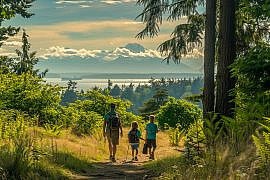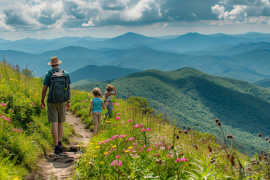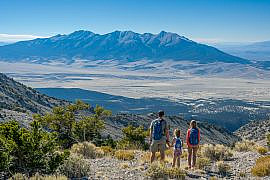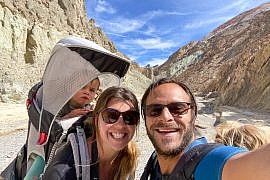


There are road trips that feel heavily curated and predictable, where nearly every viewpoint has a parking lot, café, and souvenir stand waiting nearby. Then there are road trips that still feel genuinely adventurous.
Chile’s Carretera Austral belongs firmly in the second category.
Stretching through the heart of northern Patagonia, this legendary route winds past glacier-fed rivers, jagged mountains, ancient temperate rainforests, windswept valleys, hanging glaciers, turquoise lakes, and isolated villages that feel worlds away from modern urban life. For families seeking outdoor adventure beyond the usual tourist circuit, the Carretera Austral offers something increasingly rare in modern travel: true remoteness that is still accessible enough for ordinary families willing to slow down and embrace the journey.
This is not the kind of trip where you rush from attraction to attraction checking famous landmarks off a list. Instead, the Carretera Austral rewards families who appreciate slow travel, long scenic drives, ferry crossings, unpredictable weather, quiet hiking trails, and the kind of landscapes that make children feel like they are exploring somewhere truly wild.
For adventurous families, that is exactly what makes the experience so memorable.
On the Carretera Austral, kids can spend their days climbing driftwood-covered beaches, crossing swinging bridges above roaring rivers, spotting dolphins from ferries, hiking through forests dripping with moss, watching glaciers crash into icy lakes, and learning firsthand how massive and untamed the natural world can still feel.
And despite its intimidating reputation, traveling the Carretera Austral with kids is much more realistic than many people expect.
With thoughtful pacing, realistic expectations, and an appreciation for outdoor adventure travel, families can experience one of the world’s most spectacular road trips together.
If you have any comments/questions, please leave them below.
Table of Contents
What Is the Carretera Austral?
The Carretera Austral, officially known as Chilean Route 7, stretches roughly 770 miles through remote Patagonia in southern Chile. Construction of the route began during the 1970s as part of an effort to connect isolated communities scattered throughout the region.
Even today, however, portions of the road remain gravel, and sections still require ferry crossings to continue south.
Rather than feeling like a modern highway, the Carretera Austral often feels more like a frontier route winding through untouched wilderness.
That ruggedness is part of its appeal.
The drive passes through a remarkable variety of landscapes including:
- Massive fjords
- Glacier-carved valleys
- Snow-covered mountains
- Ancient temperate rainforest
- Turquoise rivers
- Remote cattle estancias
- Waterfalls
- Volcanic terrain
- Windswept Patagonian plains
Unlike many scenic drives around the world that have become overcrowded and commercialized, large portions of the Carretera Austral still feel remarkably quiet.
There are stretches where you may drive for an hour without seeing another vehicle.
For children, this creates a genuine sense of exploration.
The trip feels less like tourism and more like an expedition.
Why the Carretera Austral Works So Well for Families
At first glance, Patagonia may not sound like an obvious family destination.
The weather changes quickly. Distances are large. Grocery stores in remote villages are basic. Internet service can be unreliable. Roads are sometimes rough.
Yet those same characteristics are often exactly what make the trip so rewarding.
Children tend to thrive when travel becomes immersive and hands-on.
On the Carretera Austral, kids are not standing in endless lines for attractions or bouncing between indoor entertainment venues. Instead, they are:
- Throwing rocks into glacier lakes
- Searching for waterfalls
- Spotting condors overhead
- Exploring riversides
- Riding ferries through fjords
- Crossing suspension bridges
- Watching clouds move dramatically through mountain valleys
- Learning patience during scenic drives
- Spending long hours outdoors
The slower pace often creates stronger family memories than more fast-paced vacations.
Many parents also discover that Patagonia naturally strips away much of the overstimulation common in modern travel. There are fewer advertisements, fewer crowds, and fewer distractions competing for attention.
Nature becomes the center of the experience.
For families who value outdoor adventure travel, that can feel refreshing.
Best Age for Visiting Patagonia with Kids
There is no perfect age to bring children to the Carretera Austral, but many families find that children around ages 5 and older are especially well suited for the trip.
Kids in this age range can often:
- Handle moderate hikes
- Tolerate longer car rides
- Participate in kayaking or boat tours
- Enjoy wildlife spotting
- Appreciate the scenery
- Retain long-term memories of the experience
That said, younger children can absolutely enjoy Patagonia too.
The key is adjusting expectations and pacing accordingly.
Families traveling with toddlers generally do best by:
- Driving shorter distances
- Spending multiple nights in each location
- Keeping hiking expectations modest
- Building flexibility into each day
The biggest challenge for most families is not the hiking itself, but rather travel fatigue from trying to move too quickly through such a large region.
Patagonia rewards slower travel.
Best Time to Visit the Carretera Austral
The Patagonian summer, from December through March, is generally the best time for families to visit.
During these months:
- Temperatures are milder
- Daylight lasts extremely long
- Ferry schedules are more reliable
- Hiking trails are more accessible
- Tourist services are fully operational
January and February bring the warmest temperatures and longest days, though they are also the busiest months.
Even during peak season, however, the Carretera Austral feels far quieter than many famous adventure destinations around the world.
Shoulder season travel in November or April can also work well for families comfortable with more unpredictable weather and cooler temperatures.
Winter travel is possible but considerably more challenging due to snow, rain, road conditions, and reduced services.
Planning a Family-Friendly Route
One of the most common mistakes visitors make is underestimating how long travel takes in Patagonia.
A distance that looks manageable on a map can easily take much longer than expected due to gravel roads, ferry schedules, weather, road construction, and constant scenic stops.
Families generally enjoy the route far more when they resist the urge to cover too much ground.
Instead of rushing from one destination to the next, it helps to think of the Carretera Austral as a series of outdoor basecamps.
A practical family itinerary might look something like this:
Puerto Montt
Many families begin in Puerto Montt, where rental cars, grocery stores, and larger services are easy to access before heading south.
Hornopirén
This small town acts as the gateway to the ferry system farther south.
Pumalín Douglas Tompkins National Park

One of the highlights of northern Patagonia, this extraordinary park combines lush rainforest, volcanoes, waterfalls, and family-friendly hiking.
Chaitén
A quiet frontier town dramatically shaped by volcanic activity.
Queulat National Park
Known for the spectacular Hanging Glacier.
Coyhaique
The largest city along the route and a practical resupply point.
Cerro Castillo
One of Patagonia’s most spectacular mountain regions.
Puerto Río Tranquilo
Home to the famous Marble Caves and nearby glaciers.
Families with additional time can continue farther south toward Cochrane or Villa O’Higgins.
Driving the Carretera Austral with Kids
Driving is one of the defining parts of the experience.
The Carretera Austral is not a road where you simply zone out and cruise for hours. Conditions constantly shift between pavement and gravel, narrow mountain sections, ferry crossings, winding valleys, and remote stretches with little infrastructure.
For families, however, the drives themselves often become some of the most memorable parts of the journey.
Children may spot:
- Guanacos
- Hawks
- Condors
- Waterfalls
- Rivers glowing turquoise
- Snow-covered peaks
- Tiny roadside farms
- Ferry docks tucked into misty fjords
That said, realistic expectations are important.
Daily drives generally take longer than expected.
Frequent stops help tremendously.
Families traveling with younger kids should aim to:
- Leave early
- Stop often
- Avoid overpacking the schedule
- Carry plenty of snacks
- Keep rain gear easily accessible
Road conditions also deserve respect.
Large portions of the route involve gravel roads with loose surfaces, steep drop-offs, and changing weather conditions. Families should drive conservatively and avoid rushing.
Long rural drives are one reason many travelers spend time reading broader defensive driving resources before major road trips. Articles discussing topics like what type of collision could you avoid by speeding up? can encourage travelers to think more carefully about reaction times, visibility, and risk management while driving unfamiliar roads.
Renting a Vehicle
Choosing the right vehicle can make a major difference.
While some travelers complete the Carretera Austral in standard sedans, families are usually far more comfortable with:
- SUVs
- Crossovers
- Vehicles with higher clearance
A four-wheel-drive vehicle is not always essential during summer, but it can provide extra confidence on rougher sections.
Important considerations include:
- Full-size spare tire
- Good luggage space
- Reliable brakes
- Adequate clearance
- Rental company authorization for gravel roads
Many rental agreements have restrictions regarding certain southern sections of the route, so reading the fine print matters.
Ferry Crossings

Ferries are one of the most exciting parts of the journey for children.
Rather than being an inconvenience, the ferry segments often feel like mini expeditions through Patagonia’s fjords.
Families may spend the crossing:
- Watching dolphins
- Looking for sea lions
- Photographing waterfalls
- Drinking coffee on deck
- Watching clouds move through the mountains
The most commonly used ferry section connects Hornopirén and Caleta Gonzalo.
Weather can occasionally delay crossings, so maintaining flexibility in the schedule is important.
Pumalín Douglas Tompkins National Park
Pumalín is often the first place where families truly begin to grasp Patagonia’s scale and beauty.
Created through the conservation efforts of Douglas and Kristine Tompkins, this extraordinary park protects enormous areas of temperate rainforest, volcanoes, rivers, and coastline.
The infrastructure here is excellent by Patagonian standards, making it especially well suited for families.
Highlights include:
Chaitén Volcano Trail
This hike climbs through forest to dramatic volcanic viewpoints overlooking the surrounding landscape.
Waterfalls
Numerous roadside waterfalls provide easy scenic stops for younger children.
Ancient Forest Trails
Some trails wind through enormous moss-covered trees that feel almost prehistoric.
Campgrounds
The campgrounds in Pumalín are among the best maintained in Patagonia.
Families who enjoy camping may find this one of the most memorable parts of the entire trip.
Chaitén
Chaitén is a fascinating town with a dramatic recent history.
In 2008, the nearby Chaitén Volcano erupted violently, forcing residents to evacuate. Much of the town was heavily damaged.
Today, Chaitén has slowly rebuilt itself and serves as an important gateway community along the Carretera Austral.
For families, it offers:
- Grocery stores
- Restaurants
- Fuel
- Ferry access
- Volcano views
- Riverside walking areas
The surrounding scenery feels especially dramatic because volcanic destruction remains visible throughout the landscape.
Queulat National Park and the Hanging Glacier

Queulat National Park is one of the most iconic stops along the Carretera Austral.
The park’s famous Hanging Glacier spills dramatically down a mountainside high above a misty valley filled with dense rainforest.
The short hike to the main viewpoint works surprisingly well for families.
The trail passes:
- Rivers
- Dense forest
- Wooden walkways
- Waterfalls
- Moss-covered vegetation
Eventually, the glacier comes into view across the valley.
On rainy days, waterfalls seem to pour from nearly every cliff face in the region.
Patagonia’s weather often enhances the atmosphere rather than diminishing it.
Wildlife Along the Carretera Austral
One of the greatest joys of traveling Patagonia with children is wildlife spotting.
While Patagonia does not offer the density of animals found on African safaris, the wildlife encounters feel deeply connected to the landscape itself.
Families may encounter:
- Condors
- Guanacos
- Foxes
- Dolphins
- Sea lions
- Woodpeckers
- Hawks
- Hummingbirds
Patience dramatically improves wildlife experiences.
Children often become surprisingly engaged when given binoculars and encouraged to quietly observe the environment.
Puerto Río Tranquilo and the Marble Caves

Puerto Río Tranquilo is one of the most famous stops along the Carretera Austral.
The town sits beside the stunning General Carrera Lake, whose turquoise water creates an almost surreal contrast against surrounding mountains.
The Marble Caves are the area’s main attraction.
Accessible by small boat or kayak, these sculpted marble formations have been carved by waves over thousands of years.
The swirling blue water reflected inside the caves creates remarkable colors and textures.
For families, conditions matter.
Wind can make the lake rough, especially later in the day.
Morning tours generally provide calmer water and better experiences for younger children.
Glacier Explorations
Several glacier experiences along the Carretera Austral work well for families.
Options range from easy viewpoint walks to boat tours and guided excursions.
The Exploradores Glacier area near Puerto Río Tranquilo is particularly accessible.
Even families who do not participate in technical glacier trekking can still enjoy:
- Glacier viewpoints
- Ice-filled rivers
- Mountain scenery
- Scenic drives through remote valleys
For many children, seeing real glaciers up close becomes one of the defining memories of the trip.
Hiking with Kids in Patagonia
Patagonia is a dream destination for outdoor families, but successful hiking with children requires flexibility.
The goal is not to complete the hardest trails.
The goal is to create positive experiences outdoors.
Fortunately, the Carretera Austral offers countless shorter hikes that still provide extraordinary scenery.
Helpful strategies include:
- Starting early
- Packing extra layers
- Carrying plenty of snacks
- Letting kids set portions of the pace
- Building time for exploration
- Emphasizing curiosity over mileage
Some of the best moments often happen during unplanned stops beside rivers or waterfalls rather than on major summit hikes.
Weather in Patagonia
Patagonia’s weather is famously unpredictable.
Families may experience:
- Rain
- Sun
- Wind
- Cold temperatures
- Warm sunshine
All within a single day.
Rather than fighting the weather, successful Patagonia travelers learn to adapt to it.
Packing layers is essential.
Important gear includes:
- Waterproof jackets
- Rain pants
- Warm hats
- Gloves
- Quick-drying clothing
- Waterproof footwear
Even during summer, temperatures can drop quickly.
Wind is often the biggest challenge, especially near open lakes and exposed viewpoints.
Food Along the Carretera Austral
Food in Patagonia tends to be hearty and straightforward.
Families can expect:
- Fresh bread
- Grilled meats
- Empanadas
- Seafood
- Salmon
- Soups
- Stews
- Homemade desserts
Larger towns offer supermarkets, but smaller villages may have limited selection.
Families with picky eaters should plan accordingly and keep backup snacks available.
Many cabins and lodges include kitchens, which makes self-catering easier and more affordable.
Family-Friendly Accommodation
Accommodation along the Carretera Austral tends to feel rustic rather than luxurious.
That said, many places are extremely cozy and welcoming.
Popular options include:
- Cabins
- Guesthouses
- Small lodges
- Campgrounds
- Eco-lodges
Families often enjoy cabins most because they provide:
- Kitchen access
- Extra space
- Flexibility
- Warm indoor gathering areas during rainy weather
Booking ahead during peak season is wise, particularly in smaller towns.
Safety Considerations
The Carretera Austral is generally very safe from a crime perspective.
The primary safety considerations involve:
- Driving conditions
- Weather
- Outdoor risks
- Remoteness
Families should:
- Carry extra food and water
- Download offline maps
- Avoid driving aggressively
- Monitor ferry schedules
- Respect changing weather
Because many travelers combine international adventures with urban travel elsewhere, some families also spend time reviewing broader transportation safety resources before large trips. Guides discussing topics such as Orange County Uber and Lyft accident lawyer information can help travelers better understand rideshare-related safety and legal considerations when transitioning between major cities and remote road-trip destinations.
Budgeting for a Patagonia Family Trip
Patagonia is not necessarily a cheap destination, especially for families.
Major expenses include:
- Rental cars
- Fuel
- Ferries
- Accommodation
- Excursions
That said, costs can vary dramatically depending on travel style.
Camping and self-catering significantly reduce expenses.
Families willing to embrace simpler accommodations often find the experience more authentic anyway.
Internet and Connectivity
Internet access varies considerably throughout the region.
Larger towns may have decent Wi-Fi, while remote areas may have little or no service.
For many families, this becomes an unexpected benefit.
Without constant connectivity, children often engage more deeply with:
- The environment
- Reading
- Drawing
- Conversation
- Outdoor exploration
Patagonia can feel wonderfully disconnected.
Why the Carretera Austral Feels So Different
Many famous adventure destinations eventually become polished versions of wilderness.
The Carretera Austral still feels genuinely untamed.
Roads remain rough in places. Ferry schedules depend on weather. Tiny villages appear suddenly between massive stretches of wilderness. Rainstorms move quickly through mountain valleys.
That unpredictability creates a stronger sense of adventure.
For children especially, the trip often feels enormous in scale.
The mountains feel bigger. The rivers feel wilder. The forests feel older.
There is something powerful about exposing children to landscapes that still feel larger than human infrastructure.
Final Thoughts on the Carretera Austral with Kids
The Carretera Austral is not the easiest family road trip in the world.
It requires patience, flexibility, realistic expectations, and a willingness to embrace uncertainty.
Yet those same qualities are often what make the experience so rewarding.
For families who value outdoor adventure, meaningful travel, and genuine exploration, Patagonia offers something increasingly difficult to find: a place that still feels wild.
Children may not remember every hiking trail name or every small town along the route.
But they will likely remember:
- Watching glaciers glow blue beneath storm clouds
- Riding ferries through remote fjords
- Sleeping beside roaring rivers
- Exploring driftwood beaches
- Crossing suspension bridges
- Driving through endless mountain valleys
The Carretera Austral has a way of making families feel small in the best possible sense.
And in a world where so many destinations feel increasingly crowded and commercialized, that sense of scale, wonder, and remoteness can feel incredibly valuable.
FAQs – Carretera Austral with Kids
- Q: Is the Carretera Austral safe for families with kids?
A: Yes — the Carretera Austral is generally very safe for families. The main risks are related to weather, gravel roads, long driving distances, and Patagonia’s remote nature rather than crime. Driving slowly and building flexibility into your itinerary is important. - Q: Do you need a 4×4 vehicle for the Carretera Austral?
A: Not necessarily. Many travelers complete the Carretera Austral in standard SUVs or crossovers during summer. However, a higher-clearance vehicle is highly recommended because large portions of the road are gravel. - Q: What is the best time to visit the Carretera Austral?
A: The best time to visit the Carretera Austral is usually between December and March, when Patagonia has milder temperatures, longer daylight hours, and more reliable ferry schedules. - Q: How many days do you need for the Carretera Austral?
A: Most families should allow at least 10–14 days for the Carretera Austral. Patagonia travel takes longer than many people expect, and slower pacing usually creates a much better experience. - Q: Is the Carretera Austral worth it with kids?
A: Absolutely. Families who enjoy outdoor adventure travel often find the Carretera Austral incredibly rewarding. Kids can experience glaciers, waterfalls, ferry crossings, wildlife, hiking trails, and some of the wildest landscapes in South America. - Q: Where does the Carretera Austral start and end?
A: The Carretera Austral officially begins near Puerto Montt in northern Patagonia and stretches south to Villa O’Higgins in Chile. - Q: Are the roads on the Carretera Austral paved?
A: Some sections are paved, but large portions of the Carretera Austral are still gravel roads. Conditions can vary significantly depending on weather and road maintenance. - Q: What are the top family stops on the Carretera Austral?
A: Some of the best family-friendly stops include Pumalín Douglas Tompkins National Park, Queulat National Park, Puerto Río Tranquilo, the Marble Caves, Cerro Castillo, and General Carrera Lake. - Q: Can you camp on the Carretera Austral?
A: Yes — camping is very popular along the Carretera Austral. Patagonia has excellent campgrounds ranging from simple riverside sites to well-maintained campgrounds inside national parks. - Q: Is the Carretera Austral difficult to drive?
A: The Carretera Austral is not extremely technical to drive, but it does require patience and focus. Narrow gravel roads, ferry crossings, changing weather, and long remote stretches mean families should drive conservatively and avoid rushing.
+++BEFORE using this information, please read our Legal Disclaimer+++