

Table of Contents
Peneda Gerês National Park Natural Playground for All
As I reflect on our time in Peneda Gerês National Park, I can’t help but feel an overwhelming sense of gratitude. Traveling as a family, we are always seeking places where adventure, learning, and connection come together—and here, in Portugal’s only national park, we found exactly that.
For our boys, the park was a natural playground of the grandest kind. They climbed over boulders that seemed carved for exploring, splashed in clear mountain pools until their laughter echoed through the valleys, and wandered happily along forest paths that led to waterfalls and wide-open meadows. Watching them play so freely in these landscapes reminded Julia and me of why we travel this way: to give our children space to grow through nature’s lessons, rather than just reading about them in books.
For Julia and me, the experience was equally powerful. We marveled at the sweeping granite ridgelines, the centuries-old oak forests, and the timeless villages that still pulse with tradition. Each day we set out onto the trails felt like stepping into a living story—one where history, culture, and wilderness blend seamlessly. And each evening, as we returned from the trails with tired but happy children, we felt the quiet joy of knowing we had shared something lasting as a family.
This guide is born from those experiences: the awe of standing together at the base of a waterfall, the delight of stumbling across wild Garrano horses, the laughter of our sons racing each other down a shaded path. It is a reflection of the practical details we learned along the way and the heartfelt appreciation we carry for this extraordinary place. My hope is that, as you plan your own journey, you will find in Peneda Gerês National Park not just beautiful trails, but also the kind of moments that become the stories your family carries forward for years to come.
A unique destination for outdoor-loving families
Peneda Gerês National Park, also known as Parque Nacional da Peneda Geres, is Portugal’s only national park and one of the country’s most remarkable natural areas. Covering rugged granite mountains, deep valleys, centuries-old forests, and traditional stone villages, it offers families the rare opportunity to combine outdoor adventure, cultural immersion, and hands-on learning in one destination. Whether you call it National Park Peneda Geres or simply Gerês, this protected region is a place where children and adults alike can hike, swim, and discover nature in safe and memorable ways.
The Geology Behind Peneda Gerês National Park
The dramatic landscapes of Peneda Gerês National Park are the result of millions of years of geological forces. The park lies within the Serra do Gerês, a granite mountain range that formed during the Variscan orogeny roughly 300 million years ago, when ancient tectonic plates collided and uplifted the land. Over time, weathering and erosion sculpted the granite into the sheer cliffs, rounded domes, and dramatic outcrops you see today.
Glacial activity during the Ice Ages further shaped the valleys and basins, leaving behind U-shaped valleys, polished rock surfaces, and scattered boulders. Rivers such as the Homem, Vez, and Cávado cut through the mountains, carving gorges and feeding the waterfalls that are now some of the park’s most beloved family hiking destinations.
For families exploring the park, understanding its geology adds another layer of wonder. Those granite slabs your children scramble over, the deep pools you swim in, and the sweeping valleys you hike across are all part of a story that began hundreds of millions of years ago—one that continues to shape the natural playground you experience today.
Why Peneda Gerês works so well for families
Finding hikes that balance adventure with accessibility can be a challenge for parents. In Peneda Gerês National Park, however, you will find numerous routes that are short enough for younger children, engaging enough for older kids, and rewarding enough for adults. Some trails wind past cascading waterfalls, others open onto sweeping viewpoints, and several follow ancient paths once used by shepherds and Roman soldiers. These features make it one of the best destinations in Europe for families seeking kid-friendly trails in Peneda Gerês National Park.
Our experience exploring Peneda Gerês with children
Our family has explored many of these trails first-hand, and we can attest to both their beauty and their practicality for families with kids. For example, we completed the PR01 Trilho da Cidada da Calcedónia, where the dramatic granite outcrops kept our children curious and motivated even during the steeper sections. We also hiked the Arado Waterfall and Blue Well trail, continuing behind Poço Azul by following the Rio do Conho up to the saddle near the Abrigo do Pico da Arrocela before descending into the Giesteira Valley. The Pincães waterfall trail became one of our favorites, offering an approachable path that ends at a refreshing swimming spot perfect for children on a hot day.
On other routes, we scouted trailheads and walked sections to assess their family-friendliness. This allowed us to identify which ones are most suitable for younger kids, which are better for older children, and which offer rewarding experiences for families who want to mix hiking with cultural exploration. While we have not completed every route in its entirety, the time we spent on the ground has given us a reliable perspective on which hikes are truly accessible for families and how to approach them.
What you will find in this guide
In the sections that follow, you will find:
- Detailed information on eight kid-friendly trails in Peneda Gerês National Park, including distance, elevation, and difficulty
- Downloadable maps for each trail
- Practical guidance on transportation, packing, safety, and planning
- Sample itineraries tailored to families with different amounts of time
- Suggestions for cultural and outdoor experiences beyond the trails
This combination of personal experience, practical planning details, and cultural context will help you plan a trip that is not only fun and adventurous but also safe and meaningful for your family.
For more general information about Peneda Gerês National Park, the Visit Portugal official page provides an excellent overview. This guide, however, is designed to go further by offering hands-on, family-focused advice that will help you prepare and enjoy your time in the park with confidence.
How to Reach Peneda Gerês National Park
Why transportation planning matters
Peneda Gerês National Park, or Parque Nacional da Peneda Geres, covers a large area in northern Portugal, stretching to the Spanish border. Unlike some parks with a single main entrance, this one has multiple access points and trailheads scattered across valleys and mountains. Because of this, planning how to get to the park and move around inside it is one of the most important steps in organizing your trip. If you want to explore several of the kid friendly trails in Peneda Gerês National Park, reliable transportation is essential.
Getting to the park by car
Driving is by far the most convenient option for families. From Porto, the trip to the park’s southern gateway near the village of Gerês takes about 90 minutes. From Vigo in Spain, the journey is similar in length. Major highways connect both cities to Braga, after which the road narrows and winds into the mountains.
Advantages of driving include:
- Flexibility to start hikes early or late in the day
- Ability to reach less accessible trailheads such as Pincães or Poço Azul
- Easier to carry gear, snacks, and extra clothes for kids
- Less dependence on limited bus schedules
Car rental is widely available at Porto Airport (OPO) and Vigo Airport (VGO), and most major companies allow cross-border travel if you plan to combine northern Portugal with Galicia.
Road access fees in protected areas
While most of the roads within Peneda Gerês National Park are free to drive, there are certain protected zones where a small road access fee is charged. The best example is the Mata da Albergaria, one of the park’s most sensitive and historic areas. Here, cars passing through the control point must pay a modest fee, which contributes to conservation and helps regulate traffic in the narrow valley. The cost is small, but it is important to carry cash, as card payment is not accepted. The drive through these protected areas is especially scenic and well worth the minimal fee.
Using public transport to Peneda Gerês
While it is certainly possible to reach Peneda Gerês National Park by public transport, doing so comes with limitations. The bus routes that serve the area are infrequent and reach only a handful of villages, leaving many trailheads beyond practical access without additional taxis or long walks. For families, especially those traveling with young children, this can make exploring the park more arduous and less flexible. Public transport may suit slower-paced trips or travelers focusing on one base village, but those hoping to discover multiple kid-friendly trails will find a car far more convenient.
With that said, public transport is possible, but less practical for families with children. Rede Expressos buses connect Porto and Braga with the village of Gerês. The trip from Porto to Gerês takes approximately three hours, including a transfer in Braga. Once in Gerês village, taxis are available, but they are limited in number and not ideal for reaching multiple trailheads in a short time.
If you are traveling without a car and still wish to use public transport, it is best to base yourself in Gerês village and choose hikes within walking distance or reachable by short taxi rides. Bus schedules can be checked in advance on the Rede Expressos website.
Driving inside the park and parking tips
Once inside Peneda Gerês National Park, expect narrow mountain roads, switchbacks, and occasional livestock on the road. Drive cautiously and allow extra time between trailheads. GPS works reasonably well, but some remote areas have weak signal coverage. Offline maps are recommended.
Parking availability varies depending on the trail:
- Popular spots such as Arado Waterfall and Tahiti Waterfalls have small lots that fill up quickly in summer.
- Remote trailheads like Pincães may only have roadside parking.
- In villages such as Soajo or Lindoso, designated parking areas are available near the historic centers.
Arriving early in the morning or later in the afternoon is the best way to avoid crowds at the most popular hikes. Carry coins for small parking fees, which are sometimes required at official lots.
Although roadside parking is not officially permitted within Peneda Gerês National Park, in practice, it is a common solution where designated spaces are limited. As long as vehicles are pulled fully off the road and do not obstruct traffic or access, this approach is generally tolerated. During our time in the park, we saw many visitors adopt this style of parking and did the same ourselves when necessary. Exercising courtesy and good judgment will help ensure a smooth experience.
Recommendation for families
If your goal is to hike several trails during a short visit, renting a car is the best solution. The convenience outweighs the cost, and it ensures you can combine different hikes and cultural visits at your own pace. For longer stays or slower itineraries, it is possible to use public transport and base yourself in one village, but this will limit the number of trails you can realistically explore with children.
When to Visit & What to Expect
Seasonal differences in Peneda Gerês National Park
Because Peneda Gerês National Park covers mountainous terrain with elevations ranging from river valleys to rugged ridgelines, the seasons bring distinct conditions. Understanding what to expect in each season will help you choose the best time for your family’s visit.
Spring: waterfalls and wildflowers
From March to May, the park is lush and full of life. Snowmelt and spring rains feed the waterfalls, making them especially impressive. Trails are lined with blooming wildflowers, and temperatures are generally mild, which is ideal for families with younger children who may struggle in the heat of summer. Rain showers are common, so waterproof layers are recommended.
Summer: swimming holes and sunny days
June through early September is the busiest season in Peneda Gerês National Park, and it was during this time that we visited. The days were long, warm, and perfect for combining hiking with refreshing swims in the park’s lagoons and rivers. Places like Poço Azul and the lagoons of Mata da Albergaria were especially inviting, and taking a dip in the clear water after a trail made the hikes even more enjoyable.
The atmosphere in summer is vibrant, with families and hikers gathering to enjoy the outdoors. However, the popularity of this season means that trails and swimming spots can become crowded, especially on weekends. We found that starting early in the morning allowed us to enjoy the waterfalls and pools in peace before the rush arrived. Sun protection, hydration, and breaks in shaded areas were essential to keep the experience comfortable.
For us, summer revealed Peneda Gerês as a true natural playground—one where the combination of sunny trails, cool swimming holes, and lively energy created lasting memories.
Autumn: quiet trails and golden foliage
September to November brings fewer visitors and striking autumn foliage. The weather remains comfortable, especially in September and early October, though evenings begin to cool. Water levels in streams and waterfalls drop compared to spring, but the peaceful atmosphere and vibrant colors make autumn one of the most rewarding times for families to explore.
Winter: peaceful but chilly explorations
From December to February, the park becomes very quiet. Some higher-elevation trails may be icy, and temperatures can drop below freezing at night. However, this is the best time for families seeking solitude and a slower pace. Waterfalls flow steadily, and villages such as Soajo and Lindoso feel especially authentic without tourist crowds. Shorter, lower-elevation walks are more practical for families in winter, as daylight hours are limited.
Choosing the best season for your family
- If you want strong waterfalls and cooler hiking weather, spring is best.
- For swimming and combining trails with water play, summer is ideal.
- For fewer crowds and colorful landscapes, autumn is the top choice.
- For solitude and a quieter cultural experience, winter is worth considering.
Regardless of the season, Peneda Gerês National Park offers rewarding family experiences. Careful planning around weather, daylight, and children’s energy levels will ensure your visit is both enjoyable and safe.
What to Pack for a Family Hiking Adventure in Peneda Gerês
Packing well for a family hiking trip in Peneda Gerês National Park is one of the best ways to ensure your experience is enjoyable, safe, and stress-free. Because conditions in the park can change quickly—from hot sunny afternoons to cool misty mornings, and from dry paths to damp riverbanks—it is important to be prepared. Below is a detailed packing guide broken into categories so you can adapt it to your family’s needs. Broadly speaking, our day hike packing list is what you’ll need, but below are some Geres-specific considerations.
Essentials for kids
Children need gear that is comfortable, lightweight, and engaging so they feel part of the adventure.
- Sturdy hiking shoes or trail runners with good grip and ankle support


- Lightweight daypacks sized for children (10–15 liters)


- Hydration bottles or small hydration packs that they can carry independently


- Swimwear and quick-dry towels for waterfall and lagoon stops
- Sun hats with wide brims and child-sized sunglasses


- Lightweight rain jackets and packable ponchos for sudden showers


- Extra socks to change into if feet get wet


- A small comfort item, such as a favorite snack or toy, to keep morale high on longer trails
Must-haves for parents
Parents typically carry the bulk of the gear. A well-organized pack ensures you can respond quickly to kids’ needs.
- Navigation tools: offline maps, a GPS device, or a trail app
- A first aid kit with child-appropriate medications, bandages, blister pads, antiseptics, and tweezers

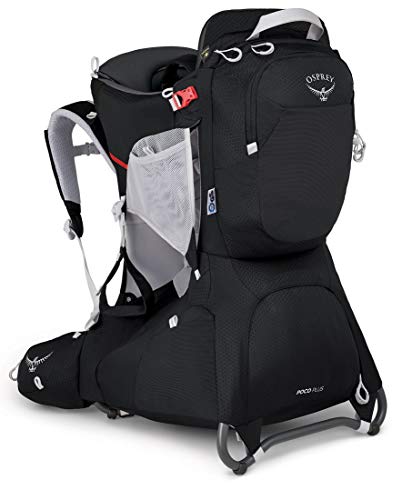
- Toddler or child carrier for younger children (frame carriers for longer hikes, soft structured carriers for shorter ones)

- Snacks in both quick and slow-energy forms: cereal bars, fruit, nuts, crackers, sandwiches


- Water for the entire family, ideally in reusable bottles or hydration bladders
- Sunscreen (water-resistant and safe for children) and insect repellent

- Multi-tool or pocket knife for small fixes on the trail
- Extra clothing layers for everyone: fleece, windbreaker, or thermal layer, depending on the season
- Lightweight headlamps or flashlights in case a hike runs longer than expected

Clothing layers and seasonal adjustments
Weather in the National Park Peneda Geres is highly variable, especially at higher elevations. The best approach is to pack clothing that can be layered.
- Base layers: moisture-wicking shirts and leggings to keep sweat away from the skin


- Mid layers: fleece jackets or light sweaters for cooler mornings and evenings
- Outer layers: waterproof and windproof jackets that pack down small
- Quick-dry pants and shorts: avoid heavy cotton, which holds moisture


- Swimwear and water shoes: essential in summer for waterfall trails like Poço Azul or Pincães
- Winter extras: gloves, hats, and thermal layers for December through February
Food and hydration supplies
Keeping energy levels steady is critical with children. Pack more food and water than you think you’ll need.
- Family-friendly picnic meals such as sandwiches, wraps, or rice cakes
- Trail snacks for kids: fruit leather, granola bars, pretzels, or chocolate squares as a treat
- Electrolyte packets or tablets to add to water on hot days
- Reusable utensils and collapsible bowls for shared meals
- Insulated bottles for keeping drinks cool in summer or warm in winter
Safety and emergency gear
A few small items can make a big difference in safety.
- Whistles for children to carry and use if separated (teach them how and when to use it)
- Emergency space blankets for unexpected delays or changes in weather
- Waterproof matches or a small fire starter in case of emergencies
- Compact trekking poles for parents and older children to help with balance on rocky trails

- Lightweight tarp or shelter for shade or rain protection during breaks
Comfort and convenience items
While not essential, these extras can make your hiking experience more enjoyable.
- Binoculars for spotting birds, wild horses, or distant peaks

- A small magnifying glass or bug jar for kids who love examining nature up close
- Picnic blanket or foldable sitting pads for rest stops
- Small waterproof bags or dry sacks for electronics, keys, and clothing
- A camera or smartphone with a protective case to capture the experience


- Power bank to recharge devices if using GPS apps throughout the day

What not to forget for the car and the trailhead
Because Peneda Gerês National Park is spread out, you’ll often be driving between hikes. Packing some extras in the car can save time and reduce stress.
- A cooler with extra drinks and snacks for after hikes
- A full change of clothes for each family member
- Towels for drying off after swimming
- Plastic bags for wet clothes and trash
- Spare shoes or sandals for tired feet after hiking
Final tip
Think of your packing list in layers: the basics your kids carry themselves, the family essentials you carry, and the comfort extras that stay in the car until needed. With thoughtful preparation, you’ll have everything necessary to enjoy the kid-friendly trails in Peneda Gerês National Park without worrying about unexpected challenges.
Hiking Safely with Kids in Peneda Gerês National Park
Safety is one of the most important parts of planning a family hiking trip in Peneda Gerês National Park. The trails here range from gentle riverside walks to rocky scrambles, and conditions can change quickly depending on the season. With the right preparation and approach, you can keep your children safe, confident, and engaged on every hike.
Choosing trails by age and ability
Not all kid friendly trails in Peneda Gerês National Park are equal. Some are best for toddlers in carriers, while others are more suitable for older children who can handle longer distances and elevation gains.
Although the age ranges below provide a useful starting point, they are only general guidelines. Every child has different levels of stamina, confidence, and interest, and what feels easy for one may be overwhelming for another. Likewise, every parent has a different appetite for risky play—what one family sees as an exciting scramble, another may view as too hazardous. Ultimately, the best approach is to choose trails based on your children’s individual abilities and your own comfort level as a parent, while remaining flexible once you are on the path. This way, the experience stays enjoyable and safe for everyone.
- Ages 0–3: Short boardwalks (such as sections of the Ecovia do Rio Vez) or hikes where you can use a child carrier.
- Ages 4–6: Easy to moderate trails under 4 kilometers with gentle ascents, such as the Cascata de Pincães route.
- Ages 7–10: Moderate loops up to 7 kilometers, like the Giesteira Valley Trail or sections of PR01.
- Ages 11+: Longer or steeper hikes such as Poço Azul, where endurance and careful footing are required.
Always be realistic about your children’s ability levels and energy. It is better to finish a shorter hike happily than to struggle through one that is too challenging.
Keeping kids engaged and motivated
Children are more likely to enjoy the trails when they feel part of the adventure. Strategies for hiking with kids that work well include:
- Turning the trail into a scavenger hunt (spotting wildflowers, birds, or interesting rocks).
- Allowing children to carry their own small backpack with snacks or a favorite toy.
- Setting mini-goals, such as reaching the next viewpoint, stream crossing, or a shady rest stop.
- Building excitement for the destination, especially if the trail ends at a waterfall or swimming spot.
Breaks are an important part of family hiking. Plan to stop every 30–45 minutes for snacks, water, or to explore.
Water safety at waterfalls and lagoons
Many of the most popular trails in Parque Nacional da Peneda Geres lead to waterfalls or natural swimming pools. While these spots are a highlight, they also require caution.
- Check currents before letting children swim, as some pools are deeper than they appear.
- Keep children away from the tops of waterfalls, where rocks can be slippery.
- Bring water shoes to protect feet from sharp stones.
- Supervise closely at all times, even in shallow areas.
The safest swimming spots for families are calm pools like those at Mata da Albergaria or the base of Pincães waterfall, while areas with fast-moving water should be avoided.
Wildlife awareness and environmental safety
Peneda Gerês National Park is home to wild Garrano horses, deer, and smaller animals such as foxes. While encounters are rare, it is important to:
- Teach children to observe wildlife quietly and from a distance.
- Avoid feeding or approaching animals.
- Keep food sealed to prevent attracting insects.
The park also has areas with steep cliffs, loose rock, or slippery surfaces. Good footwear and trekking poles can make a big difference in stability for both children and adults.
Teaching Leave No Trace to kids
One of the best safety lessons is helping children understand their role in protecting the environment. Simple principles include:
- Stay on marked trails to avoid damaging plants or getting lost.
- Carry out all trash, even small snack wrappers.
- Leave rocks, flowers, and natural objects where they are.
- Respect other hikers by keeping noise levels reasonable.
By involving children in these practices, you create responsible habits and help protect Peneda Gerês National Park for future visitors.
Final thought on safety
With thoughtful planning, hiking in the National Park Peneda Geres can be both safe and rewarding. Choosing the right trails, pacing the day according to your children’s needs, staying alert around water, and teaching respect for nature will ensure that your family experiences the park with confidence and joy.
8 of the Best Kid-Friendly Trails in Peneda Gerês National Park
The following trails represent some of the most rewarding and approachable hikes for families in Peneda Gerês National Park. Each offers something unique, from waterfalls and swimming holes to sweeping mountain views and cultural landmarks. Based on our family’s experience hiking many of these routes and scouting others, you will find detailed descriptions below to help you choose the best options for your own family.
NOTE: If you’d like to download and use any of the maps below, you’ll need to do the following:
1. Download the GuruMaps app.
2. Download any of our route maps (Do that by clicking on any of the links in the top right-hand corner of the map below – You have 3 file formats to choose from – GPX, KML, or GeoJSON.)
3. Open that downloaded route-map-file by using the GuruMaps app.
Once you’re done, you’ll have a copy of our map on your device, and it’ll work even without service!
1. PR01 • Trilho da Cidada da Calcedónia
This clockwise circular route is one of the most dramatic short hikes in Parque Nacional da Peneda Geres.
Fast Facts – PR01 • Trilho da Cidada da Calcedónia
- Difficulty: Intermediate
- Distance: 6.50 km (4.03 mi)
- Elevation Gain: 555 m (1,821 ft)
- Duration: 4-5 hours, depending on pace and family breaks
The highlight of this trail is reaching the granite outcrop of Calcedónia, where there once stood a fortified Iron Age settlement later occupied by the Romans.

The site’s strategic importance came from its location—difficult to access and surrounded by maze-like granite formations designed to confuse enemies.

Today, while walking the area, you can still find traces of stone walls and fragments of ancient ceramics scattered through the landscape.

From a family perspective, this is an adventurous hike best suited to older children who can handle uneven surfaces and some scrambling.

We completed this hike with our children and found that the natural rock playground kept them engaged, though we assisted them on steeper sections. Bringing gloves for kids can make scrambling over rough granite more comfortable.
It is worth noting that the marked trail does not include the “Fenda da Calcedónia,” a nearby climbing passage between two large slabs of rock, which is considered a technical route unsuitable for families.

Trail Map – PR01 • Trilho da Cidada da Calcedónia
Elevation Profile – PR01 • Trilho da Cidada da Calcedónia

2. Arado Waterfall Trail, Blue Well (Poço Azul), and Giesteira Valley Trail

These three routes—Cascata do Arado, Poço Azul, and the Giesteira Valley Trail—can be explored on their own or linked together for a longer family adventure. Each offers something distinct: an iconic waterfall, a hidden turquoise pool, and a quiet valley away from the crowds.
Fast Facts – Arado Waterfall Trail, Blue Well (Poço Azul), and Giesteira Valley Trail
- Difficulty: Intermediate-Advanced
- Distance: 9.0 km (5.60 mi)
- Elevation Gain: 607 m (1,993 ft)
- Duration: 6-7 hours, depending on pace and family breaks
Cascata do Arado
The short walk to Cascata do Arado is one of the most popular outings in Peneda Gerês National Park. A well-marked path leads from the parking area to viewpoints overlooking the multi-tiered cascade. It is an easy, family-friendly option that provides a big visual reward with minimal effort.

Blue Well (Poço Azul)
Poço Azul is one of the most stunning swimming holes in the park, known for its crystal-clear turquoise water.

Reaching it requires a longer and more rugged hike—about 7 kilometers round trip with steady elevation gain.

The trail passes through forest and open granite landscapes before descending to the pool itself.

Families with older children or strong hikers will find it a challenging but unforgettable destination, particularly in summer when swimming is possible.

Because the trail to Poço Azul is longer and more demanding, carrying enough water for the whole family can feel heavy. Bringing a small portable water filter will make the hike easier, as it’ll allow you to refill from the fresh mountain streams along the way.


An inline filter is a practical solution for families tackling this more remote route, especially in the heat of summer.
Giesteira Valley Trail
The Giesteira Valley is a quieter alternative to the busier Poço Azul route. Starting near Cascata do Arado, the trail leads into a valley of mixed forest and granite slopes, with expansive views of the surrounding ridges. It is less crowded, moderately challenging, and offers a sense of immersion in the park’s wilder side.
Combining the routes
These trails can be linked together in different ways, depending on your family’s stamina and appetite for adventure.
- Arado Waterfall + Giesteira Valley: about 6 kilometers total, a rewarding loop that combines the famous waterfall with a quieter, scenic valley.
- Arado Waterfall + Poço Azul: around 9.5 kilometers total, a longer hike that pairs a landmark cascade with one of the park’s best swimming spots.
- Full combination: ambitious hikers can link Arado, Poço Azul, and the Giesteira Valley in one extended day, though this is best reserved for families with older children who are comfortable with challenging terrain and longer distances.
We hiked all three in one day—starting with the approach to the brilliant turquoise waters of Poço Azul. Then we continued behind it by following the Rio do Conho upstream.

Eventually, we hiked up to the saddle where the Abrigo do Pico da Arrocela shelter is located.


Eventually, we descended into the quieter paths of the Giesteira Valley and finally circled back toward Cascata do Arado.


It was a demanding but unforgettable outing, and one that showcased the incredible diversity of landscapes within a relatively small corner of the park. For our family, the mix of iconic waterfalls, wild swimming, high mountain terrain, and peaceful valleys made it one of the most memorable days we’ve had in Peneda Gerês National Park.
For families, the flexibility of these routes makes them especially appealing. You can tailor the day to your children’s abilities, choosing a short waterfall walk, a moderate valley loop, or—if you are ready for a true adventure—the full-day combination of all three.
Trail Map – Arado Waterfall Trail, Blue Well (Poço Azul), and Giesteira Valley Trail
Elevation Profile – Arado Waterfall Trail, Blue Well (Poço Azul), and Giesteira Valley Trail

3. Rota dos Prados da Messe
The Rota dos Prados da Messe is one of the most striking trails in Peneda Gerês National Park, leading you into the heart of the highlands where traditional pastoral life and sweeping natural scenery come together. It feels remote compared to many of the park’s other kid-friendly trails, and for that reason, it offers both incredible rewards and a need for thoughtful preparation.
Fast Facts – Rota dos Prados da Messe
- Difficulty: Intermediate-Advanced
- Distance: 13.6 km (8.7 mi)
- Elevation Gain: 1083 m (3,555 ft)
- Duration: 7-8 hours, depending on pace and family breaks
We began this hike near Portela de Leonte and followed the route in a counterclockwise direction.

Instead of attempting the full loop, we chose to make it an out-and-back hike to the Abrigo do Curral do Vidoal, a stone shelter used historically by shepherds.

This approach allowed us to enjoy the most scenic portion of the trail without committing to the entire distance, which can be demanding for families.

Along the way, the path climbs gradually through rugged granite terrain.


But, the trail is easy to follow.

It is often marked with carins.

And, the boulders make excellent break spots.

Eventually, the trail opens into the prados—high mountain meadows where livestock graze during the summer months.

The trail passes shepherd huts and crosses streams, and with luck, you may encounter semi-wild Garrano horses or the striking long-horned Barrosã cattle.

These cultural and wildlife encounters made the hike especially engaging, offering opportunities to talk with our children about how people and animals share the highlands.
Even though we didn’t complete the loop, the hike to Abrigo do Curral do Vidoal gave us a strong sense of the scale and openness of the highlands.

The Abrigo do Curral do Vidoal makes a wonderful stopping point for families, not only for its cultural interest as a traditional shepherd shelter but also as a practical place to rest.

The open meadows surrounding the stone hut are ideal for spreading out a picnic, with sweeping mountain views providing a dramatic backdrop.
Children will find plenty of space to explore safely—turning rocks, water spots, and grassy clearings into a natural playground.


Parents can enjoy a quiet pause in one of the park’s most peaceful highland settings.


The views stretched in every direction, and the contrast with the shaded forest trails elsewhere in Parque Nacional da Peneda Geres was remarkable.

For families, this partial route is a practical way to experience the best of the Prados da Messe while keeping the distance manageable.
Trail Map – Rota dos Prados da Messe
Elevation Profile – Rota dos Prados da Messe

4. Ecovia do Rio Vez: Sistelo to Arcos de Valdevez
The Ecovia do Vez is a 40-kilometer-long path that runs along the Vez River. For families, shorter sections are ideal.

Fast Facts – Ecovia do Rio Vez: Sistelo to Arcos de Valdevez
- Difficulty: Easy
- Distance: 40 km (25 mi)
- Elevation Gain: Minimal (the trail parallels a river)
- Duration: Variable, depending on how far you go
We chose to hike about 4 miles total—roughly 2 miles out and 2 miles back—on the section beginning in Sistelo, a village known as the Portuguese Tibet for its terraced fields.

The trail here follows a mix of boardwalks, dirt paths, and riverside tracks.

Along the way, we came across a calm swimming hole, where we spent a good amount of time resting, playing, and cooling off in the clear water.

This stop turned the outing into more than just a walk; it became a highlight of our visit and a reminder of how rewarding it can be to let children set the pace.
This trail is an excellent choice for families who want a relaxed day, combining cultural exploration in Sistelo with an easy, flexible hike and the bonus of a refreshing swim in the river.
Trail Map – Ecovia do Rio Vez: Sistelo to Arcos de Valdevez
Elevation Profile – Ecovia do Rio Vez: Sistelo to Arcos de Valdevez

5. Trilho da Cascata de Pincães via GR®50
This hike combines a forested walk with a rewarding waterfall destination.
Fast Facts – Trilho da Cascata de Pincães via GR®50
- Difficulty: Easy
- Distance: 3.0 km (1.89 mi)
- Elevation Gain: 226 m (743 ft)
- Duration: 2 hours, depending on pace and family breaks
The trail begins in the small granite village of Pincães.

The narrow stone lanes quickly give way to footpaths leading into the woods.

From here, the path climbs steadily into the forest, following sections of the GR®50 long-distance route.

Oak and chestnut trees provide shade for much of the way, making this hike comfortable even on warmer days.

After about 2 kilometers, the sound of rushing water signals your approach to the Cascata de Pincães. On a small side trail, you’ll be able to view the ruins of an ancient mill.

The waterfall spills into a clear pool surrounded by cliffs and dense greenery, creating a natural amphitheater that feels far removed from the outside world.

The pool is excellent for swimming, especially in summer.

The largest rock in the center of the pool was a natural jungle gym for the boys – they’re always ripe for some risky play.

And, the flat rocks around its edge make ideal spots for resting or enjoying a picnic.

Because the route is relatively short and straightforward, you can take your time at the falls—swimming, playing, or simply soaking in the scenery—before retracing your steps back to the village. For families, the manageable distance and big payoff at the end make this trail a perfect half-day outing. For a full-day experience, head over to Trilho das Cascatas de Fecha de Barjas after you’re done here.
We hiked this trail in its entirety and found it to be one of our favorites. The combination of cultural touches at the start, shaded woodland paths, and the joy of swimming in the cool waterfall pool made it a highlight of our time in Parque Nacional da Peneda Geres. After all kids in nature is a natural fit. For those looking for a manageable hike with a memorable destination, the Trilho da Cascata de Pincães via GR®50 is an outstanding choice.
Trail Map – Trilho da Cascata de Pincães via GR®50
Elevation Profile – Trilho da Cascata de Pincães via GR®50

6. Trilho das Cascatas de Fecha de Barjas (Tahiti Waterfalls)

Known as the Tahiti Waterfalls, this short hike is one of the most photographed spots in the park.
Fast Facts – Trilho das Cascatas de Fecha de Barjas
- Difficulty: Easy
- Distance: 1.0 km (0.62 mi)
- Elevation Gain: 115 m (380 ft)
- Duration: 1-2 hours, depending on pace and breaks
The trail leads directly to a series of cascades where the river tumbles over smooth granite slabs.

While the pools are beautiful, the rocks can be very slick, and currents may be strong after heavy rains.

Families should approach with care and avoid climbing close to the cascades with younger children.

We hiked to one of the most accessible pools and spent time playing in the cool, clear water.

It was a refreshing break for the whole family and turned the short walk into a memorable experience. For parents, close supervision is essential, but with care, this is a wonderful place to let children explore and enjoy the water after a gentle hike.

Trail Map – Trilho das Cascatas de Fecha de Barjas (Tahiti Waterfalls)
Elevation Profile – Trilho das Cascatas de Fecha de Barjas (Tahiti Waterfalls)

7. Cascata de São Miguel – Lagoas da Mata da Albergaria
This trail highlights both waterfalls and one of the most historic parts of Peneda Gerês National Park.
Fast Facts – Cascata de São Miguel – Lagoas da Mata da Albergaria
- Difficulty: Easy
- Distance: 4.18 km (2.60 mi)
- Elevation Gain: 234 m (770 ft)
- Duration: 2-3 hours, depending on pace and breaks
The clockwise walk leads to Cascata de São Miguel and continues to the Lagoas da Mata da Albergaria, a series of lagoons surrounded by ancient oak trees. Along the way, you may encounter sections of the Roman Geira road, which once connected Braga to Astorga in Spain.
We scouted this route and found it to be family-friendly, especially for children who enjoy combining swimming with a short hike. The historical element makes it particularly engaging as a worldschooling opportunity.
Trail Map – Cascata de São Miguel – Lagoas da Mata da Albergaria
Elevation Profile – Cascata de São Miguel – Lagoas da Mata da Albergaria

8. Ermida – Rajada Waterfall – Fraga do Justo Viewpoint
This loop hike offers waterfalls, viewpoints, and cultural immersion in a small mountain village.
Fast Facts – Ermida – Rajada Waterfall – Fraga do Justo Viewpoint
- Difficulty: Easy
- Distance: 6.14 km (3.82 mi)
- Elevation Gain: 565 m (1855 ft)
- Duration: 4-5 hours, depending on pace and breaks
The trail begins in Ermida, a traditional stone village, and then climbs to the Rajada Waterfall. Continuing on, you reach the Fraga do Justo viewpoint, which offers sweeping views of the surrounding valleys.
We scouted this trail and found it to be more suitable for families with older children due to its uneven surfaces and longer climbs. The combination of cultural immersion and natural scenery, however, makes it a rewarding experience for adventurous families.
Trail Map – Ermida – Rajada Waterfall – Fraga do Justo Viewpoint
Elevation Profile – Ermida – Rajada Waterfall – Fraga do Justo Viewpoint

Summary of kid-friendly trails in Peneda Gerês National Park
Each of these nine routes highlights a different aspect of Parque Nacional da Peneda Geres, from waterfalls and lagoons to highland meadows and ancient Roman roads. Some, such as Pincães and Calcedónia, are better suited to families with active children ready for adventure, while others, like the Ecovia do Vez, are ideal for younger kids or families seeking a more relaxed experience. By choosing carefully, you can craft a hiking itinerary that balances challenge, fun, and cultural discovery for every member of your family.
For additional background on trail networks and classifications, the ICNF official site provides detailed information about marked routes in National Park Peneda Geres.
Local Culture & Kid-Friendly Learning Opportunities
Hiking in Peneda Gerês National Park is not only about exploring waterfalls, forests, and mountains. The park also offers an extraordinary chance to introduce your children to history, culture, and traditional ways of life that are still visible today. These experiences transform a family hike into an educational adventure where your children can connect what they see on the trail with the deeper story of the region.
Roman history on the Geira Road
One of the most fascinating cultural features inside Parque Nacional da Peneda Geres is the Via Nova, also called the Roman Geira Road. This ancient stone road once connected the Roman cities of Braga and Astorga. Along certain trails, such as those near the Mata da Albergaria, you can still walk on original Roman paving stones and see milestones that marked distances nearly two thousand years ago.
- For children, the idea of walking in the footsteps of Roman soldiers sparks imagination.
- Parents can turn it into a hands-on lesson about Roman engineering, history, and the movement of people across Europe.
Exploring sections of the Roman Geira is a simple but powerful way to add depth to your family hike.
Espigueiros: the granite granaries of Soajo and Lindoso
The villages of Soajo and Lindoso are known for their clusters of espigueiros, traditional stone granaries that resemble small raised huts on stilts. Built centuries ago, they were designed to keep maize dry and safe from rodents.
- Children are often intrigued by the unusual appearance of the espigueiros, which look almost like tiny stone houses.
- A visit to these villages can be paired with nearby hikes, giving your family a cultural anchor to balance the natural beauty of the trails.
These granaries are unique to northern Portugal and Galicia, making them a cultural highlight of National Park Peneda Geres.
Highland shepherd life and traditions
The high pastures and meadows of Peneda Gerês National Park are still used by shepherds today. On trails such as the Prados da Messe, you may come across shepherd huts and hear the bells of grazing livestock. Wild Garrano horses also roam freely, adding to the sense that you are experiencing a landscape shaped by both people and animals over centuries.
- Observing the coexistence of traditional herding and conservation can spark conversations with children about food, farming, and sustainability.
- Respecting livestock and giving animals space provides a chance to teach responsible outdoor behavior.
Turning hikes into worldschooling lessons
Every trail in Peneda Gerês National Park can become a worldschooling opportunity. With a little preparation, you can highlight different themes along the way.
- Ecology: Identify oak, chestnut, and pine trees in the Mata da Albergaria.
- Geology: Point out granite formations along PR01 and explain how weather shapes the landscape.
- History: Discuss Roman milestones, shepherd traditions, or the defensive role of castles like Lindoso.
- Language: Introduce Portuguese words for features such as cascata (waterfall), lagoa (lagoon), or trilho (trail).
By weaving these elements into your hikes, your children will leave with more than memories of beautiful views—they will carry a deeper understanding of the culture and environment of Parque Nacional da Peneda Geres.
Sample Family-Friendly Hiking Itineraries
Planning how to structure your time in Peneda Gerês National Park is just as important as choosing which trails to hike. Because distances between trailheads can be significant and energy levels with children can vary, it helps to organize your days around a balanced mix of activity and rest. The following itineraries are designed for families who want to experience the kid friendly trails in Peneda Gerês National Park at a realistic pace, without rushing or overextending.
1-day itinerary: quick waterfall adventure
If you only have a single day, focus on one or two of the most accessible and rewarding trails.
- Morning: Hike the Trilho da Cascata de Pincães (4.5 km round trip). The shaded path and waterfall at the end make this a satisfying option for families.
- Lunch: Picnic near the village of Pincães or return to a nearby café.
- Afternoon: Drive to the Tahiti Waterfalls for a short 1.5 km walk. The cascades here offer a striking contrast to the morning hike, though you should supervise closely near slippery rocks.
This itinerary works well for families with younger children who may tire quickly but still want to see two highlights of Parque Nacional da Peneda Geres in one day.
2-day itinerary: a mix of easy and moderate hikes
Two days allows you to combine a cultural stop with a more adventurous trail.
- Day 1: Walk a section of the Ecovia do Rio Vez near Sistelo. This riverside trail is relaxing. After the walk, spend time exploring Sistelo, known for its terraced fields and traditional houses.
- Day 2: Choose the PR01 Trilho da Cidada da Calcedónia (3.5 km loop). The rocky scramble and dramatic views are ideal for older children who enjoy adventure.
This plan balances easy walking and cultural exploration with a more challenging but manageable hike.
3–4 day itinerary: hiking with cultural experiences
With several days, you can spread out the hikes and include opportunities to explore villages, swim, and enjoy traditional Portuguese meals.
- Day 1: Begin with Cascata de São Miguel and the lagoons of Mata da Albergaria (3 km). Combine swimming and history by showing your children sections of the Roman Geira Road.
- Day 2: Hike the Arado Waterfall and Giesteira Valley loop (6 km). This provides a moderate challenge without the longer commitment of Poço Azul.
- Day 3: Visit Soajo or Lindoso to see espigueiros and castles, paired with a shorter trail nearby.
- Optional Day 4: Extend your stay with Rota dos Prados da Messe, hiking as much of the trail as your children can comfortably manage.
This itinerary blends culture, hiking, and relaxation, giving families a well-rounded experience of National Park Peneda Geres.
1-week itinerary: all 9 trails plus rest days
A full week allows you to experience each of the nine kid friendly trails in Peneda Gerês National Park without rushing. To avoid fatigue, alternate between shorter and longer hikes and build in swim or picnic days.
- Day 1: PR01 Trilho da Cidada da Calcedónia
- Day 2: Ecovia do Rio Vez section near Sistelo
- Day 3: Trilho da Cascata de Pincães
- Day 4: Cultural day in Soajo or Lindoso, with short village walks
- Day 5: Arado Waterfall Trail and Poço Azul (combined)
- Day 6: Cascata de São Miguel and Lagoas da Mata da Albergaria
- Day 7: Ermida to Rajada Waterfall and Fraga do Justo Viewpoint
By structuring your trip this way, you experience waterfalls, meadows, villages, lagoons, and historical landmarks, all while keeping the pace family-friendly. Your children will have time to rest, swim, and play, ensuring that the adventure is enjoyable for everyone.
Beyond the Trails: Other Family Adventures in and Around Peneda Gerês
While the kid friendly trails in Peneda Gerês National Park are the main draw, there are many other family adventures to enjoy in and around the park. These experiences complement your hikes and allow your family to explore the cultural and natural richness of the region at a slower pace.
Exploring historic villages and castles
Several villages on the edges of Parque Nacional da Peneda Geres are living pieces of history.
- Soajo: Famous for its cluster of stone espigueiros, this village feels timeless. Children are often fascinated by these raised granaries, which look like small stone houses on stilts.
- Lindoso: Here you can combine a walk through the espigueiros with a visit to the medieval Lindoso Castle. The castle grounds are safe for children to explore, and the views of the surrounding valley are striking.
- Ermida: A small mountain village that serves as the starting point for the Rajada Waterfall hike. Strolling through its narrow streets gives you a glimpse of traditional mountain life.
These villages are excellent places to pause between hikes, enjoy a meal, and introduce your children to local traditions.
Outdoor fun: cycling, kayaking, and swimming
Peneda Gerês National Park is not only for hiking. Families who enjoy active pursuits can try:
- Cycling sections of the Ecovia do Rio Vez, where flat stretches along the river are perfect for children.
- Kayaking or paddleboarding on calm sections of the Cávado River near Gerês village. Rental options are available in summer, and the water is gentle enough for beginners.
- Swimming in natural lagoons and pools such as Poço Azul, Pincães, or Mata da Albergaria. These stops can be built into your hiking days or enjoyed as stand-alone activities.
Including water activities is a great way to keep children refreshed and motivated throughout your trip.
Wildlife spotting: Garrano horses and more
One of the most memorable aspects of visiting National Park Peneda Geres is the chance to encounter wildlife.
- The Garrano horse, a small semi-wild breed native to northern Portugal, roams the highlands. Spotting them grazing in meadows can be a highlight for children.
- Birdwatchers will find a variety of species, from eagles and kites to smaller forest birds. Bringing binoculars adds excitement for kids.
- Deer and foxes are also present, though sightings are less common.
Remind children to observe animals quietly and from a distance. This helps preserve both their safety and the natural behavior of the wildlife.
Adding cultural and natural depth to your trip
These experiences beyond hiking enrich your family adventure by balancing physical activity with cultural discovery and moments of relaxation. Exploring villages, castles, rivers, and meadows alongside your hikes helps your children connect with the full story of Parque Nacional da Peneda Geres.
For a broader context, the UNESCO Gerês-Xurés Biosphere Reserve highlights the cross-border significance of this area, emphasizing both its cultural heritage and ecological importance.
Where to Stay and Eat Near Peneda Gerês National Park
Finding the right place to stay and eat is an important part of planning a family trip to Peneda Gerês National Park. Accommodations range from rustic mountain lodges to comfortable guesthouses, and dining options highlight traditional Portuguese flavors that are surprisingly family-friendly. Choosing well will allow you to balance long days of hiking with restful nights and satisfying meals.
Family-friendly accommodations
Several types of lodging work well for families depending on your preferences and budget.
- Guesthouses and small hotels in Gerês village provide easy access to many of the southern trailheads, shops, and restaurants. These are convenient if you want a base with minimal driving.
- Rural cottages and eco-lodges scattered around the park give you a more immersive experience, often with fireplaces, mountain views, and kitchen facilities. Having your own kitchen can be useful for families who prefer to prepare simple meals for children.
- Campsites near Gerês and in the Mata da Albergaria offer a budget-friendly way to stay inside the park. Facilities usually include shared bathrooms, picnic areas, and space for kids to play outdoors.
Many family-run accommodations in Parque Nacional da Peneda Geres welcome children warmly and provide useful local advice about trail conditions, swimming spots, and restaurants. Booking early is recommended during summer and autumn weekends when demand is highest.
Kid-approved Portuguese dishes to try
Traditional Portuguese food in the National Park Peneda Geres is hearty and flavorful, but there are plenty of options that appeal to children.
- Posta à mirandesa: Grilled beef steaks, often served with rice and potatoes, which can be easily shared.
- Caldo verde: A mild kale and potato soup often served with bread, filling but not spicy.
- Grilled trout: Freshly caught from local rivers, simple and tasty for children.
- Roast chicken with piri-piri on the side: You can request it without spice for kids.
- Cheese and bread platters: Local cheeses paired with rustic bread are usually popular with younger travelers.
Most restaurants in and around Peneda Gerês National Park are casual, and staff are accustomed to welcoming families. Portions are generous, so ordering a few dishes to share often works well.
Tips for picnicking on the trails
Bringing your own food is an excellent way to keep hiking days simple and flexible.
- Many guesthouses will prepare picnic baskets or packed lunches on request.
- Stock up in village shops before heading into the park, as trailheads rarely have food options.
- Include a mix of high-energy snacks for children such as fruit, cheese, and sandwiches.
- Always pack out all trash to help preserve the natural environment.
A picnic by a waterfall or lagoon can be just as memorable as a restaurant meal, especially for children who enjoy eating outdoors.
Making meals part of the adventure
Meals in Peneda Gerês National Park are not only about food but also about connecting with the region. By combining local dining with picnics and the occasional self-cooked family meal, you will create a rhythm that balances comfort and exploration. After a long day on the kid friendly trails in Peneda Gerês National Park, a hearty local dish or a riverside picnic adds to the sense of discovery and makes the trip even more rewarding.
Responsible Travel in Peneda Gerês National Park
When you visit Peneda Gerês National Park with your family, you are not only enjoying one of Portugal’s most treasured landscapes but also stepping into a fragile ecosystem that needs care and respect. Practicing responsible travel ensures that the park remains beautiful, safe, and culturally authentic for future generations. Teaching your children these principles as you hike and explore creates habits that will stay with them long after your trip.
Protecting fragile ecosystems with kids
The biodiversity of Parque Nacional da Peneda Geres is remarkable, from ancient oak forests in the Mata da Albergaria to alpine meadows dotted with wildflowers. These environments are easily damaged if not respected.
- Stay on marked trails to prevent erosion and protect native plants.
- Avoid picking flowers or removing natural objects, even small stones.
- Teach children how stepping off paths can damage delicate ecosystems.
By modeling and explaining these practices, you show your children how their actions directly impact the health of the environment.
Park rules and guidelines for families
The park is free to enter, but regulations are in place to ensure its protection. Key rules to keep in mind include:
- Open fires and barbecues are prohibited, especially during summer when wildfire risk is high.
- Swimming is allowed in designated lagoons and rivers, but always check local signage.
- Dogs should be kept on a leash to avoid disturbing wildlife.
- Camping is permitted only in official campgrounds.
Taking a moment to explain these rules to your children helps them understand that they are part of a larger community of visitors who share responsibility for the park.
Supporting local communities while traveling sustainably
Peneda Gerês National Park is home to small villages where traditions remain strong. Supporting these communities is one of the most meaningful ways to practice responsible travel.
- Choose family-run guesthouses or eco-lodges instead of large chain hotels.
- Dine in local restaurants that prepare traditional dishes with regional ingredients.
- Purchase small souvenirs or local products, such as honey or cheese, directly from villagers.
- Be mindful of noise and behavior when exploring villages, as many remain working communities.
Spending money locally not only enriches your family’s cultural experience but also ensures that tourism benefits the people who preserve this landscape.
Teaching kids the values of sustainable travel
Responsible travel becomes more powerful when children are involved. Simple actions can be turned into learning opportunities:
- Have your kids carry their own small trash bag on the trail to collect snack wrappers.
- Encourage them to refill water bottles instead of buying single-use plastic.
- Show them how to greet villagers politely and thank restaurant staff in Portuguese.
- Point out how respecting animals, plants, and people creates a more rewarding adventure.
By weaving these lessons into your hikes and village visits, you not only protect National Park Peneda Geres but also nurture an ethic of sustainability in your children.
A legacy of respect
Responsible travel is about leaving Peneda Gerês National Park better than you found it. When families follow these practices, the park remains a thriving space for nature, culture, and future visitors. More importantly, children learn that outdoor adventure and stewardship go hand in hand, making your trip both meaningful and memorable.
FAQs – Kid-Friendly Trails in Peneda Geres National Park
- Q: What ages are best suited for hiking in Peneda Gerês National Park with kids?
A: Children as young as toddlers can enjoy many of the hikes in the park, provided parents have a child carrier. Older kids (ages 7 and up) can handle moderate hikes like PR01 or Pincães. Teens and confident hikers may enjoy longer trails such as Poço Azul. - Q: Can children safely swim in the waterfalls and lagoons?
A: Swimming is possible in calmer pools such as those at Mata da Albergaria or the base of Pincães waterfall. However, children should always be closely supervised, and areas with strong currents or slippery rocks should be avoided. - Q: Do you need to pay an entrance fee for National Park Peneda Geres?
A: No, the park itself is free to enter. However, some parking areas near popular trailheads may charge a small fee, so carry coins with you. - Q: How reliable is trail signage in Peneda Gerês National Park?
A: Most marked trails are well signposted, especially official PR routes. That said, signage can sometimes be faded or confusing, so it is wise to download an offline map or GPX track before you begin your hike. - Q: What is the best time of year to hike the kid-friendly trails in Peneda Gerês National Park?
A: Spring and autumn are ideal for cooler weather and fewer crowds. Summer is excellent for combining hikes with swimming, though it can be hot. Winter is the quietest season, but some trails may be muddy or icy. - Q: Are there family-friendly places to stay inside or near Parque Nacional da Peneda Geres?
A: Yes, you will find family-run guesthouses in Gerês village, eco-lodges in rural areas, and official campgrounds inside the park. Staying local supports communities and often gives you access to helpful insider knowledge. - Q: What should we pack when hiking with kids in Peneda Gerês?
A: Essential items include sturdy footwear, hats, swimwear, snacks, and plenty of water. Parents should also carry a first aid kit, navigation tools, and extra clothing layers, as the weather can change quickly. - Q: Are there guided tours or activities suitable for families in National Park Peneda Geres?
A: Yes, local operators offer family-friendly guided hikes, kayaking trips, and cultural tours in nearby villages. These can be a good option if you want extra support or insight while exploring. - Q: Can we combine cultural visits with hiking in Peneda Gerês National Park?
A: Absolutely. Villages such as Soajo and Lindoso are close to trailheads and make excellent cultural stops. Children often enjoy exploring espigueiros (stone granaries) and castles alongside hiking adventures.
+++BEFORE using this information, please read our Legal Disclaimer+++